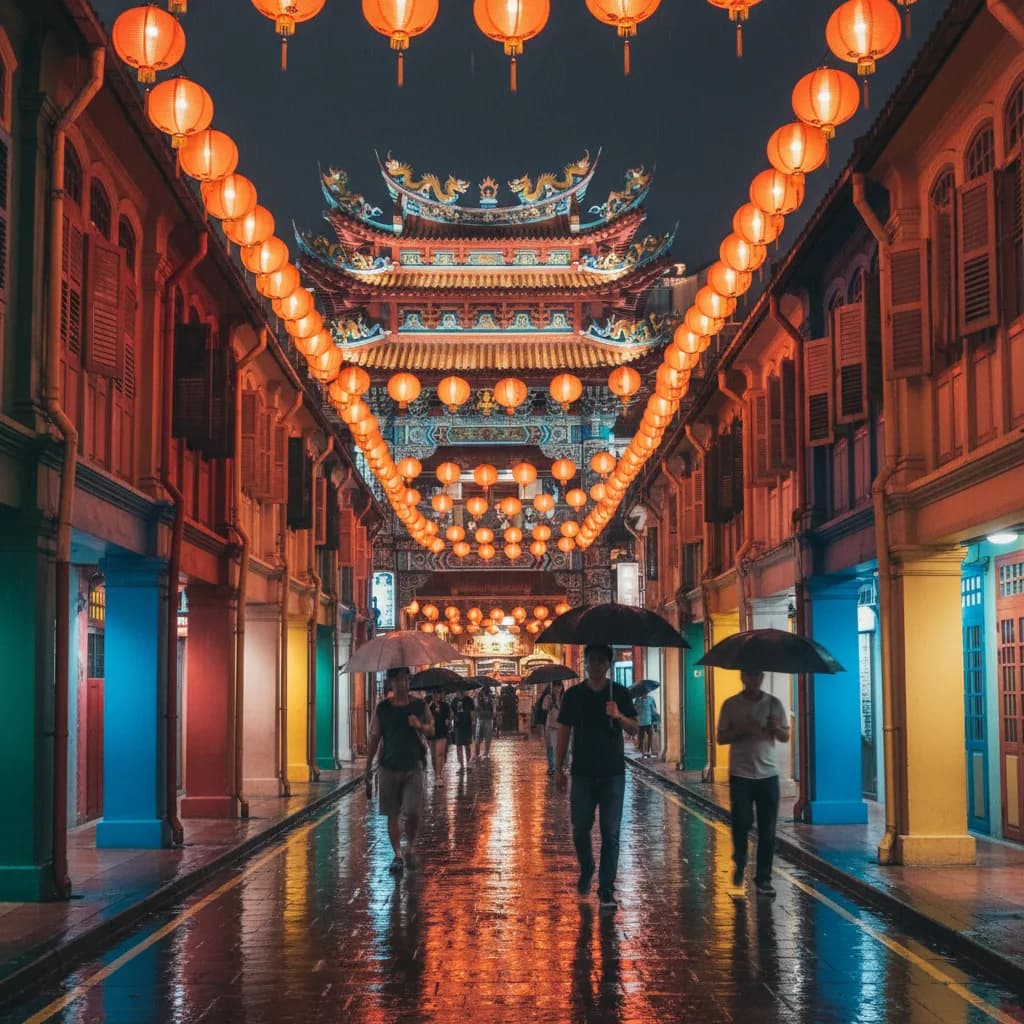
 Chinatown New in Town Weekend Planner: Errands and Temples
Weekend Plans
Science Museum Near Me in Civic District: Civil Defence Heritage Gallery
Discover the Civil Defence Heritage Gallery at 62 Hill Street for combustion physics, historic 1908 fire apparatus, and modern chemical defense science.
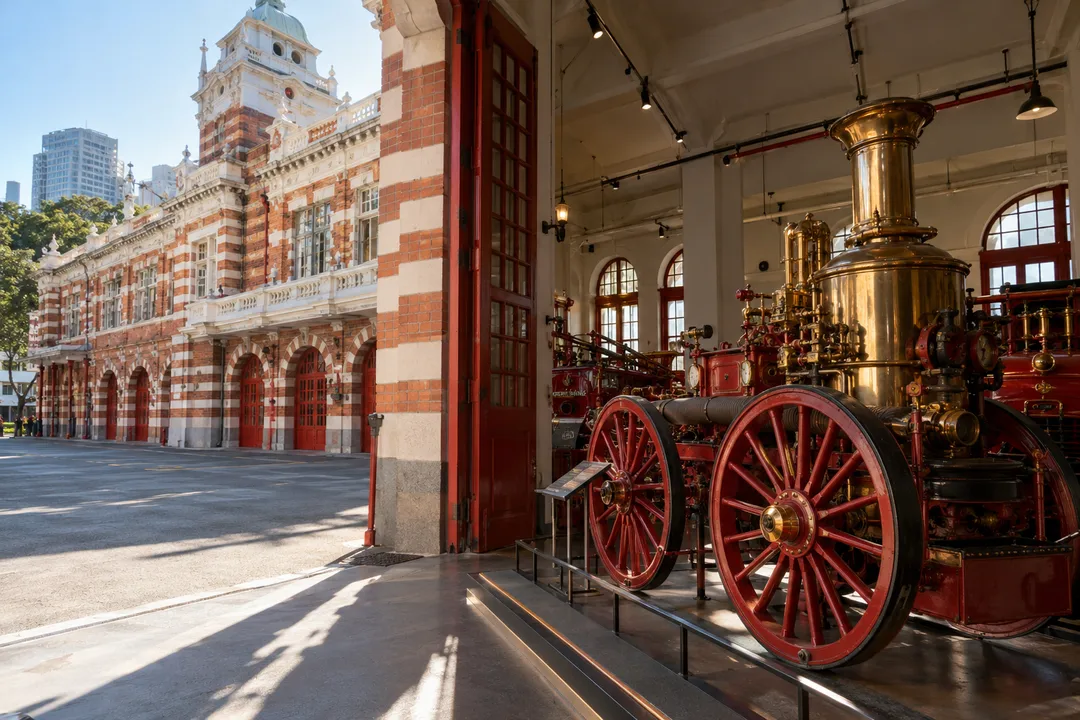
Housed within Singapore's historic Central Fire Station at 62 Hill Street, Singapore 179367, the Civil Defence Heritage Gallery is a dedicated emergency science and rescue museum located in the heart of the downtown Civic District. The gallery occupies the original ground-floor apparatus bays and historic hose tower of the colonial landmark, blending early twentieth-century architectural engineering with modern exhibits on thermal physics, chemical detection, and life-safety science. Visitors explore the science of fire suppression, structural stability during catastrophic building collapse, and specialized hazardous materials (HAZMAT) decontamination protocols. Standard entrance to all gallery galleries and historical equipment bays is entirely free of charge at S$0 for all visitors.
Combustion Physics and Emergency Rescue Technology
The gallery's primary scientific exhibits begin by examining the chemical fundamentals of combustion. Interactive touchscreen terminals explain the classical fire triangle: fuel, oxygen, and thermal ignition energy. Visitors experiment with digital simulation chambers, adjusting atmospheric oxygen levels and vapor pressures to observe how different extinguishing mediums—water, carbon dioxide, dry chemical powders, and aqueous film-forming foam—disrupt the chain reaction of burning fuels.
Another interactive section covers structural rescue physics. Hands-on hydraulic cutaways demonstrate how modern rotary rescue cutters and hydraulic spreaders, commonly known as the jaws of life, generate up to sixty tons of spreading force to cut through reinforced vehicle pillars. Kinetic exhibits illustrate mechanical advantage, pulley systems, and tension lines used by Disaster Assistance and Rescue Team (DART) specialists during high-angle cliff and industrial tower evacuations.
Tactile exhibits let visitors handle actual structural shoring timbers and pneumatic lifting bags used to stabilize collapsed concrete floors. Explanatory diagrams illustrate how air pressure inflated to eight bars inside Kevlar-reinforced neoprene bladders can lift thirty tons of debris, allowing rescue squads to tunnel safely toward buried survivors without triggering secondary structural cave-ins.
Hazmat Chemical Detection and Computerized Firefighting Gear
A dedicated laboratory hall focuses on the chemistry of hazardous materials defense. Displays showcase portable gas chromatograph-mass spectrometers and photoionization detectors used by response teams to identify toxic chemical leaks within seconds. Visitors examine the molecular structure of industrial nerve agents, hazardous airborne vapors, and biological threats alongside specialized impermeable vapor-tight chemical suits.
Complementing the chemical science displays, the technology gallery presents the evolution of firefighting apparatus from canvas coats to computerized personal protective equipment. Guests inspect modern self-contained breathing apparatus (SCBA) systems, learning how composite carbon-fiber cylinders deliver compressed breathable air at three hundred bars of pressure. Acoustic telemetry sensors and thermal imaging cameras demonstrate how rescue teams navigate zero-visibility smoke-filled structures by reading infrared heat signatures.
The exhibit also covers decontamination physics, demonstrating multi-stage chemical showers and neutralizing foam agents. Scale mockups of hazardous material response pods reveal how positive-pressure air filtration vehicles create hermetically sealed mobile command laboratories in the middle of active disaster zones, preventing exterior toxic airborne plumes from contaminating delicate sensor telemetry.
The 1908 Blood and Bandage Central Fire Station History
Central Fire Station was designed and erected in 1908 under the supervision of Fire Brigade Superintendent Montague William Pett, replacing disorganized volunteer squads with an elite professional municipal force. The building's iconic red-and-white striped facade, historically dubbed the 'blood and bandage' architectural style, was constructed using imported English red facing bricks and local white plaster bands. The station was gazetted as a Singapore National Monument in 1998 in recognition of its civic importance.
Visitors can stand beneath the station's original thirty-meter-tall hose-drying and lookout tower. In the early decades of the twentieth century, watchful lookouts scanned the city skyline day and night for plumes of smoke before telegraph and telephone systems were widespread. The museum preserves the original brass fire poles, mechanical bells, and dispatch logbooks that documented historic infernos across Chinatown and the Singapore River quays.
Historical plaques inside the courtyard detail the living conditions of early 20th-century firefighters who lived on the upper floors with their families. The station functioned as a self-contained community, featuring residential quarters, an on-site mechanical workshop, and blacksmith forge. The building's sturdy masonry load-bearing walls even survived shrapnel and artillery bombardment during the Battle of Singapore in 1942.
From 1905 Steam Pumpers to Modern High Pressure Water Mist
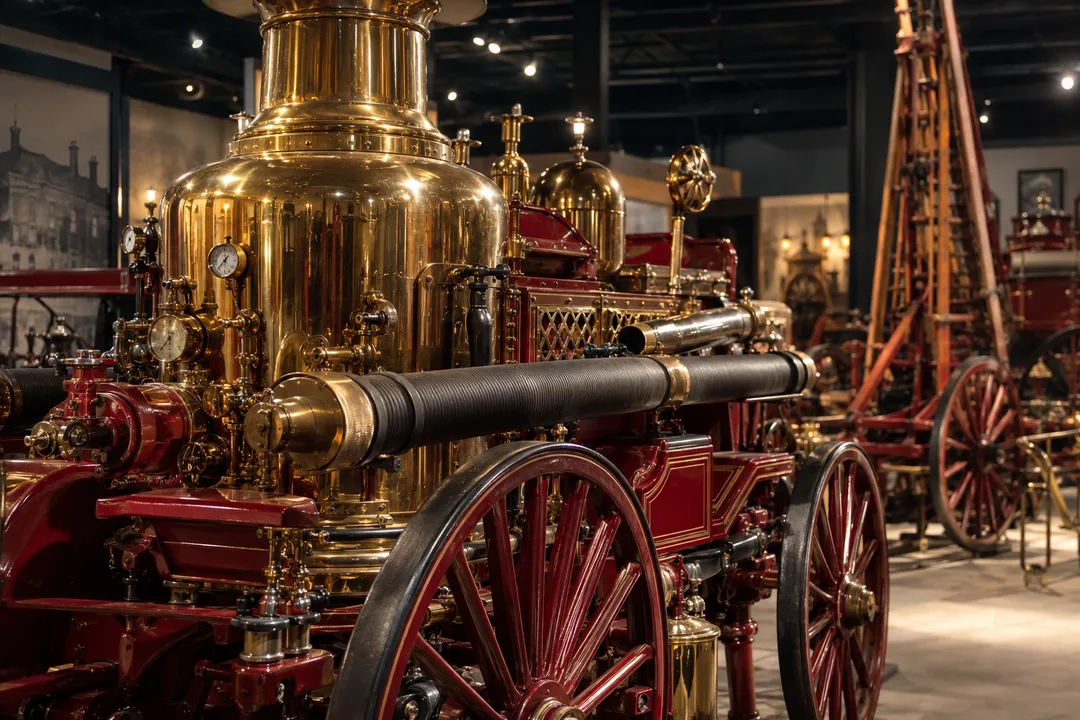
The vehicle galleries preserve an extraordinary lineage of mechanical fire engines, beginning with a fully restored 1905 horse-drawn steam fire engine named the Merryweather Gem. Visitors inspect the solid brass boiler, piston cylinders, and coal-fired firebox that generated steam pressure to power twin reciprocating water pumps, capable of pumping sixteen hundred liters of water per minute.
Directly opposite the vintage steam pumper, the museum displays a 1914 Dennis motor fire engine, Singapore's very first motorized fire suppression vehicle. Explanatory plaques compare its early internal combustion engine with the modern high-pressure water mist systems deployed today. Visitors learn how modern pump impellers pulverize water droplets into micro-fine mist, exponentially increasing surface area absorption and extinguishing flames through rapid thermal cooling while preventing electrical shock hazards.
The collection also features vintage manual hand-drawn hose carts, foam tenders from the 1960s, and turn-of-the-century wheeled escape ladders. Cutaway nozzles and brass branchpipes allow visitors to examine how internal baffling vanes transform turbulent hose water into coherent, laminar streams capable of reaching the upper stories of commercial shophouses.
Practical Visiting Notes for Hill Street and City Hall
The Civil Defence Heritage Gallery is open to the public from 10:00 AM to 5:00 PM Tuesday through Sunday, while closing on Mondays for regular upkeep. General admission is priced at S$0, with no tickets required for self-guided walk-in visits. On Saturday mornings between 9:00 AM and 10:30 AM, families can witness the live fire station open house in the adjoining active fire bays.
The station is ideally situated in Singapore's Civic District, a five-minute walk from City Hall MRT station (NS25/EW13) and Clarke Quay MRT station (NE5). After exploring the fire science galleries, visitors can walk across Hill Street to the historic Old Hill Street Police Station with its rainbow-painted shutters, climb the tree-shaded paths of Fort Canning Park directly behind the station, or explore the National Museum of Singapore along Stamford Road.
A thorough tour of the heritage gallery typically takes about forty-five to sixty minutes. The indoor exhibition spaces are fully air-conditioned, and photography is permitted throughout the public display bays. Families with children will appreciate the interactive dress-up area where young visitors can try on miniature firefighter helmets and turnout jackets before climbing aboard a stationary historic fire engine for photos.
Ask Karpo for more information.
Keep reading
- Chinatown New in Town Weekend Planner: Errands and Temples
 Kampong Glam New in Town Weekend Planner: Mosque to Murtabak
 Holland Village New in Town Weekend Planner: Meet People