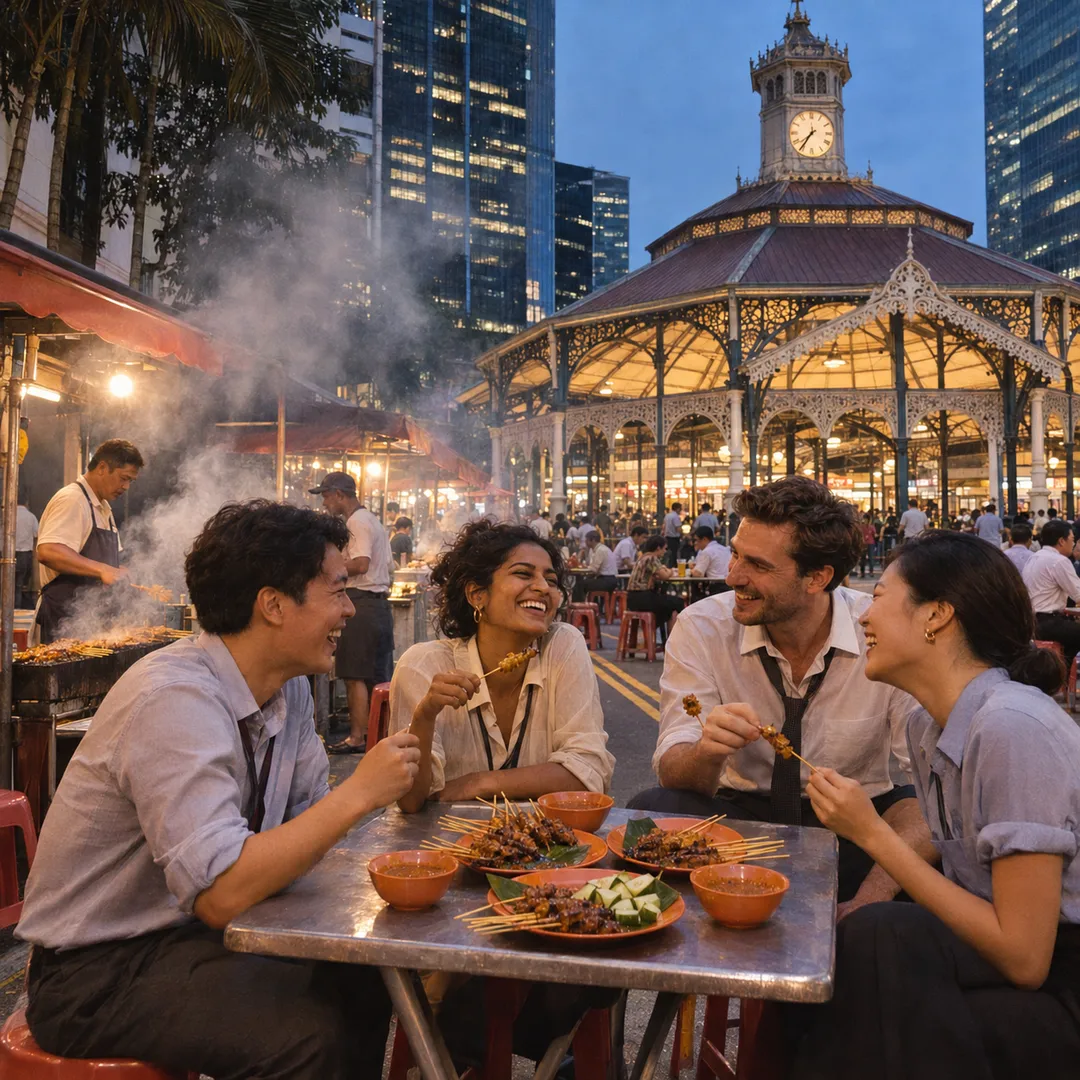
 Marina Bay Food Market Grazing Route After a Conference Day
Neighborhood Guides

Katong Scenic Walk Planner: Peranakan Terraces and Kueh
Katong's best walk links the painted Peranakan terraces of Koon Seng Road with Joo Chiat's shophouse lanes and kueh stops. Start early for soft light.
Katong and Joo Chiat feel like a different city from the glass towers downtown. The streets are low, the houses are painted in candy colours, and the scent of coconut and pandan drifts out of bakeries. This is the heartland of Singapore's Peranakan community, the descendants of Chinese traders who married into local Malay families and created a culture with its own cuisine, dress and decorative style. A walk here is about details, so slow down and look closely.
What Makes Peranakan Houses Worth the Detour
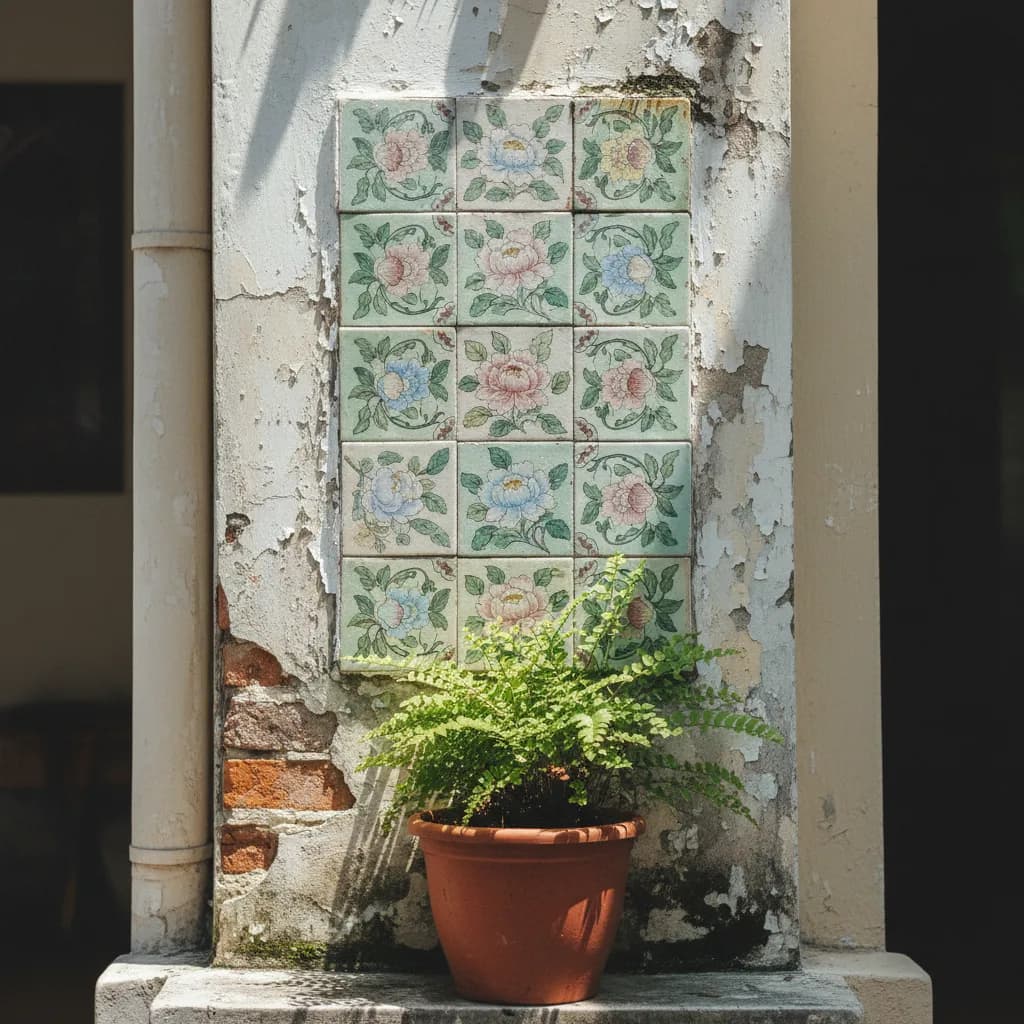
The terrace houses of Katong are among the most photographed homes in Singapore, and for good reason. Their facades are covered in plaster flowers, carved timber, and glazed ceramic tiles imported long ago from Europe and Japan. Each family chose its own colour and tile pattern, so no two houses are identical. Many still have pintu pagar, the low swinging half-doors that let breezes in while keeping the street at a polite distance.
These are private homes, so admire them from the pavement. The best way to enjoy them is to walk the length of a terrace slowly, noticing how the tile panels change, how the shutters are painted, and how residents decorate their front porches with plants and birdcages. The rhythm of repetition and variation is what gives the streets their charm, much like a musical phrase played with small changes.
Koon Seng Road at Its Most Colourful
Koon Seng Road holds the most famous row of Peranakan terraces, a run of houses painted in pastel pink, mint, yellow and blue. The terraces face the road directly, which makes them easy to photograph from across the street. Mornings are ideal, when the sun lights up the facades without casting harsh shadows. By midday the colours flatten and the heat makes standing still uncomfortable, so arrive early.
Because this street is popular with photographers, try to be considerate. Avoid stepping onto porches or blocking driveways, and keep tripods out of the way of residents. If you want a quieter experience, explore the side lanes off Koon Seng Road, where similar houses stand with far fewer visitors. You may find a terrace you prefer, with a tile pattern or paint colour that nobody else seems to have noticed.
Joo Chiat Road and Its Shophouse Rhythm
Joo Chiat Road runs north to south through the district and is lined with two-storey shophouses that have been restored with care. Ground floors hold bakeries, noodle shops, tailors, and small galleries, while upper floors keep their wooden shutters and decorative balconies. The road is long, and it rewards a steady walk with plenty of stops rather than a fast march from end to end.
Look for the shophouses with intricate ceramic tiles on the pillars and for the old signboards painted in Chinese characters and Malay script. Some shops have been run by the same families for generations, selling beaded slippers, kebaya blouses or traditional cakes. Even if you are not buying, a few minutes inside these shops reveals the craft that defines Peranakan culture, and owners are often generous with stories.
Laksa, Kueh and the Food That Defines Katong
No walk in Katong is complete without food. The district gave its name to a style of laksa, a coconut curry noodle soup with short cut noodles that you eat with a spoon alone. Several shops along East Coast Road serve it, and locals argue cheerfully about which is best. Order a bowl to share early in the walk, so you have energy and room for more stops later.
Kueh, the colourful steamed and baked cakes made with rice flour, coconut and palm sugar, are the other essential. Look for kueh lapis with its many thin layers, ondeh ondeh filled with molten gula melaka, and pineapple tarts. Buy a mixed box and nibble as you go. The bakeries are busiest in the morning, when trays are freshly made, so aim to pass them before the best varieties sell out.
Reading the Neighbourhood's Seaside Past
Katong once faced the sea, and wealthy families built holiday bungalows along the shore. Land reclamation pushed the coastline south, but the area still feels breezy and open compared to the city centre. Some of the grand older villas survive on side roads, with deep verandas and wide gardens. Spotting them adds a different layer to the walk, contrasting the compact shophouses with the airy seaside homes of an earlier era.
If you have energy at the end of your loop, continue south past the expressway to East Coast Park. The beach and promenade stretch for many kilometres, with bicycles, barbecue pits, and sea views. It is a natural finish for a morning walk, especially if you time it for the breeze off the water. Several underpasses connect the neighbourhood to the park, so you do not need to cross busy roads.
Planning Around Sun and Showers
Katong is not shaded like the downtown districts, since the streets are open and the buildings are low. Morning is the most comfortable time to walk, before the sun climbs high. Use the five-foot ways along Joo Chiat Road and East Coast Road for shade, and duck into cafés and shops when you need to cool down. A hat and sunscreen are essential even on cloudy days.
Heavy rain usually arrives in the afternoon and passes quickly. If a storm rolls in, retreat to a coffee shop or one of the indoor shopping centres along East Coast Road and wait it out. After the rain, the terraces glisten and the streets are briefly empty, which can be a lovely time for photographs. Just be careful on the glazed tiles of the five-foot ways, which become slippery when wet.
A Morning Loop From Start to Finish
A simple loop begins on East Coast Road with a bowl of laksa, continues north along Joo Chiat Road with stops at bakeries and craft shops, turns onto Koon Seng Road for the famous terraces, and then wanders back south through the side lanes. Add the seaside villas and East Coast Park if you have time. The full loop takes a relaxed morning without rushing any part of it.
For a shorter version, focus on Koon Seng Road and the nearby lanes, then end with kueh and coffee on Joo Chiat Road. This compact route suits families with young children or visitors with limited time. Whichever version you choose, carry a small bag for snacks and purchases, and leave room in your plans to follow a lane that looks interesting, since that is often where the best discoveries happen.
Letting the Karpo APP Shape Your Route
If you want help, open the Karpo APP and describe your morning: a colourful terrace walk in Katong with laksa first and kueh to take home. It suggests nearby spots in the same spirit and can point you towards a seaside finish at East Coast Park. When your group changes plans, perhaps because someone wants coffee rather than dessert, a quick follow-up question is enough to rework the list.
Practical Notes for the Katong Walk
Wear comfortable shoes with good grip for the tiled walkways. Remember that the terrace houses are homes, so keep voices low and do not enter porches or gardens. Carry cash for small bakeries and kueh stalls, as some prefer it. Bring water and refill when you stop for drinks. The district is well served by buses along East Coast Road. If you want to buy beaded slippers or a kebaya, ask the shop about fitting and alterations before deciding.
Ask Karpo for more information.
Keep reading
- Marina Bay Food Market Grazing Route After a Conference Day
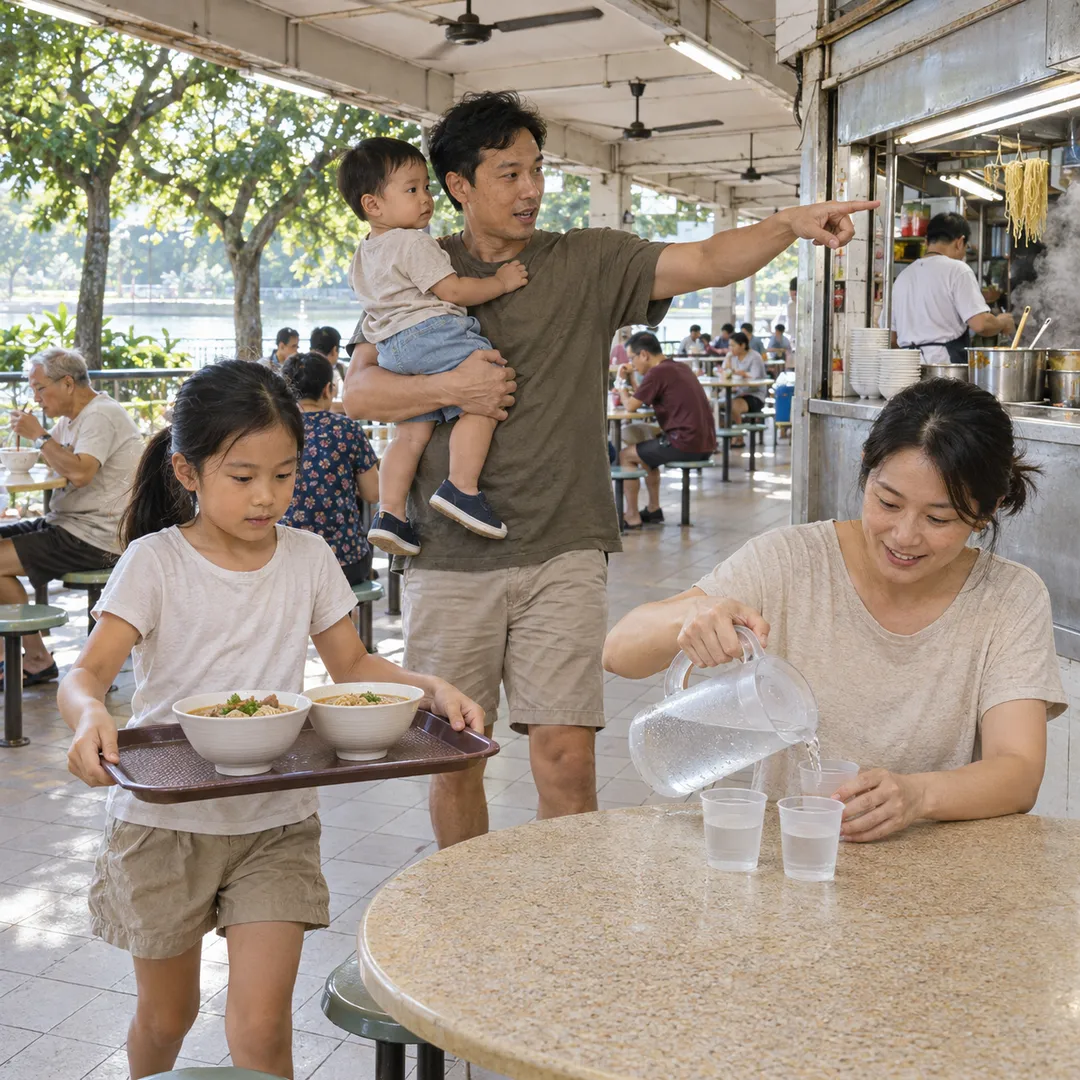 River Valley Food Market Grazing Route With Young Kids
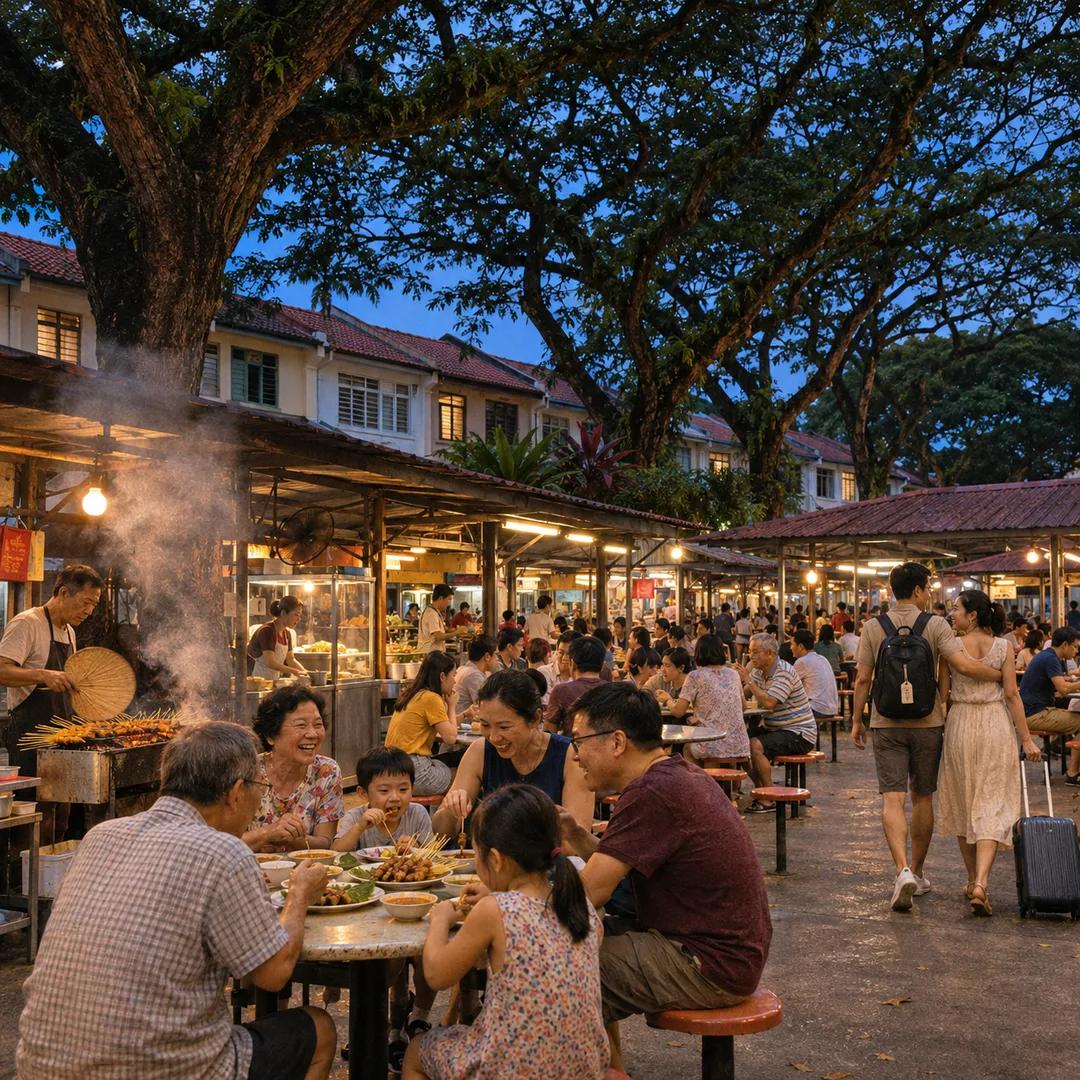 Serangoon Food Market Grazing Route for a Homecoming Weekend