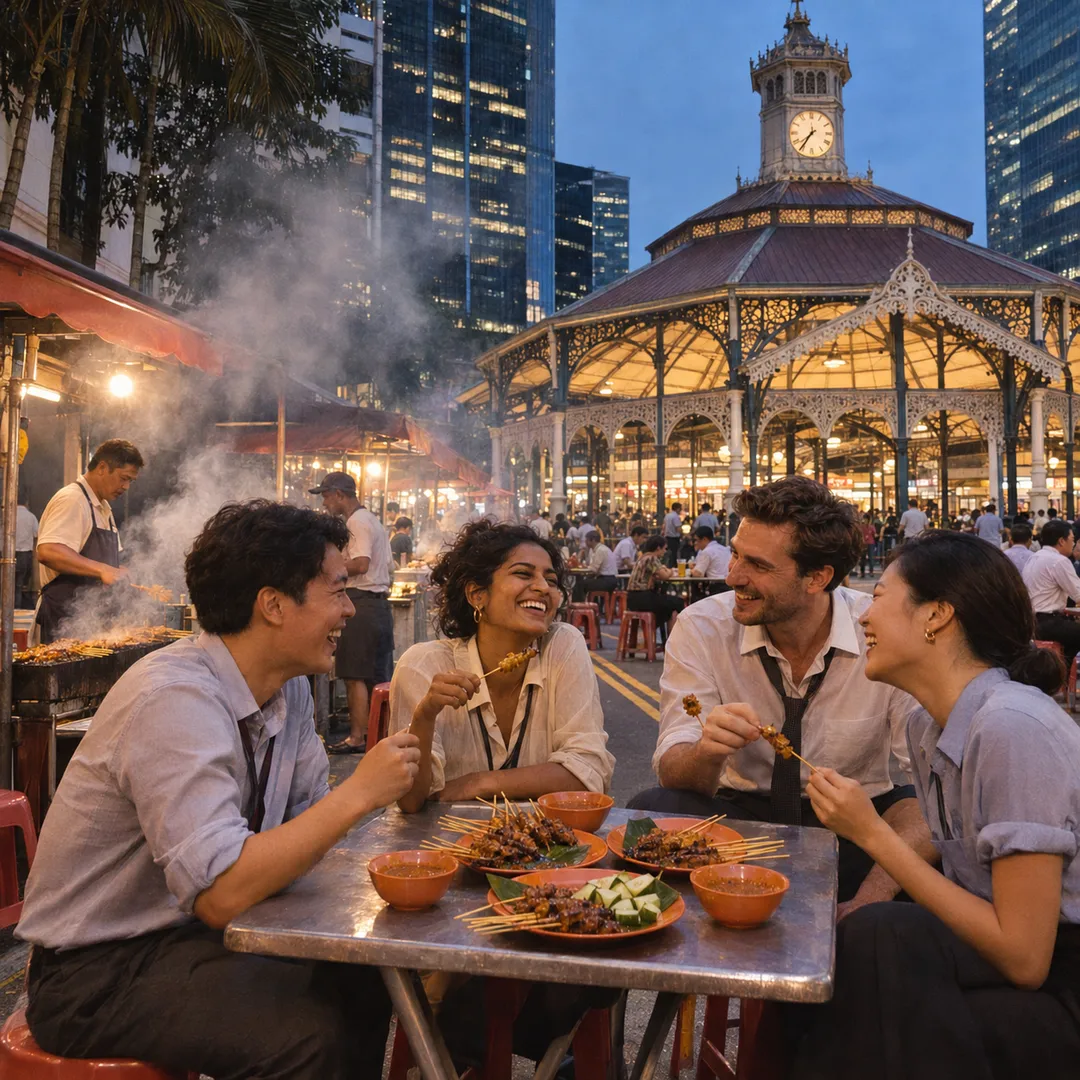
 Marina Bay Food Market Grazing Route After a Conference Day
Neighborhood Guides
Tiong Bahru Scenic Pedestrian Stroll: Art Deco Heritage Walk
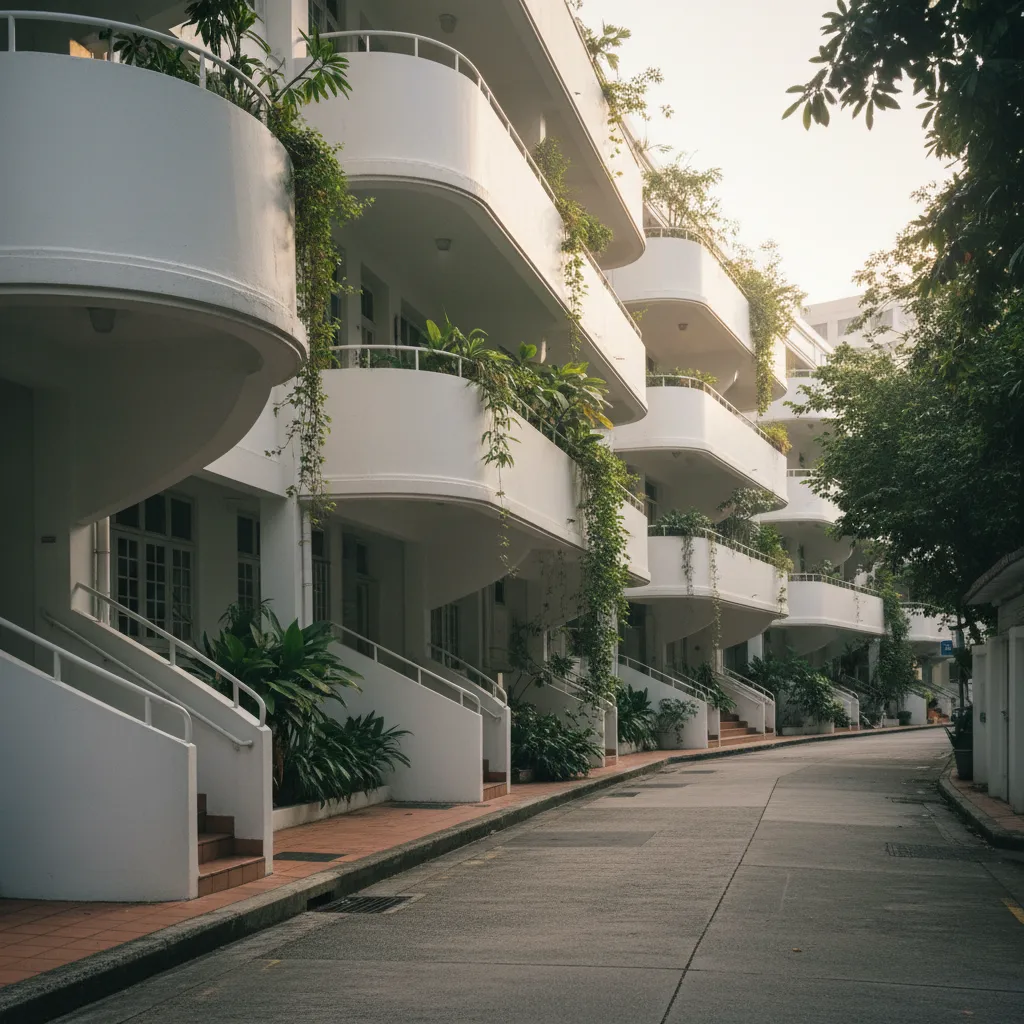
Explore rounded Art Deco corners, leafy rear lanes, and tranquil spiral staircases on a scenic pedestrian stroll through Singapore's historic Tiong Bahru.
Tucked southwest of the city center, Tiong Bahru offers one of Singapore's most tranquil and architecturally unique walking neighborhoods. Developed in the pre-war era as one of the island's earliest planned public residential estates, this low-rise enclave is celebrated for its distinctive Streamline Moderne and Art Deco architecture. Taking a scenic pedestrian stroll through its tree-lined horseshoe streets reveals an idyllic residential oasis where gentle curves, pedestrian footpaths, and lush community gardens take precedence over vehicular speed.

Unlike the soaring public housing estates found elsewhere in Singapore, Tiong Bahru's conserved core consists of graceful three-story and four-story apartment blocks. The street plan was laid out with generous setbacks, central courtyards, and dedicated pedestrian pathways that encourage outdoor living and neighborhood walking. The quiet residential atmosphere makes it an inviting destination for heritage enthusiasts and leisurely strollers.
Walking through Tiong Bahru feels like stepping into a serene architectural sanctuary. The low-rise scale of the apartment buildings allows sunlight to reach street-level gardens and public footpaths throughout the day, while generous tree planting provides continuous shade along the walking routes. The quiet residential streets foster a strong sense of local community, where neighbors gather outside morning cafes and children play safely along pedestrian plazas.
Streamline Moderne Curves and Nautical Elements
As you amble along Eng Hoon Street and Moh Guan Terrace, the neighborhood's signature architectural elements come into sharp focus. The buildings feature curved aerodynamic corners inspired by ocean liners, airplanes, and modern transport design of the early twentieth century. Sweeping cantilevered balconies, smooth rendered plaster walls, and continuous horizontal ledges give the streetscape a fluid, harmonious rhythm.
Looking closely at facade details reveals playful nautical touches, including circular porthole openings in stairwells, decorative fluted cornices, and fair-faced brick boundary walls. The soft cream and white color schemes of the apartment blocks contrast handsomely with deep green canopy foliage, providing photographers with elegant compositions framed by morning shadows.
The rounded street corners create soft visual transitions at every intersection. Instead of sharp ninety-degree turns, street corners gently wrap around the blocks, providing pedestrians with expansive panoramic vistas down connecting residential lanes. Lush tropical bougainvillea spills over private balcony walls, adding vibrant splashes of magenta and coral against the clean modernist masonry.
Tranquil Back Lanes and Sculptural Exterior Staircases
One of the greatest pleasures of walking in Tiong Bahru lies in wandering its rear service lanes. In many urban environments, back alleys are utilitarian and forgotten, but in Tiong Bahru they form peaceful public pedestrian passages lined with potted jasmine, bougainvillea, and tropical foliage tended lovingly by residents.
Here, the estate's iconic outdoor spiral staircases rise along the rear facades. Built with open concrete balustrades and slender central pillars, these exterior stairways served as fire escapes and daily access routes. Today, they stand as sculptural urban landmarks winding gracefully upward into the canopy of mature rain trees. Walking these quiet lanes offers an authentic glimpse into the community's domestic charm and unhurried tempo.
The service lanes are paved with clean concrete slabs and flanked by low garden walls. Birds nest in the overhanging angsana branches, and neighborhood cats often bask peacefully on sunny doorsteps. The human scale and absence of vehicular traffic in these rear lanes make them ideal for slow, contemplative walking.
The rear laneways also showcase thoughtful vintage architectural detailing, such as external rubbish chutes disguised with decorative vents and open-air drying balconies fitted with traditional bamboo laundry poles. These charming domestic features, framed by leafy container plants and weathered brickwork, provide walkers with a delightful window into the enduring neighborhood traditions of Singapore.
Community Squares and the Daily Market Pulse
Wandering toward the center of the estate brings pedestrians to the lively hub surrounding Seng Poh Road and Tiong Poh Road. Here, traditional provision shops, neighborhood bakery counters, and independent coffee roasters occupy ground-floor corner spaces, maintaining an active street life that complements the quiet residential blocks.
Tiong Bahru Market serves as the vibrant culinary heart of the precinct. Strollers can watch locals carrying fresh market goods and fragrant orchid bunches through the outdoor plaza. The surrounding sidewalks feature wide stone benches beneath flowering frangipani trees, offering inviting rest stops where pedestrians can sit, read, and soak in the neighborly ambiance.
Small open-air plazas situated between residential blocks provide shaded gathering grounds where elders play chess and neighbors greet one another in the morning cool. These shared public spaces reflect the thoughtful community-centered planning that makes Tiong Bahru such a resilient and enduring pedestrian neighborhood.
Gentle Morning Light and Shadow Formations
The architectural contours of Tiong Bahru are best appreciated under changing natural sunlight. During early morning hours, the low horizontal sun casts dramatic, curved shadows from the cantilevered balconies and spiral staircases across the smooth plastered facades.
As the morning unfolds, sunlight filters softly through the sprawling canopies of rain trees, dappling the sidewalks with shifting patterns of light and shade. This gentle illumination highlights the geometric precision of horizontal window ledges and fluted balcony walls, creating an exquisite walking environment for those who appreciate architectural form.
Photographers and flaneurs will find that morning walks through Tiong Bahru offer an ever-changing visual play of geometric textures. The interplay of smooth curved balconies, fluted column details, and vertical louvered vents creates a striking modernist rhythm against the blue equatorial sky, making every residential block an architectural discovery on foot.
Practical Walking Advice and Courteous Exploration
The most rewarding window for a scenic pedestrian stroll through Tiong Bahru is between eight and ten in the morning. Early hours provide mild temperatures, gentle natural lighting for architectural photography, and the lively morning bustle of the local market before the midday heat arrives. Late afternoons from four-thirty onward also offer pleasant conditions, as shadows lengthen and golden light bathes the curved balconies.
Reaching Tiong Bahru is straightforward by train. Tiong Bahru MRT Station on the East-West Line is an eight-minute walk to the west, while Havelock MRT Station on the Thomson-East Coast Line offers an easy five-minute walk from the north via Zion Road. Sturdy walking shoes are recommended for exploring the estate's footpaths, gentle stair flights, and paved back lanes.
Visitors are encouraged to walk with quiet consideration, as Tiong Bahru remains a cherished home for many long-term elderly residents. Keeping noise low in back lanes and avoiding intrusion into private residential stairwells ensures that the estate's peaceful character remains preserved. For customized neighborhood walking paths or recommendations on nearby quiet cafes, consulting the Karpo APP provides helpful conversational guidance for discovering Tiong Bahru's architectural treasures.
Ask Karpo for more information.
Keep reading
- Marina Bay Food Market Grazing Route After a Conference Day
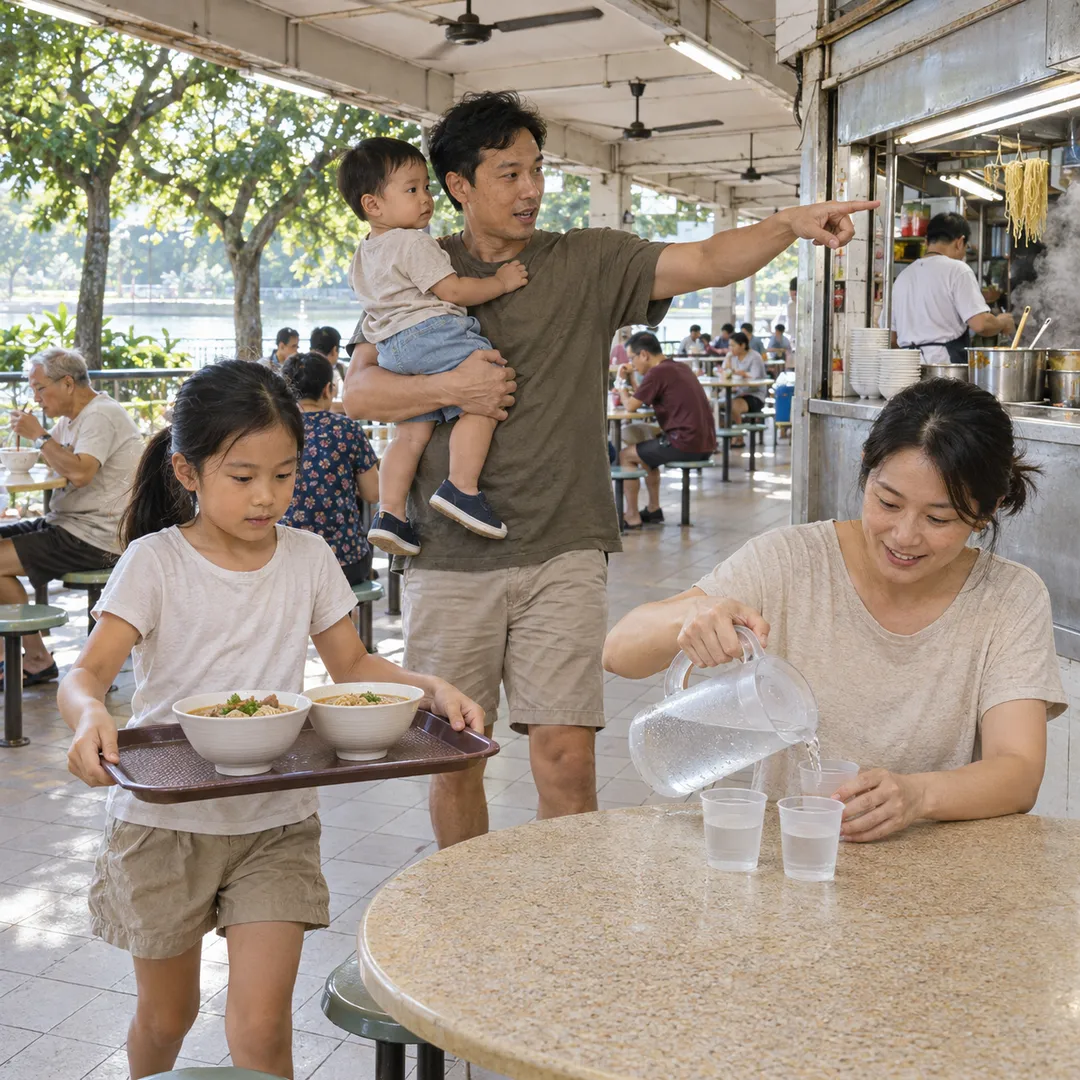 River Valley Food Market Grazing Route With Young Kids
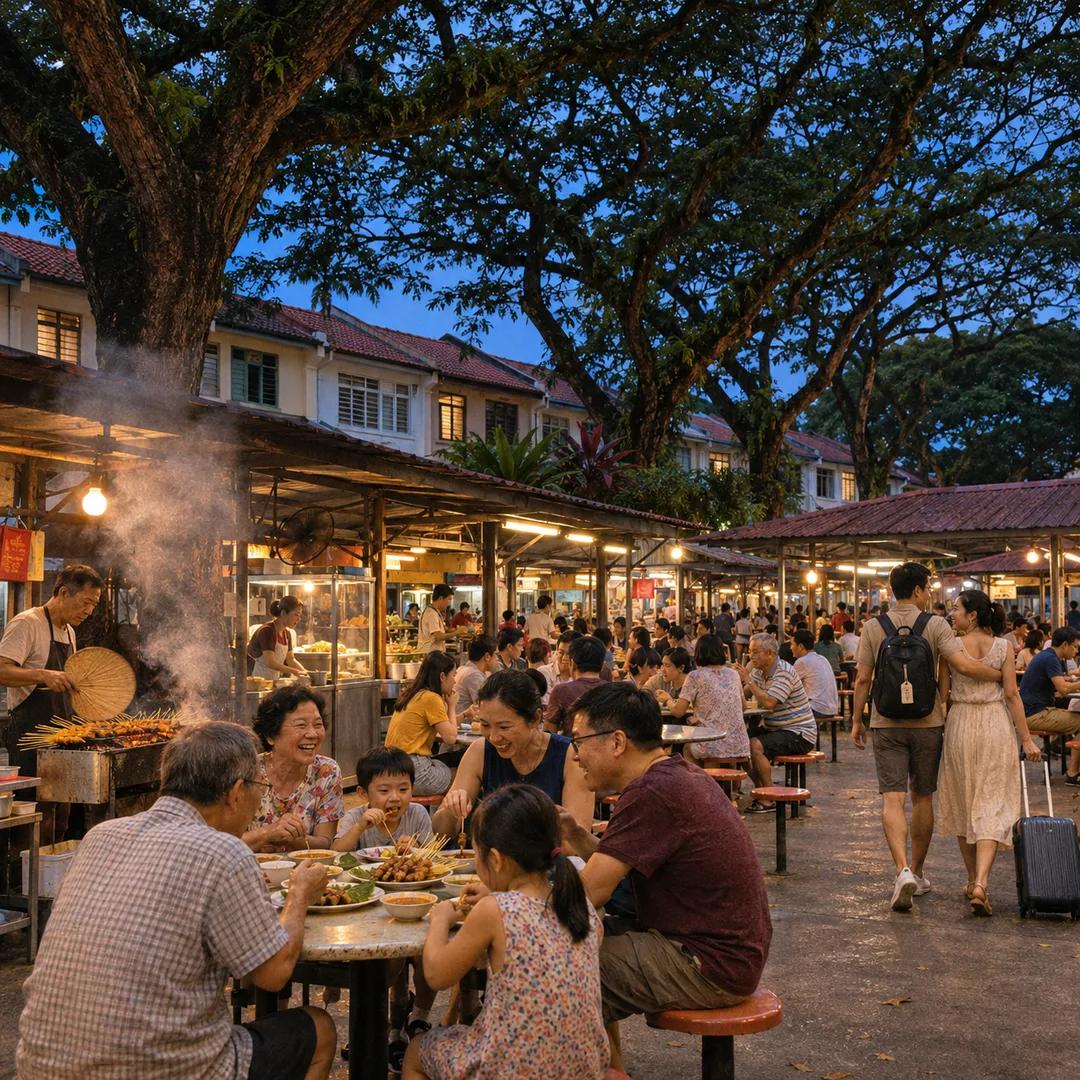 Serangoon Food Market Grazing Route for a Homecoming Weekend