 Tampines Board Game Cafe Night Picker for School Holidays
Bars & Nights Out
Tiong Bahru Sake Bar Night Picker: Drinking Japan's Autumn
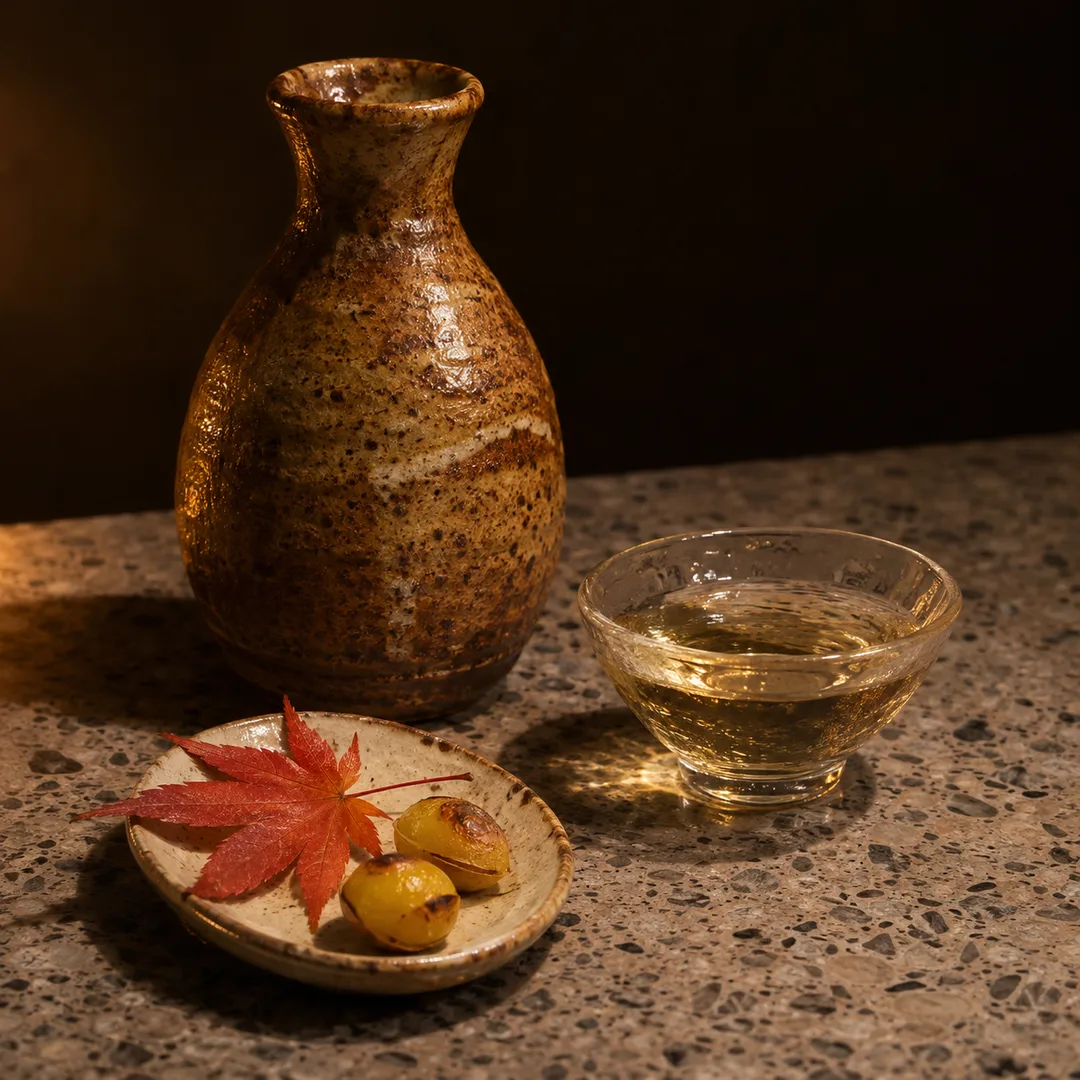
November is hiyaoroshi season, so a Tiong Bahru sake night can taste Japan's autumn: ask for the cellar-aged autumn release, then walk the Art Deco flats.
Singapore has one season, but sake has four, and November is when Japanese brewers release hiyaoroshi, the cellar-rested autumn sake. That makes this the month to use a sake bar night picker on Tiong Bahru. The low Art Deco estate near Outram is full of small cafes, bakeries and a handful of bars that take their pours seriously. Ask the bartender what autumn bottles they have in, drink one slowly, and you get a taste of maple-leaf weather without leaving the equator.
What Hiyaoroshi Actually Is
Most sake is pasteurised twice, once before storage and once before bottling. Hiyaoroshi skips the second step. It is brewed in winter, pasteurised once in spring, rested through the summer in cool tanks, then released in early autumn when the cellar and the air outside are the same temperature. The result is rounder and more mellow than fresh spring sake, with a softer edge and sometimes a hint of nuts or ripe pear. Bottles often carry a maple leaf or a moon on the label.
Reading the Sake Calendar From a Bar Stool
Once you know hiyaoroshi, the rest of the calendar falls into place. Shiboritate, the first pressing of new sake, starts appearing toward the end of the year and tastes bright, sharp and young. Spring brings fresh nama sake, unpasteurised and lively. Summer has natsuzake, light styles meant to be drunk very cold. Autumn has hiyaoroshi and akiagari, sake that has matured over summer. A good counter will usually have one or two of these on rotation.
In a city without seasons, this calendar becomes a reason to come back. A regular at a Tiong Bahru counter can taste the same brewery's sake in spring and again in autumn and notice how much it has changed. That kind of comparison is far more interesting than chasing the highest polishing ratio on the list.
Ordering Your Autumn Flight
Ask the bartender a direct question: do you have any hiyaoroshi or akiagari this month? If they do, order one glass chilled and, if they offer it, a second pour gently warmed. Autumn sake is one of the styles that changes most with temperature, and tasting both side by side shows you how warmth brings out the rice and softens the finish. If there is no autumn release, ask for a mature junmai instead, which gets you close to the same feeling.
Tasting Notes Worth Saying Out Loud
Bartenders respond well when you describe what you taste, even in plain words. Hiyaoroshi often shows a soft roundness at the front, a gentle umami in the middle and a short, calm finish. Say if it reminds you of steamed rice, cream, almonds or baked apple. Those small observations help the bartender pick the next pour, and they train your own palate faster than reading labels ever will.
Compare the chilled glass and the warm one in the same order each time: smell, a small sip, then a breath out through the nose. Most people find the warm pour sweeter and the cold one cleaner. Neither answer is wrong, and knowing which you prefer is the most useful thing you take home from the night.
Small Plates That Taste Like Autumn
Japanese autumn food leans toward mushrooms, chestnuts, grilled fish and root vegetables, and those flavours sit perfectly next to hiyaoroshi. Look for grilled shiitake, a piece of salt-grilled mackerel or sanma, roasted ginkgo nuts or a small dish of simmered daikon. Bars in Tiong Bahru often run short izakaya menus, so pick two or three plates rather than a full dinner. If nothing autumnal appears, grilled chicken skewers with salt rather than sauce work almost as well.
Who Drinks Sake in Tiong Bahru
Tiong Bahru's evening crowd is a mix of residents from the old flats, young couples who moved into the estate for its quiet streets, and people coming from the CBD a few stops away. Japanese expats from River Valley and Robertson Quay drift over for counters that remind them of home. The atmosphere is neighbourly: a counter of eight or ten seats where the bartender learns your name by the third visit and saves a bottle when the autumn shipment lands.
A Walk Through the Art Deco Flats
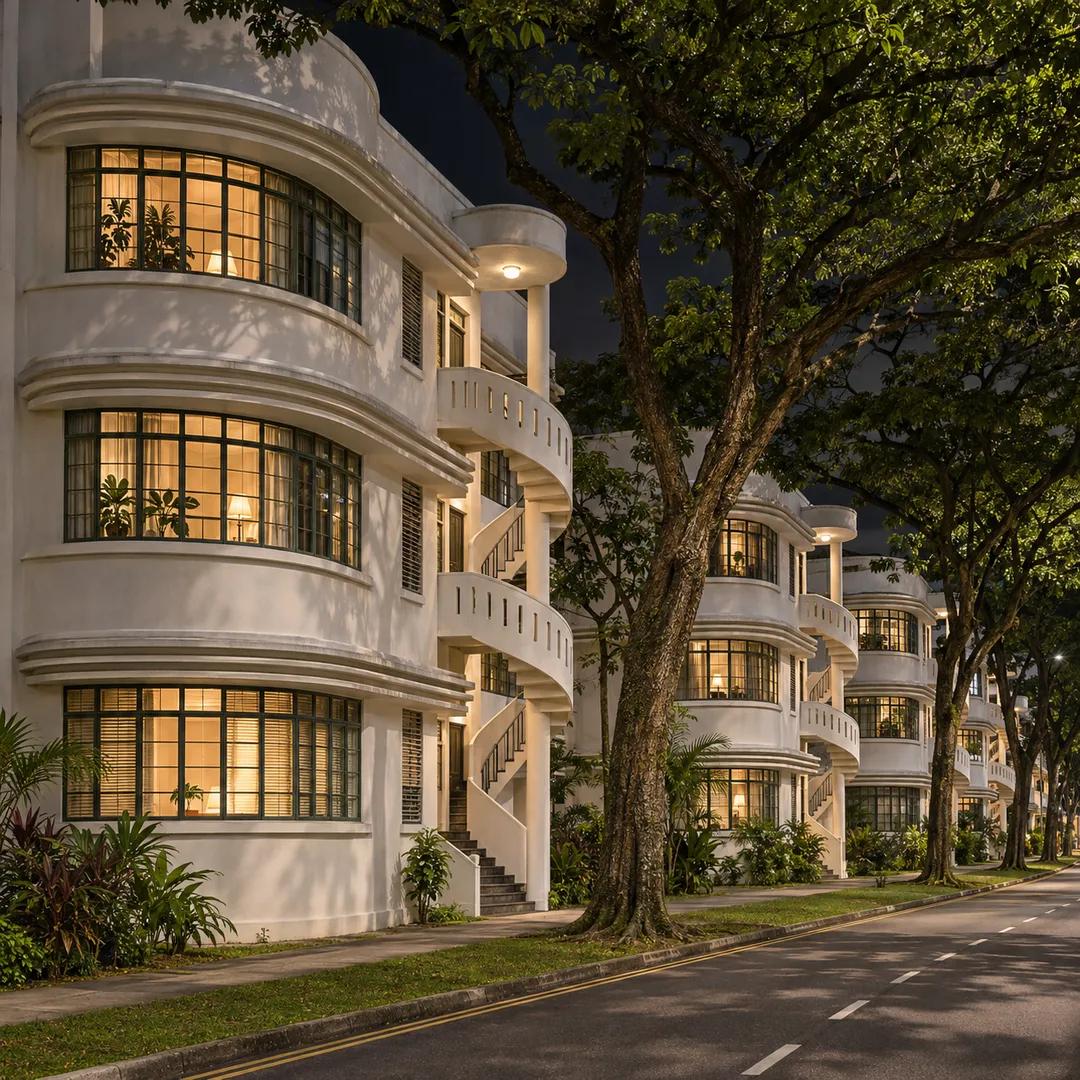
Before or after the bar, walk the estate itself. The pre-war blocks along Eng Hoon Street, Moh Guan Terrace and Guan Chuan Street were built in the Streamline Moderne style, with curved corners, horizontal ledges, round windows and spiral back staircases. At night the white walls glow under streetlights and the leafy streets go almost silent. The loop takes twenty minutes, and on a November evening after rain it is the closest Singapore gets to a cool autumn stroll.
Keep voices low on the walk. These are homes, many with families and older residents, and the quiet is part of why the neighbourhood feels special. Stick to the pavements, skip the back staircases, and save the sake debate for the next counter.
When to Go and What to Skip
Weeknights between Monday and Thursday give you the quietest counters and the most time with the bartender. Weekends bring brunch crowds who stay into the evening, and the small bars fill fast. Skip the autumn flight if you are only stopping for one quick drink, because the point is tasting slowly and comparing temperatures. Also skip big sparkling or very fruity daiginjo on this night. They are lovely, yet they belong to a different mood than autumn.
Plan B When the Counter Is Full
Tiong Bahru bars are compact, so if every seat is taken, ask to be called when one frees up and use the gap for the estate walk. Outram Park and the River Valley edge have more Japanese bars within a short ride. If it starts to rain, the five-foot ways under the shophouse arcades of Seng Poh Road keep you dry. The Karpo APP can help find another sake counter nearby when the first one is full.
Bringing the Season Home
If one autumn sake stands out, ask the bartender about the brewery and the prefecture it came from, and take a photo of the label. Many Japanese liquor shops in Singapore stock seasonal releases for a few weeks each year, and buying a bottle of the one you liked turns a single night into a small November ritual. Serve it at home with grilled mushrooms, and you will have your own little autumn in the tropics.
Small Habits That Make the Night Better
Order a glass of water alongside every sake and sip it between pours, a habit called yawaragi mizu. Pour for your companion rather than yourself if you share a carafe. Do not rush the warm pour, since it changes as it cools and the last sips often taste different from the first. Tipping is not customary in Singapore, so a thank you and a promise to come back for the winter shiboritate is the right way to leave.
Ask Karpo for more information.
Keep reading
- Tampines Board Game Cafe Night Picker for School Holidays
 Dhoby Ghaut Board Game Cafe Night Picker for a Second Date
 Chinatown Board Game Cafe Night Picker for Three Generations