 Katong Indoor Swimming Pool Lane: East Coast Lap Swim
Sports Social
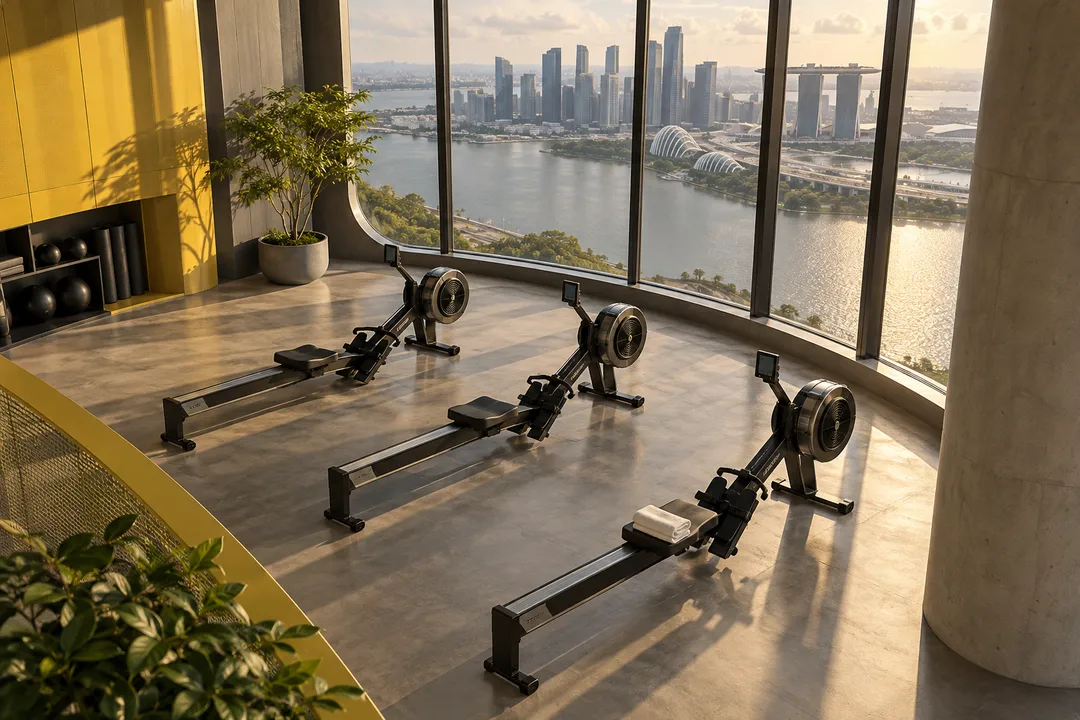
Singapore Rowing Fitness Studio: 2 Weekly Slots That Fit
Plan a Singapore rowing fitness studio routine around two realistic weekly windows, using your own calendar to separate preferred sessions from backups.
Build a Singapore rowing fitness studio routine around two windows you can actually protect in your own week. Put those windows in a personal calendar before buying recurring access. The aim is to distinguish a session you could attend on an ordinary day from one that depends on every meeting ending early. A preferred window and a fallback can support a routine without requiring two paid classes or a particular training frequency.

These AI-generated training-room details support a calendar-planning discussion and do not establish any provider’s equipment or timetable.
Audit the week you live rather than the week you imagine
Look back at a recent ordinary week and identify the periods that stayed usable. Include the time spent travelling, preparing and getting to the next obligation. This is a scheduling exercise, not a prescription about how often you should exercise. A person with changing shifts may find one dependable period more valuable than several optimistic ones. Another person may have regular free time but no convenient journey from that starting point.
For each possible window, write what would end it. Work, school pickup and an evening commitment create different boundaries. Use the moment you need to be ready for the next task, not merely the moment you need to leave the workout room. That distinction exposes preparation and travel that can otherwise disappear from a calendar. It also keeps the rowing idea tied to the actual week it must coexist with.
Choose a preferred window and a fallback
The first window is the one you would normally choose. The second is a fallback to consider when the first no longer works, subject to actual class availability and purchase terms. These are roles in your plan, not two guaranteed sessions. Do not buy an extra place to make a backup feel real. Start by understanding whether the same product can be used in either window and what changes would cost.
A sample Karpo APP request could be: “Help me organise indoor rowing around my Singapore workweek. I have two possible windows, but intend to choose only one session at a time. Compare the travel and preparation each would require.” Provide the times from your own calendar and the candidate descriptions you have. This is a conversation about choices, not permission for an app to book or rearrange your week automatically.
Compare windows using the same full journey
Use one consistent definition of the outing: leaving the starting point, reaching the required arrival, attending and becoming ready for the next destination. Comparing one option’s class length with another option’s entire journey produces a misleading result. Put the same elements beside both. You can write personal estimates, but label them as estimates you chose. Do not present them as published studio or transport timings.
For example, a hypothetical office-based window may have an easy arrival but require carrying used kit home. A home-based window may simplify packing while needing a separate trip out. These are different burdens rather than automatic winners. Name which one you mind less. A calendar plan becomes useful when it captures the friction that might stop you repeating the outing, instead of measuring only the exercise period.
Give each window a reason to survive
Ask what makes the preferred window dependable. Perhaps it starts from the same place each week or follows an obligation that rarely moves. Then ask the same question about the fallback. If both depend on the same unpredictable meeting, the second is not much of a backup. Choose a different kind of opening where possible. The point is to reduce shared failure conditions in your own schedule, not to predict how a studio operates.
Keep a modest standard for success. One attended session that fits comfortably can tell you more than an ambitious recurring plan abandoned immediately. This is particularly useful when you have not yet tried the class format. The routine is a practical experiment in attendance, travel and enjoyment. Any decisions about exercise volume or personal suitability sit outside this scheduling method and should not be inferred from the two-window example.
Buy access only after comparing usable occasions
When a provider publishes a pack or subscription, compare it with the number of occasions you can realistically use before the relevant deadline. A headline number of credits is not the same as usable attendance. Restrictions on times, location or participant eligibility matter when stated. Keep them attached to the product throughout the comparison. Dropping a restriction for the sake of a neat calculation changes the thing you are evaluating.
You can ask for help organising the terms and the calendar information you supply, but do not expect a planning conversation to create attendance opportunities. If your second window is only occasionally free, do not count it as a guaranteed extra visit. Skip a larger package whose appeal depends on suddenly finding more time. A smaller commitment can be the more coherent choice even when its nominal price per session is higher.
Create a simple rule for a disrupted week
Choose a personal decision point before you normally purchase or change a booking. At that point, decide whether the preferred window still works and whether the fallback meets the actual provider’s terms. The decision point is yours, not a universal cancellation deadline. Use the specific product’s rules for any financial consequences. This keeps a tidy calendar habit from being mistaken for an entitlement to move a reservation without cost.
If neither window works, allow the week to remain unbooked. Trying to rescue a routine through a third rushed journey can make the whole plan less sustainable. A missed opportunity is different from a failed membership, particularly before you have bought one. Keep the next decision small and factual: is there an occasion you can use, does its format suit you and is the commitment acceptable? Those questions remain useful when the week changes.
Practical Notes for reviewing the experiment
After an attended session, record when you left, what preparation took effort and whether the next obligation felt rushed. These are observations about your day. Use them to improve the estimate for the same starting point rather than advertising a route time to other people. A single note about carrying shoes can be more useful for repetition than a broad verdict that the studio was convenient.
Review the two windows after you have enough experience to recognise a pattern. Keep the one that actually works and replace a fallback that repeatedly fails for the same reason. There is no requirement to turn the exercise into a permanent weekly contract. A sustainable plan can remain a sequence of individual choices, each based on a real opening in your calendar and a clearly understood purchase, rather than a routine maintained to justify unused credits.
Ask Karpo for more information.
Keep reading
- Katong Indoor Swimming Pool Lane: East Coast Lap Swim
 Chinatown Indoor Swimming Pool Lane: Singapore Lap Guide
 Telok Ayer Indoor Swimming Pool Lane: Singapore CBD Lap Swim