 Katong Indoor Swimming Pool Lane: East Coast Lap Swim
Sports Social
Singapore Rowing Fitness Studio: 3 Sound Needs To Explain
Find a Singapore rowing fitness studio suited to your sound preferences by separating music, spoken cues and group size in a focused class enquiry.
Describe three sound preferences when choosing a Singapore rowing fitness studio: music, spoken instruction and the number of people sharing the session. A bright photograph cannot answer how a room sounds, and an energetic description does not tell you whether every direction is easy to follow. Start with the conditions that help you understand a workout, then turn them into specific questions about candidate classes rather than assuming a particular atmosphere from their marketing.
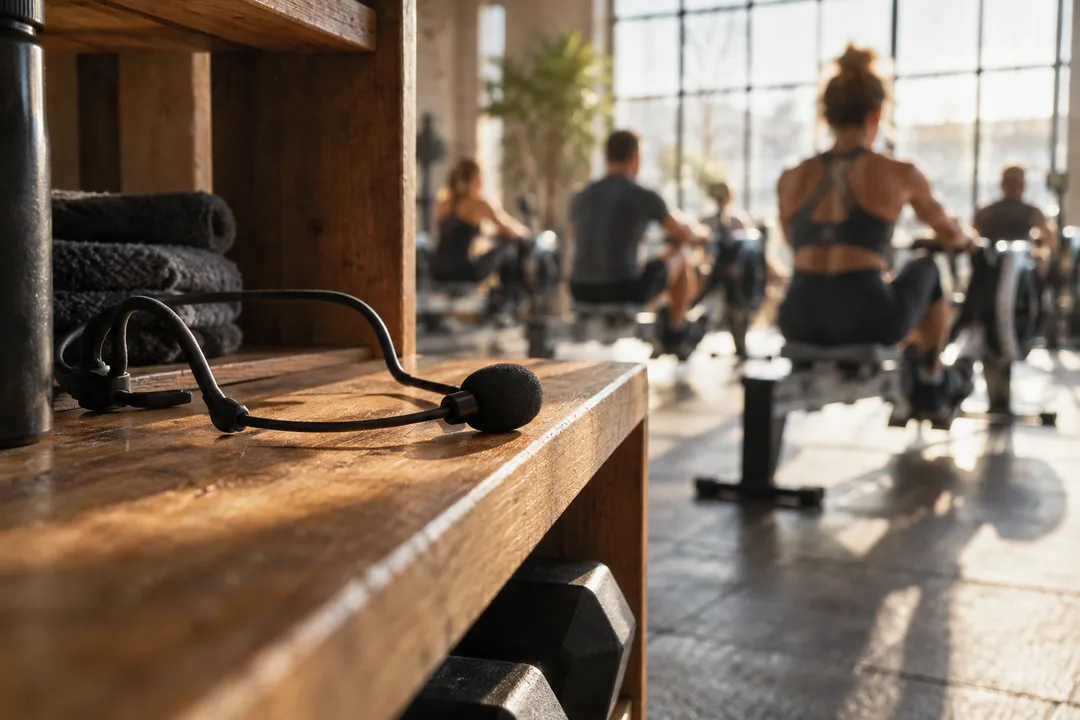
Illustrated acoustic panels and teaching equipment are generated concepts and make no claim about the sound conditions of a real gym.
Separate an enjoyable soundtrack from understandable teaching
Music preference is personal, but understanding the instructor is a practical requirement. Write down which matters most to you: hearing explanations, avoiding amplified music or keeping conversation possible before and after exercise. These are different requests. Someone can enjoy music and still want a quiet equipment introduction. Another person can prefer a sociable group while finding a loud soundtrack distracting. A single word such as calm does not communicate either need clearly.
Be precise about the moment that matters. You might want a spoken explanation before the main session, visible demonstrations during it or time to ask a question afterwards. Do not infer those arrangements from the presence of an instructor in a picture. When a class description specifies its teaching method, use that wording in your comparison. Otherwise, ask about the method directly instead of labelling the whole venue suitable or unsuitable.
Build a request around how you learn
A useful Karpo APP prompt might be: “Help me plan indoor rowing in Singapore. I want to understand the setup without competing with loud music, and I prefer clear demonstrations. Organise the questions I should ask about a class.” This is an example of expressing preferences in conversation. It is not a claim that the app holds noise measurements, live attendance figures or a special sensory filter for local studios.
If you already have two class descriptions, provide the relevant passages and compare what each actually says. Keep your wishes in one part of your notes and provider statements in another. “I would like an unhurried introduction” is a wish. “The description includes an introductory explanation” is a statement you can attribute to that description. Confusing the two can make an appealing option seem more firmly established than it is.
Ask about music without inventing a decibel score
A specific enquiry can ask whether amplified music plays during the introduction and whether the coach gives spoken directions over it. Those questions produce information about the experience without requiring a technical sound rating. Avoid attaching labels such as silent, low volume or sensory friendly unless the provider actually uses and explains them. Even then, retain the explanation. A label is less useful than knowing which part of the session it describes.
Do not assume headphones solve an instruction problem. They can change what you hear, including directions you may need to follow. If you use any personal equipment, discuss its compatibility with the class rather than treating it as a universal workaround. The purchase decision is about whether the session’s teaching arrangement suits you. It should not depend on improvising a way to ignore the environment after you have already arrived.
Spoken cues and demonstrations are separate evidence
Ask how an instructor communicates a change of activity. Spoken cues, demonstrations and written instructions can each serve different purposes. A person who understands a demonstration well may still need a spoken explanation of what happens next. Request only the support relevant to your own participation. There is no need to build an exhaustive checklist of teaching methods if one clear explanation would resolve the decision you are trying to make.
Where the provider offers a direct conversation before purchase, use it to describe the practical situation. For instance, say that you need to hear machine setup clearly rather than disclosing more personal information than you want to share. The provider can then respond about the actual class. A planning article cannot establish an accommodation on their behalf. Keep any agreed arrangement with the booking information so it is not lost among general promotional text.
Group size changes the question you ask
A smaller session and a quieter session are not synonyms. Fewer people can still exercise to amplified music, while a larger group might receive a separate introduction. Compare the published format, not a guessed relationship between headcount and noise. If class capacity is not stated, leave it out. Ask whether the instructor has a defined opportunity to introduce newcomers, which is often closer to the learning question you started with.
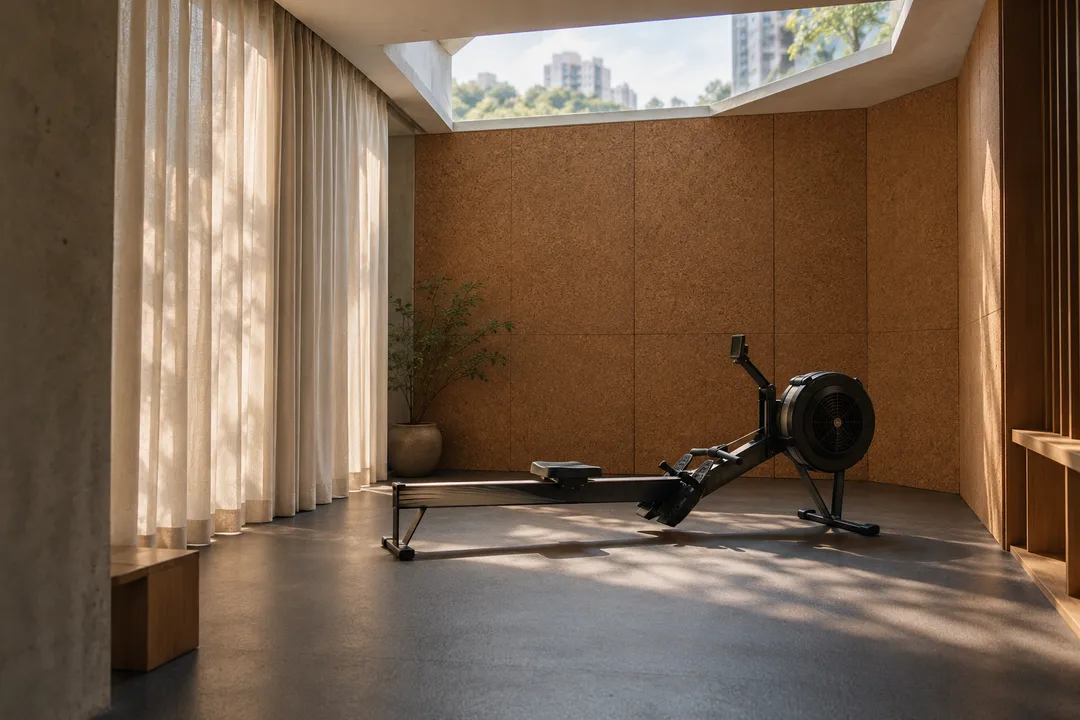
A photograph taken in an empty room is particularly weak evidence of how a full session feels. Generated images accompanying this planning task are illustrations, not measurements or records of a provider’s conditions. Use images to understand the topic, then use actual descriptions and direct answers for the purchase. That separation matters here because a visually peaceful interior can invite stronger assumptions than a page of plain factual text.
Choose a format that resolves the important issue
After collecting answers, identify the one condition you cannot compromise on. It could be a clear introduction, a particular teaching language or the ability to ask a question without rushing. Rank candidates against that condition before considering decor or location. If none addresses it, postpone the purchase or consider a different format. A class with an attractive mood is not a useful bargain when its teaching cannot meet the purpose of your visit.
Skip any package that requires several visits before you have experienced the environment you are buying. A single session, where genuinely offered, can be a smaller decision. It still needs to suit your requirements before purchase. An individual introduction could be another option if a provider publishes one, but do not assume private teaching is quiet or automatically available. Compare its stated arrangement with your actual need rather than relying on the word private.
Practical Notes for keeping the answer usable
Save the answer that resolved your enquiry alongside the selected session identity. Record the relevant detail, such as when instructions are given, rather than summarising the whole exchange as “sounds good.” Bring only equipment consistent with the provider’s guidance. On arrival, use the arrangement you discussed instead of assuming every instructor has read a separate conversation. A concise restatement can make the transition from enquiry to participation clearer.
Afterwards, describe what helped you learn and what interrupted it. A useful note might distinguish a clear introduction from a distracting middle section. Do not turn one visit into a universal rating of all the provider’s classes. The next decision can use that observation and a more focused question. The aim is choosing a setting where you can understand the workout, with your preferences stated clearly enough to inform a real booking.
Ask Karpo for more information.
Keep reading
- Katong Indoor Swimming Pool Lane: East Coast Lap Swim
 Chinatown Indoor Swimming Pool Lane: Singapore Lap Guide
 Telok Ayer Indoor Swimming Pool Lane: Singapore CBD Lap Swim