 Chinatown New in Town Weekend Planner: Errands and Temples
Weekend Plans
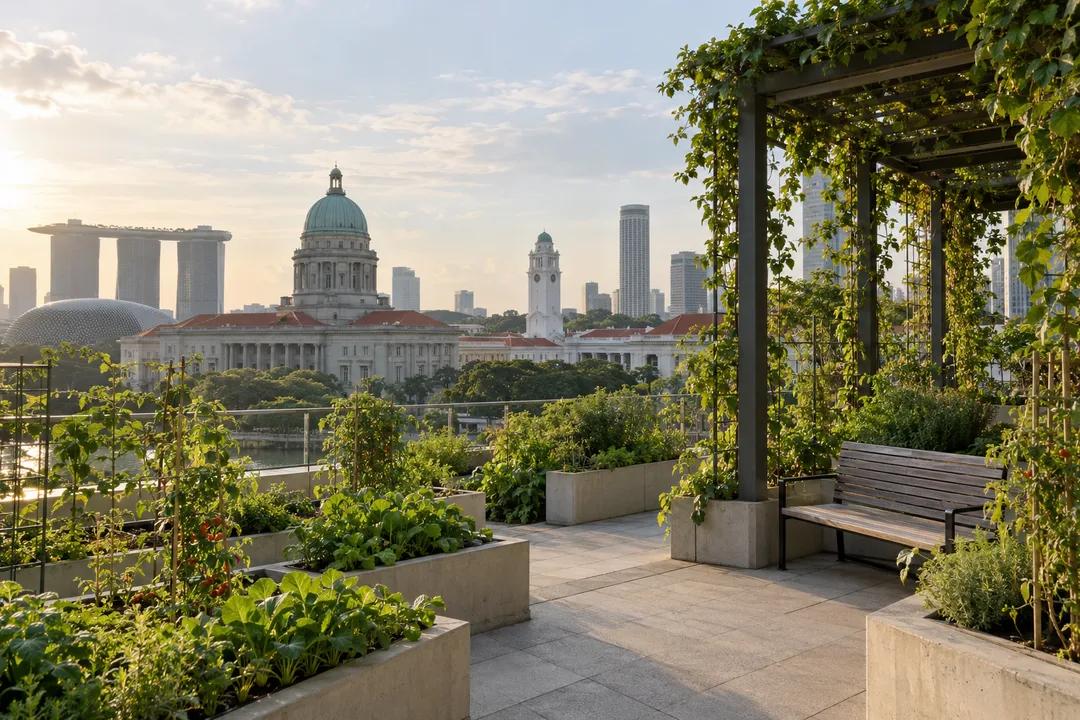
Singapore Rooftop Botanical Terrace: Funan Green Loop
Plan a Funan rooftop botanical terrace outing in Singapore with a documented urban-farm anchor, calm pacing, and a flexible Civic District finish.
Funan's documented rooftop farm, associated with Edible Garden City, gives a Singapore rooftop botanical terrace plan a concrete Civic District anchor. Begin by naming the mood: a shaded reset after errands, a visual prompt for children, or a quiet opening before museums and streets. Put that choice into Karpo APP so the route brief protects attention instead of collecting every nearby stop.
Start With The Kind Of Green You Need
At the Funan rooftop farm, choose one lead question for the first ten minutes. Notice which leaf shape feels most unfamiliar, where hard architecture softens, or what sound changes beneath planting. A single question gives companions a shared task and helps the route brief stay focused on one short loop.
The most useful filter is walking tolerance. A low-walking plan can stay on one elevated level, use a nearby lift, and finish with a seated pause. A higher-energy plan can add a street-level block and a second visual change. Describe the limit plainly in Karpo APP; the tool can compare compact, moderate, and generous routes without pretending to know live crowd levels.
For a first visit, keep the opening loop deliberately small. Look from the entry, move toward the densest planting, then stop before the group starts photographing every angle. That pause is where people decide whether they want botany, architecture, or people-watching. If the answer changes, the next recommendation can change with it instead of forcing the original itinerary.
Families can make the terrace a texture hunt. Find one leaf with a serrated edge, one support that helps a plant climb, and one surface that reflects light. These prompts work for adults too, especially when a child has finished asking for snacks. Put the prompt in the route brief as the first activity, then let the route end somewhere less structured.

Turn Small Observations Into A Route
Solo visitors often need less information, not more. Pick a bench or quiet edge as the anchor, allow one short loop, and choose a second stop only after the first view has settled. A plan that leaves ten unscheduled minutes feels more restorative than one that fills every gap. Use the route brief to keep that buffer visible when options multiply.
Couples can turn the garden into an easy opening conversation. Each person chooses a detail to point out, then you compare whether the next leg should be cultural, architectural, or simply a seat in the shade. The route gains a small act of co-authorship. It is more memorable than silently following a checklist of attractions.
Photographers should vary distance rather than collect identical wide frames. Start with a leaf against a civic façade, move close to a railing or planter edge, and finish with one human-scale view of the path. Tell the app that you want changing foregrounds and moderate walking. That constraint produces a sequence, not a folder of near-duplicates.
If the weather turns humid, preserve the green anchor and shorten the exposed street section. A route can lose one stop and still feel complete when the first terrace does the emotional work. Ask for shade, indoor links, and a clear regroup point. Avoid language that promises live weather or availability; the tool should organize choices, not claim certainty.
Leave Room For The Civic District
The Civic District is strongest as a second act after the plants have set the pace. Move from soft leaves to civic façades, a shaded arcade, or a public square, then stop. One contrast is enough. Adding every museum, café, and landmark would dilute the rooftop botanical terrace into a generic downtown crawl.
When a group is tired, choose the return path before choosing another attraction. A simple loop back to transit can be more valuable than one extra recommendation. Put the exit preference into Karpo APP, such as “short, shaded, easy to recognize,” and keep the final leg optional. The plan should end before conversation becomes logistics.
There is one honest reason to skip this format: it is a poor fit for people who want wild nature or a timed thrill. An urban terrace offers designed planting, close observation, and a gentle city contrast. Choose it when the pleasure comes from noticing small changes, not from collecting dramatic viewpoints.
A rainy version should keep the garden as the opening image and make the onward walk conditional. If rain persists, use one indoor cultural stop; if it breaks, add a short public-space loop. That branching logic is a real planning task Karpo APP can organize. It does not require a promise that every passage or facility is open.
Build A Reusable Route Brief
Build a route brief with four fields: mood, walking limit, preferred light, and desired finish. “Quiet green start, low walking, soft shade, finish near transit” is more useful than “show me rooftop gardens.” The clearer the trade-off, the easier it is to compare a contemplative plan with a social one.
Keep food and shopping as optional layers. A terrace visit can stand alone, and the route should not turn a green pause into a reason to cross the district repeatedly. If hunger matters, ask for one nearby stop after the garden; if it does not, keep moving while the visual thread is fresh.
Use a visible regroup rule when traveling with friends. Decide that everyone meets at the first clear lift lobby, stair landing, or street corner named in the route. The point is not to invent a venue detail; it is to make the plan resilient when people browse at different speeds and signals become hard to hear.
End With One Clear Observation
Practical notes are modest but useful: carry water, wear shoes suited to standing, and leave room for a short pause without blocking circulation. Bring a small notebook if observation helps you slow down. Keep the group’s first decision simple. A rooftop botanical terrace rewards patience, so protect the minutes when nobody has to choose.
Write two route options in Karpo APP: a weekday reset with one loop and a weekend plan with one onward contrast. Change only the walking tolerance or finish. This makes the same search useful across different moods without pretending the tool knows which route will be quiet at a particular minute.
Before leaving, name the detail that made the terrace feel different from street level: a repeating leaf, a cooler pocket of shade, or the way concrete framed the sky. That observation gives the outing a clear ending. It also provides a better seed for your next rooftop botanical terrace search than a generic rating.
Ask Karpo for more information.
Keep reading
- Chinatown New in Town Weekend Planner: Errands and Temples
 Kampong Glam New in Town Weekend Planner: Mosque to Murtabak
 Holland Village New in Town Weekend Planner: Meet People