 Sentosa Christmas Light Up Walk Planner for Young Families
Free Things to Do
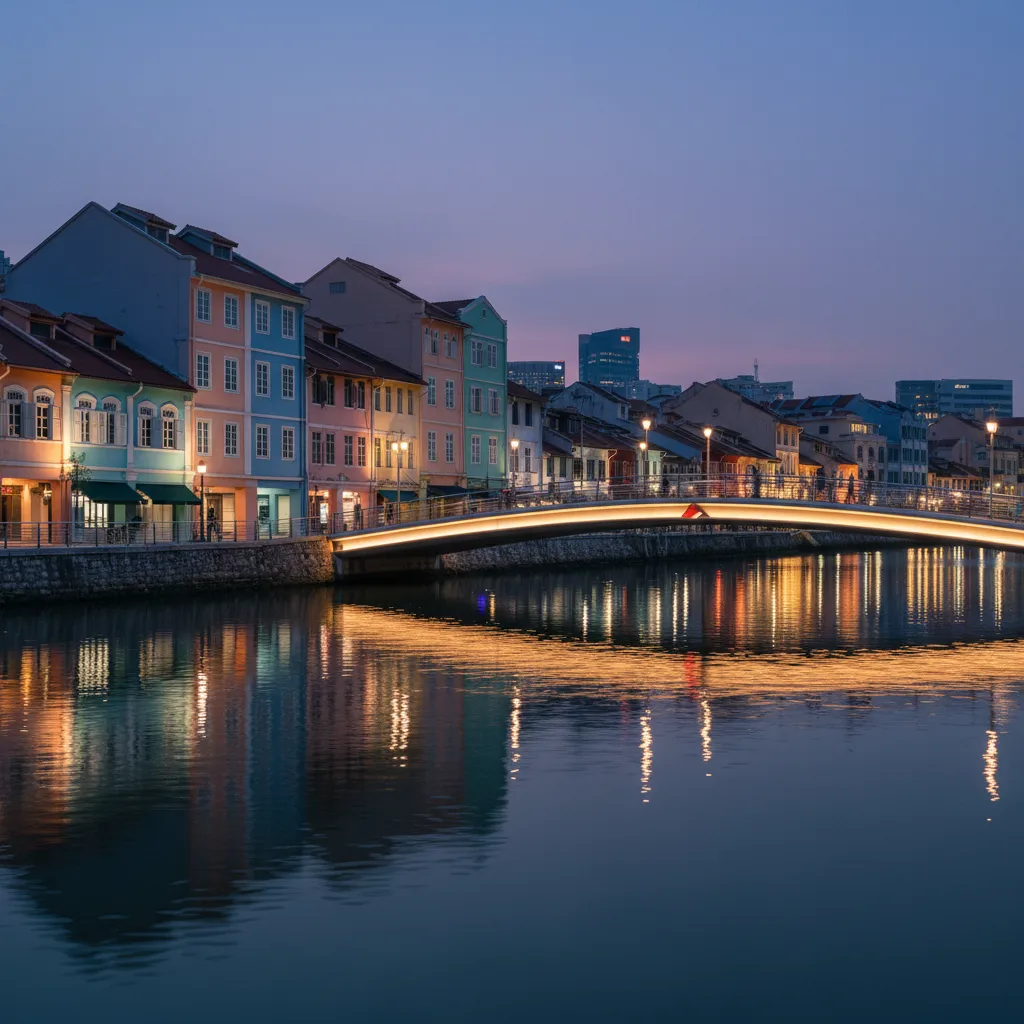
Clarke Quay Riverside Walk Planner: Old Bridges After Dark
A night walk through Clarke Quay that treats each old river bridge as a chapter, from warehouse quays to iron spans and lantern reflections on the water.
Clarke Quay is best known as a place to eat and drink by the Singapore River after dark, and most people never stray far from their table. This riverside walk plan offers another way to spend an evening here. Instead of settling in at one spot, you walk the river bridge by bridge and treat each crossing as a chapter in the story of the old trading port. It is free, it takes about an hour and it turns a familiar nightlife district into a living history lesson.
The River That Built the City
Long before the restaurants and the neon, this stretch of the river was the busy heart of trade. Small boats called bumboats carried goods from ships anchored at sea up the river to the warehouses, known locally as godowns, that lined the banks. Workers loaded and unloaded sacks of rice, spices, rubber and other cargo by hand, and the riverbanks rang with noise from dawn to dusk.
When trade moved to modern ports, the river was cleaned up and the old godowns were restored and painted in bright colours. Today they hold bars and restaurants, but the shape of the old quays is still there if you look for it. Low rooflines, wide doorways and sturdy walls all hint at the buildings' working past. Keeping that history in mind as you walk makes the bright lights feel like the latest chapter of a long story.
Chapter One: The Riverside Quay
Begin in the middle of Clarke Quay itself, among the restored godowns. Arrive just after sunset, when the sky is deep blue and the lights are coming on. Before you set off, stand by the water and look at the row of buildings on the far bank. Try to imagine them with bare walls, open doors and workers carrying cargo. The contrast with the present scene is the first lesson of the walk.
Then walk to the nearest bridge. As you cross, pause halfway and look both up and down the river. From here you can see how the river bends, and why it made such a good sheltered harbour for small boats. Watch the modern bumboats that now carry tourists instead of cargo, their lights tracing slow lines on the dark water. The boatmen still steer close to the banks, just as the cargo crews once did.
Chapter Two: The Iron Spans
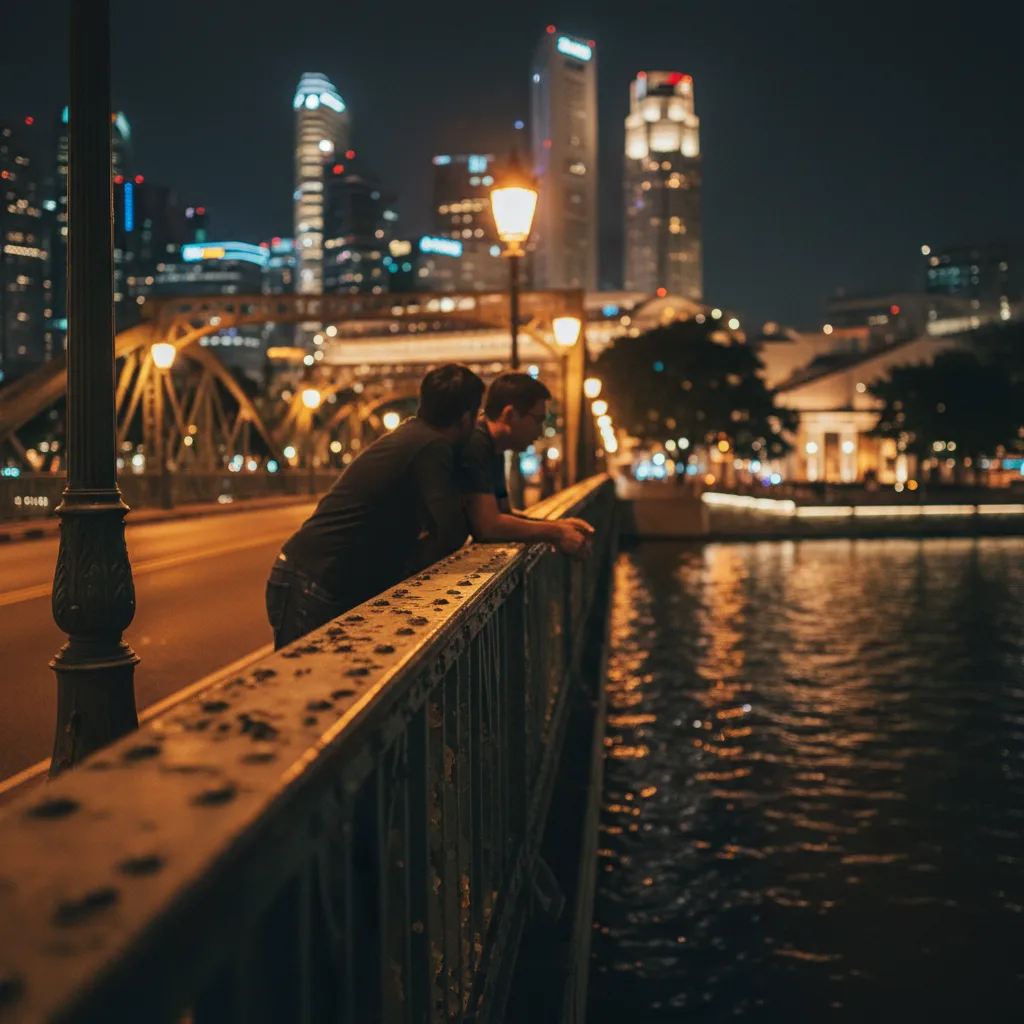
Further along, you will reach older bridges with iron frames and decorative railings, built in a time when the river was still full of working boats. Their shapes are quite different from the sleek modern crossings, and at night their painted ironwork glows under the lamps. Take a moment to run your hand along the rail and notice the rivets and curves, details that tell you how they were made.
One of these old bridges has long been a meeting point for storytellers and evening strollers, and it is still a lovely place to linger. Lean on the railing, look down at the reflections and listen to the mix of languages, laughter and music drifting across the water. It is one of the most atmospheric spots on the river, and it gives the walk a natural pause halfway through.
Chapter Three: Towards the River Mouth
Continue downstream towards the mouth of the river, where it opens into the bay. Here the old shophouses and godowns give way to grand colonial buildings and modern towers, and you can see how the city grew outward from the river. Crossing the bridges in this stretch, you move from the old merchant town to the civic heart of the colonial city, all within a few minutes on foot.
Along the banks in this area, look for bronze sculptures of figures from the river's past, including merchants, coolies and children jumping into the water. They are easy to miss in the dark, but they bring the old river vividly to life. Many visitors stop to photograph them, and they make a good final chapter before you turn back towards the lights of Clarke Quay.
Making the Walk Your Own
You can walk the chapters in any order and stop wherever you like. Some people prefer to start at the river mouth and finish at Clarke Quay with a drink, which turns the history walk into a natural lead-in to the evening. Others like to cross every bridge in turn, zigzagging from one bank to the other, so that they see each building from both sides of the water.
If you are walking with friends, give each person a bridge to research beforehand and let them tell its story when you arrive. It turns the walk into a shared game and makes everyone look more closely. Children enjoy counting the bridges, spotting the sculptures and guessing what each old godown once stored. A simple walk becomes far more memorable when everyone is looking for something.
Who This Walk Is For
This plan suits history lovers, first-time visitors who want to understand the river beyond its nightlife, couples looking for a romantic evening stroll and groups of friends who want something to do before or after dinner. The paths along the river are flat and well lit, so it works well for most walkers, and there are plenty of benches where you can rest along the way.
It is not the walk for anyone looking for a quiet, natural setting. Clarke Quay is lively, sometimes loud, and the riverbanks fill up with people on weekend evenings. If you prefer peace and greenery, try a park walk in the heartland or a dawn walk around the bay. If you enjoy the buzz of the city at night and want to give it some depth, this walk is ideal.
Practical Notes and Where to Eat After
Wear comfortable shoes, since you will be on your feet for an hour or more, and bring water. The evening air is warm and humid, and light rain is common, so a small umbrella is useful. Weekday evenings are calmer than weekends, which makes it easier to stop on the bridges without crowds. A phone camera is enough to capture the reflections, but steady your hands on the railing for sharper night shots.
When the walk is done, you will be surrounded by places to eat, but the riverside spots can be busy and noisy. If you would rather find something quieter, open the Karpo APP to look for a hawker centre or a small restaurant a few streets back from the water, then save the ones that suit your mood. Ending the evening over a simple meal is a fitting close to a walk about the people who once worked this river.
Ask Karpo for more information.
Keep reading
- Sentosa Christmas Light Up Walk Planner for Young Families
 Tanjong Pagar Christmas Light Up Walk Planner for Teams
 Bugis Christmas Light Up Walk Planner for Interfaith Friends