 Marina Bay Food Market Grazing Route After a Conference Day
Neighborhood Guides
Tanjong Rhu Riverside Dockland Walk: Bridges, Shade, Choice
Build a Tanjong Rhu riverside dockland walk around bridge views, shaded pauses, and a return choice that keeps heat from dictating the whole outing.
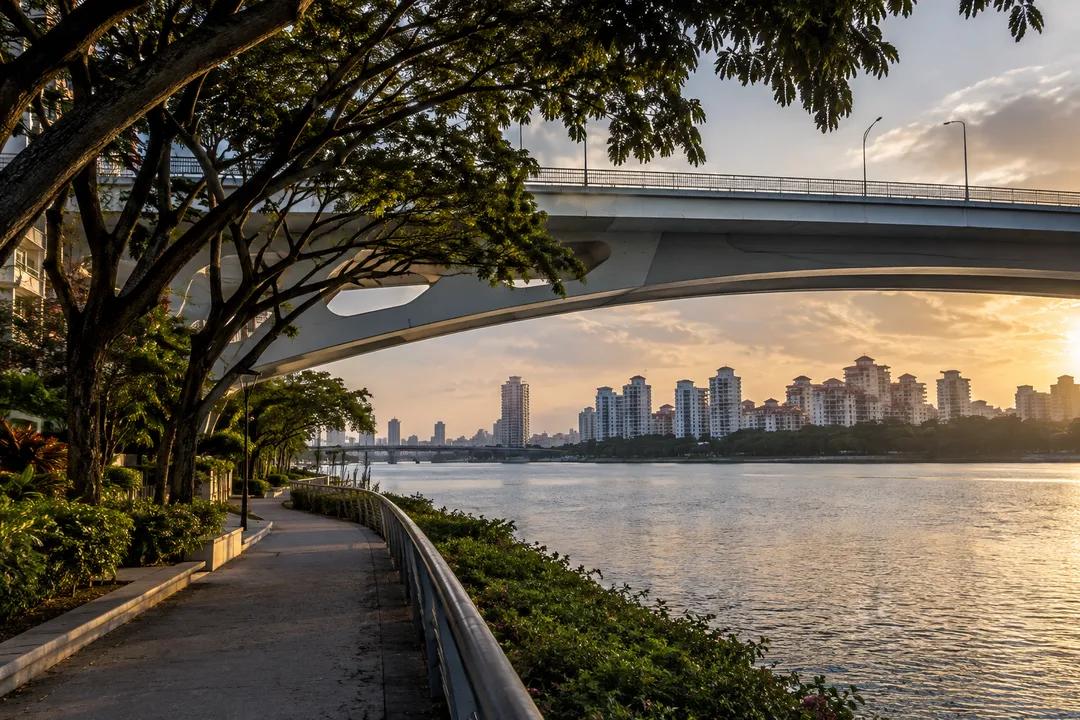
Tanjong Rhu suits a riverside dockland walk built on sequence: water, bridge structure, residential silhouettes, and changing shade. Begin in Karpo APP with the comfort constraint rather than a landmark list. Say how long the group wants to be outside, how often it should pause, and whether bridge views or uninterrupted water matter more. The resulting brief can be measured without becoming rigid. The goal is a route that feels easy to enter, visually coherent in the middle, and simple to shorten when the heat or energy changes.
Begin With Comfort
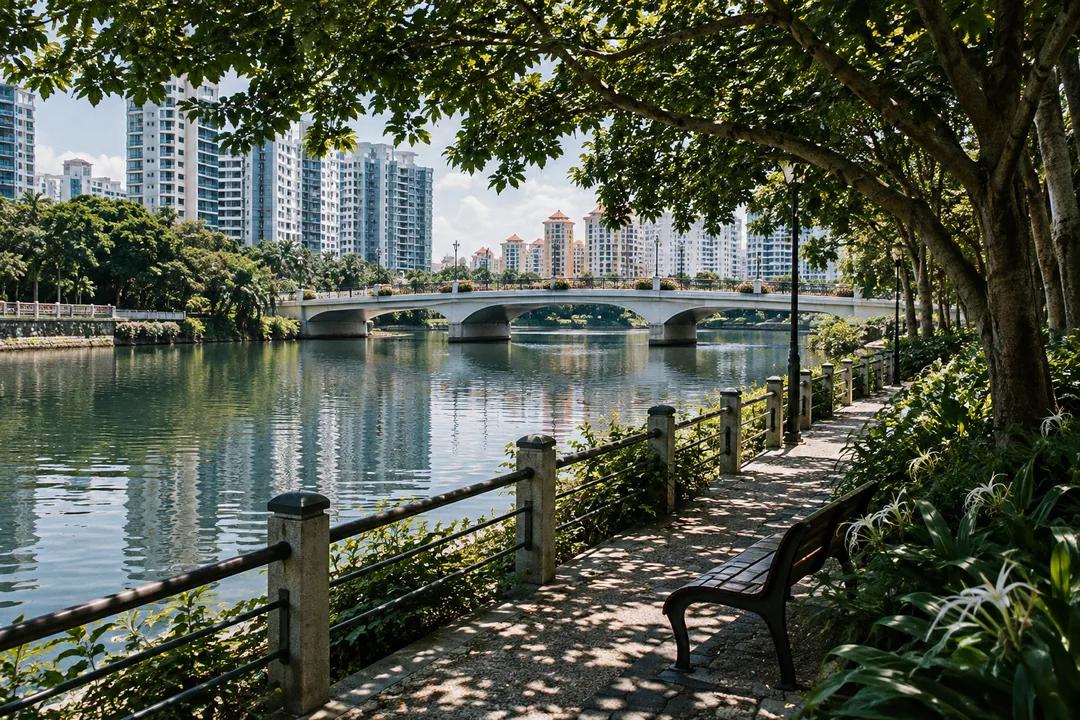
Comfort is the first filter because a short-looking waterfront stretch can feel different under strong sun. Ask for a warm-up section, a shaded alternative, and a clear point where the group can reassess. If the outing starts early, open views may be the main attraction; later, shade and shorter exposed segments may matter more. Put that preference into the request before asking for the route. A useful plan acknowledges that the same riverbank can support different rhythms without pretending conditions stay constant.
Let Bridges Set the Chapters
Bridges make natural visual chapters. One crossing can widen the view, another can frame the riverbank, and the approach can create a pause before the group changes direction. Ask for a route where bridges divide the walk into understandable sections instead of adding every crossing as a destination. That lets a visitor remember the movement between them: the sound of feet on the path, the water under the structure, and the way the skyline shifts. The route becomes a story about transitions rather than a bridge checklist.
Treat Shade as a Route Filter
Shade deserves its own decision because it changes how long a group can linger. Request a shade-first version and a view-first version, then choose the one that fits the day. The choice is practical, not a judgement about which route is better. A shade-aware plan can still keep the river central by using open views as short highlights and placing longer pauses where the group feels settled. When comfort leads, people have more attention for the water, bridge geometry, and quiet details around them.
Keep Quiet Space Available
Leave a little quiet space between the visual chapters. Tanjong Rhu is easier to appreciate when the route does not demand a new stop every few minutes. Ask for two or three intentional highlights and treat the rest as connective tissue. A person who wants photographs can use the next bridge as a reason to look closely, while someone who wants conversation gets uninterrupted movement between points. The best pause may be an unremarkable edge where nobody has to perform interest. That is useful route design.
Use the River as Pacing
Use the river as a pacing tool. Open water can slow the group naturally, while a tighter edge or bridge approach can add momentum. Tell the planner which shift you want: a gentle opening, an active middle, or a quiet finish. If the first result feels too exposed, move the open section earlier and make the return simpler. If it feels too short, add one visual chapter rather than stretching every segment. Pacing is easier to adjust when the request names the change you want to feel.
Choose a Simple Return
Make the return obvious before the group needs it. Choose a midpoint where everyone can decide whether to continue, shorten the loop, or head home. Writing that branch into the route brief gives tired walkers confidence and prevents the last part from becoming an argument. The shorter option should preserve one meaningful river view, so the outing still feels complete. A route can end early without losing its purpose when the ending was designed alongside the opening.
Give the Walk a Question
Give the walk a question that helps people notice without turning it into a tour. Ask where the river opens widest, which bridge changes the view most, or how shade alters the colour of the water. A single question can guide attention for several minutes. It also gives a visiting friend a way into the neighbourhood without a stream of trivia. Put the question after the route mood in Karpo APP, so it supports the movement instead of dictating every stop.
Write the Heat Into the Brief
Write heat into the practical brief. Include water, sun protection, reliable grip, and the number of pauses that will keep the group comfortable. If anyone needs step-free movement, regular seating, or a calm finish, say so before generating the plan. A rain variation can keep the bridge-and-river story while reducing exposed stretches. Weather is a reason to choose a different order, not a reason to overpromise what the route will feel like. Keep the decision tree simple enough to use outside.
Leave With Energy
End with energy left for the city beyond the river. A successful Tanjong Rhu walk feels lighter at the finish because shade, bridges, and water have been used as pacing tools. Save the version that made the group comfortable, then reuse its structure for a slower morning or a more photograph-led outing. The useful habit is to name the visual promise, the comfort filter, the midpoint branch, and the return. Karpo APP can help you test that brief without turning the walk into a rigid itinerary. The return can be part of the visual story rather than a logistical footnote. Ask for a final section that narrows gently, keeps the river within sight, and gives the group a clear point to head back. If the best moment has already happened, stopping there is a strength. Keep the route language generous enough for a slow walker and specific enough for someone visiting for the first time. The result should leave room for one last glance, not another compulsory landmark.
Ask Karpo for more information.
Keep reading
- Marina Bay Food Market Grazing Route After a Conference Day
 River Valley Food Market Grazing Route With Young Kids
 Serangoon Food Market Grazing Route for a Homecoming Weekend