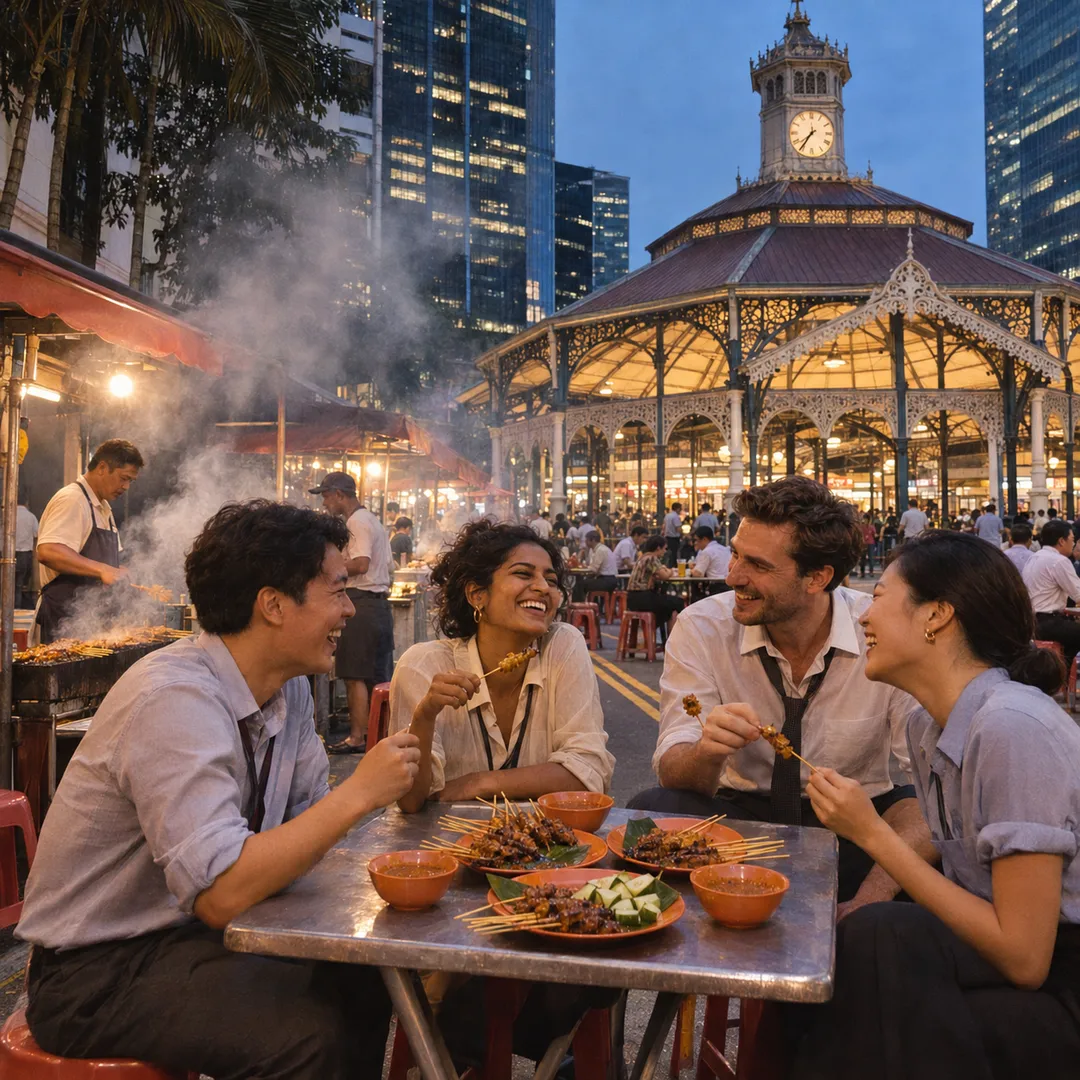
 Marina Bay Food Market Grazing Route After a Conference Day
Neighborhood Guides
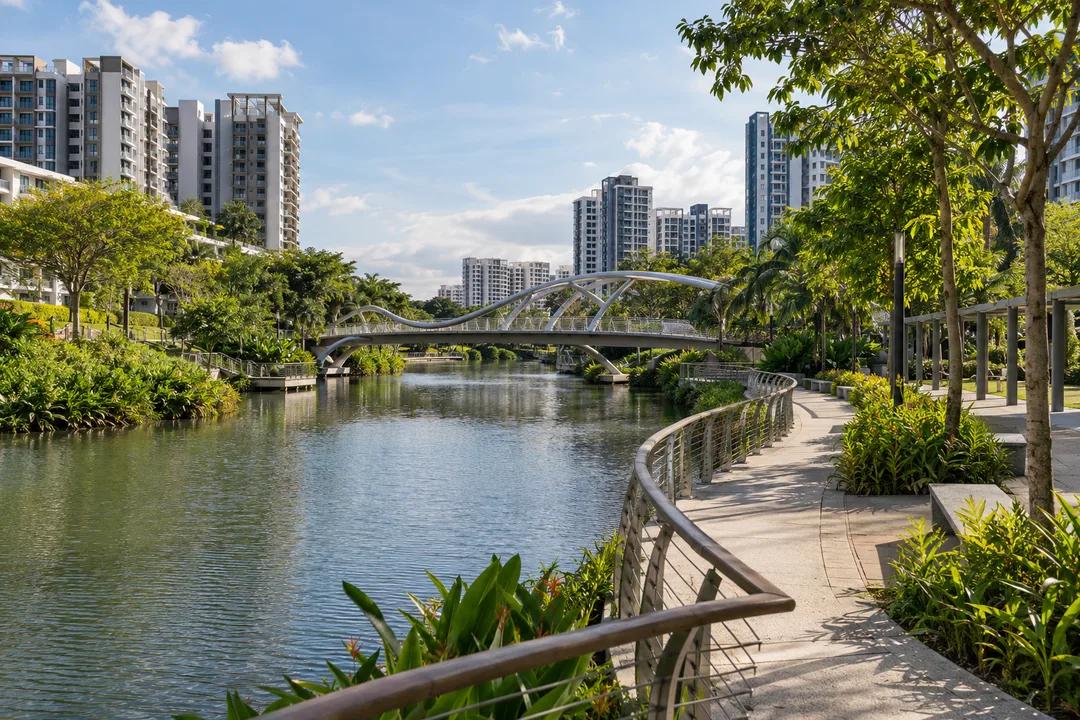
Punggol Riverside Dockland Walk: Family Pace, Easy Finish
Plan a Punggol riverside dockland walk with family-friendly pacing, waterway landmarks, and a clear shorten-or-extend choice for an easy afternoon.
Punggol works for a riverside dockland walk when the group wants an easy afternoon rather than a dramatic city panorama. Start in Karpo APP with the people who will actually walk: a child who needs visible milestones, a stroller, a friend who wants photographs, or someone who prefers a steady pace. Add a time limit and say whether food, water views, or a quiet ending matters most. The planner can then shape a waterway sequence that feels navigable without making the day feel over-programmed.
Name the Afternoon Mood
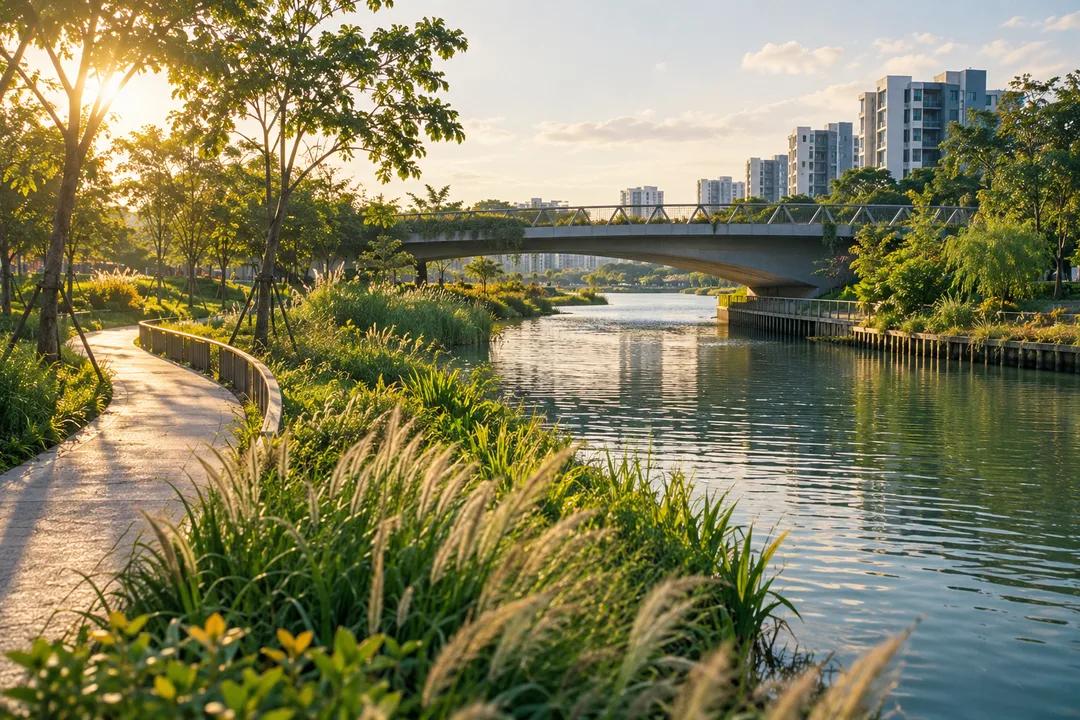
Name the afternoon mood before choosing a route length. A family outing might need playful movement, a gentle loop, and a clear place to pause. A visitor may want bridges and planting as visual markers. Someone walking after a busy week may prefer fewer stops and more open time. Put the preference into the first sentence of the request. When the emotional goal is clear, the route can use the waterway's bends and bridges as a rhythm instead of asking everyone to follow an arbitrary distance.
Use Waterway Turns as Milestones
Use turns in the waterway as milestones that children and adults can understand. A bend, bridge, planted bank, or change in the channel's width can mark the end of one chapter. Ask for a short version built around two or three of those moments, then add a longer branch only if the group is comfortable. The short version should contain the strongest sense of place. That way, turning back feels like completing the plan rather than abandoning an ambitious one.
Build the Short Version First
Photography works best when it has a boundary. Choose one theme, such as reflections, bridge lines, tropical planting, or distant apartment forms, and cap the number of pauses in the brief. That gives the photographer a reason to look closely without making everyone wait at every attractive angle. A strong family route often needs one memorable frame, not a catalogue. Ask the planner to place the photo moments beside natural pauses, then keep the walking stretches moving between them.
Give Photos a Boundary
Mixed groups need movement and reset in the same measure. Alternate an active stretch with a place to watch the water, notice birds, or talk about the shape of a bridge. If a child is losing interest, let the next milestone be simple and visible. If adults want more scenery, make one optional extension rather than lengthening the whole route. The practical skill is matching the next decision to the group's energy. Punggol feels generous when the plan can flex without losing its story.
Keep the Group Moving
Plan the return before anyone asks for it. Ask for a midpoint where the group can choose a shorter finish or continue toward another waterway section. Keep that branch easy to explain aloud: continue, pause, or go back. A clear return lowers the emotional cost of stopping, especially when a child or tired walker has had enough. It also lets the rest of the group enjoy the current view instead of calculating how far remains. The best route has an exit that feels like part of the design.
Plan the Return Early
Weather should be a branch, not an afterthought. Request a version with shorter exposed sections and another that protects the neighbourhood's water-and-bridge feeling when rain appears. The tool cannot promise conditions, but it can organise the decisions you want to make: reduce the loop, shift the emphasis, or finish earlier. Carry water and sun protection in bright weather, and choose footwear that feels secure on damp paving. Small practical choices make the route easier for every age.
Make Weather a Branch
Tell the planner who is coming and what they need to enjoy the afternoon. Mention a stroller, regular rest, a preference for step-free movement, a photographer, or a latest acceptable finish. Those details are more useful than a generic request for a family walk. Add whether the group prefers a snack break, a quiet ending, or one final water view. The result should read like a plan for this group, not a generic list of things a neighbourhood might contain.
Tell the Planner Who Is Coming
A reusable request might read: Punggol waterway, easy family pace, visible bridge milestones, two photo pauses, short return ready, and one optional extension. If the route feels too crowded with goals, remove one. If it feels empty, add a single observation question about water, planting, or architecture. Avoid asking for every attraction at once. The clearer the trade-off, the easier it is to make a second route that fits the actual afternoon rather than an imagined perfect one.
End Before Everyone Is Tired
End before everyone is tired enough to resent the last stretch. A good Punggol riverside dockland walk leaves one final water view, a clear exit, and a sense that the group chose its pace. Save the version that worked, then reuse the structure for a morning outing, a slower visitor route, or a rain-aware plan. Karpo APP is most useful when it helps the group decide what to keep, what to skip, and when to stop. That is the route skill worth carrying forward. A good family finish is one everyone can explain in a sentence: reach the next bridge, take the short return, or continue if energy is high. Build that sentence into the route request. Then the adults can watch the pace while children know what comes next. Leave space for a spontaneous pause by the water, a shared observation, or a change of mind. The afternoon feels successful when the group remembers the small discoveries, not the distance covered.
Ask Karpo for more information.
Keep reading
- Marina Bay Food Market Grazing Route After a Conference Day
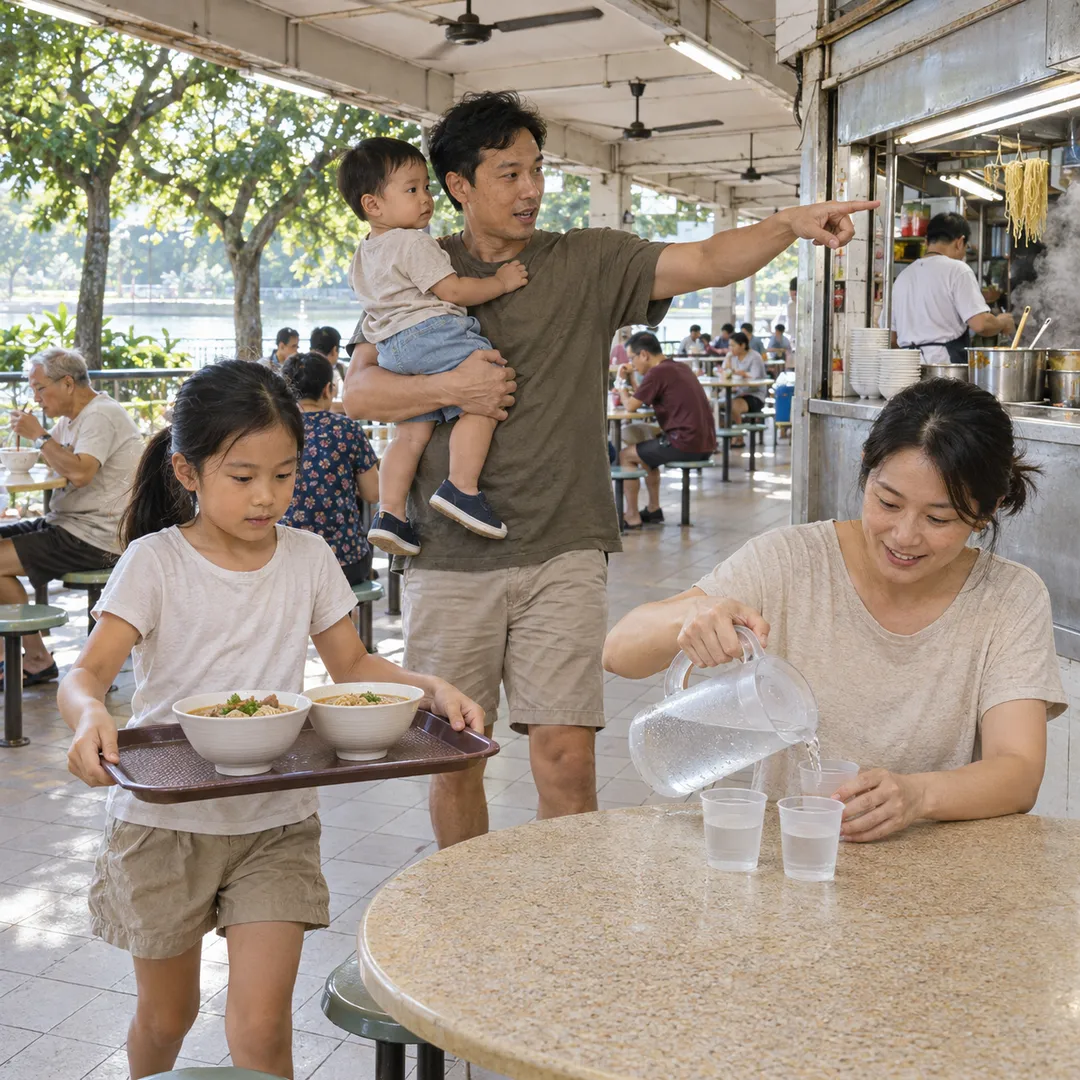 River Valley Food Market Grazing Route With Young Kids
 Serangoon Food Market Grazing Route for a Homecoming Weekend