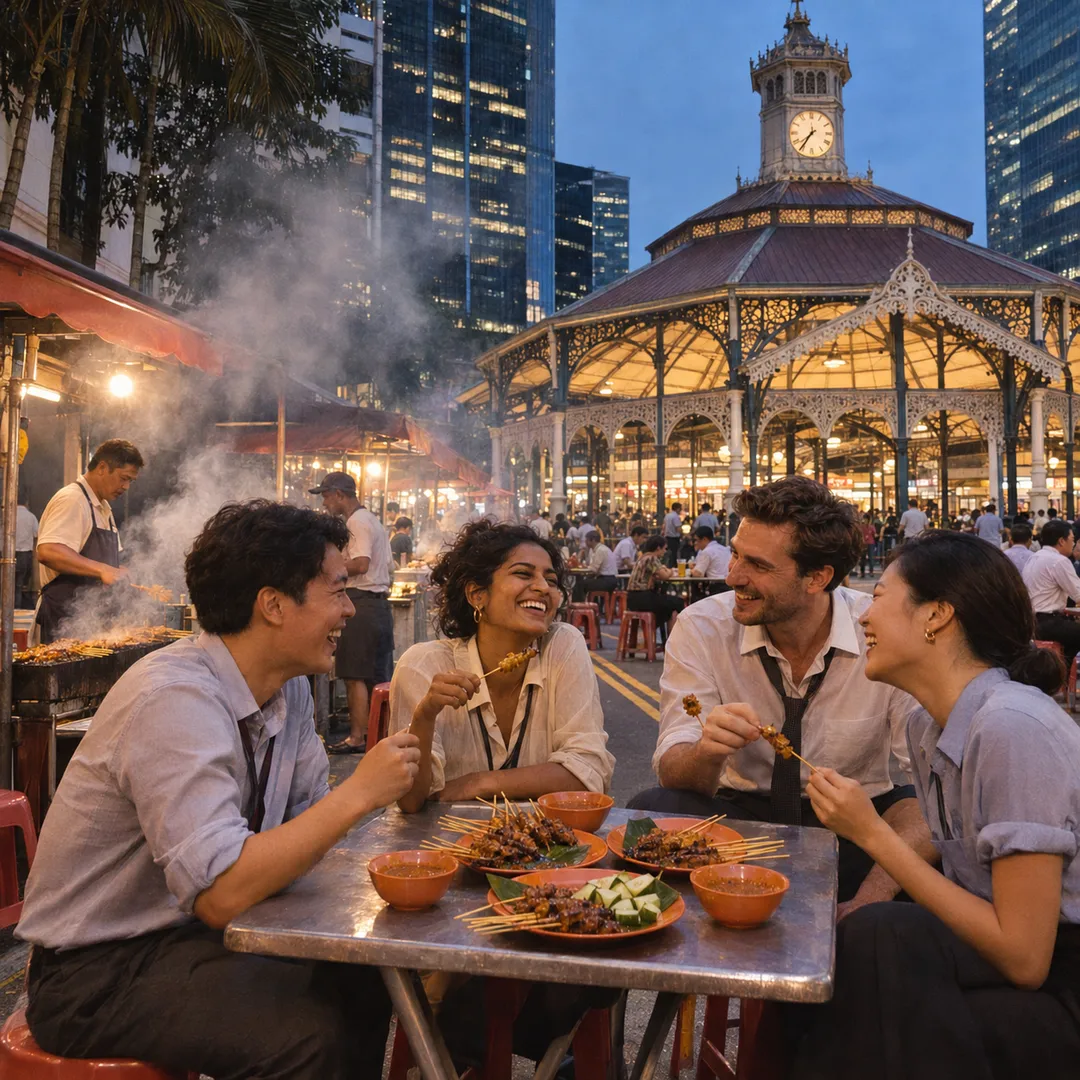
 Marina Bay Food Market Grazing Route After a Conference Day
Neighborhood Guides
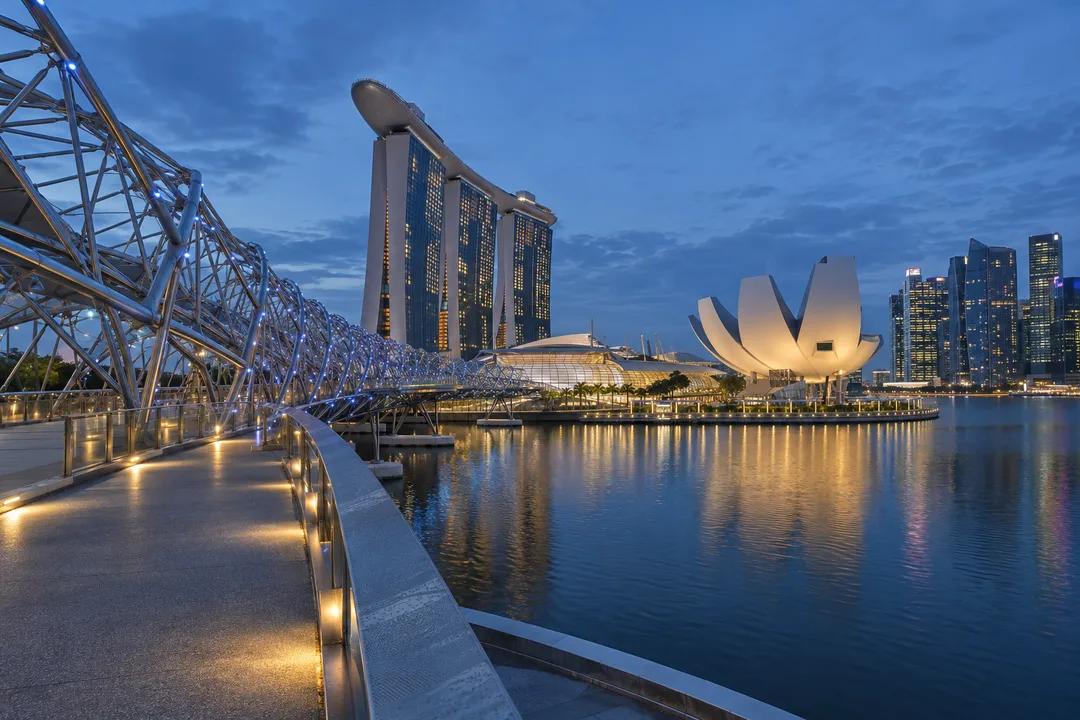
Marina Bay Riverside Dockland Walk: Sunset, Then Shorter
Plan a Marina Bay riverside dockland walk around sunset light, a comfortable pace, and a shorter return so the evening stays open to change.
Marina Bay works best as a riverside dockland walk when the first decision is visual rather than numerical. Tell Karpo APP whether the group wants a wide skyline opening, a close look at bridges, or a calmer edge where reflections can carry the scene. Add a preferred pace and a latest finish, then describe the evening as a sequence instead of a checklist. That small change gives the route a point of view. You are asking for a way to move through water, steel, planting, and light without turning every landmark into a compulsory stop.
Start With the View You Want
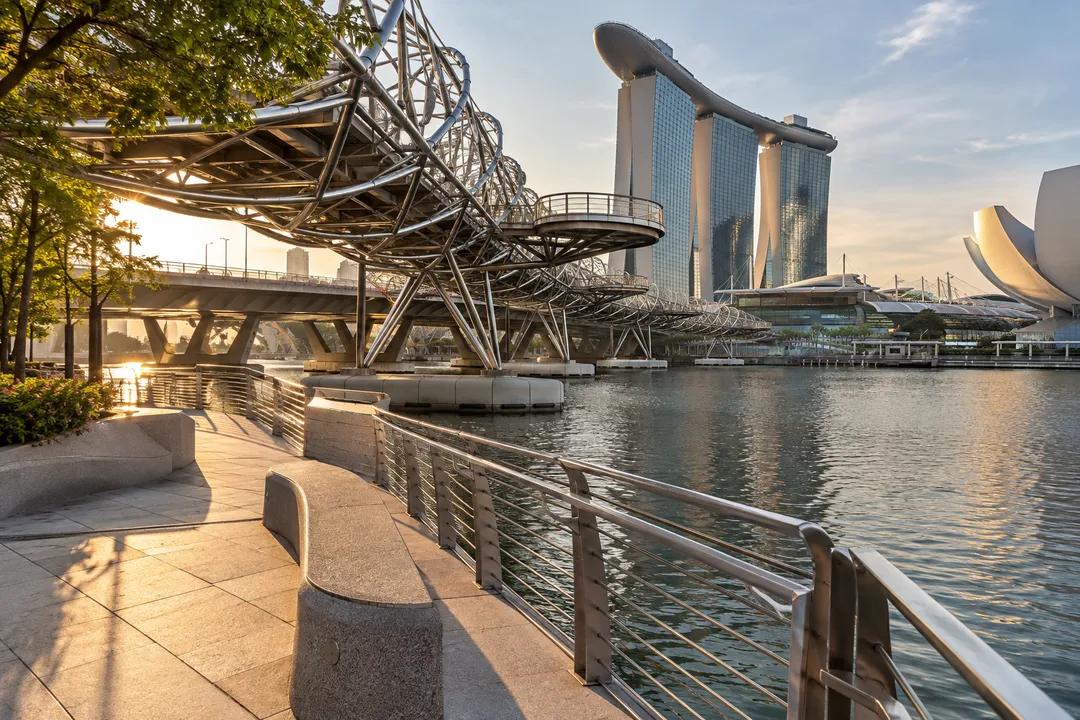
A sunset plan needs room to breathe because the strongest light will not arrive at the same moment for every part of the waterfront. Start with the Promontory when the open bay is the reason for going, then let the route tighten toward architectural details as the sky changes. If the group is meeting after work, ask for a gentle beginning and a clear place to pause before the brighter skyline section. The plan should be useful even if the clouds flatten the colour. Mood, pace, and a fallback matter more than a promised view.
Give Sunset a Loose Shape
Use the Helix Bridge as a chapter, not as a finish line. Its curves give the walk a visual turn, so ask the planner to place it after the group has had time to settle into the water edge. A bridge-led middle also helps mixed groups: photographers get a defined subject, while conversation can continue before and after it. Write the request in plain language, such as water first, bridge in the middle, one quiet pause, then an easy way out. The clearer the sequence, the less the route feels like a list of pins.
Use Architecture as a Midpoint
Marina Bay can become visually loud when every stop points toward the skyline. Protect one quieter pause where the group can look outward without needing to take a picture or absorb another fact. Ask for a bench-like pause, a railing with room to stand, or a less crowded-feeling edge, but keep the wording about the experience rather than promising a specific seat. This pause is the route's reset. It gives people who want conversation a chance to catch up and gives people who are watching the light a reason to slow down.
Keep One Quiet Pause
Describe the route texture you prefer before asking for distance. An open-air version keeps the bay and skyline visible, while a more sheltered version can use covered urban links and tighter building edges as relief from wind or heat. A balanced brief alternates those textures rather than treating them as competing routes. Include how often the group wants to pause and whether the last section should feel scenic or practical. Karpo APP can then help turn those preferences into an ordered request that is easier to adjust when the outing is already underway.
Choose the Right Route Texture
The best safety valve is a shorter finish that is planned from the start. Ask for a midpoint where the group can decide between continuing toward another view, turning back toward the Promontory, or ending near a convenient exit. Do not frame the shorter route as failure. It is a deliberate branch for a hot evening, a tired child, or a conversation that has found its own rhythm. A route brief that names both endings lets everyone enjoy the present segment without worrying about the distance still ahead.
Leave Room for a Shorter Finish
Landmarks become more memorable when they serve a story. You might frame the walk as water opening into architecture, or as a gradual change from bright public space to quieter edges. Gardens, the Esplanade-side forms, and illuminated structures can be references in that story, but the plan does not need every attraction. Ask for two or three anchors and connective time between them. This keeps the route legible for a visitor while leaving enough attention for reflections, wind, footsteps, and the changing colour on the buildings.
Turn Landmarks Into Chapters
A strong prompt is short enough to use while standing outside. Try: Marina Bay, sunset, water first, bridge midway, one still pause, moderate pace, and a shorter return. Then add the group detail that changes the decision, such as a low tolerance for exposed heat, a preference for photographs, or a need to finish calmly. If the first result feels too ambitious, revise one variable at a time. Change the pace, remove a stop, or move the finish rather than rewriting the whole idea.
Make the Prompt Specific
Keep the final section intentionally modest. A walk can end with one last look across the water, a simple transition back into the city, or a decision to stop while the group still feels good. Ask for a route whose final movement is easy to understand, with no pressure to complete every loop. Carry water, use footwear that feels secure on damp paving, and leave a little time for the group to change its mind. The route succeeds when the evening feels shaped, not squeezed.
Protect the Last Ten Minutes
After the walk, save the version that matched the group's energy rather than the one that contained the most landmarks. A future Marina Bay request can reuse the same framework with a different mood: a quiet morning, an architecture-led stroll, a family-friendly pace, or a shorter weather-aware plan. The useful habit is to keep the route's promise small and specific. Name the view, the rhythm, the pause, and the exit. Karpo APP then becomes a place to test that idea and choose the version that fits the day. Keep the route language concrete: open water, a bridge midway, one still pause, a shorter return, and a finish that feels calm. Those words give the plan a usable shape while leaving the exact order open to the day. They also help a companion understand what to expect before the first step. If the group changes its mind, adjust one of those promises and keep the rest. A route that can absorb a small change is more valuable than a grand plan that only works under one mood. Let the final decision belong to the people walking, not to the checklist. Keep the route language concrete: open water, a bridge midway, one still pause, a shorter return, and a finish that feels calm. Those words give the plan a usable shape while leaving the exact order open to the day. They also help a companion understand what to expect before the first step. If the group changes its mind, adjust one of those promises and keep the rest. A route that can absorb a small change is more valuable than a grand plan that only works under one mood. Let the final decision belong to the people walking, not to the checklist.
Ask Karpo for more information.
Keep reading
- Marina Bay Food Market Grazing Route After a Conference Day
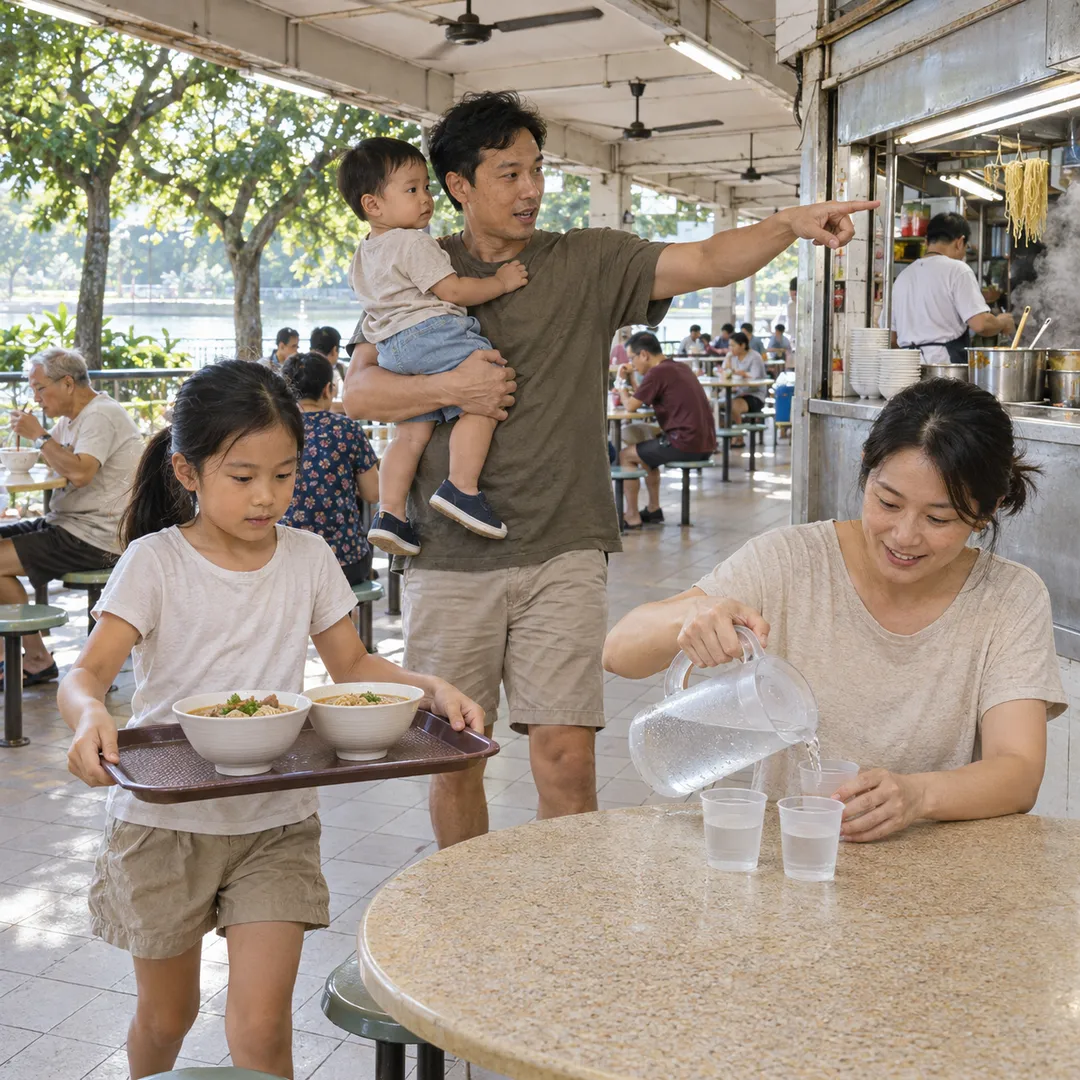 River Valley Food Market Grazing Route With Young Kids
 Serangoon Food Market Grazing Route for a Homecoming Weekend