 Marina Bay Food Market Grazing Route After a Conference Day
Neighborhood Guides
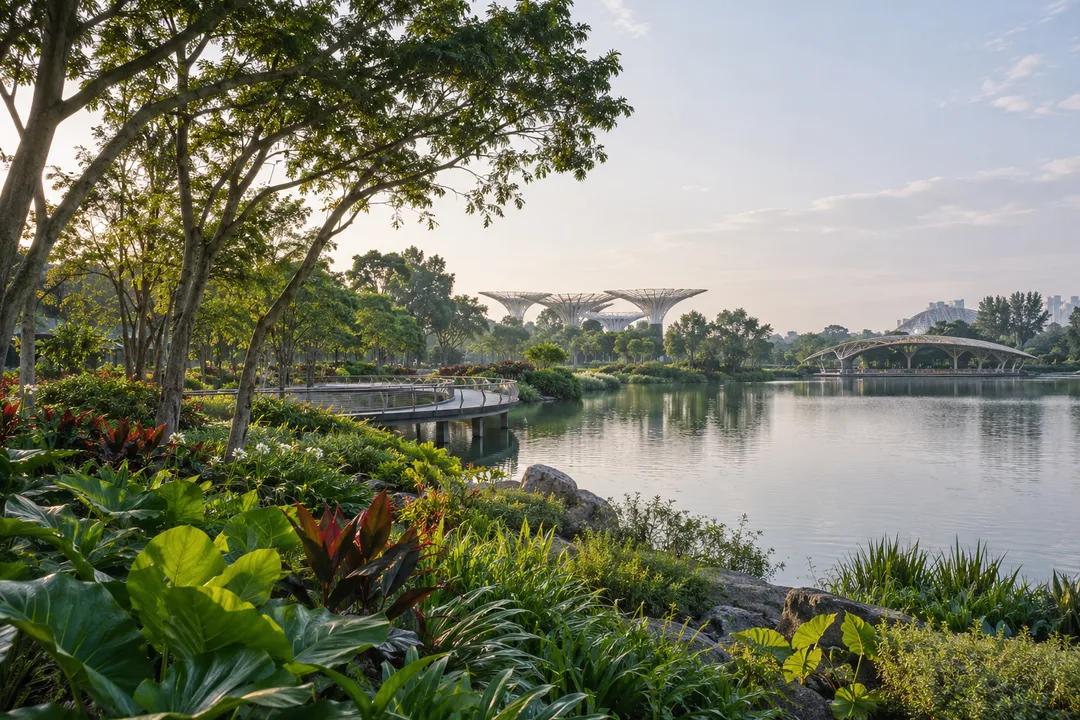
Jurong Lake Riverside Dockland Walk: Garden, Gentle Return
Create a Jurong Lake riverside dockland walk that pairs garden edges with slow pacing, sensory pauses, and a clear weather-friendly alternative.
Jurong Lake suits a riverside dockland walk when the appeal is the relationship between water, planting, and space to slow down. Begin in Karpo APP by describing the landscape story you want: a water-first stroll, a garden-edge reset, or an easy outing with children. Add a maximum duration and the kind of finish that feels right. The planner can then shape a sequence around that intention instead of filling the route with every nearby feature. A slow walk needs a clear reason for moving.
Choose the Landscape Story
Choose the edge that should lead. A water-first route keeps reflections and shoreline changes in view, while a garden-first route lets shade, leaves, and small changes in texture set the pace. You can ask for both as alternatives and decide which one fits the day. The distinction is useful because it changes what counts as a good pause. The best route does not try to show everything. It gives one landscape relationship enough time to become noticeable.
Let Water and Garden Alternate
Build around sensory pauses rather than a long list of destinations. Ask for a visual pause across the lake, a place to notice wind or planting, and a practical pause where the group can reset. These pauses can be short, but naming them makes the route feel human. A companion who likes detail gets something to observe, while someone who wants quiet gets permission to stop talking. The lake and garden provide texture; the route only needs to give that texture room.
Build Around Sensory Pauses
Keep the middle adjustable. A main sequence can follow the water and garden edge at a gentle pace, while an optional branch adds another view if everyone wants more movement. Put a shorter return beside the halfway point so the group can choose without restarting the plan. This structure works for mixed energy because it protects the calm version first. More walking becomes a choice rather than an obligation. The route succeeds when both options still feel like the same outing.
Keep the Middle Adjustable
Use one landscape detail as a guide for attention. You might follow reflections, the contrast between engineered edges and softer planting, or the way a path disappears behind leaves. Ask the planner to keep that detail present without turning it into a formal tour. A single question can carry the walk: where does the water feel most open, or which edge changes after rain? This gives a curious companion a thread to follow and leaves enough quiet for everyone else.
Use One Detail as a Guide
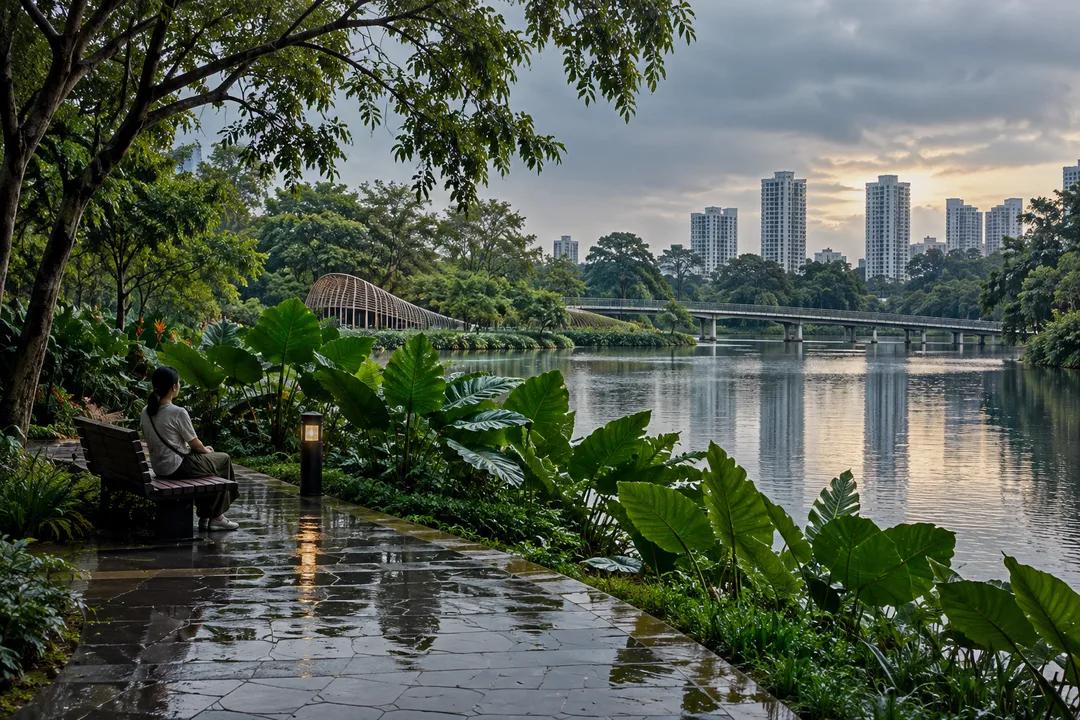
Weather changes the relationship between lake and garden. After rain, reflections and saturated greens may become the visual highlight, while slippery surfaces and humidity change comfort. Request a version with fewer exposed stretches and a finish that does not require a long detour. The tool cannot forecast the walk or guarantee a dry path, but it can help organise the decision you want to make when conditions shift. Preserve the garden story, shorten the route, or move toward a more sheltered transition.
Plan a Weather-Friendly Finish
Name the walking rhythm in plain language. A reflective morning needs longer pauses, an afternoon with children needs visible chapters, and a post-work reset may need a steady beginning before the route opens out. Add how often people can comfortably stop and whether the last section should be quiet or social. Those details help distinguish a gentle route from a long route. The aim is not to make the lake smaller. It is to make the time around it feel well measured.
Name the Walking Rhythm
A useful prompt might read: Jurong Lake, garden edge first, slow pace, three sensory pauses, one optional viewpoint, weather branch, and an easy return. If the plan feels too full, remove a landmark rather than shortening every pause. If it feels too vague, add one landscape question. Keep the request small enough to edit while outside. A clear route brief lets companions change the emphasis without losing the calm structure that brought them to the lake.
Write a Gentle Prompt
Practical notes are about preserving attention. Carry water, choose shoes that cope with damp paving, and mention step-free movement or regular rest before shaping the route. If a quiet ending matters, make it part of the request rather than hoping it appears at the end. Keep the phone available for the map while giving the group permission to look up. The best garden-edge walk balances navigation with noticing. Neither should crowd out the other.
Save the Version That Worked
Finish with the version that matched the group's energy, not the one that looked most ambitious on paper. Save the route that made the water and planting feel connected, then reuse its structure for a brighter morning, a family afternoon, or a rain-aware return. Karpo APP can help you restate the same outing with a different pace and emphasis. The useful habit is to choose one landscape story, one optional branch, and one kind finish. That is enough to make Jurong Lake feel complete. Keep the final choice gentle. The group may want one more look at the lake, a quieter garden edge, or a direct return before attention fades. State that preference before generating the route so the last section supports it. A flexible plan protects slower walkers while giving curious companions an optional detail to notice. When the water and planting have had enough time to register, let the walk end cleanly. The memory should be of texture and calm, not of rushing to complete a loop.
Ask Karpo for more information.
Keep reading
- Marina Bay Food Market Grazing Route After a Conference Day
 River Valley Food Market Grazing Route With Young Kids
 Serangoon Food Market Grazing Route for a Homecoming Weekend