 Kovan Hainanese Curry Rice Lunch Picker: Heartland Plates
Restaurants
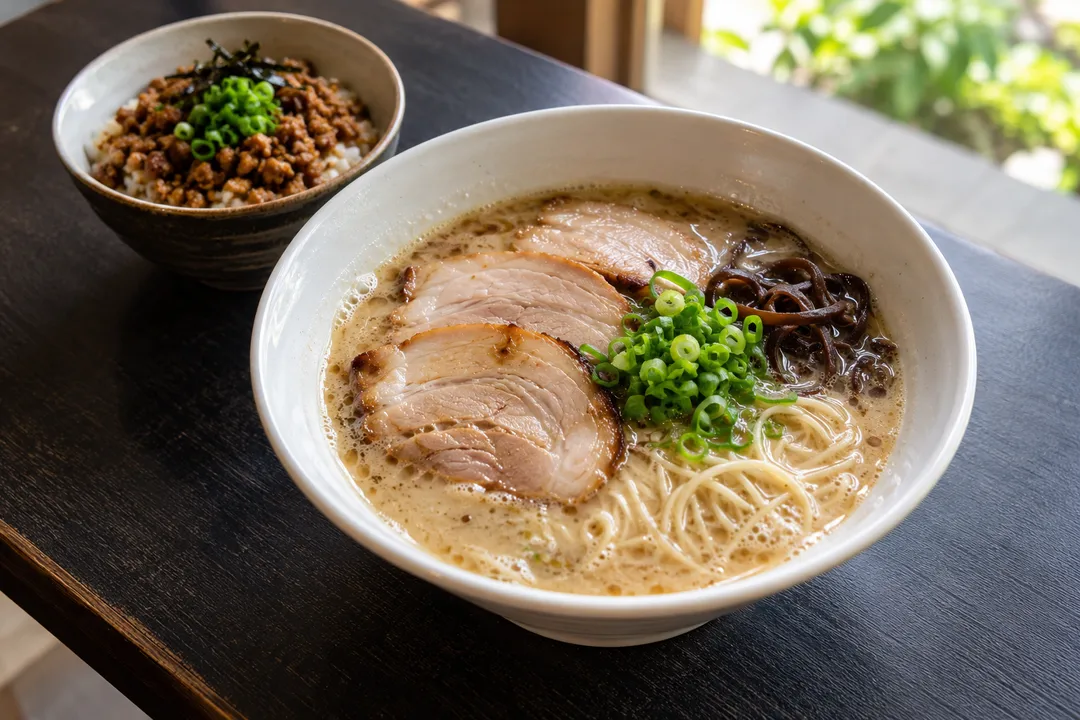
Paya Lebar Ramen Noodle Bar: Niku King's Three Bases
Niku King at Paya Lebar Square takes walk-ins for shoyu, miso and pork-bone ramen. Compare three bases, egg upgrades and half-noodle additions before ordering.
Niku King puts three different bases on its Paya Lebar menu: shoyu, miso and tonkotsu. The ramen noodle bar is a useful choice when everyone wants pork but nobody agrees on the soup. Ramen Keisuke Tonkotsu King Niku King, at 60 Paya Lebar Road, #01-02/03/04 Paya Lebar Square, Singapore 409051, accepts walk-ins only. Start with the broth decision, then choose the egg or Special version, rather than buying the largest bowl before reading what separates the choices.
Read Niku King as a family of bowls
The menu has both a Tonkotsu Ramen section and bowls explicitly called Niku King. That distinction matters. A diner who simply asks for the cheapest pork broth has a different order from someone who came for the named Niku King version. Niku King Shoyu Ramen is S$14.90, Niku King Miso Ramen is S$15.90, and Niku King Tonkotsu Ramen is S$16.90. Those are listed menu prices, with prevailing GST and service charge added.
Shoyu names a soy-seasoned direction, miso points toward fermented soybean seasoning, and tonkotsu identifies pork bone broth. They are useful ordering words, not a ranking from weak to strong. If your priority is understanding this particular menu, choose one base and keep the rest of the order simple. A friend can take another base, allowing a conversation about seasoning without requiring either person to finish two complete noodle meals.
There is a separate Tonkotsu King Ramen as well as Niku King Tonkotsu Ramen. Read the full name when ordering. The brand's description of Niku King emphasizes rich pork bone broth and pork slices, but the menu offers several routes through that idea. Do not assume that every bowl with King in the name is interchangeable. Pointing to the exact item is more useful than asking vaguely for the signature one.
Pay for the addition you actually want
Egg upgrades are easy to understand here. Niku King Shoyu Ramen With Flavoured Egg is listed at S$17.40, compared with S$14.90 for its base version. The menu also sells a flavoured egg separately at S$2.50. Those figures give a solo diner a clear decision: order the egg because that is the topping you want, rather than choosing a Special automatically because it sounds like the normal size.
The Niku King Shoyu Ramen Special is S$21.40. The public menu names the Special but does not itemize its complete topping composition in the accompanying text. That is a good reason to avoid inventing a count of pork slices or promising a particular arrangement. Choose the standard or egg bowl if those descriptions already meet your needs. The useful comparison is between defined orders and your appetite, not between imagined photographs of bigger bowls.
For a more filling meal, the additional noodle options are unusually precise: kaedama costs S$3.00 and half kaedama costs S$1.50. Additional soup is a separate S$7.00 item. Noodles and soup therefore are not the same purchase. Keep some broth if you intend to add noodles, and make that decision while the meal still has enough liquid to accommodate them. A half portion is a sensible middle choice for somebody still hungry after the first serving.
Meat, rice and sides compete for the same appetite
The topping list names pork loin chasyu, stir-fried pork belly and tontoro chasyu separately. Each is listed at S$3.00. That gives a meat-focused diner another way to shape a bowl without moving through every upgrade tier. It also makes an important distinction for a mixed group: this is a pork-centered restaurant selection. Treating shoyu or miso as shorthand for a meat-free meal would be a mistake.
Niku Soboro Rice, described as minced pork rice, is S$6.90. Keisuke Egg Rice is also S$6.90, while Koshihikari Rice is S$3.50. Rice is worth considering if someone wants a side texture rather than extra noodles, but it fills the same stomach. My recommendation is to skip an additional rice bowl on a first solo visit and leave room to judge the Niku King noodles and broth. Add rice on a return visit when you know your portion preference.
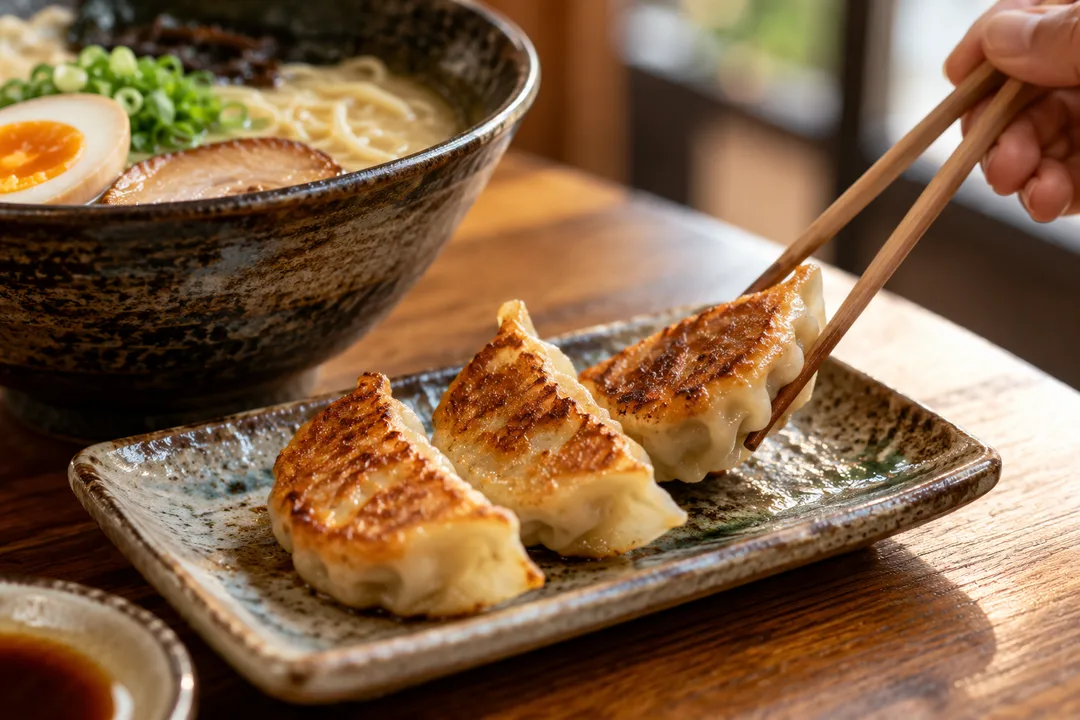
Pork gyoza comes in three, six or ten pieces, listed at S$3.60, S$7.20 and S$12.00 respectively. These are count-based choices, making a shared side easier to divide than an undefined platter. Chicken Nanban and deep-fried chicken also appear on the menu. For two diners, a small gyoza order beside two deliberately chosen ramen bowls gives a clearer introduction than stacking rice, fried chicken and extra noodles onto an already substantial lunch.
A walk-in meal beside a transport interchange
Paya Lebar Square is the address to navigate to, rather than treating every mall around the interchange as one building. The ramen restaurant occupies ground-floor units, while another Keisuke concept, Charcoal Grill & Salad Bar, is listed in the basement of the same complex. Arriving at the brand name alone can send you to the wrong menu. Use the Niku King name and the #01-02/03/04 unit sequence as your identifying details.
A phone call is therefore not a reservation strategy. For friends meeting from different directions, assemble before joining the dining queue and agree on the meal's time budget. That is a planning suggestion rather than a promise of a short wait. Neither a queue forecast nor a guaranteed seating time is published with the menu.
Give yourself a personal cutoff if dinner sits between work and another appointment. For example, somebody with a fixed onward commitment could decide that a fifteen-minute wait is their limit and choose another meal in the mall if it is exceeded. That limit is yours, not the restaurant's estimate. The useful queue tip is to protect the rest of your evening, rather than mistaking a popular noodle shop for a timed booking.
Keep the after-lunch walk local
After ramen, follow the pedestrian connections toward Paya Lebar Quarter for a different view of the interchange district. This is a compact urban pairing: lunch in Paya Lebar Square, then a look at the neighboring public spaces and storefronts before returning to rail transport. It does not require crossing Singapore for a second bowl. In wet weather, keeping the wander around the connected retail buildings is more practical than committing to a long outdoor food crawl.
For a longer afternoon, continue toward Geylang Road and let the streetscape replace the shopping-center interiors. Choose that extension because you want to walk, not because it is necessary to justify the restaurant visit. The meal already has a clear purpose: compare pork ramen bases at one address. A short return to the station is equally valid when heat, rain or a full stomach makes an extended detour unattractive.
Practical Notes
Use the Karpo APP to keep the Paya Lebar Square address with your meeting plan and onward destination. Save the exact bowl names if you are coordinating for somebody else: Niku King Shoyu, Niku King Miso and Niku King Tonkotsu are the three-base comparison here. Bring a budget that includes GST and service charge, choose a walk-in time with some flexibility, and leave the extra-noodle decision until you know how hungry you still are.
Ask Karpo for more information.
Keep reading
- Kovan Hainanese Curry Rice Lunch Picker: Heartland Plates
 Tampines Mee Rebus Breakfast Picker: Round Market Bowls
 Jurong West Mee Rebus Breakfast Picker: Boon Lay Bowls