 Chinatown New in Town Weekend Planner: Errands and Temples
Weekend Plans
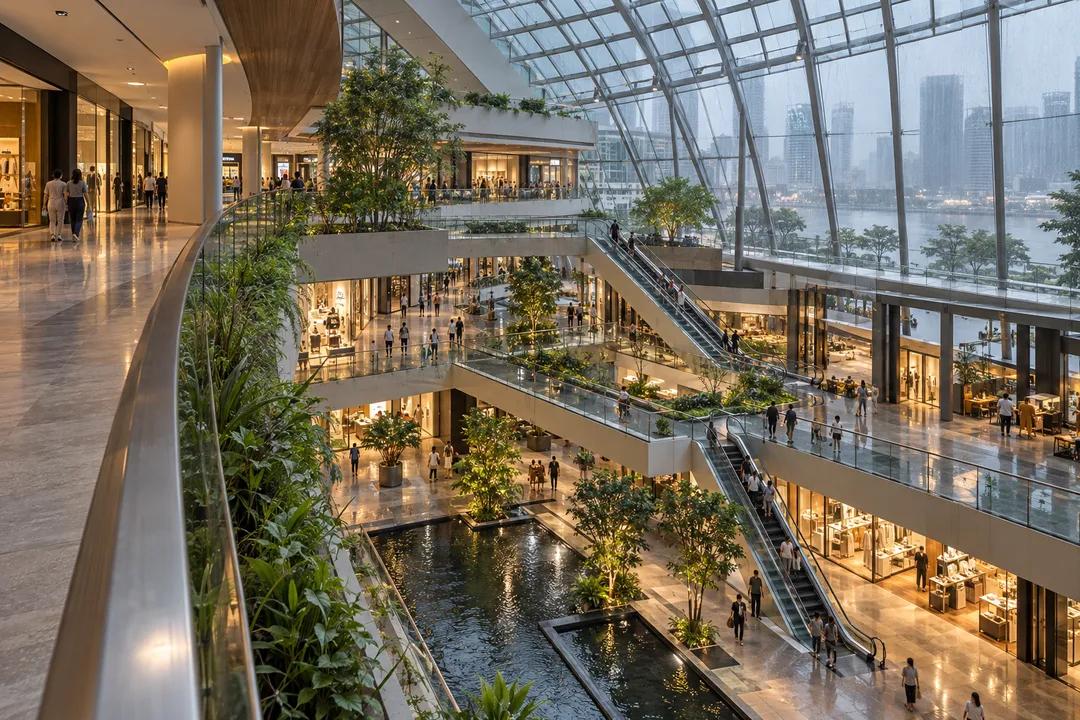
Rainy Day Plan Comparer: Singapore MRT Mall Afternoons
Build a Singapore mall afternoon around dining, browsing and a cinema option, using station access, group preferences and exit flexibility to choose a base.
One person wants a film, another wants to browse and a third would be happy with lunch and a comfortable seat. On a rainy Singapore afternoon, a large leisure complex can appear to solve every preference at once. The difficult choice is which base genuinely works for your group. A rainy day plan comparer should examine the station approach, the activities you will actually use and how easily everyone can regroup or leave. Use these questions to build an afternoon around one workable base, without assuming that a large building automatically offers every convenience.
Does MRT-linked mean the entrance you need is sheltered?
The phrase MRT-linked needs more detail before it can decide your day. You need the relationship between your arrival station, the exit you intend to use and the building entrance. A station near a complex and a station connected to it are different arrangements. Even where a connection is established, the route to the particular level or tenant remains part of the journey. Ask for those segments to be described individually, especially if avoiding an outdoor crossing is the reason you are choosing the complex.
Treat step-free access as a separate question. A passage with escalators is not evidence of a complete lift route, and lifts in the shopping building do not resolve earlier stairs. State whether anyone has a stroller, mobility aid or heavy luggage. Compare only suitable approaches when those needs are essential. If a proposed connection remains unclear, leave it out of a strict sheltered shortlist. You are choosing a practical base for this group, rather than awarding points for a building's proximity to a station icon.
What should anchor the afternoon: food, shopping or a film?
Choose one activity that gives the outing its purpose. If the film matters most, its actual session becomes the fixed point around which other plans fit. If the meal is the reason to meet, agree on the kind of dining and the time you want to sit down. If browsing is the main pleasure, keep the other activities optional. Trying to give all three equal priority can create a schedule where nobody gets enough time for the thing they came to do.
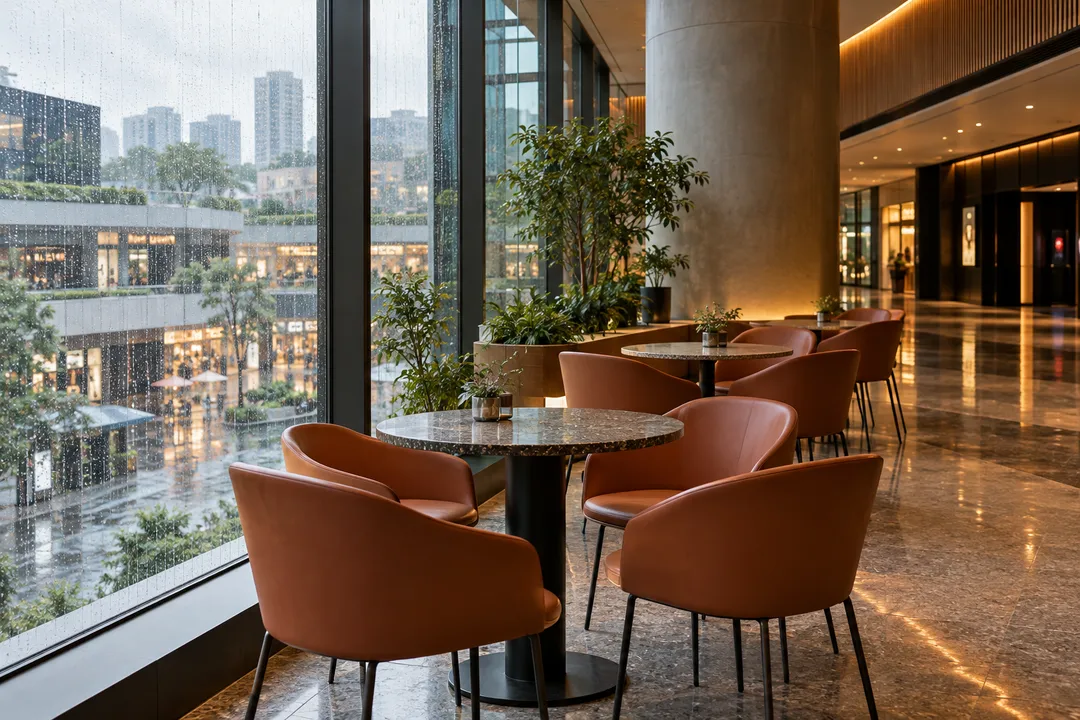
Ask each person to name one essential preference and one flexible preference. Someone might want a seated meal but be happy to skip shopping. Another might care about seeing a film together but have no restaurant preference. These answers are more actionable than a general request for a place with lots to do. They reveal which compromises would still make the outing enjoyable. Use them to compare two possible bases with the same group requirements, instead of building two unrelated lists of attractions.
How should a cinema option affect the decision?
A cinema adds a fixed commitment when you choose a particular screening. Compare the session itself with your arrival window and the time people need to get home. A cinema somewhere inside a complex does not establish that a suitable film or session exists for your group. Keep movie choice, age suitability and the actual booking distinct from a general recommendation of the base. The planning exercise can help organise those requirements without claiming that seats are available or that a purchase has been made.
If only some people want the film, decide whether splitting the group feels like a feature or a disappointment. The others need a plan they would enjoy for the same period, rather than an indefinite wait. Agree on a meeting point and what happens if the film ends later than the browsing group expects. If the purpose of the afternoon is to spend time together, a split plan may defeat that purpose even when the building contains enough activities to keep everyone occupied.
What makes a meal stop useful for a mixed group?
A useful dining anchor fits the people and sits within a route they understand. Start with seating needs, dietary requirements and the style of meal you want. A food court, a cafe and a seated restaurant are different experiences, rather than interchangeable boxes labelled dining. Avoid assuming a particular tenant offers suitable food or accommodation unless that information is supported. A large choice of outlets can still leave a family with a difficult decision if their needs have not been made explicit.
Consider the cost of waiting separately from the price of eating. If someone needs to sit, a plan dependent on finding a table at an unknown moment may be a poor match. If the group wants a relaxed conversation, repeatedly moving between possible outlets can consume the time you meant to spend together. Choose a fallback that stays inside the established base. Keep any published menu amounts tied to a particular offer, and use your own budget as a preference rather than presenting it as a typical bill.
Can we browse independently without losing the afternoon?
Independent browsing works best with a clear rendezvous. Choose a recognisable interior location and describe its level and nearby landmark in words everyone understands. Do not rely only on “meet at the entrance” when the building has several entrances or connects to more than one passage. Agree on a regrouping time before splitting up. This is ordinary group coordination, and it remains useful whether you are comparing a small shopping centre or an expansive multi-level complex.
Give someone who finishes early an acceptable place to wait. A seated break they would enjoy is better than expecting them to stand beside a shop doorway while others continue. If different interests keep pulling the group far apart, shorten the independent period or choose another kind of outing. More retail floors do not automatically improve a shared afternoon. The comparison should reward a base that supports your agreed rhythm, including time together, rather than one that simply contains the largest number of shops.
What should I ask the Karpo APP?
Try: “We want one Singapore leisure base for a rainy afternoon, arriving by MRT. Help compare two options for a seated lunch, optional browsing and a cinema possibility. One person may leave early. We need a clear station approach and an indoor regrouping point. Explain which base best fits these preferences without assuming current screenings, seat availability or an automatic booking.” Add the start of your journey and any essential accessibility requirement. This gives the assistant a concrete comparison to help you make.
Use the follow-up to resolve a real trade-off. If one option offers a simpler approach but less appealing browsing, ask which better serves the purpose you chose. If the preferred film does not fit your available time, remove it and compare the remaining afternoon honestly. You do not need to preserve every optional activity to justify the destination. The strongest result is an explanation you can share with the group: this base fits our arrival, meal and departure better, even though another base offers something we are happy to skip.
When is the plan complete enough to leave home?
You have a workable brief when everyone knows the base, the anchor activity, the accepted station approach and the time the shared outing ends. Add the regrouping point and the way an early departure will work. Keep any genuine booking confirmation alongside the brief, clearly separate from a suggested itinerary. Do not fill unknowns with guessed opening times or assurances about live crowd levels. A compact plan whose important details are established is more useful than a full-page schedule built on convenient assumptions.
Leave some of the afternoon unassigned. Once lunch is finished or the film ends, the group can decide whether it wants another activity or an easy return. That freedom is the reason to choose a coherent base in the first place. Use the Karpo APP to organise preferences and compare the practical differences before you travel. The result is one meeting place that supports the day your group actually wants, with room to stop when everyone has had enough.
Ask Karpo for more information.
Keep reading
- Chinatown New in Town Weekend Planner: Errands and Temples
 Kampong Glam New in Town Weekend Planner: Mosque to Murtabak
 Holland Village New in Town Weekend Planner: Meet People