 Chinatown New in Town Weekend Planner: Errands and Temples
Weekend Plans
Rainy Day Plan Comparer: Singapore Indoor Family Afternoons
Choose between energetic indoor play and a focused family workshop in Singapore, balancing children’s needs, arrival time, meal breaks and the journey home.
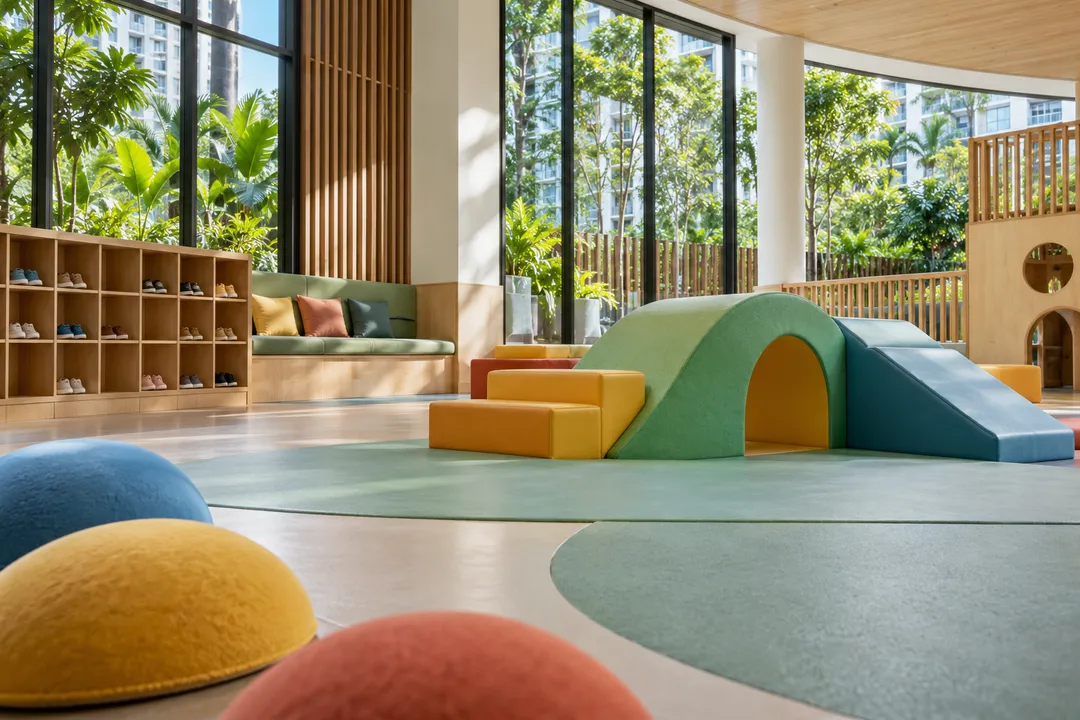
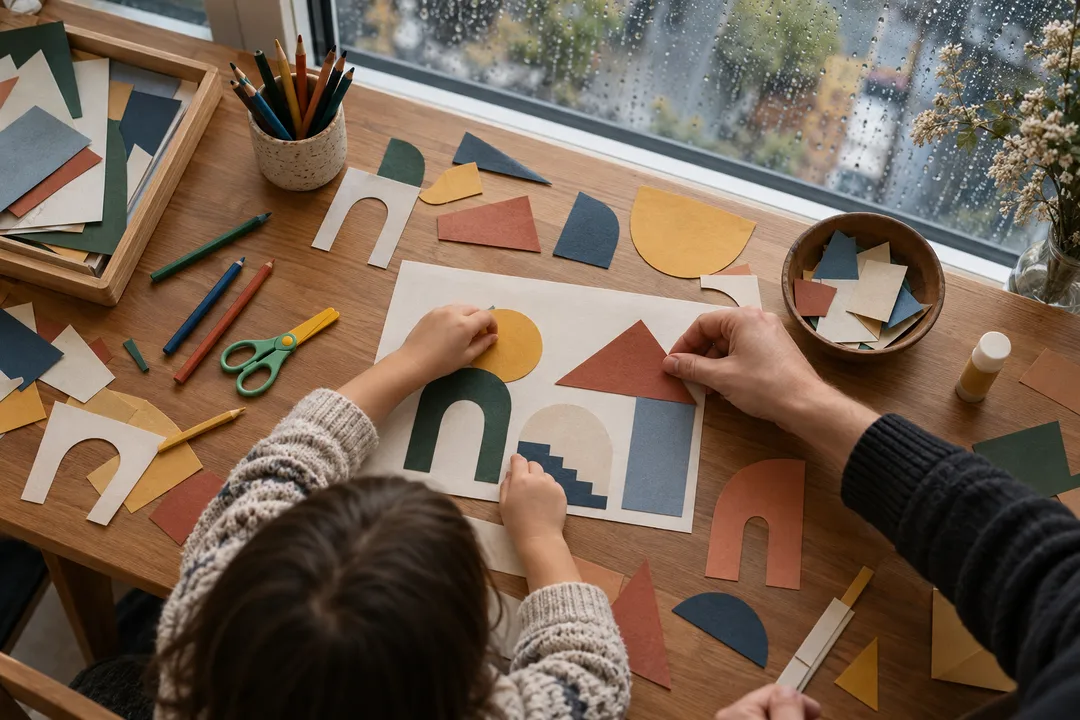
Heavy rain leaves a family with two appealing pictures: children moving freely through an indoor play space, or sitting together at a museum workshop making something to take home. The better afternoon depends on what your children need now, how long they can engage and how much structure your family welcomes. Use a rainy day plan comparer to put those needs ahead of colourful photographs. Compare a movement-led option with a guided activity, then choose a manageable journey and a realistic finish rather than trying to squeeze both into one wet afternoon.
Start with the child who has the least flexibility
Describe the children's ages separately. A toddler needing close physical supervision and an older sibling wanting a challenge do not share one generic family preference. Explain whether adults will participate, supervise from nearby or split responsibilities. If one child dislikes enclosed climbing structures or loud spaces, include that at the start. If another becomes frustrated by waiting for instructions, say so too. A useful shortlist should reflect these differences before it discusses an attractive activity name.
Ask each child a concrete question: would you rather move your whole body or make something with your hands? Their answers help identify the purpose of the outing without making them responsible for the logistics. Parents can then decide whether the family needs one shared activity or two compatible interests within the same base. Keep siblings' different answers in the brief. Forcing agreement by describing every option as equally exciting hides the trade-off that the comparison is supposed to resolve.
Give the afternoon a realistic window
Write down when you can leave home and when you want to be home again. Subtract the journey, a meal or snack, toilet breaks and the process of packing up. The remaining time is the activity window. A guided session with a fixed start can be awkward if your arrival window is uncertain. A less structured activity can still be unsuitable if its entry conditions require a session longer than you want. These are questions about the particular offer, not universal rules for either category.
Place the meal before the activity if hunger is already shaping the afternoon. Alternatively, keep food as a calm transition after an energetic session. Avoid writing a schedule that depends on every family member leaving an activity at exactly the same moment. Allow a little room for shoes, bags and a final toilet visit. You are building a sequence your family can follow, and a shorter successful outing may serve that purpose better than a full itinerary built around an optimistic timetable.
Compare movement with instruction
For a play-space option, consider the type of movement the children enjoy and the supervision it calls for. Ask about the specific age or height rules, adult participation and what counts as an entry session when those details are available. Do not assume all indoor play spaces have the same zones or equipment. A photograph can show a slide without explaining who may use it. Remove an option whose participation conditions do not support your children's needs instead of hoping staff will make an exception.
For a museum workshop, the essential questions concern the activity itself. Does it involve listening, sitting, cutting, painting or handling materials? Is an adult expected to join, and is the stated age recommendation suitable for each child? A museum visit and a workshop are different commitments. General admission does not establish access to a separately organised session. Keep the comparison grounded in the described activity, including whether a child who loses interest could leave without disrupting the family or the other participants.
Use a prompt that describes the actual dilemma
Try this in the Karpo APP: “We are planning a rainy Singapore afternoon for two children with different energy levels. Help us compare an indoor movement activity with a museum making workshop. We need a simple MRT journey, an indoor meal nearby and time to get home before dinner. Show participation rules only where you have supporting information, and keep unresolved details visible.” Add the children's ages and your preferred district. This asks for help structuring a choice without pretending an assistant can see a venue's live capacity.
Read the resulting options for differences that would change your decision. A description of bright colours is less useful than knowing that an adult must participate throughout. A list of creative materials is less useful than understanding whether the activity requires sustained concentration. You can refine the request by naming your priority: “Choose for physical activity,” or “Choose for a calm shared project.” That follow-up makes the reasoning accountable to your family rather than to whichever attraction has the most enthusiastic description.
Treat travel as part of the activity burden
Compare the whole journey from your starting point. Include transfers, the station exit and the approach to the entrance. Being indoors once you arrive does not establish shelter on the way there. If a stroller is essential, separate lift continuity from walking distance. A short route with stairs can be less practical than a longer step-free alternative. Keep the return route in the same comparison because an easy arrival is only half the afternoon, especially after the children have used their energy.
Choose a food fallback within the same established base where possible. This reduces the number of decisions you face if a child becomes tired or the activity is unsuitable. Do not promise a particular restaurant has high chairs, space for a stroller or a children's menu unless those details are supported. You can still identify your requirements and use them to narrow the options. The practical benefit comes from eliminating unsuitable combinations before the family is standing outside in the rain.
Understand the commitment before choosing
If the option includes a paid session, distinguish the activity charge from any separate admission, materials, adult participation or required clothing. Use published conditions where they exist and leave unsupported amounts out. A low headline price is not a complete comparison if it describes only one member of the family. Equally, a package is not automatically better value if half its activities do not suit the children. Compare what your actual group would receive and the time it would comfortably use.
Keep booking and admission separate from planning. A suggested workshop does not establish that a place is available, and a recommendation in the Karpo APP is not a booking confirmation. Complete any purchase through the venue's own process when you decide to commit. Save the actual session details with the adults responsible for the outing. If you prefer to avoid a fixed commitment, make that preference part of the initial comparison so the shortlist can favour an appropriate degree of flexibility.
Pack for the activity you selected
For active play, think about comfortable movement, a change of clothing and the venue's stated footwear requirements. For a making session, consider whether the materials suit your child's sensitivities and whether you want to carry a finished object home. Follow the particular organiser's rules rather than bringing equipment on the assumption it will be needed. Keep wet umbrellas and bags away from activity surfaces. These small preparations support the chosen afternoon without turning the packing list into a substitute for choosing well.
Decide together what would signal that it is time to leave: a child becoming overwhelmed, the planned activity ending or the agreed return window arriving. Give the family an ending that does not depend on fitting in a second attraction. Indoor play wins when movement is the priority and the conditions fit. A museum workshop wins when the children want a shared project and can enjoy its structure. Your comparison has done its job when the reason for choosing is clear enough to explain to the children.
Ask Karpo for more information.
Keep reading
- Chinatown New in Town Weekend Planner: Errands and Temples
 Kampong Glam New in Town Weekend Planner: Mosque to Murtabak
 Holland Village New in Town Weekend Planner: Meet People