 Sentosa Christmas Light Up Walk Planner for Young Families
Free Things to Do
Singapore Quiet Museum Gallery Finder: Tiong Bahru Art
Explore quiet museum collections and serene heritage archives in Tiong Bahru. Discover uncrowded 1930s art spaces and peaceful community shelter galleries.
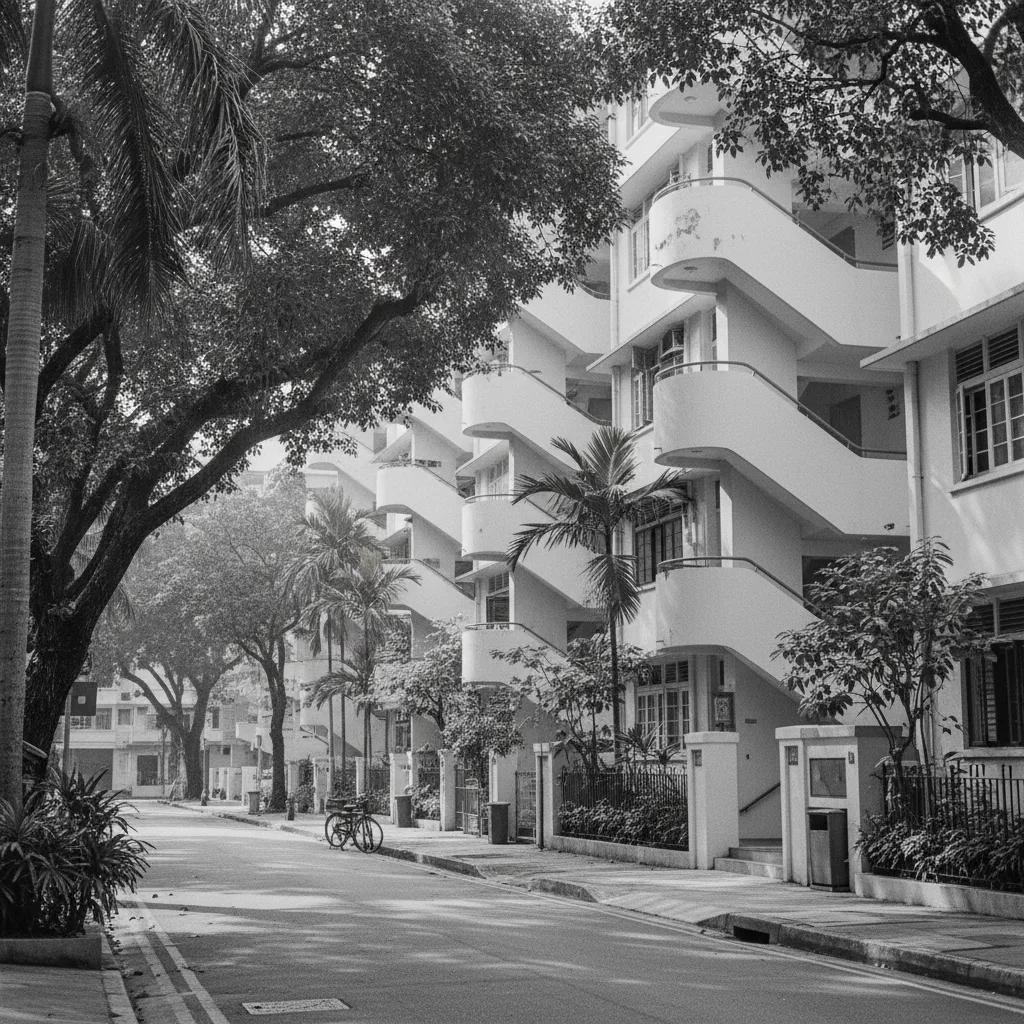
Escaping the high-density glass and steel towers of contemporary Singapore is as simple as stepping into the tranquil avenues of the Tiong Bahru Conservation Quarter. Recognized as Singapore's first public housing estate, developed in the 1930s by the Singapore Improvement Trust (SIT), this enchanting residential neighborhood functions as a living open-air architectural museum. Employing a thoughtful quiet museum gallery finder strategy allows design enthusiasts and heritage travelers to wander past unhurried residential quadrangles, discover historic wartime shelters, and inspect independent contemporary art spaces hidden within Streamline Moderne apartment blocks. Here, beneath gently swaying raintrees and curved aerodynamic balconies, visitors can experience a deeply nostalgic, artistic ambiance that feels decades removed from modern commercial urgency.
Walking the Architectural Museum of Tiong Bahru
Immersing yourself in the Tiong Bahru Heritage Trail reveals an outdoor architectural gallery unmatched anywhere in Southeast Asia. Constructed between 1936 and the early 1950s, the four-storey residential blocks along Moh Guan Terrace, Seng Poh Road, and Tiong Poh Road showcase classic Streamline Moderne and Art Deco design elements inspired by ocean liners and aviation. Wandering along quiet residential footpaths reveals curved cantilevered balconies, porthole ventilation openings, flat roofs, and external cantilevered spiral staircases that cast striking geometric shadows in the morning sun. Informative National Heritage Board plaques placed throughout the estate provide fascinating historical context regarding the architects, municipal pioneers, and literary figures who once inhabited these pioneering social housing blocks.
Uncovering History at the 1939 Air Raid Shelter
Visiting intimate historical sites tucked into residential basements unveils Tiong Bahru's hidden wartime past. Beneath Block 78 Guan Chuan Street lies Singapore's only surviving civilian air raid shelter built before the outbreak of World War II. Constructed in 1939 to protect up to fifteen hundred residents from aerial bombardment, this reinforced concrete underground bunker remains an evocative historical artifact. While general public access inside the bunker is restricted to specialized guided heritage walks, the exterior site, historical interpretive panels, and surrounding recessed ventilation shafts offer a solemn and deeply educational experience. Standing quietly beside these thick concrete walls amidst peaceful residential gardens provides a powerful, unhurried connection to the wartime resilience of Singapore's early generations.
Browsing Art and Independent Prints on Yong Siak
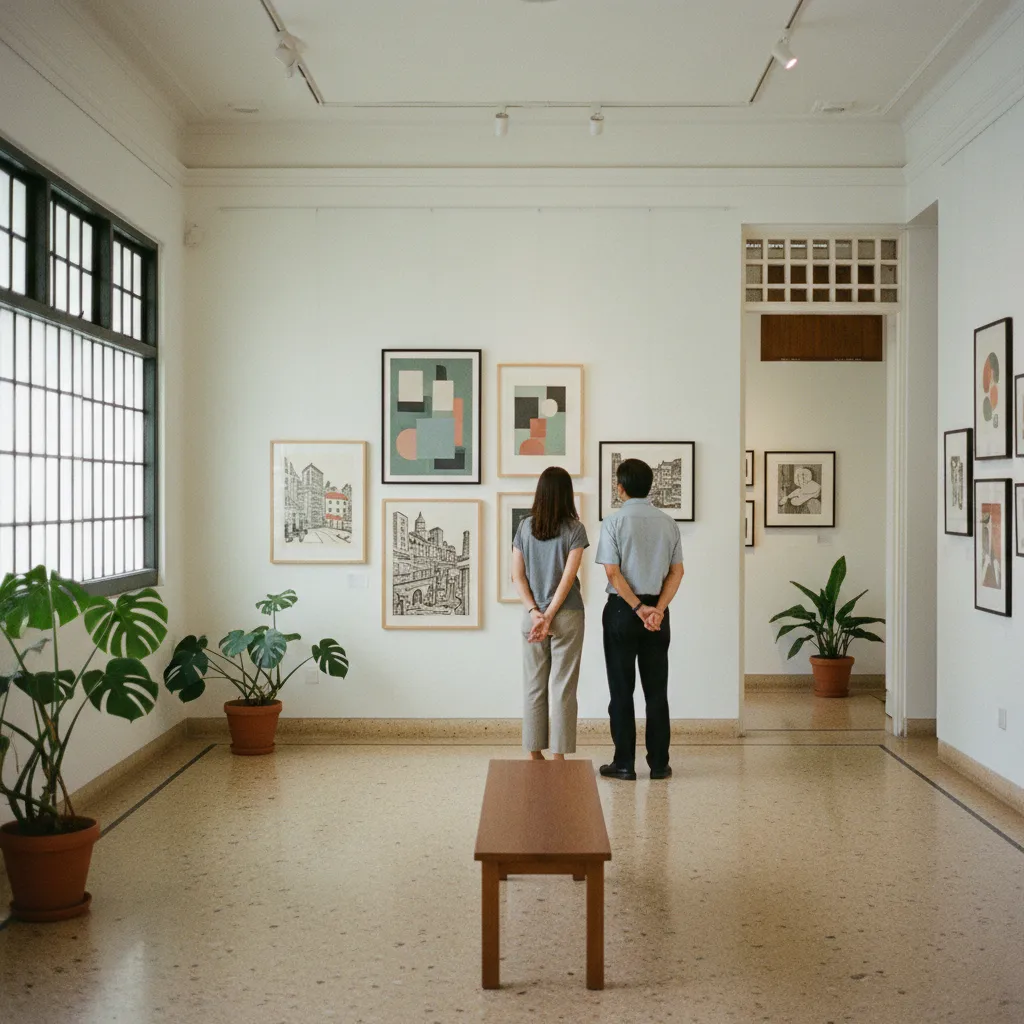
Visiting intimate cultural spaces and boutique print galleries along Yong Siak Street and Eng Hoon Street adds a vibrant contemporary dimension to an architectural walk. Independent publishing houses, artist-run project spaces, and specialized art bookshops occupy ground-floor conserved shopfronts characterized by polished terrazzo floors, custom plywood display shelving, and vintage louvered windows. These peaceful venues regularly exhibit limited-edition screenprints, architectural photography monographs, risograph posters, and indie illustration zines created by local and regional artists. Because the district attracts design-conscious visitors who appreciate quiet reflection and craftsmanship, these gallery bookshops maintain a calm, library-like atmosphere where visitors can browse exhibition prints and discuss local typography in respectful, hushed tones. Browsing through curated titles dedicated to Singapore's urban botany and colonial heritage provides delightful intellectual context that enriches the visual discoveries made during your neighborhood circuit.
Selecting Calm Morning Hours for Heritage Walks
Selecting calm morning hours between 8:30 AM and 10:30 AM on weekdays ensures the most peaceful experience throughout Tiong Bahru. During this time, the neighborhood wakes up at an unhurried residential pace, with elderly residents practicing morning tai chi in pocket parks and songbirds chirping in the raintrees. The estate's famous hipster cafes and bakery counters do not experience peak customer volume until late morning, allowing cultural explorers to photograph architectural details and read heritage trail markers in absolute tranquility. Visiting on Tuesday through Thursday guarantees clear, unobstructed views of the iconic spiral staircases without parked delivery vans or weekend photography clubs.
Practicing Unhurried Etiquette in a Living Community
Practicing unhurried and considerate manners is essential when exploring Tiong Bahru, which remains an active, multi-generational residential neighborhood. Keeping conversation levels low when passing through inner residential courtyards and respecting the privacy of ground-floor homes ensures that local residents are not disturbed. When photographing distinctive architectural features like external spiral staircases or porthole windows, standing on public footpaths rather than entering private residential stairwells demonstrates courteous appreciation. In independent bookshops and art spaces, handling limited-edition art books with clean hands and turning off phone notifications maintains the studious, contemplative environment for everyone.
Sitting Quietly in Seng Poh Tea Garden
Sitting quietly in Seng Poh Tea Garden, a charming circular pocket park located at the junction of Seng Poh Road and Moh Guan Terrace, offers a restful natural retreat during your cultural circuit. Surrounded by mature shade trees, blooming frangipani, and low heritage walls, the park features simple stone benches where you can rest with an architectural sketchbook while observing the tranquil rhythms of neighborhood life. Alternatively, pausing at a quiet corner table in an uncrowded morning coffee shop along Chay Yan Street allows you to enjoy a fragrant local kopi while reviewing the historic building elevations and photographs documented during your morning walk.
Meandering Across Horseshoe Blocks and Mews Lanes
Meandering across the famous Horseshoe Block along Moh Guan Terrace reveals the estate's most photogenic and serene residential enclave. This sweeping semi-circular building surrounds an expansive internal courtyard where lush tropical foliage and weathered brick pavers create a secluded oasis isolated from surrounding city avenues. Connecting lanes such as Kim Pong Road and Tiong Poh Road offer pedestrian-friendly strolls past pastel-painted shophouses, vintage metal window grilles, and charming community potted gardens. Walking through these tranquil backstreets provides a tactile, multi-sensory connection to the golden age of tropical modernism.
Accessing Tiong Bahru via Modern Underground Lines
Accessing Tiong Bahru is straightforward and rapid thanks to dual underground rail connections serving the district. Tiong Bahru MRT station on the East-West Line sits a pleasant eight-minute stroll to the west, connecting through Tiong Bahru Plaza and along Tiong Bahru Road under shaded tree canopies. For visitors arriving from the north or east, Havelock MRT station on the Thomson-East Coast Line offers an exceptionally convenient eastern entry point, placing you just five minutes from the heritage core along Kim Tian Road. Both transit hubs feature complete barrier-free access and clear street-level pedestrian wayfinding signs.
Structuring Memorable Architectural Walks with Karpo APP
Structuring memorable architectural walks and discovering tucked-away heritage exhibits across Singapore is made effortless through Karpo APP. The platform maps out optimized neighborhood trails, highlights historical milestones of conserved urban districts, and guides you toward the quietest viewing hours for iconic landmarks. Whether you are passionate about 1930s tropical Art Deco housing or looking for independent contemporary print galleries, Karpo APP assists you in navigating Singapore's diverse cultural geography with effortless elegance and complete peace of mind.
Ask Karpo for more information.
Keep reading
- Sentosa Christmas Light Up Walk Planner for Young Families
 Tanjong Pagar Christmas Light Up Walk Planner for Teams
 Bugis Christmas Light Up Walk Planner for Interfaith Friends