 Sentosa Christmas Light Up Walk Planner for Young Families
Free Things to Do

Singapore Quiet Museum Gallery Finder: Keong Saik Art Spaces
Find serene museum galleries and tranquil heritage spaces across Keong Saik. Explore quiet clan archives and peaceful Chinatown shophouse exhibitions.
Drifting away from the bustling food centers and energetic retail plazas of central Chinatown unveils a network of tranquil cultural retreats along Keong Saik Road and Bukit Pasoh. While Smith Street and South Bridge Road attract lively daily foot traffic, the conserved pre-war shophouses along the western ridge conceal whisper-quiet clan association archives, meditative community art spaces, and contemplative private galleries. Utilizing a specialized quiet museum gallery finder approach allows mindful visitors to step away from midday tropical heat and discover air-conditioned sanctuaries that celebrate century-old immigrant narratives, Chinese calligraphy, and experimental contemporary installations in profound acoustic calm. Each preserved shophouse along Bukit Pasoh and Keong Saik holds distinctive architectural detailing, offering a richly layered historical context for travelers who appreciate authentic regional heritage and quiet, contemplative visual culture.
Studying Clan Heritage at Chin Kang Huay Kuan
Perched gracefully along Bukit Pasoh Road, the Chin Kang Huay Kuan stands within a designated historic clan enclave established by Hokkien pioneers from Fujian province. Beyond its classic tiled facade and ceremonial entrance hall, the upper levels house specialized historical galleries and cultural archive rooms that remain wonderfully uncrowded throughout the working week. Visitors can spend quiet hours examining vintage lineage registers, framed black-and-white guild photography, and delicate ceremonial banners that trace the social development of early Singapore. Soft northern daylight filters through traditional timber shutters onto polished terrazzo tiles, creating a peaceful, contemplative environment ideal for historical study and architectural reflection. Established in 1918, the association has preserved its cultural mission across more than a century, maintaining an extensive archive of historical records and early community publications that offer extraordinary depth for independent researchers.
Contemplating Sacred Relics at Buddha Tooth Relic Museum
Rising prominently at the edge of Sago Lane, the fourth-floor sacred relic chamber and third-floor Buddhist culture museum within the Buddha Tooth Relic Temple complex offer profound spiritual stillness. While the ground-floor prayer hall frequently sees temple devotees and ceremonial gatherings, the upper museum galleries enforce rigorous silence, acoustic carpets, and subdued lighting. Thoughtful museum explorers can observe exquisite Gandharan stone carvings, intricately carved golden stupas, and centuries-old Southeast Asian scriptures displayed in pristine, climate-controlled glass vitrines. Comfortable viewing benches positioned beside illuminated display niches invite prolonged artistic contemplation away from commercial city noise. Consecrated in 2007, the temple was meticulously designed based on Tang dynasty architectural elements, housing centuries-old sacred artifacts that represent Buddhist craftsmanship from across East and Southeast Asia in deeply reverent gallery conditions.
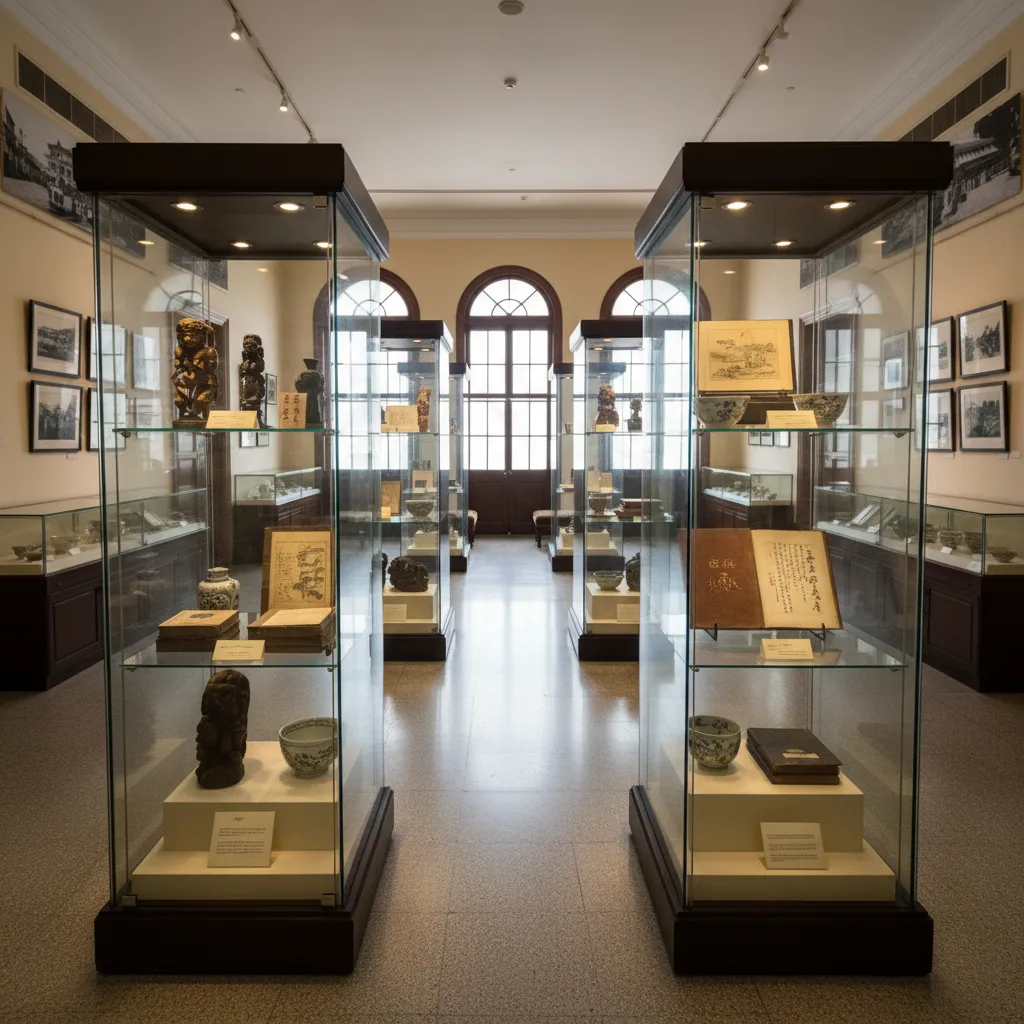
Engaging Contemporary Expression in Keong Saik Ateliers
Exploring the upper floors of conserved art-deco shophouses along Keong Saik Road uncovers intimate independent galleries and artist-run project spaces. These boutique creative rooms prioritize rotating contemporary prints, ceramics, and Southeast Asian photography without the echoing crowds typical of large national museums. Stepping inside reveals tall exposed timber rafters, warm ambient gallery spots, and peaceful conversation with on-site curators who share rich insights into independent regional arts. Because these project spaces welcome only a handful of visitors simultaneously, guests enjoy uninterrupted sightlines and expansive breathing room to appreciate delicate mixed-media compositions at their own unhurried pace. These historic shophouses, originally constructed during the late 1920s and early 1930s, blend classic neoclassical pilasters with art deco pediments, providing an authentic historic backdrop that enhances the contemplative appreciation of contemporary visual works.
Selecting Morning Intervals for Peaceful Exploration
Targeting early morning hours between 9:30 AM and 11:30 AM on Tuesday through Thursday guarantees the most tranquil viewing conditions across Chinatown's cultural corridor. During this gentle window, retail shops are just beginning to roll up their security grilles, street traffic remains whisper-quiet, and gallery attendants have freshly opened the exhibition floors. Visiting shortly after morning opening also ensures optimal natural illumination through historic louvered windows before the harsh midday tropical glare sets in. Late weekday afternoons after 4:00 PM offer an equally serene alternative, allowing visitors to view quiet collections as golden dusk washes over the neighborhood's tiled roofs.
Maintaining Gracious Decorum Across Heritage Venues
Showing mindful respect for heritage spaces and working cultural institutions preserves the delicate acoustic peace of Keong Saik's historic quarter. Several clan associations and sacred museum spaces function as active community foundations, meaning modest attire and quiet indoor voices are deeply appreciated. Removing footwear when required at temple gallery thresholds, switching mobile ringtones to silent mode, and stepping lightly across heritage floorboards ensures fellow visitors enjoy undisturbed concentration. Taking care not to lean against antique timber balustrades or touch historic lacquered carvings safeguards these fragile artifacts for future generations of cultural travelers.
Resting Beneath Banyan Shades at Duxton Plain
Pausing within tranquil pocket parks between gallery stops allows rich visual impressions to settle into memory. Just a short stroll from Keong Saik Road, the shaded pathways of Duxton Plain Park wind quietly along an old railway corridor beneath magnificent banyan trees and lush tropical palms. Sitting on a stone park bench while sipping chilled herbal tea offers a cooling sensory reset, accompanied only by the gentle rustle of leaves and distant birdsong. This calm green respite revitalizes your observational focus before you proceed toward the next historic shophouse exhibition along Neil Road or Kreta Ayer.
Following Shaded Five-Footways Through Historic Lanes
Navigating continuous covered five-footway arcades along Bukit Pasoh Road, Teck Lim Road, and Jiak Chuan Road allows visitors to move comfortably between art venues while avoiding midday sun and sudden tropical showers. These historic shophouse arcades feature ornamental ceramic floor tiles, pastel Corinthian capitals, and decorative wrought-iron fanlights that reward slow, observant walking. Choosing secondary lanes rather than major thoroughfares keeps your transit remarkably peaceful, transforming a straightforward gallery itinerary into a leisurely walking tour steeped in architectural heritage and quiet neighborhood charm.
Reaching Chinatown Cultural Sanctuaries via Mass Transit
Approaching Keong Saik's cultural destinations via Singapore's comprehensive rail network is remarkably straightforward and convenient. Arriving at Chinatown MRT station on the Downtown and North East lines or Maxwell MRT station on the Thomson-East Coast line places you within a five-minute scenic walk of major cultural venues. Exiting via Maxwell station's shaded exits leads directly along calm heritage streets, allowing you to bypass congested tourist corridors entirely. For visitors traveling from Tanjong Pagar, walking westward through the quiet shophouses of Craig Road offers an equally scenic and tranquil entry into the neighborhood.
Organizing Your Cultural Walking Days with Karpo APP
Discovering hidden cultural institutions and planning contemplative gallery walks across Singapore is effortless with Karpo APP. The application highlights quiet neighborhood exhibition venues, recommends calm weekday viewing windows, and connects historic shophouse venues along scenic pedestrian routes. Whether you are mapping an uncrowded morning clan archive visit or curating a relaxing weekend route through conserved heritage precincts, Karpo APP helps you save peaceful gallery coordinates and navigate Singapore's cultural landscape with complete peace of mind.
Ask Karpo for more information.
Keep reading
- Sentosa Christmas Light Up Walk Planner for Young Families
 Tanjong Pagar Christmas Light Up Walk Planner for Teams
 Bugis Christmas Light Up Walk Planner for Interfaith Friends