 Kovan Hainanese Curry Rice Lunch Picker: Heartland Plates
Restaurants

Tiong Bahru Prawn Noodle Breakfast Picker at Jet-Lag Dawn
A Tiong Bahru prawn noodle breakfast picker for jet-lagged arrivals: claim a seat, order soup or dry at the hawker floor, then wander the Art Deco flats.
Prawn noodles in Singapore are yellow noodles and rice vermicelli served in a broth made from prawn shells and pork bones, finished with prawns, pork, kangkong and crisp shallots. For travellers whose body clock says it is lunchtime at four in the morning, a Tiong Bahru hawker floor is a kind first stop. This prawn noodle breakfast picker explains how to turn a jet-lagged dawn into a good first meal.
The Gift of Waking Up Too Early
Long-haul arrivals from Europe or the Americas often find themselves wide awake well before sunrise. Instead of lying in a hotel room scrolling, take a taxi or walk to Tiong Bahru, one of the oldest public housing estates in the city. Its wet market and the hawker floor above it wake up early, long before the cafes that made the area famous.
Arriving at that hour means you see the estate as residents do. Stallholders lift shutters, older neighbours take their usual tables, and the first pots of broth begin to steam. It is quiet enough to look around without pressure, and it gives jet-lagged travellers a gentle, grounded first impression of how Singapore actually eats.
How a Hawker Floor Works
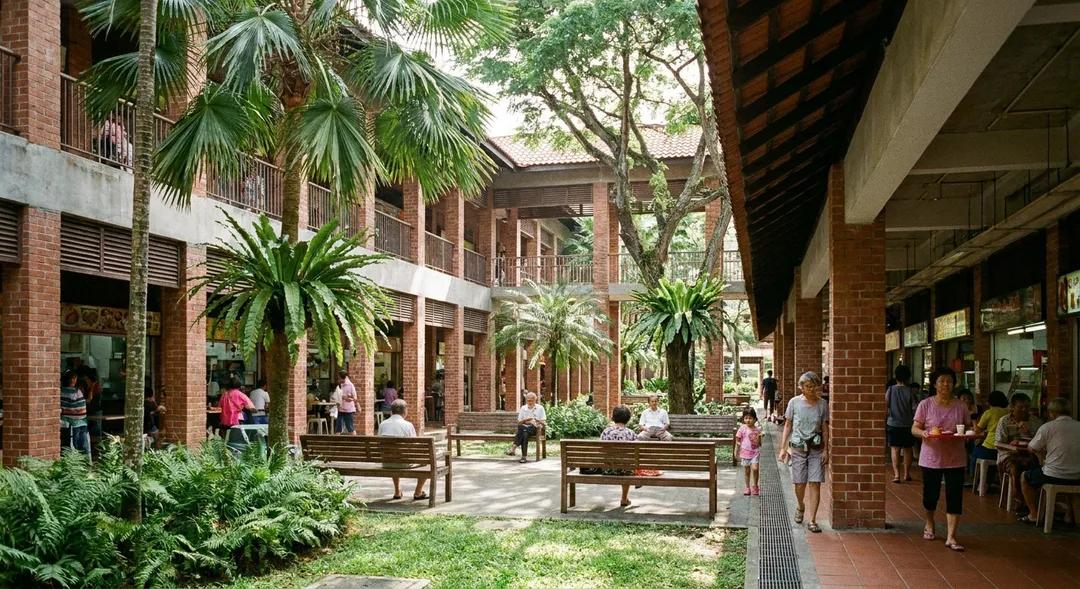
A hawker centre is a hall of small independent stalls sharing common seating. Each stall cooks one or two things, and you order and usually pay at the counter, then either wait or take a number. Drinks come from a separate drinks stall. Tables are shared by everyone, and nobody owns a particular seat, though regulars do have favourites.
Locals reserve a table by leaving a packet of tissues on it, a habit called chope. If a table has tissues, an umbrella or a lanyard on it, find another. When you finish, return trays and crockery to the tray return points. Doing this on your first morning quietly signals that you have done your homework, and people notice.
Reading a Prawn Noodle Stall
You can learn a lot from a stall before ordering. A large pot of dark, rust-coloured broth at the back, with prawn heads visible when the lid is lifted, suggests a stock taken seriously. A tray of prawns already halved and pork ribs stacked nearby means the stall is ready for the morning rush. A line of regulars is the clearest signal of all.
Some stalls show pictures or simple lists of bowl sizes and add-ons, while others simply expect you to know. Do not worry about getting the words perfect. Point at what the person ahead ordered if you like the look of it. Hawkers have fed visitors for years and will often guide a confused traveller with a quick nod or question.
Soup, Dry and the Noodle Mix
The key question is soup or dry. Soup comes with everything floating in the broth and feels restorative after a long flight, warming without being heavy. Dry arrives tossed in chilli and sauce with a small bowl of broth on the side, which is punchier and better if you are hungry rather than delicate.
You will also be asked about noodles, though many stalls default to a mix of yellow egg noodles and thin rice vermicelli. A jet-lagged stomach usually prefers the soup with vermicelli only, which is lighter. Ask for chilli on the side if you are unsure of your tolerance. Once you know the spice level, you can come back and order with confidence.

Pairing It With Kopi or Tea
Coffee in a Singapore kopitiam has its own vocabulary. Kopi is coffee with condensed milk, kopi-o is black with sugar, and kopi-c adds evaporated milk. Teh is the same system for tea. Adding the word kosong means no sugar, and siew dai means less sugar. After a night of airline coffee, a strong kopi can feel like a reset.
If you would rather sleep later in the day, try a warm barley water or a plain tea instead, since a full kopi at dawn can wreck your adjustment plan. The drinks stall usually moves faster than the food stalls, so order your drink first and sip it while waiting for your number to be called.
Walking the Art Deco Flats at First Light
Tiong Bahru's older blocks were built by the colonial housing trust before the war, and their curved balconies, rounded corners and spiral back staircases look striking in the low morning light. Walking through the estate after breakfast is a lovely way to keep moving and catch some sun, which helps reset your body clock. Keep to the shady side of the street, carry water, and let yourself wander without a plan; the estate is compact enough that you cannot get badly lost.
Look out for the hand-painted murals on the walls of some blocks, which show old market scenes, fortune tellers and family life from earlier decades. The estate also had a famous bird-singing corner, where men once hung songbird cages from a frame over their morning coffee. Ask an older resident about it if they seem in the mood to chat. Many are happy to point out which block they grew up in, which old shops have gone and which stalls have survived, and a short conversation like that is worth more than any travel guide paragraph.
When the Cafes Wake Up
By mid-morning the estate shifts character. Independent stationers, bakeries and design stores open their doors, and the brunch crowd arrives. If your energy holds, this is a good moment to pick up a pastry for later or browse the stationery and homeware shelves before the heat builds. If you are fading, head back and rest while you still feel the benefit of the early start.
Some travellers like to return the next morning and try the same stall again, ordering dry the second time. Others move on to another hawker centre. Either way, that first early bowl tends to become a fond memory of the trip, the moment Singapore stopped being an airport and became a city.
Plan B for Closed Stalls
Hawker stalls rest on different days, and a favourite stall might be shut on the morning you arrive. Do not let that spoil the plan. The same floor will have other noodle stalls, porridge, kaya toast or fishball soup that are equally comforting after a flight. Choose whatever has a steady line of locals.
The Karpo APP can help when you are standing in the hall, half asleep, trying to decide. Ask it for prawn noodle breakfast options around Tiong Bahru that suit a first-time visitor, compare a few nearby, and save the ones you want to try during the rest of your stay. By the end of the week, you will have your own favourite stall.
Ask Karpo for more information.
Keep reading
- Kovan Hainanese Curry Rice Lunch Picker: Heartland Plates
 Tampines Mee Rebus Breakfast Picker: Round Market Bowls
 Jurong West Mee Rebus Breakfast Picker: Boon Lay Bowls