 Chinatown New in Town Weekend Planner: Errands and Temples
Weekend Plans
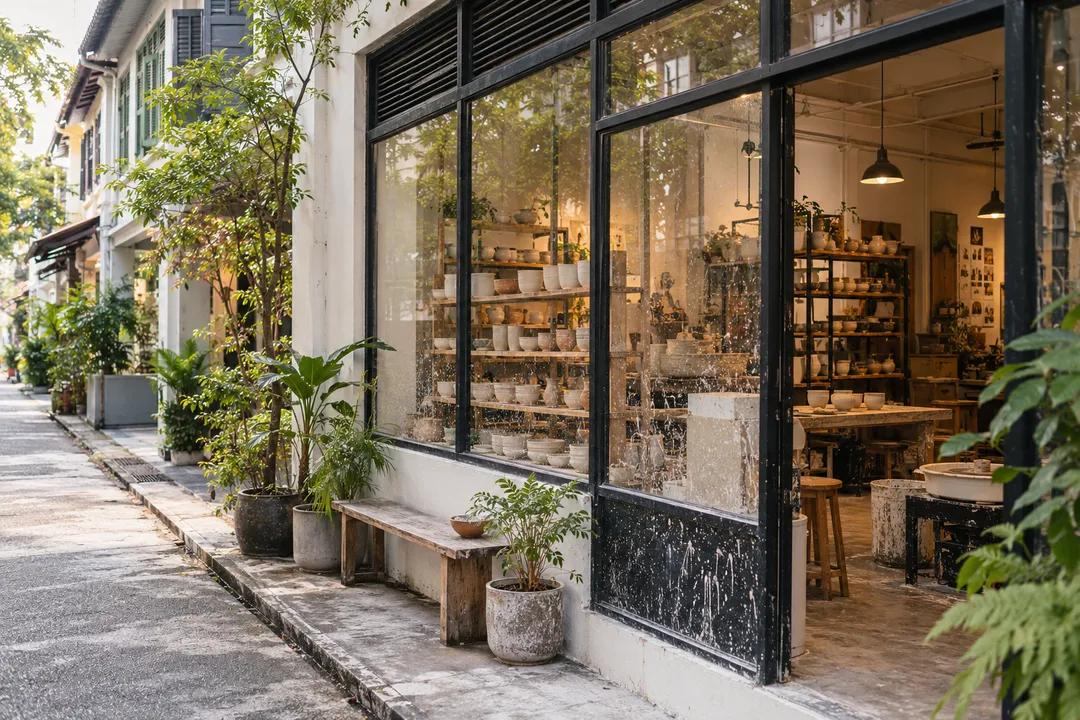
Pottery Ceramic Studio Havelock: Clayable Session Tips Guide
Plan a pottery ceramic studio visit at Clayable in Havelock, with its address, booking format, clay workflow, and practical tips for a smoother first session.
Clayable is at 2 Havelock Road, #02-12, Singapore 059763, and its 11am–5pm daily schedule makes it easy to fit into a central Singapore day. The studio is a useful option when one person wants a wheel lesson while another prefers hand building or pottery painting, but that flexibility only helps if you choose the activity before arriving. Check https://clayable.sg/ for the live format and booking details. Save the unit number, not just “Havelock,” because a smooth first visit begins with finding the correct room.
Make the Booking Decision
Clayable rewards a deliberate booking rather than an impulsive walk-in. Read the class title, duration, and what happens to the finished piece before you compare times. A pottery-painting appointment is a different promise from throwing on a wheel; neither is a lesser version of the other. If your group has mixed experience, agree on the plan in advance so one person is not choosing glazes while another is waiting for a demonstration. The daily hours are generous, but the most convenient slot is not necessarily the best one if it leaves no room for drying, collection, or a meal afterwards.
Start at Havelock
An object-first approach keeps the session from becoming vague. Decide whether you want a cup, small bowl, decorated piece, or a simple experiment, then ask what the studio recommends for that format. Beginners often overestimate how quickly a tall vessel can be built. A low, open shape gives your hands feedback without demanding perfect control at the rim. If the teacher suggests reducing the ambition, take that as useful guidance rather than a limitation. Clayable’s strength is the ability to make the visit approachable; the result improves when the brief stays small.
Choose the Object First
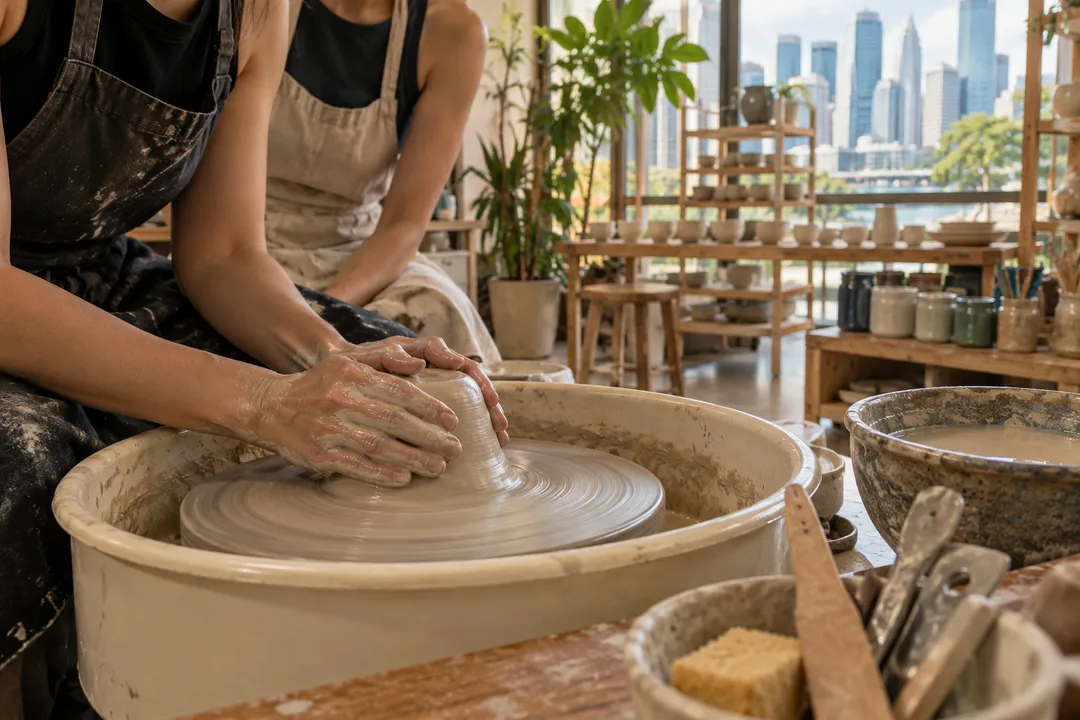
The practical geography of the room matters. Find the water, sponges, shared tools, drying shelves, and the place where finished work is labelled before you begin. Keep water on the clay rather than flooding the wheel, and clean the splash area when you change stages. If you are painting, protect the colour plan from turning into a muddy collection of every available glaze. A studio session is partly craft and partly housekeeping. Leaving the table ready for the next person is one of the clearest signs that you understood the format.
Water, Tools, and Time
Ask the firing question early, especially if this is a date or a holiday activity. Find out whether the price includes firing, how the studio contacts you, how long collection takes, and what happens if the piece is too thin or cracks during the kiln process. Those answers affect the object you should choose. A traveller may prefer a compact bowl that is easy to collect; a local may be happy to wait for a larger project. Never promise yourself a finished piece on the same afternoon unless the studio says so.
The Detail That Prevents Regret
Clayable’s menu creates three distinct kinds of visit. Wheel throwing offers the most direct lesson in balance and pressure. Hand building lets you work with slabs, coils, or joins at a slower pace. Pottery painting gives a faster visual result and may suit someone who wants colour rather than a technical introduction to clay. The mistake is booking one and expecting the other. Read the current product page, then tell your companion what you have chosen. A clear expectation makes the shared session feel generous instead of fragmented.
Wheel, Hand-Building, or Paint
Havelock is a useful place to continue the day because the studio does not have to carry the whole itinerary. Plan a short walk or meal nearby, but leave enough margin if the booking has a clean-up or collection instruction. The best follow-on is something that does not require pristine clothes or a rushed train connection. Photograph the label on your work before leaving if the studio allows it. That small record helps later when several weeks have passed and you are trying to remember which glaze belonged to which shape.
A Havelock Follow-On
When the piece leaves your hands, the experience is not necessarily finished. Keep the studio’s message or collection instruction, and do not assume a friend can collect without permission. A fired piece may have a different colour, weight, or edge from the wet object you remember. That is part of the process, not evidence that the booking failed. Clayable works best when the visitor allows the kiln stage to remain part of the story.
After the Piece Leaves Your Hands
Bring washable clothing, closed shoes, short nails, and a phone charger if you are coordinating a group. Save 2 Havelock Road, #02-12, Singapore 059763 in the map before you leave. Arrive with the booking confirmation visible, but keep your phone off the work surface once the demonstration starts. If you are painting, sketch a loose colour idea rather than copying a complicated reference. If you are throwing, bring patience instead of a rigid shape. The first ten minutes are more useful when your hands are available to observe.
A Compact Arrival List
Book Clayable when flexibility is the point: a central location, daily 11am–5pm hours, and several ways to work with ceramics. Choose the format honestly, ask about the kiln before designing the souvenir, and protect time for clean-up and collection. Skip it if your only goal is to walk in, make a tall perfect vase, and leave with it immediately. For everyone else, the Havelock address gives a straightforward route into pottery without pretending that wheel work, hand building, and painting are the same experience.
Who Should Book Clayable
A final practical note: daily 11am–5pm hours do not remove the need to reserve the right product. Keep the address visible if you are meeting friends, since “Havelock” can mean several different stops in a busy day. Clayable is easiest when the booking is specific. One person should know whether the group is painting, throwing, or hand building before anyone walks into the studio.
Ask Karpo for more information.
Keep reading
- Chinatown New in Town Weekend Planner: Errands and Temples
 Kampong Glam New in Town Weekend Planner: Mosque to Murtabak
 Holland Village New in Town Weekend Planner: Meet People