 Kovan Hainanese Curry Rice Lunch Picker: Heartland Plates
Restaurants
Katong Out of Town Guest Dinner Picker for Peranakan Fans
Bringing visitors east to Katong for dinner? Choose a Peranakan room for slow family plates, walk the pastel shophouses first, and keep the laksa for supper.
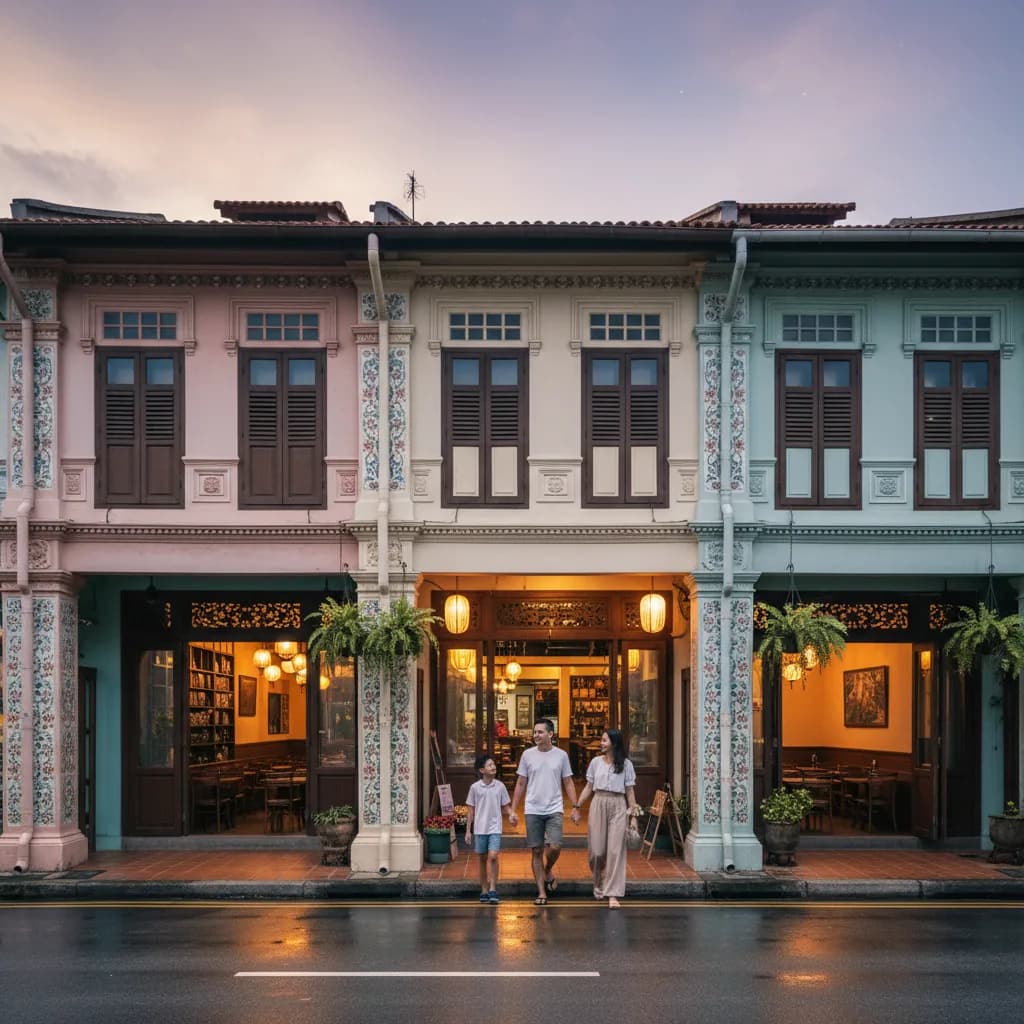
Katong is where Singaporeans take visitors who ask what people here really eat at home. The east side neighbourhood grew around wealthy Peranakan families, whose kitchens blended Chinese, Malay and Indonesian traditions into Nyonya cooking. Rows of pastel shophouses with painted tiles still line the side streets, and dining rooms serve buah keluak, chap chye and sambal that taste like a grandmother made them. For an out of town guest dinner picker, Katong turns a meal into a story.
Who Katong Suits Best
This is the right pick for guests who travel to understand a place rather than to tick off skylines. Parents, aunts and history buffs tend to love it, because every plate comes with an explanation and a family recipe. It also suits anyone staying near the airport or the East Coast, since the drive is short. Guests hoping for rooftop views and cocktails will be happier in the city centre, and that is fine to admit.
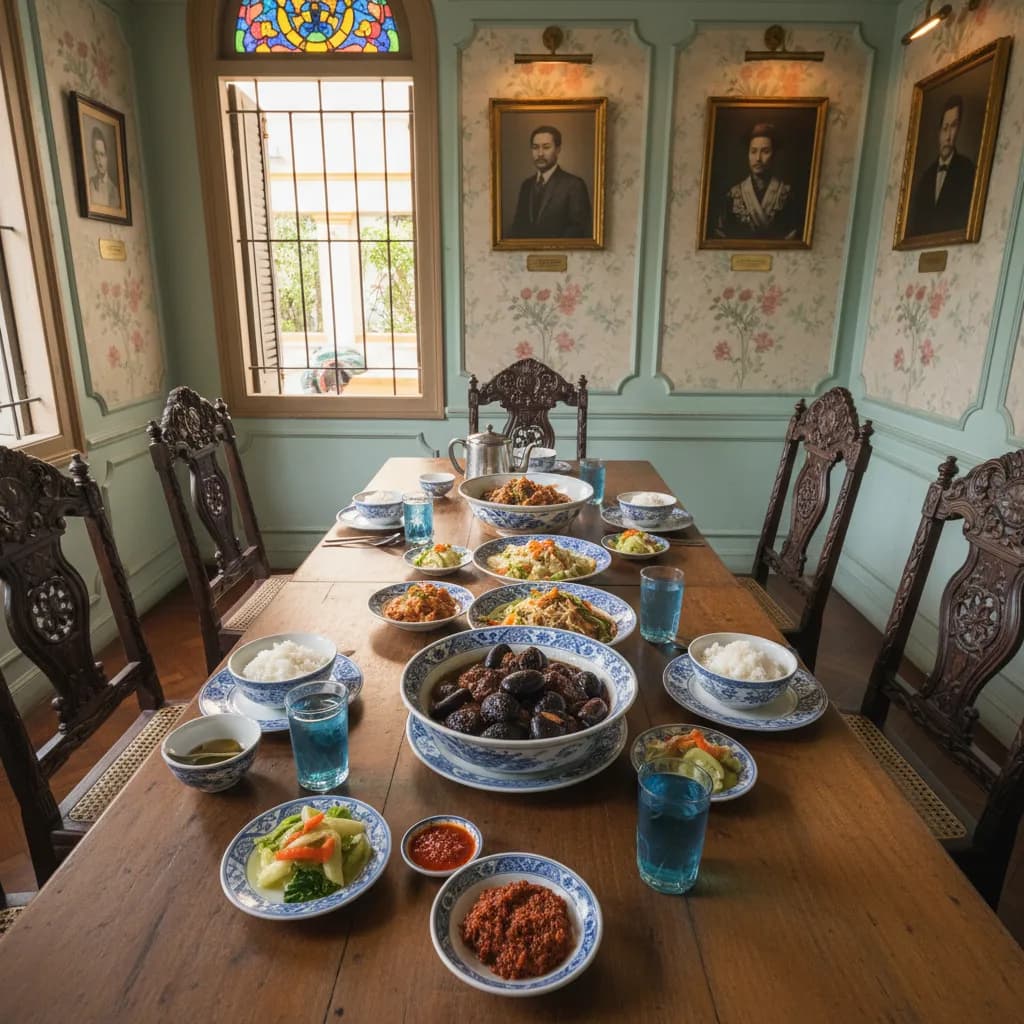
Peranakan dinners are slow by nature. Dishes are braised, pounded and simmered for hours, and the restaurants that do them well often feel like a relative's living room, with carved wooden chairs, framed photographs and porcelain in blue and pink. If your guests enjoy lingering over a meal and asking questions, Katong rewards them. If they want to be in and out before a show, choose a simpler coffee shop on the main road instead.
Walk the Shophouses Before You Sit Down
Arrive a little before dinner and give your visitors a short loop past the decorated terraces on Koon Seng Road, where the facades are bright enough to stop most people mid sentence. Point out the swing doors, the tiled walls and the pintu pagar half doors that once kept the street out while letting air in. Twenty minutes of wandering builds an appetite and gives the meal a context nobody forgets.
Along East Coast Road you will pass old bakeries, kueh shops and small heritage galleries that sell beaded slippers and kebaya. Guests who like souvenirs can pick up a box of pineapple tarts or kueh lapis to carry home, which saves you a trip to the airport shops later. Keep the browsing light, though, because the main event is the table, and Nyonya cooking is best enjoyed with a proper appetite.
What to Order at a Peranakan Table
Order family style and let the dishes tell the history. Ayam buah keluak, chicken stewed with the black nut that needs days of soaking, is the signature that divides opinion, and it is worth explaining before it lands. Babi pongteh, pork braised with fermented bean paste, is gentler and almost always a hit. Add chap chye, a soft cabbage and vermicelli stew, plus a fish or prawn dish cooked in tamarind.
Sambal belacan sits on the side for anyone who wants heat, so mild eaters stay comfortable. Many rooms also serve kueh pie tee, small crisp cups filled with shredded turnip, which are perfect for breaking the ice while everyone settles in. For dessert, try chendol with palm sugar or a plate of colourful kueh. Ask staff which dishes the kitchen is proudest of, because the answer usually comes with a family story.
One honest tip: skip ordering too many curries at once. Peranakan sauces are rich and layered, and three of them side by side blur together. Balance one braise with a sour dish, a vegetable plate and plain rice, and the flavours stay distinct. Your guests will taste the difference between sweet, sour and pungent, which is the whole point of this cuisine, rather than leaving with a vague memory of something spicy and brown.
Talk your guests through the meal as it unfolds. Peranakan families take pride in recipes passed down through the women of the household, and many restaurant owners grew up watching mothers and aunts grind spice pastes by hand. Asking how a dish was made at home, or which one they cooked for festivals, often leads to warm conversation with the staff. Visitors leave feeling they were welcomed into a family tradition rather than served a meal.
Keep the Laksa for Later
Katong is famous for its own style of laksa, a coconut curry noodle soup with short cut noodles you can eat with only a spoon. It is tempting to start with it, but it fills people up fast. A better plan is to enjoy the Peranakan dinner, walk along the main road, and then share a small bowl of laksa as a nightcap if anyone still has room. Visitors love being told this is how locals do it.
If the group is large or includes small children, a coffee shop with laksa, satay and carrot cake can be the whole dinner instead. It is noisier and simpler, but nobody minds spilled sauce, and the variety means fussy eaters find something. You can always come back to a Peranakan room on another evening once everyone has adjusted to the time difference and the heat, and it gives the trip a second highlight.
Have a fallback ready in case the room you wanted is full. Katong has several Nyonya kitchens within a short walk of each other, plus Eurasian and Teochew spots that also feel rooted in the neighbourhood. If the wait looks long, take the group for a drink of cold sugarcane or barley water nearby and check back. A relaxed host matters more to tired visitors than landing the most talked about table on the street.
Practical Notes for Hosts
Katong is spread out, so plan transport. The Thomson East Coast line now runs through the area, and taxis are easy to flag along East Coast Road. Weekends get busy at the well known dining rooms, so for a party of six or more it helps to contact the restaurant ahead. Bring a light layer, because air conditioning inside can feel sharp after the warm, humid walk outside.
To narrow the choice, open the Karpo APP and ask for Peranakan dinner ideas in Katong that suit your group, whether you need room for a wheelchair, a quieter corner for older relatives or a casual spot with laksa for the kids. Karpo can suggest nearby options and a simple order for walking the shophouses first. Then let the food and the facades do the hosting, and your guests will feel they met the real Singapore.
Ask Karpo for more information.
Keep reading
- Kovan Hainanese Curry Rice Lunch Picker: Heartland Plates
 Tampines Mee Rebus Breakfast Picker: Round Market Bowls
 Jurong West Mee Rebus Breakfast Picker: Boon Lay Bowls