 Tampines Board Game Cafe Night Picker for School Holidays
Bars & Nights Out
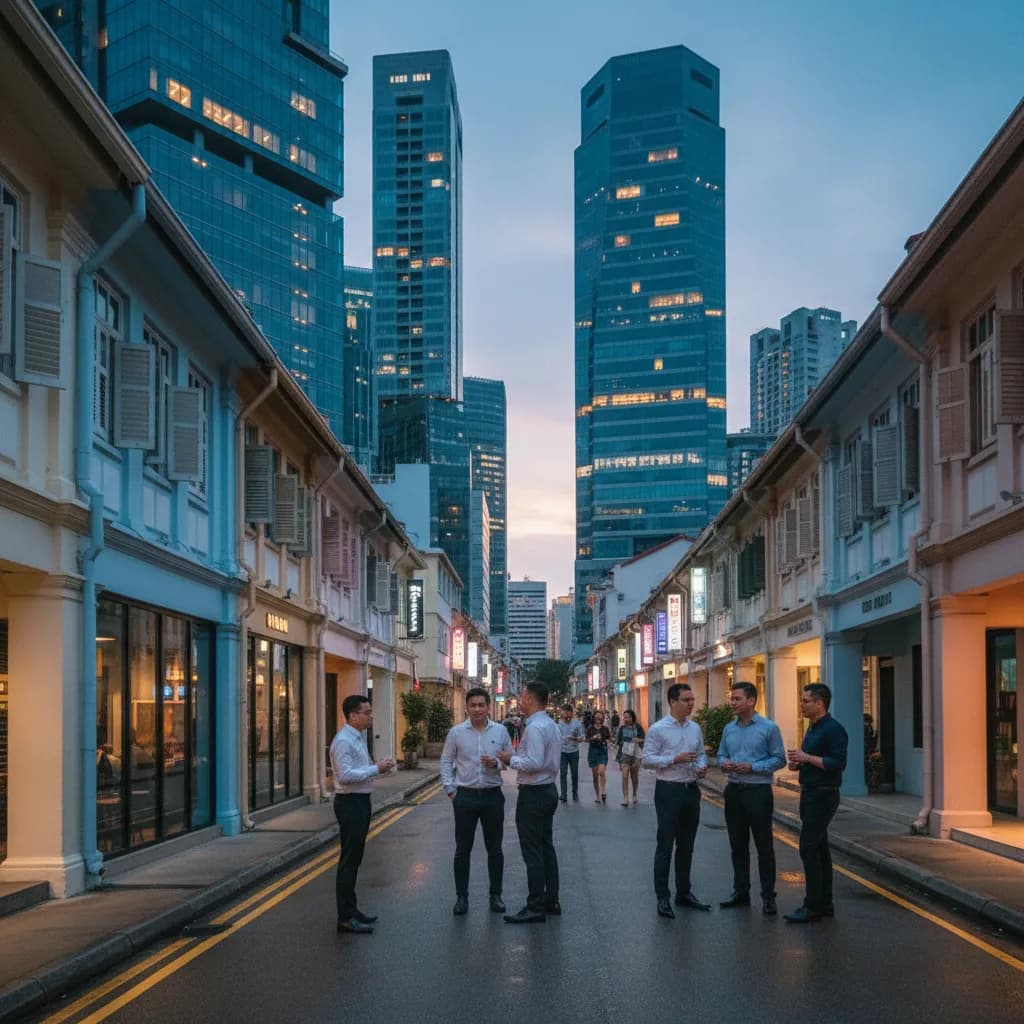
Tanjong Pagar Neighborhood Wine Bar Crawl Planner After Work
Tanjong Pagar fits an after-work wine crawl for colleagues: meet near the station for one glass, then climb toward Duxton and Keong Saik for those who stay on.
Tanjong Pagar is the Singapore neighbourhood where the working day turns into an evening out without anyone having to go home first. The district sits right beside the towers of the financial centre, yet its streets are lined with restored shophouses climbing gentle slopes toward Duxton Hill and the curve of Keong Saik Road. Once a world of rickshaw pullers, clan associations and shop-front trades, it now holds a dense cluster of wine rooms, small bars and restaurants. This neighborhood wine bar crawl planner treats Tanjong Pagar as the after-work route for colleagues, especially on a Friday when people leave the office at different times and want to drift in and out.
Designing a Crawl for People Who Arrive at Different Times
The hardest part of an after-work drink is not choosing the bar. It is the fact that half the team leaves on time while the rest are stuck on a call. A crawl solves that. Instead of booking one big table that sits half empty for an hour, plan a staged evening. The first stop is a meeting point close to the station, where early leavers settle in and late arrivals can find the group easily. The second and third stops sit further up the hill for those who want to keep going.
Share the plan in the team chat before anyone leaves the office. Name the first stop, the rough moment you will move on, and the street the second stop is on. People who join late can head straight to wherever the group has reached without a string of messages. It sounds simple, but it is what turns a scattered Friday drink into an evening where everyone feels included, including the colleague who could only stay for one glass.
The First Stop Near the Station
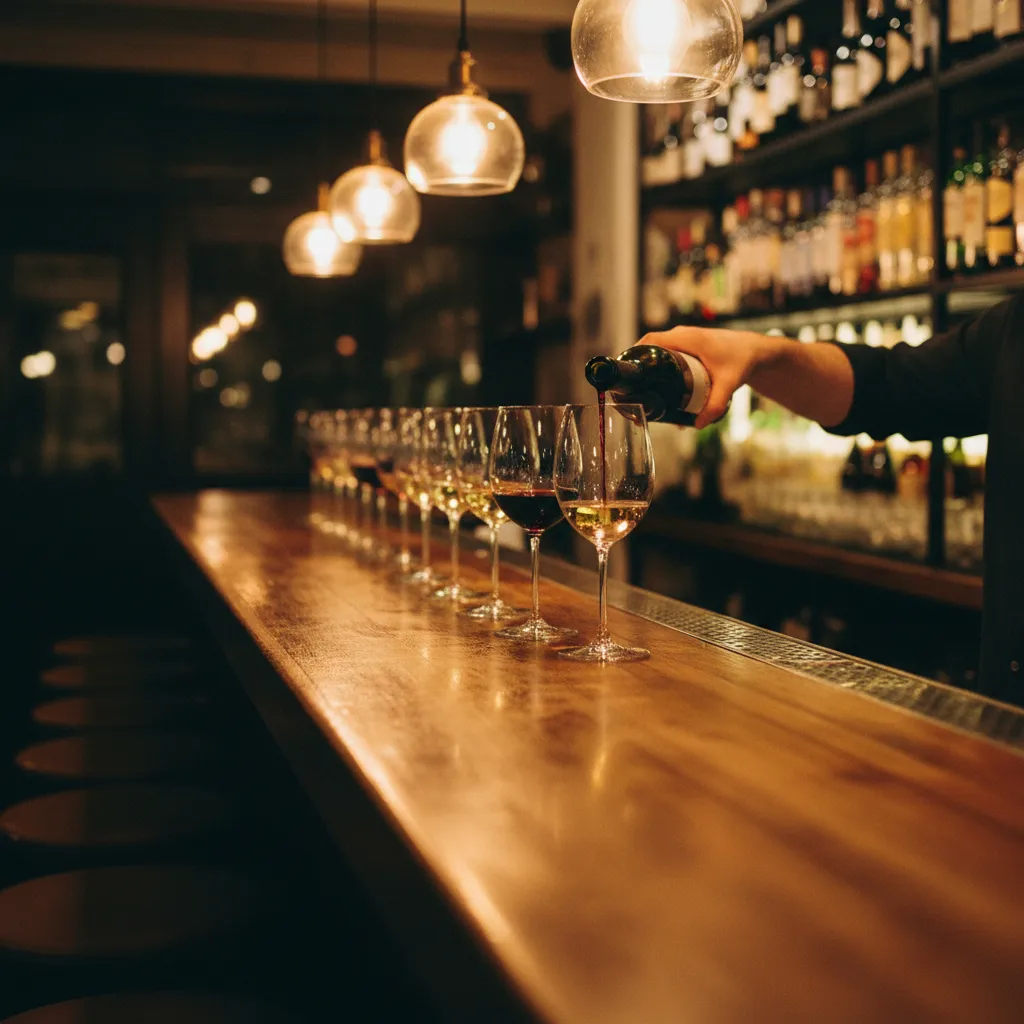
Choose the first bar for convenience and space. Look for a room or a terrace on the lower streets close to the train station, with standing room or long tables that can absorb a growing group. Order a couple of bottles of something easy for the table, a crisp white and a light red, rather than letting everyone order single glasses at once. It keeps the bar staff happy, speeds things up and gives early arrivals something to share while they wait for the rest.
This is not the stop for a serious wine list. It is a decompression room, where people loosen their collars, talk about the week and complain about the commute. Keep the conversation light and avoid turning it into another meeting. If someone senior is paying for the first round, make it clear that the later stops are optional and pay-as-you-go. That honesty stops anyone from feeling trapped and makes the whole evening more relaxed.
Climbing Toward Duxton for the Second Stop
Once most people have arrived and the first bottles are finished, walk the group up toward Duxton Hill. The short climb along the shophouse rows is part of the fun. The facades get more ornate, the streets narrow, and the noise of the main road fades behind you. Duxton has a village feel, with small wine rooms in restored shophouses and a little park at the top where people sit in the evening air. Smaller groups can split between two neighbouring bars here and meet up again later.
At the second stop, slow down and drink better. This is the moment for a more interesting glass, something the staff are excited about or a style the group has not tried before. Counter seats work well for colleagues who want to learn about the wine, while a corner table suits the ones who want to keep talking. A few small plates to share help everyone stay steady, especially those who skipped lunch at their desks.
Keong Saik for Those Who Stay On
By the time the second stop winds down, the group will have shrunk to the people who really want to keep going. Lead them around to Keong Saik Road, the curving street of pastel shophouses that was once known for a rougher nightlife and has become one of the most stylish dining streets in the city. Here the bars are more intimate, the lighting lower and the lists deeper. It is the right setting for a final glass and the kind of conversation people only have at the end of a long week.
Keep this last stop small. Large groups crowd the narrow rooms on Keong Saik and make it hard for other guests to enjoy the evening. Four to six people is ideal. If the group is bigger, split into two and choose different bars on the same street. Everyone gets a better seat, and the evening ends on a quieter, more personal note.
Who Should Use This Route and What to Avoid
This crawl suits office teams celebrating the end of a project, friends who work in the nearby towers, new colleagues trying to get to know each other and anyone hosting a visiting coworker from abroad. It is less suited to people who want to dance or stay out until the small hours, and to anyone who dislikes walking uphill in work shoes. The climb is short, but it is a climb. Avoid starting on Keong Saik and walking down, since the most intimate bars are wasted on a big, noisy group at the start of the evening.
Rain is common on Friday evenings, but it should not cancel the plan. The five-foot ways along the shophouse rows offer cover for much of the walk, and the wet streets reflect the warm windows beautifully. If a heavy storm hits, simply stay longer at the first stop, then move on once it eases. The rhythm of the crawl is flexible enough to absorb a downpour.
Practical Notes for Planning
Plan a staged evening: a meeting point near the station, a second stop on Duxton Hill and a final, small stop on Keong Saik. Share the plan before leaving the office so late arrivals can find the group. Order bottles for the table at the first stop and drink more adventurously later. Keep the last stop to four to six people and split larger groups. Use the covered walkways when it rains. To shortlist bars that can handle groups, open the Karpo APP and ask for wine bars around Tanjong Pagar, Duxton or Keong Saik.
Ask Karpo for more information.
Keep reading
- Tampines Board Game Cafe Night Picker for School Holidays
 Dhoby Ghaut Board Game Cafe Night Picker for a Second Date
 Chinatown Board Game Cafe Night Picker for Three Generations