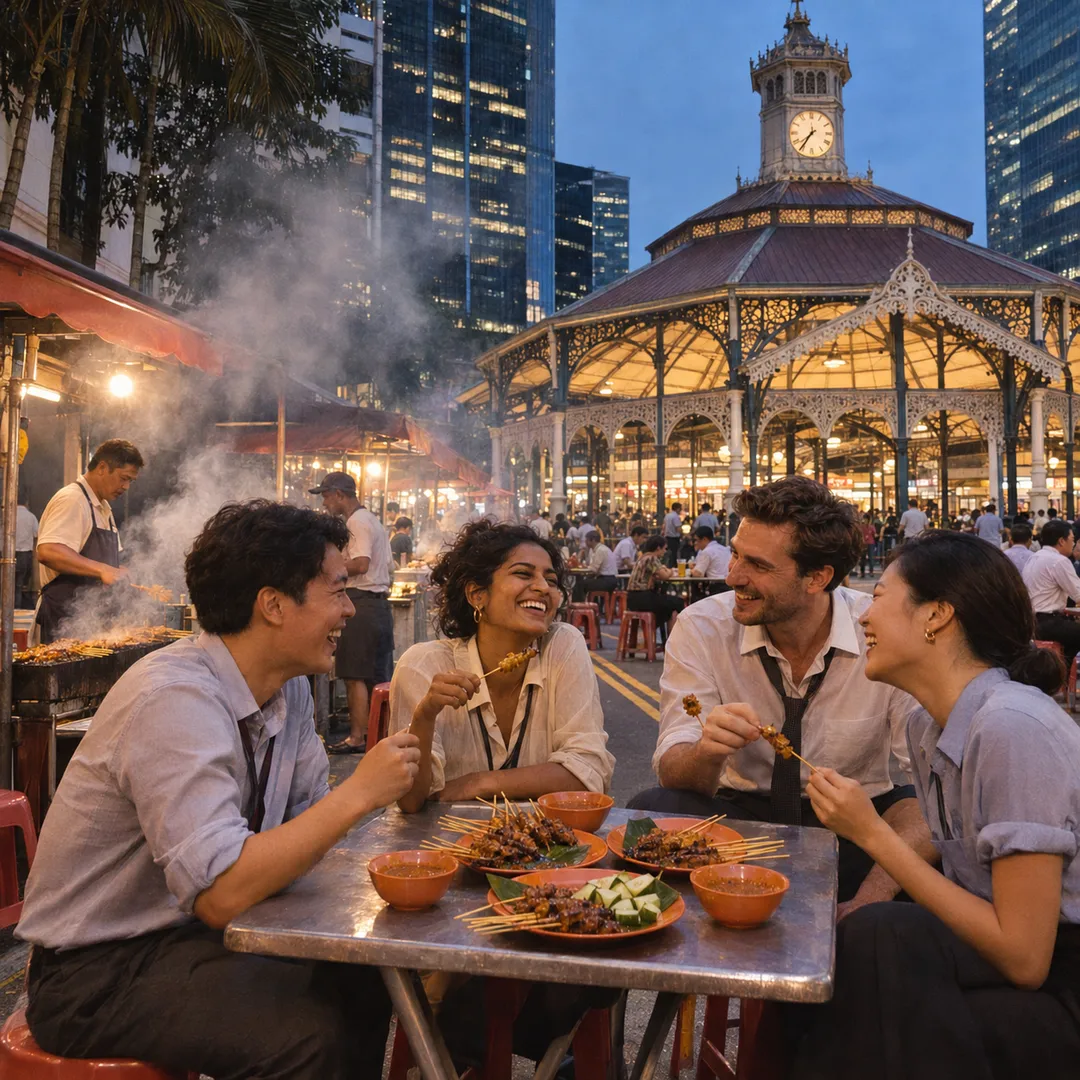
 Marina Bay Food Market Grazing Route After a Conference Day
Neighborhood Guides

Singapore Neighborhood Walk Planner: Tiong Bahru Loop Guide
Shape a Singapore neighborhood walk planner around Tiong Bahru curves, market energy, a kopi pause, and a compact loop that leaves room for conversation.
A Tiong Bahru walk works when the route leaves space for talk. Use a Singapore neighborhood walk planner to balance curved apartment blocks, market energy, small design details, and a sit-down pause without turning the outing into a race. In the Karpo APP, describe the group mood and the time you have before the next commitment. Ask for a few nearby ideas, then choose a loop with a simple return. The district is the setting; your actual pace and appetite decide how many sections belong in one afternoon.
Set The Social Pace First
Social walks need an agreed rhythm before anyone starts. Tell the planner whether the group prefers one long conversation, several short stops, or room for browsing apart. Add the real finish: a train, a reservation, or a meeting elsewhere. A map can estimate movement, but it cannot know how long friends will linger over a story. Reserve that social time first, then let the streets fill the remaining shape. The result will feel more generous than a route that treats conversation as an interruption.
Use Tiong Bahru's rounded architecture as a visual opening. A first circuit around the curved blocks can orient visitors without requiring an immediate purchase or decision. The middle section can follow a market edge, a lane of independent storefronts, or a small detail that rewards looking up. Finish near a straightforward connection. Put all three roles into the request so the suggestions have a job. The route should be explainable as a sequence of moods, not only a set of pins.
Begin With Curves And Corners
The kopi pause is the heart of this kind of walk, but it should have a boundary. Say whether the group needs a proper table or can pause standing with a drink. If sitting matters, shorten the street section before you leave. If conversation is the main purpose, protect the pause and make the market section removable. A queue can alter the entire afternoon, so agree on a waiting limit in advance. The planner exposes that trade-off while you can still choose a calmer loop.
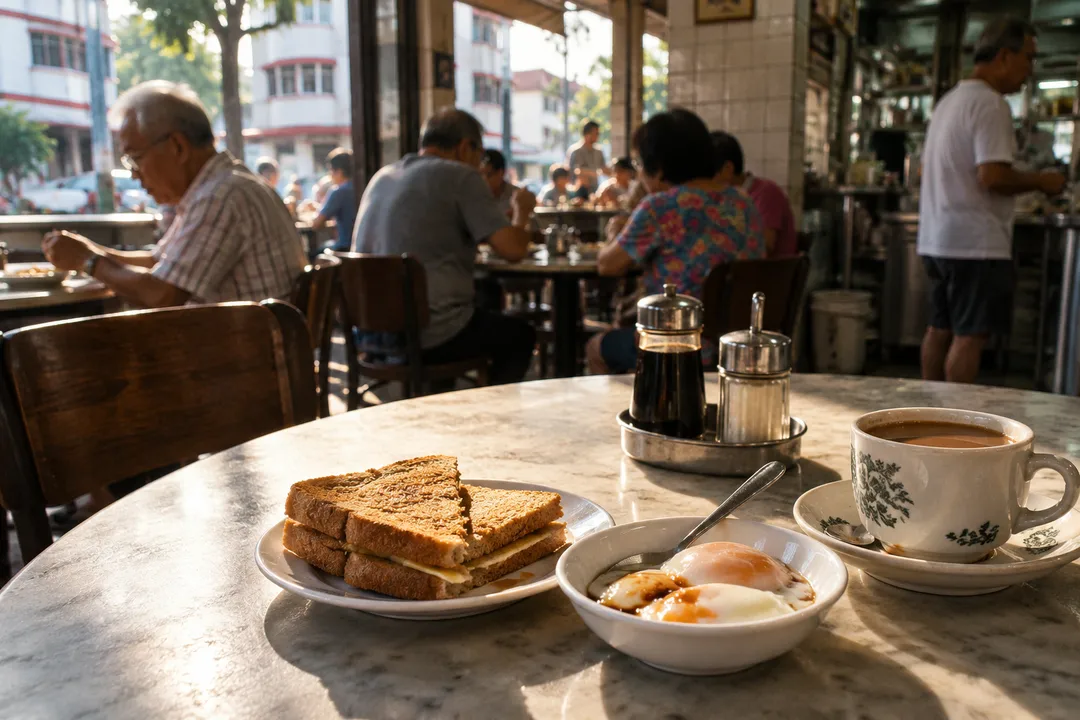
Market energy is attractive because it changes by the minute. Give the group permission to browse without turning every stall into an obligation. Choose one thing to notice—signs, baskets, sounds, or the contrast between old and new facades—and let the rest pass. Ask Karpo for a route that keeps the market near the center but offers an obvious shortcut. When the group tires, remove the second pass rather than rushing through the pause everyone wanted.
Protect The Kopi Pause
If someone walks slowly, make regroup points part of the design. A corner with a wide view or a clearly named building can serve as a friendly anchor. The faster walkers can look at a nearby facade and return without sending a stream of updates. Explain this preference in the brief. The app can suggest clusters, while the group decides how to remain together. A simple meeting habit makes a shared walk feel relaxed instead of managed.
Weather changes the market section first. On a bright day, ask for shade and short outdoor links. In rain, keep the curved blocks as a visual reference and shift the longer pause indoors. A revised request can preserve the neighborhood character while cutting exposed distance. Use exact edits: keep architecture and conversation, remove the far detour, and finish near the next transport connection. That is easier to plan than asking for a generic rainy-day itinerary.
Keep The Market Section Optional
Build the map in layers. The anchor layer is the architectural loop. The experience layer is the market or shopping section. The social layer is the kopi pause. The return layer protects the commitment after the walk. Look at the whole shape before you start. If the route doubles back, move the pause rather than adding another stop. A good loop has a visible reason for every turn and a clean line toward the finish.
Tiong Bahru invites small observations: stairwell geometry, old signboards, shade under mature trees, and the way a market lane changes once lunch is over. Give each person one observation to carry. That makes the walk specific without demanding constant photography. Karpo can help generate nearby possibilities around a mood such as nostalgic, sociable, or design-curious. Your own choices decide which details deserve time and which remain part of the background.
Practical Notes For Tiong Bahru
Late arrivals are common on social outings, so create a delayed-start version before leaving. Drop the optional browse first, keep the pause if it is the reason everyone came, and shorten the outer loop. Tell the group that the shorter route is a complete plan, not a consolation prize. When everyone knows the rule, the first twenty minutes feel less stressful and the conversation can begin sooner.
Use the finish as a promise to the group. If someone needs a direct connection afterward, do not hide that requirement beneath a picturesque final detour. Ask for a route whose last stretch is obvious, and mark the point where you will turn back. The walk can still end with a detail worth noticing, but the route should make the onward journey easy to explain. Calm endings are part of hospitality between friends.
Practical Notes For Tiong Bahru In Practice
A good companion brief names what should not happen. You might say no long queues, no compulsory shopping, no separated group, or no uphill push in the heat. These boundaries help the planner filter ideas before the map grows crowded. Add one priority interest and one optional treat. The result is more usable than a request for every popular thing in the district. Constraints make the social plan feel intentional.
Practical Notes For Tiong Bahru: include the Singapore starting area, finish, total window, preferred conversation pace, shade needs, pause requirement, and the first stop you are willing to cut. Ask Karpo for a compact set of nearby ideas, then arrange them in walking directions. This article offers planning guidance rather than business hours, prices, seating guarantees, or admission information. Your route should keep the conversation and the return leg visible at the same time.
Practical Notes For Tiong Bahru Checklist
Write the final version where everyone can see it: curved blocks, market edge, kopi pause, optional lane, onward connection. If the group wants to linger, use the removable lane without debating the whole route. If energy drops, head toward the finish while the day still feels good. The best neighborhood walk planner does not fill every minute; it protects the reason you invited people out in the first place.
End with the Tiong Bahru connection beside the market cut, so conversation can linger without hiding the way back. A shared line in the group note keeps the social purpose ahead of one extra pin.
Ask Karpo for more information.
Keep reading
- Marina Bay Food Market Grazing Route After a Conference Day
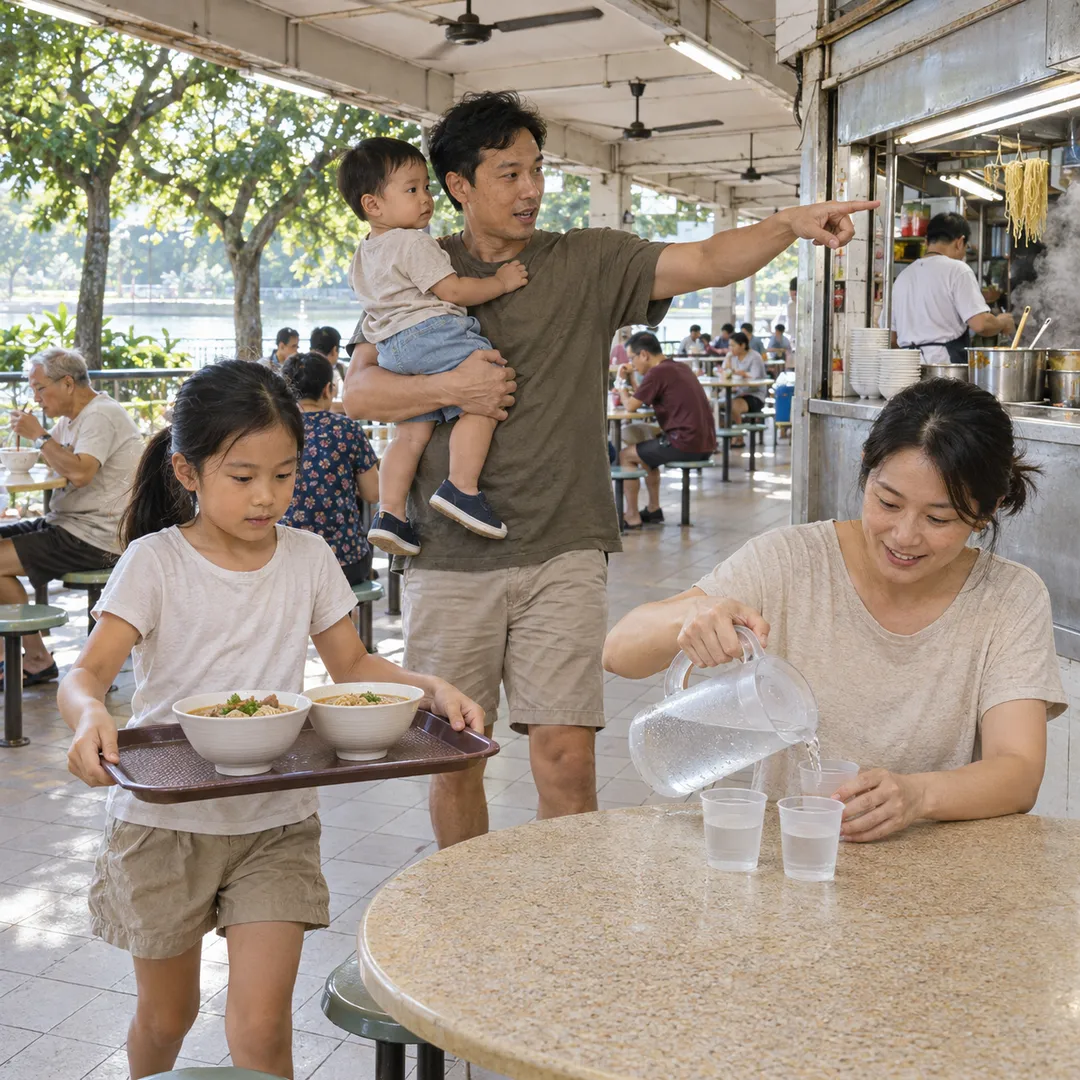 River Valley Food Market Grazing Route With Young Kids
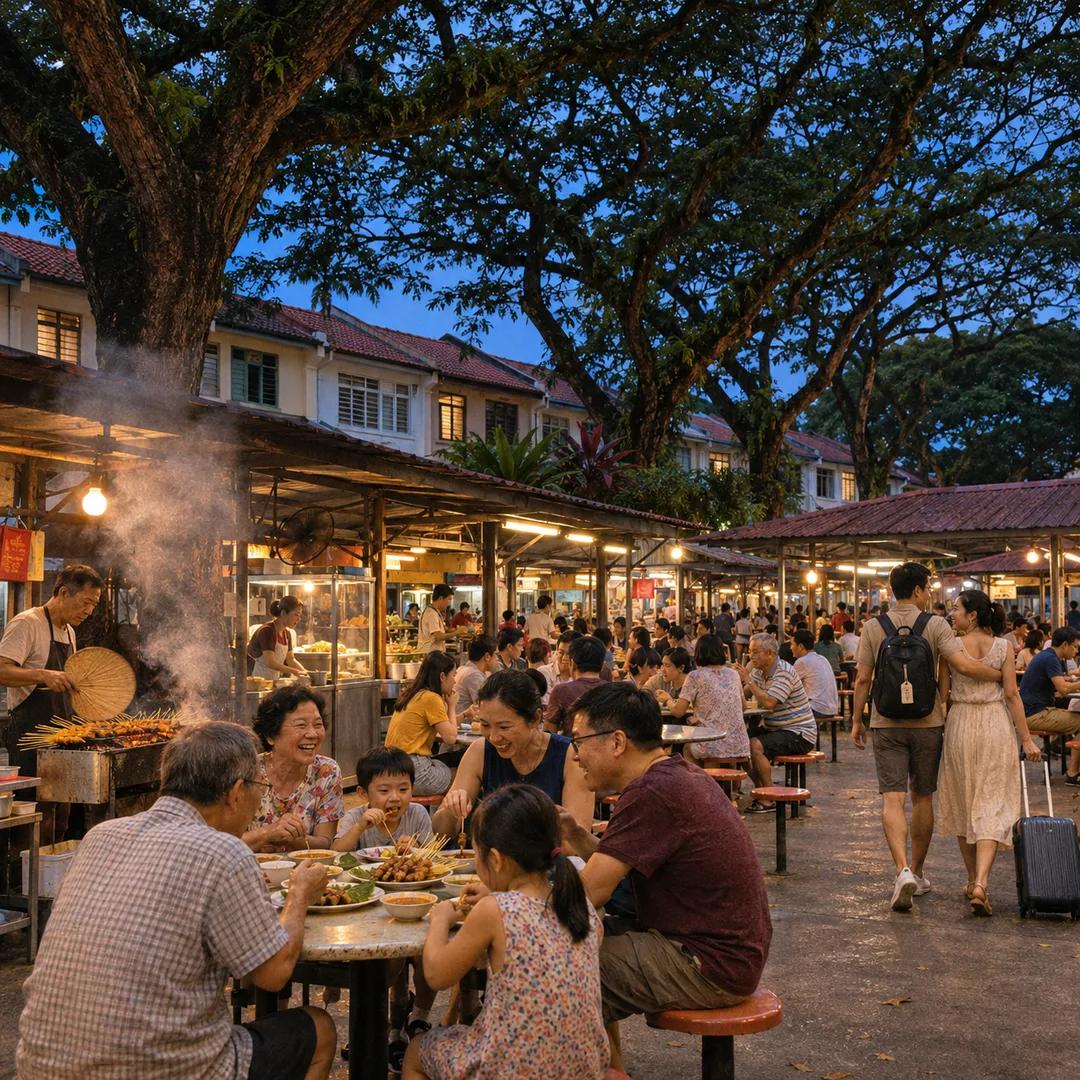 Serangoon Food Market Grazing Route for a Homecoming Weekend