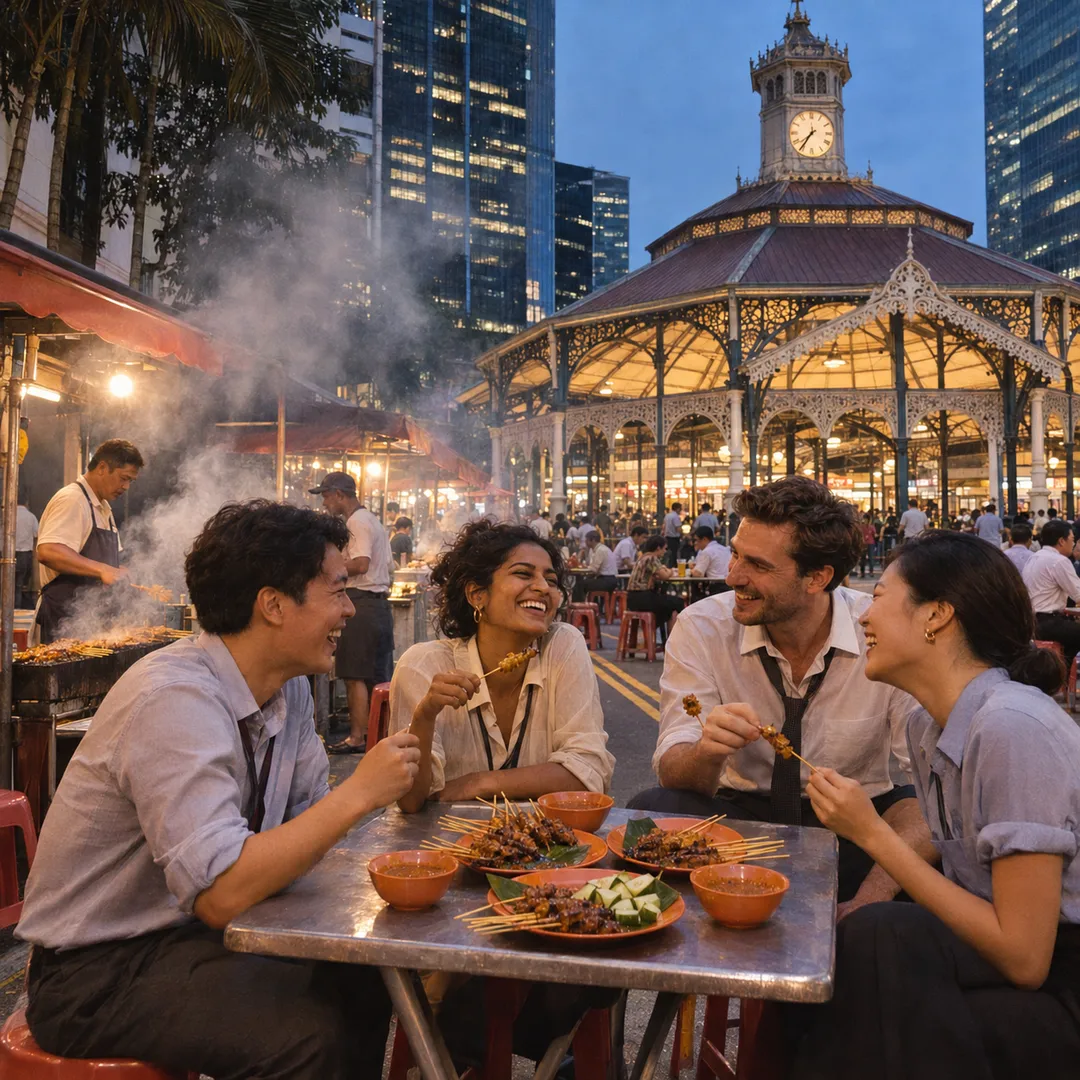
 Marina Bay Food Market Grazing Route After a Conference Day
Neighborhood Guides

Singapore Neighborhood Walk Planner: Little India Loop Now
A Little India neighborhood walk planner mixes painted facades, market textures, and shaded pauses with a clear exit. Keep the route compact when heat rises.
Little India is easiest to approach as a question about texture. Ask Karpo APP for painted shutters, tile, garlands, or spice color, then add a fixed finish and a walking limit. The answer should be a compact loop rather than a catalogue. Put the most important visual change in the first third, while everyone is still fresh, and reserve one quiet pause for the people who prefer looking to collecting stops.
Open With A Color Question
A useful opening sequence starts with a broad, easy-to-understand street edge before turning into smaller lanes. That first orientation keeps the group together and gives a slower walker time to settle. In the request, say whether the route must return to its starting transit line or can finish at another convenient point. A visible return makes the afternoon feel intentional even when the group edits the outer loop.
Color has more impact when it is paired with a quieter stretch. Tell the planner to place a lively market view beside a less crowded lane, a shaded arcade, or a pocket where the group can compare details. The contrast gives companions a story to follow: saturated paint, then shadow; dense scent, then open air. A route built around that rhythm feels specific to Little India rather than like generic sightseeing.
Keep The Spine Short
Heat belongs in the first prompt, not in an apology after the walk begins. Include shade tolerance, water needs, the maximum exposed minutes, and the time the group must turn back. Ask Karpo for a direct option and a slower option with the same mood. When a plan names its limits, the group can choose comfort without losing the visual thread that made the neighborhood appealing.

Five-foot ways and shop entrances are working space, so a photo pause needs a location and a time limit. Request places where the group can stand to one side, and avoid asking for a stop directly in front of a doorway. One person can take a closer look while the rest hold back. This small rule protects residents and vendors while giving the walk a more observant, less hurried feel.
Alternate Market And Shade
Different paces do not require different days. Ask for one branch under ten minutes, with a clearly named rejoin point and a final meeting time. The branch might favor a facade detail or a food-market texture, but it should not create a second itinerary. Karpo is helpful when it describes the branch in one sentence that a companion can remember without opening the map again.
If rain arrives, keep one covered sequence and shorten the exposed connector. Tell the planner which quality must survive: color, food aroma, architectural detail, or a calm finish. A good fallback preserves the neighborhood’s character while changing the order of stops. It also names the first cut, so nobody debates in a downpour whether to sacrifice the quiet pause or the distant extension.
Write The Heat Rule
The most honest edit is often to drop the farthest loop. Little India rewards close looking, and an extra distance can make every stop feel rushed. If the group is late, keep the opening color view, the central contrast, and the direct exit; remove the section that adds travel without adding a new texture. Writing that trade into the handoff prevents a late companion from suggesting one more detour.
Give the walk a simple set of observation prompts. Ask where a color changes, how a doorway frames shadow, or which surface shows the most wear. Feed those questions into Karpo so the output links places through attention rather than listing names. Companions remember a route when each stop answers the previous question, and they can repeat the idea on a future walk without copying the same pins.
Use A Polite Photo Pause
A practical neighborhood plan also allows for a pause that is not an attraction. Ask for a bench, sheltered edge, or quiet widening where people can drink water and compare what they noticed. This pause is useful for families and for friends who want conversation. It should appear in the middle of the loop, leaving the last section short enough that tired walkers still arrive together.
When the group wants a food-oriented variation, describe appetite as a preference rather than promising a specific venue. Karpo can suggest a route that passes the right kind of market texture and leaves the final choice to the user. Keep the walking line readable and separate the browsing branch from the return. That way an unexpected queue does not compromise the entire neighborhood loop.
Make The Branch Optional
Before departure, write a compact handoff: starting edge, visual theme, total window, shade rule, rain pivot, branch limit, and first removable section. Include the agreed exit and a regroup instruction. The note should be short enough to read beside the street corner. A shared plan reduces backtracking and lets the group enjoy details without repeatedly asking who is leading the next turn.
Practical Notes For Little India
End Near Your Exit
The final approach should feel quieter than the middle. Ask for a route that moves toward the agreed exit after the last close look, with room to refill water and check the next commitment. Do not add a distant landmark simply because it is nearby on a map. A calm finish is what makes a Little India neighborhood walk planner useful for a real afternoon instead of an aspirational list.
Use Karpo APP to request Little India texture, a maximum walking window, shade tolerance, one optional branch, a rain fallback, and a direct finish. Compare the compact and spacious versions before leaving. This product-flow page does not promise live crowd levels, opening hours, prices, reservations, or seating; it helps you shape a walk that fits the group and can be edited without confusion. A route should leave the party with one clear memory: a color band, a scent crossing, or the change from busy frontage to quiet shade. Write that memory into the handoff so the planner can prioritize it when time moves. The group can then edit the loop confidently, knowing the neighborhood detail they came for is still protected.
Ask Karpo for more information.
Keep reading
- Marina Bay Food Market Grazing Route After a Conference Day
 River Valley Food Market Grazing Route With Young Kids
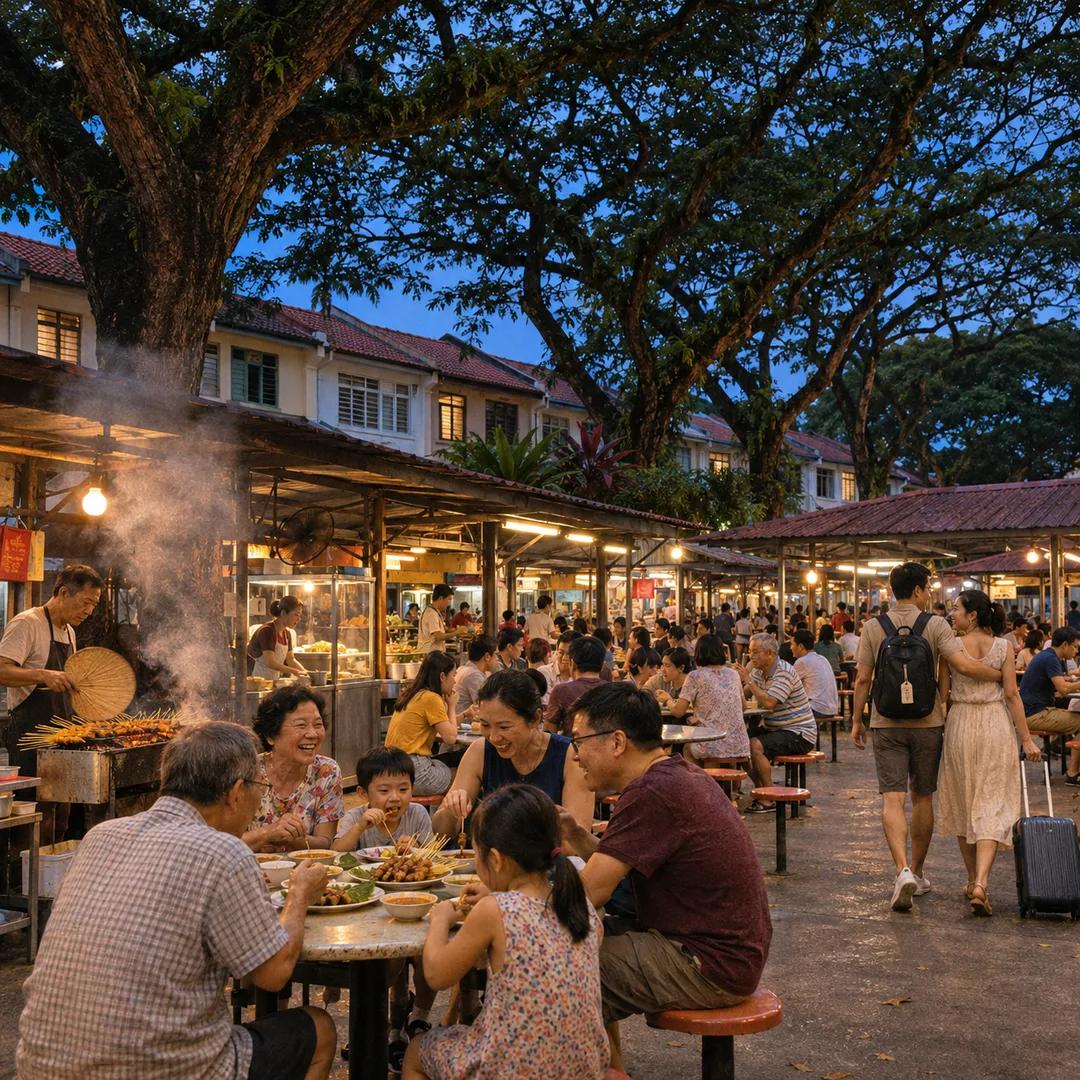 Serangoon Food Market Grazing Route for a Homecoming Weekend