 Marina Bay Food Market Grazing Route After a Conference Day
Neighborhood Guides
Singapore Neighborhood Walk Planner: Joo Chiat Tile Loop
Plan a Singapore neighborhood walk planner route through Joo Chiat tilework, pastel facades, a shaded cafe pause, and a direct evening finish.
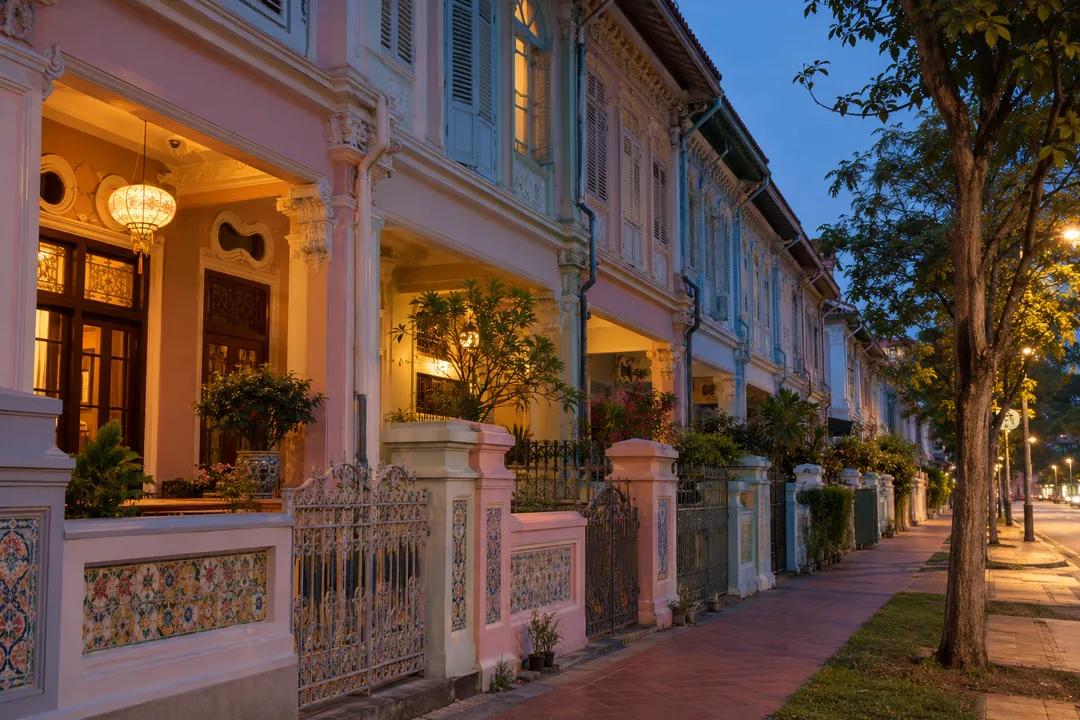
Joo Chiat is a strong setting for a detail-led walk because tilework, pastel facades, balconies, and five-foot ways reward a slower eye. A Singapore neighborhood walk planner keeps that curiosity from becoming an overheated zigzag. In the Karpo APP, state whether the outing is for architecture, photographs, food, or a first look at the district. Add the latest finish time and a preferred level of walking. The route should give the group a visual thread, a place to pause, and a simple way toward the next plan.
Choose A Cool Evening Finish
Start with the evening handoff. You might need to meet friends, reach a show, or return toward the city after a neighborhood dinner. Write that endpoint before asking for suggestions. Then ask for three nearby ideas built around tile, color, and sheltered transitions. The map should show the return leg from the beginning. A beautiful facade on the far side of the district may not belong in a short outing if it forces a long exposed walk back.
Let tilework set the rhythm. Choose one first view that introduces the shophouse scale, a middle lane where patterns and balconies can be compared, and a final section that points toward the finish. Keep the sequence loose enough for conversation. You can ask Karpo for a mood such as architectural, photographic, or gently curious. The app narrows options; the map reveals whether the route feels coherent. Your own eyes decide when a detail deserves a longer pause.
Follow Tile And Facade Details
A cafe pause works best when it is described honestly. If everyone needs a seat, say so and shorten the outdoor section. If a drink is simply a bonus, mark it removable. This distinction changes the route more than adding another attraction. Give the group a waiting limit, especially during a busy evening. A clear rule lets everyone enjoy a window or tile detail without quietly worrying that the finish is drifting away.
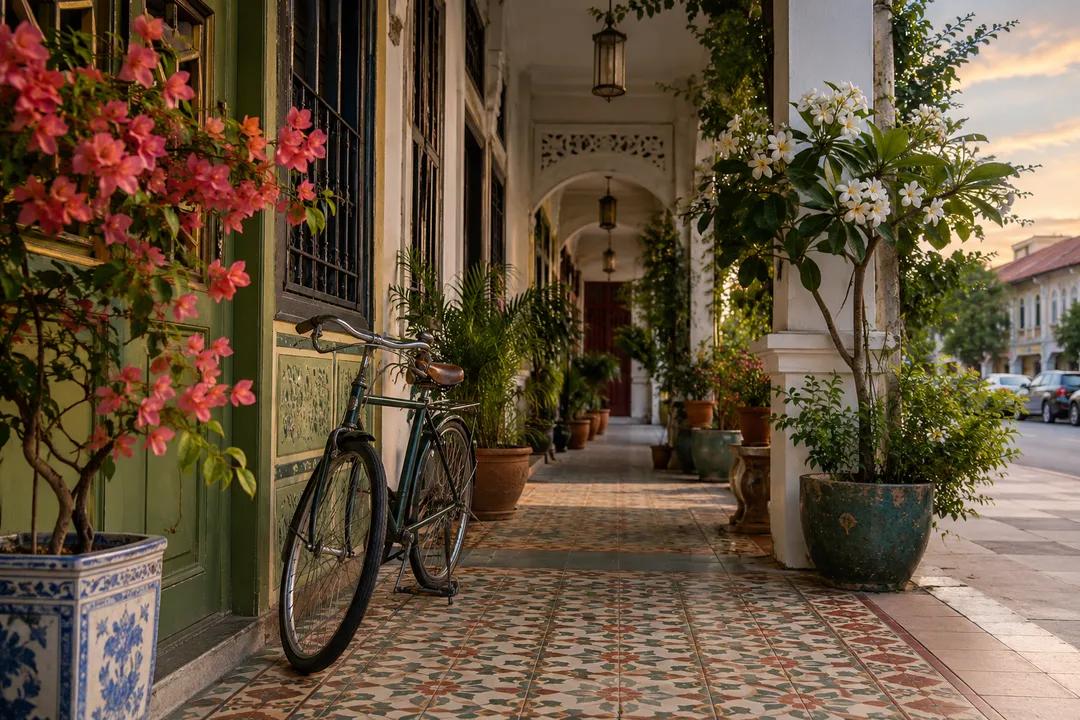
Five-foot ways offer useful transitions between hot stretches. Ask for a route that alternates open facades with covered edges, but do not treat every sheltered section as a promise of uninterrupted shade. The planner can suggest a shape; you still choose how long to remain outside. Bring the practical constraints into the brief: walking tolerance, sun sensitivity, and whether photographs matter more than distance. A route designed around real comfort will feel more vivid than a longer one built for a map.
Make The Cafe Pause Optional
For photographers, choose a small visual assignment. Compare two tile patterns, notice how balconies frame the sky, or collect door colors. One assignment is enough to focus attention without turning companions into assistants. Give the group permission to stop while others continue to the next meeting point. Add that coordination rule to the request. It keeps a slow look from becoming a logistical surprise.
If rain begins, preserve the color story and change the sequence. Keep one exterior anchor, move the longer observation into covered transitions, and bring the finish closer. A revised prompt might ask for a short Joo Chiat loop with sheltered links, one optional cafe pause, and no distant detour. Specific constraints help compare versions. They also make it easier to abandon a plan that assumed dry pavement.
Design Around Five-Foot Ways
Put the candidate stops into walking directions and inspect the shape, not only the distance. A route that crosses the same junction three times may look efficient on a flat list but feel repetitive in person. Move the pause to the point where the group naturally slows. Keep a shortcut visible from the middle. If one lane has become too crowded, use the shortcut instead of trying to preserve every planned view.
Joo Chiat rewards a softer pace than a landmark sprint. Notice the contrast between polished new interiors and older details that remain at eye level. Let the neighborhood's ordinary edges carry part of the story: a plant, a mailbox, a painted gate. Karpo can supply themes for noticing, but it should not replace your own reading of the street. The planner is a starting frame for attention.
Practical Notes For Joo Chiat
A delayed start should produce a complete shorter version. Drop the furthest facade cluster first, retain one strong tile section, and keep the pause only if it protects the group's purpose. Tell companions the revised shape before you leave. A plan that contracts cleanly is kinder than one that asks everyone to walk faster to save an extra stop. The finish remains the fixed point while the middle changes.
When interests split, use parallel options that rejoin. One person can take a short photography turn while another takes a shaded pause, then both meet at the same corner. Keep those branches close enough to explain without a complex map. Add the rejoin point to your notes. This arrangement creates choice without creating separate outings, and it protects the shared ending.
Practical Notes For Joo Chiat In Practice
The last stretch should feel like a gradual change of tempo. After a close look at tile or balconies, choose a route with fewer decisions and a clear direction. That lets the group talk again while moving toward the next commitment. If dinner is the finish, leave time to arrive composed rather than breathless. A calm handoff is part of the neighborhood experience.
Practical Notes For Joo Chiat: put the district, start, finish, walking window, shade preference, visual theme, cafe requirement, and first removable detour into your Karpo APP request. Arrange the suggestions on a map and keep the return leg visible. This guide does not promise business hours, prices, seating, or admissions. Carry water and make the shorter route explicit before you set out.
Practical Notes For Joo Chiat Checklist
Your final outline can be read aloud in one breath: first facade, tile lane, optional shaded pause, second detail, evening finish. That is enough structure for a satisfying walk. If the weather or the group changes, remove the detour rather than rewriting the whole afternoon. A neighborhood walk planner is valuable when it preserves curiosity while making the ending easy to reach.
End with the Joo Chiat handoff beside the tile detour you will remove first. That pairing protects the evening commitment while leaving enough room for one unexpected doorway or patterned facade.
Ask Karpo for more information.
Keep reading
- Marina Bay Food Market Grazing Route After a Conference Day
 River Valley Food Market Grazing Route With Young Kids
 Serangoon Food Market Grazing Route for a Homecoming Weekend