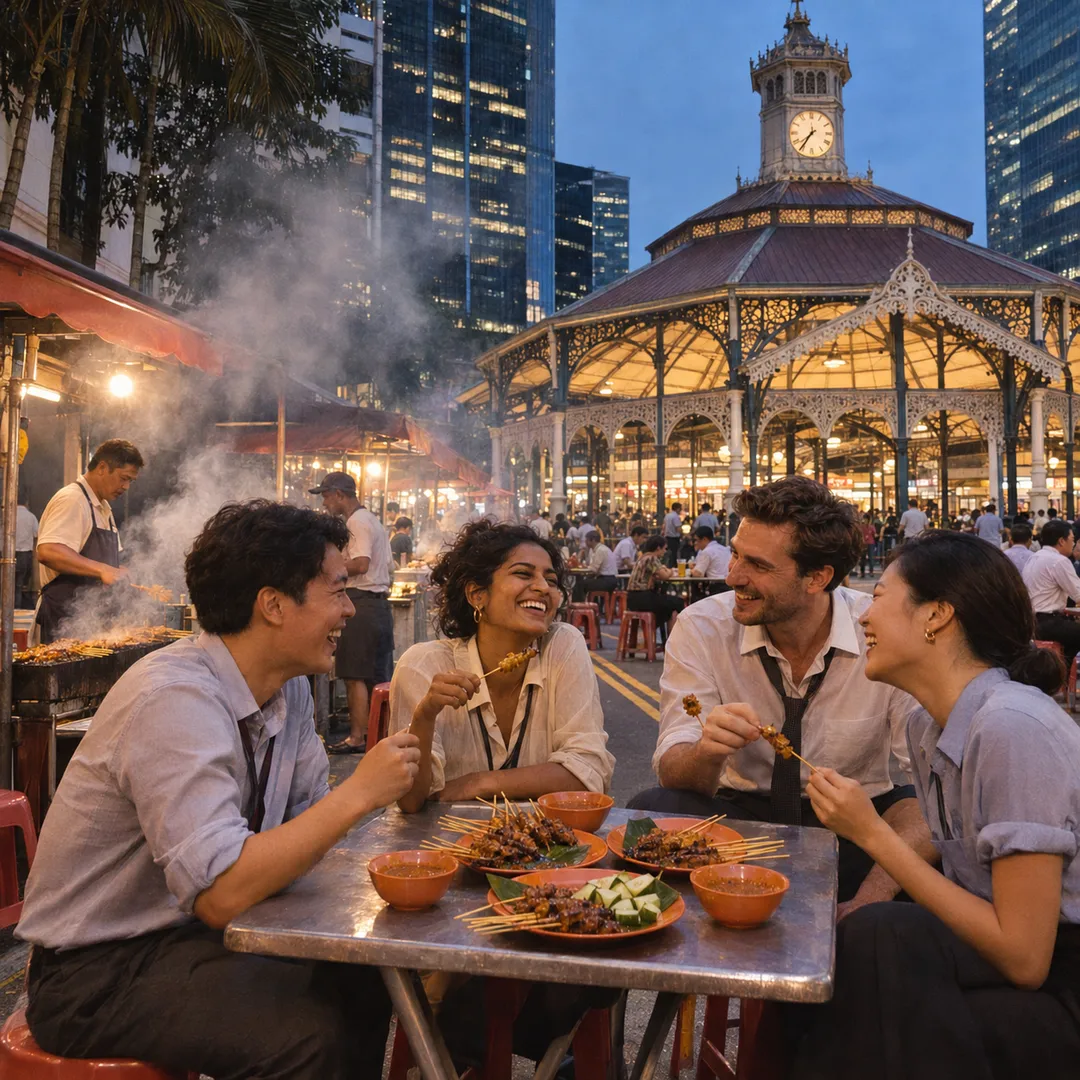
 Marina Bay Food Market Grazing Route After a Conference Day
Neighborhood Guides
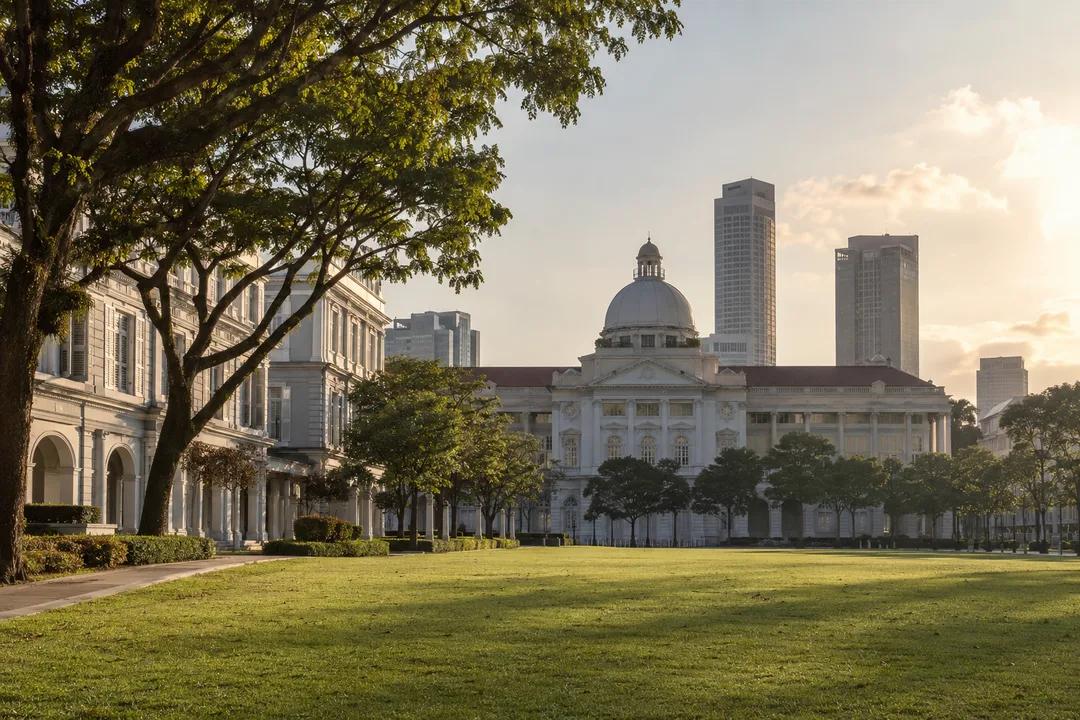
Singapore Neighborhood Walk Planner: Civic District Loop Map
Build a Singapore neighborhood walk planner around Civic District architecture, shaded lawns, gallery time, and a direct route to your next commitment.
Singapore's Civic District suits a neighborhood walk planner when the group wants architecture with breathing room. White facades, lawns, arcades, and cultural interiors can fit together, but bright heat and long crossings change the experience. In the Karpo APP, say whether the walk is for history, design, photographs, or a calm pause between commitments. Include the finish and the latest arrival time. The useful route has a broad opening, a shaded middle, an optional indoor stop, and a direct way out.
Give The Afternoon A Firm Boundary
Set the boundary before choosing a building. You may need to reach a meeting near City Hall, return to a hotel, or continue to an evening reservation. Ask for a small cluster of nearby ideas and tell the planner which kind of architecture interests you. Separating movement from indoor time keeps the map honest. A short exterior connection can be enough when the gallery or museum is the main reason for going out.
Begin with a broad view that lets everyone orient. Then move toward one facade, arcade, or courtyard where details become visible. Place the longer pause in the middle, not at the far edge of the route. When you inspect walking directions, look for sun exposure and awkward crossings as well as distance. A slightly longer shaded line may serve the group better than the direct route on paper.
Start With A Broad Civic View
Alternate architecture with recovery. A white wall, columned walkway, or lawn edge can become the visual beat, while a shaded bench or indoor threshold becomes the breath between beats. Ask for that alternating rhythm explicitly. Karpo can narrow the possibilities, but you decide whether the sequence feels comfortable for the day. The route should give people permission to look slowly without treating every detail as a scheduled task.
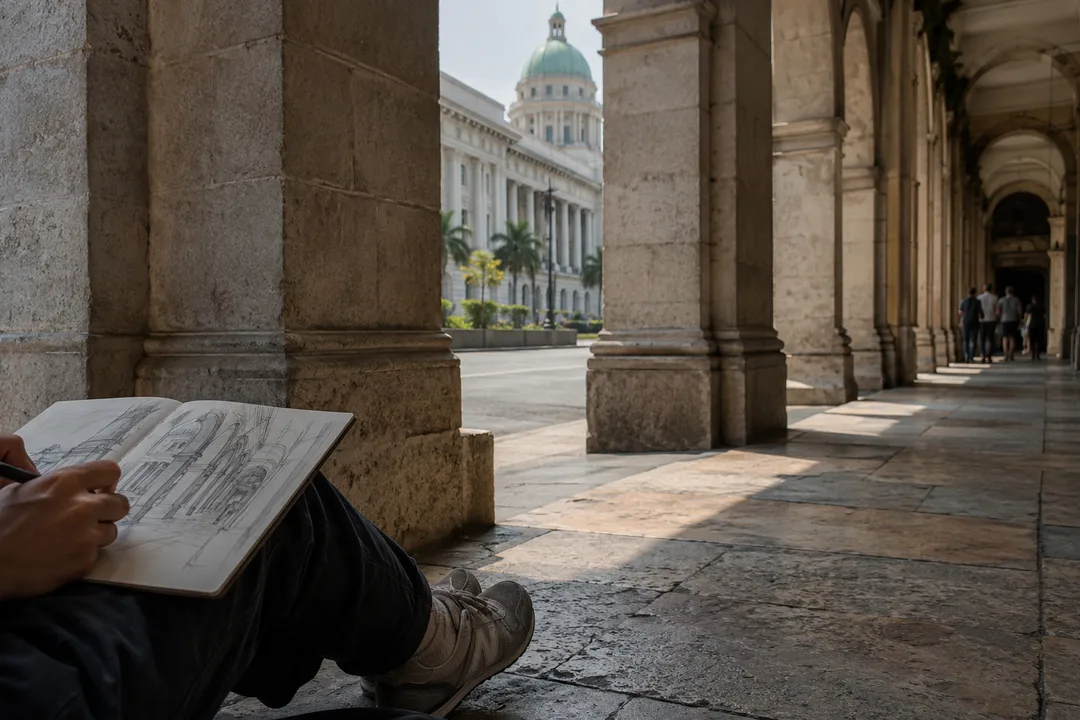
Gallery time needs a clear role. If everyone wants an interior visit, protect it and make the outer lawn loop optional. If the walk itself is primary, ask for a short gallery possibility that can be dropped cleanly. A queue, ticket line, or long exhibit can change the afternoon, so set the group's waiting rule in advance. The planner helps compare trade-offs; it cannot turn an uncertain entry into a guarantee.
Alternate Architecture And Shade
Heat planning belongs in the first message. Mention shade tolerance, the amount of exposed walking the group can manage, and whether a cool indoor pause matters. Ask for a shorter version with the same architectural character. That gives you a ready alternative if the pavement feels intense. Keep water and a regroup point in the practical note. Comfort is part of route quality, not a separate concern.
For different interests, create a nearby branch. One person can take a closer look at a facade while another sits in shade, then both meet at the next arcade. Keep the branch short enough to explain without a detailed map. Tell companions the rejoin point before anyone separates. This arrangement protects curiosity and keeps the shared finish intact.
Protect Gallery Time
Rain requires a change in emphasis rather than a complete rewrite. Keep one exterior view, use covered links where possible, and move the longer observation indoors. Tell Karpo what to retain and what to remove. A request such as 'keep colonial architecture, shorten outdoor walking, include one gallery option, finish near City Hall' produces a practical comparison. The route can stay recognizably Civic District while adapting to weather.
Make the map readable in layers. The first layer is the essential architectural sequence. The second is the indoor pause. The third is the direct return. If the line between stops looks like a star, simplify it. An itinerary that requires constant reorientation will steal attention from the buildings. Choose a shape that a companion can repeat from memory after one explanation.
Practical Notes For The Civic District
Look for relationships rather than isolated landmarks. Notice how a colonnade frames a lawn, how shadow changes a facade, or how a civic building meets a newer block. One question can carry the group from stop to stop. Karpo can help you phrase that question around mood or interest, while the map ensures the sequence fits. The district becomes a conversation instead of a recitation of names.
When departure slips, keep the first architectural view and the direct finish. Remove the outer loop before cutting the gallery pause if the interior visit is the group's purpose. If the gallery becomes too long, use the shorter outdoor version afterward. Agree on that exchange before leaving. A flexible plan gives everyone permission to enjoy what remains instead of apologizing for what was dropped.
Practical Notes For The Civic District In Practice
End with a route that changes pace gradually. After close looking, choose a broad walkway or clear crossing toward the next commitment. Avoid adding one more facade once the group has turned toward the finish. The final approach should let people talk, refill water, and arrive composed. That calm landing is part of a well-designed neighborhood walk planner output.
Practical Notes For The Civic District: include your Singapore start, firm finish, total window, heat and shade needs, architectural interest, gallery preference, branch rule, and first removable section. Use walking directions to compare the shape and keep the return visible. This guide makes no promises about opening hours, prices, admission, or seating. Treat indoor visits as choices inside a route you control.
Practical Notes For The Civic District Checklist
Write the final plan in a few lines: broad civic view, facade detail, shade pause, optional gallery, direct finish. Share it before setting out so the group knows what can change. If the day feels hotter or the gallery takes longer, use the shortened shape immediately. The best Singapore neighborhood walk planner keeps architecture vivid while making the next commitment easy to reach.
End with the Civic District exit beside the outer lawn section, so the architectural view remains vivid when the clock tightens. A short written handoff lets everyone enjoy the final arcade without re-planning aloud.
Ask Karpo for more information.
Keep reading
- Marina Bay Food Market Grazing Route After a Conference Day
 River Valley Food Market Grazing Route With Young Kids
 Serangoon Food Market Grazing Route for a Homecoming Weekend