 Marina Bay Food Market Grazing Route After a Conference Day
Neighborhood Guides

Singapore Neighborhood Walk Planner: Chinatown Tea Walk Plan
Use a Singapore neighborhood walk planner for Chinatown lanterns, shophouse details, a tea pause, and a compact route that can shrink after rain.
A Chinatown walk can feel crowded, layered, and full of small decisions. A Singapore neighborhood walk planner gives those details a useful order without pretending the district is static. In the Karpo APP, describe whether you want lanterns, architecture, food atmosphere, or a gentle cultural introduction. Add the place and time where you need to finish. Then choose a compact route with one visual spine, one pause, and a short return. The plan should leave room for the district to surprise you.
Decide What The Walk Must Protect
Protect one purpose before adding stops. If the group came for photographs, keep a visual anchor and reduce food errands. If the purpose is conversation, choose a comfortable pause and let the lanterns become the connecting thread. Tell Karpo what must remain when time shrinks. A clear priority produces better alternatives than a broad request for every famous sight. The route is a tool for choosing, not a promise that every suggestion belongs in one afternoon.
Lanterns can guide the sequence from a broad approach to close detail. Begin where the district reads clearly at a glance, move into a quieter side street, and finish toward the transport or meeting point. Keep the route order understandable to someone who has never visited. A walking map reveals whether the visual progression is real or whether you are bouncing between unrelated corners. Remove one pin if the line feels tangled.
Use Lanterns As A Thread
Tea makes a useful pause because it changes the pace, but a popular counter can also absorb the whole window. Decide whether tea is essential or simply welcome. Give the group a waiting limit and an alternate place to sit or keep walking. Ask for a route where the pause lies near the return leg. That placement makes it easier to leave without losing the walk's shape. You are planning a social choice, not reserving a table.
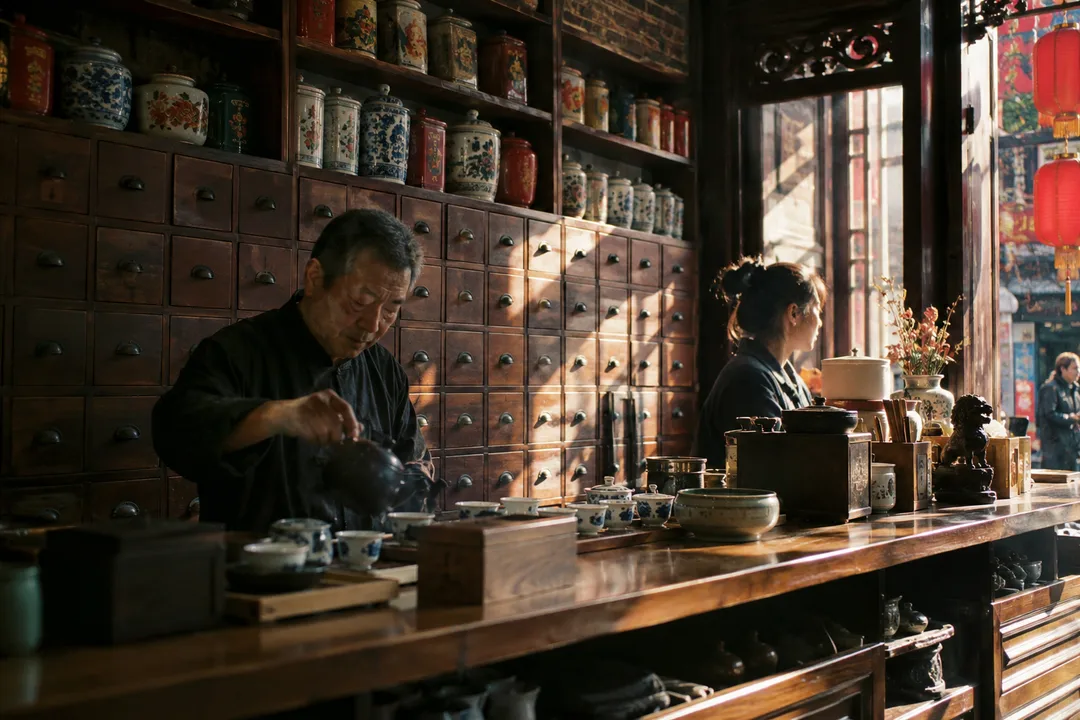
Crowds need a simple regroup rule. Pick a visible corner, agree on a short browsing radius, and keep the next anchor fixed. The faster person can look at a detail while the slower person catches up. Include this preference in the brief so the suggested route does not assume everyone moves as one block. A small meeting habit reduces stress in a district where lanes and entrances can feel similar.
Plan A Tea Pause Without A Queue Trap
Rain changes the outside spine first. Ask Karpo for a version with one exterior lantern view, shorter links, and a longer covered pause. Keep the finish close enough that the group can leave without a complicated transfer. State what you are willing to drop. 'Keep texture and tea, remove the far temple view, and finish near the station' is a workable revision. It gives the planner a clear problem to solve.
Use a layered map for the day. The must-have layer is one section that carries the Chinatown character. The optional layer is a market or side-lane browse. The recovery layer is the direct return. Add the tea pause where it will actually help rather than where it looks attractive on a list. When the map shows a backtrack, move the pause or cut the detour before leaving.
Create A Rain-Safe Short Version
Close observation makes a busy route calmer. Notice the grain of a shutter, the curve of a roof edge, the reflected color in a shop window, or the way lantern light changes a narrow lane. Give the group permission to stop for one detail and pass the next. Karpo can suggest themes for noticing, while your own decisions determine the pace. A short route can still feel rich when the attention is specific.
If the group arrives late, preserve the central visual section and turn the tea stop into a quick option. If someone needs a longer pause, shorten the outer loop instead. Agree on that exchange before you start. A route with a removable edge lets the day flex without making anyone feel that the original plan failed. The finish remains part of the experience, not a task that appears only at the end.
Practical Notes For Chinatown
For mixed interests, let two nearby activities share a meeting point. One person can linger at a detail while another takes a short look at a food lane, then both rejoin before the return. Keep the branch short and obvious. Write it into the practical note so nobody has to invent coordination in the crowd. Flexibility works when the rejoin is designed, not assumed.
The final minutes should move from discovery to direction. Choose a street or crossing that gives the group a clear sense of where it is going next. Avoid adding a last-minute attraction after the turn toward the finish. A gentle taper leaves more room for conversation and makes the entire route feel intentional. The planner's job is to protect that taper when the district is lively.
Practical Notes For Chinatown In Practice
A good request includes what you do not want: no long queue, no rushed meal, no distant detour, or no split group. Add one essential interest and one optional delight. Those limits help Karpo propose a route that fits the day rather than an inventory of Chinatown. Your walking map then becomes a readable decision, not another list to manage.
Practical Notes For Chinatown: state the Singapore start, finish, total window, crowd tolerance, visual theme, tea preference, regroup rule, and first stop to remove. Arrange the suggestions using walking directions and keep the shortcut visible. This guide supplies planning ideas, not venue hours, admission details, prices, or seating guarantees. Treat the tea pause as a route choice and leave the finish protected.
Practical Notes For Chinatown Checklist
The final outline might be lantern spine, side lane, tea option, regroup corner, direct finish. Read it aloud before you go. If rain or a queue changes the mood, use the short version without debate. A neighborhood walk planner earns its place when it gives a busy district a calm shape while still leaving room for the unplanned detail that made you want to walk there.
End with the Chinatown return beside the tea alternative, so a queue can change the pause without changing the character of the route. The group can then keep its lantern thread and its finish together.
Ask Karpo for more information.
Keep reading
- Marina Bay Food Market Grazing Route After a Conference Day
 River Valley Food Market Grazing Route With Young Kids
 Serangoon Food Market Grazing Route for a Homecoming Weekend