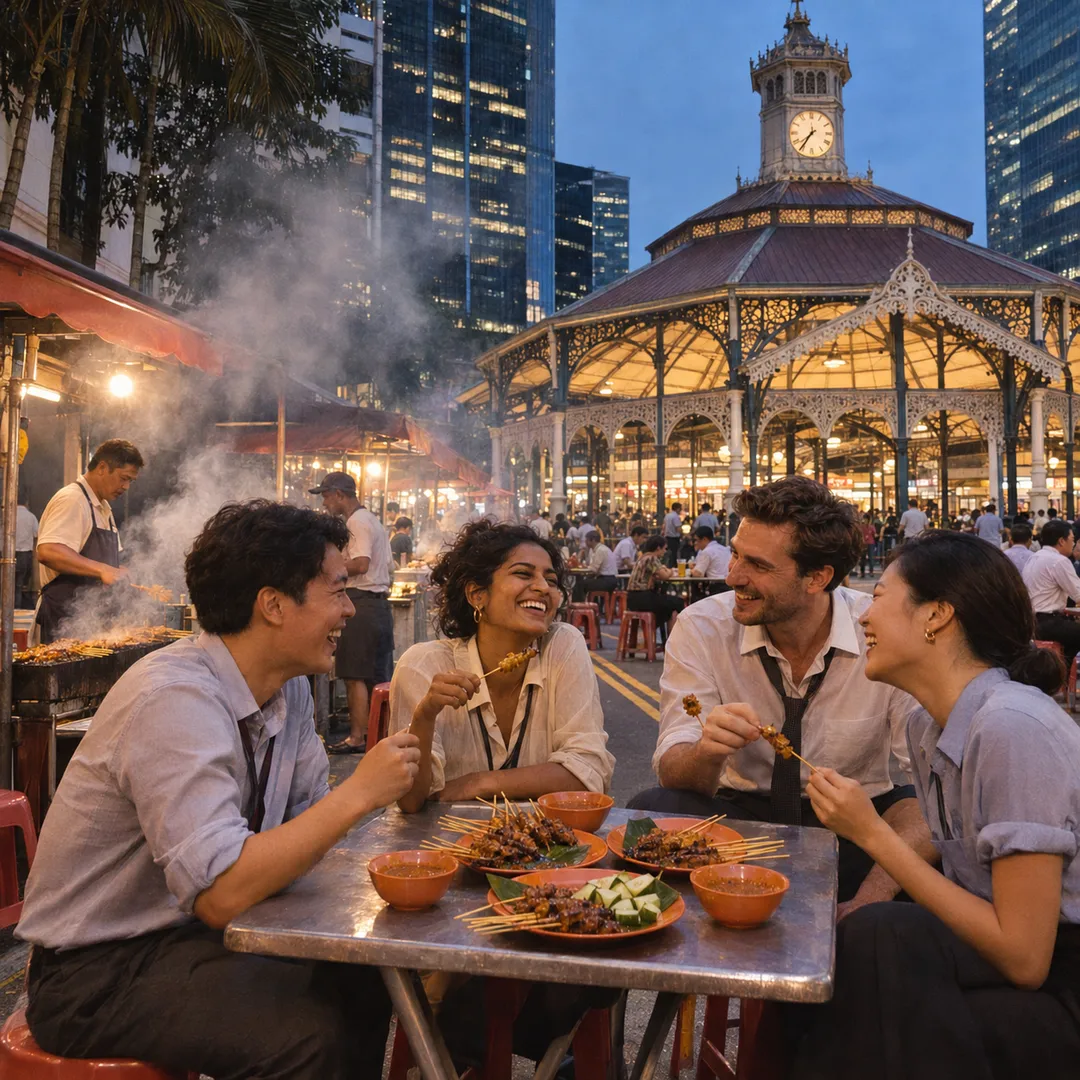
 Marina Bay Food Market Grazing Route After a Conference Day
Neighborhood Guides
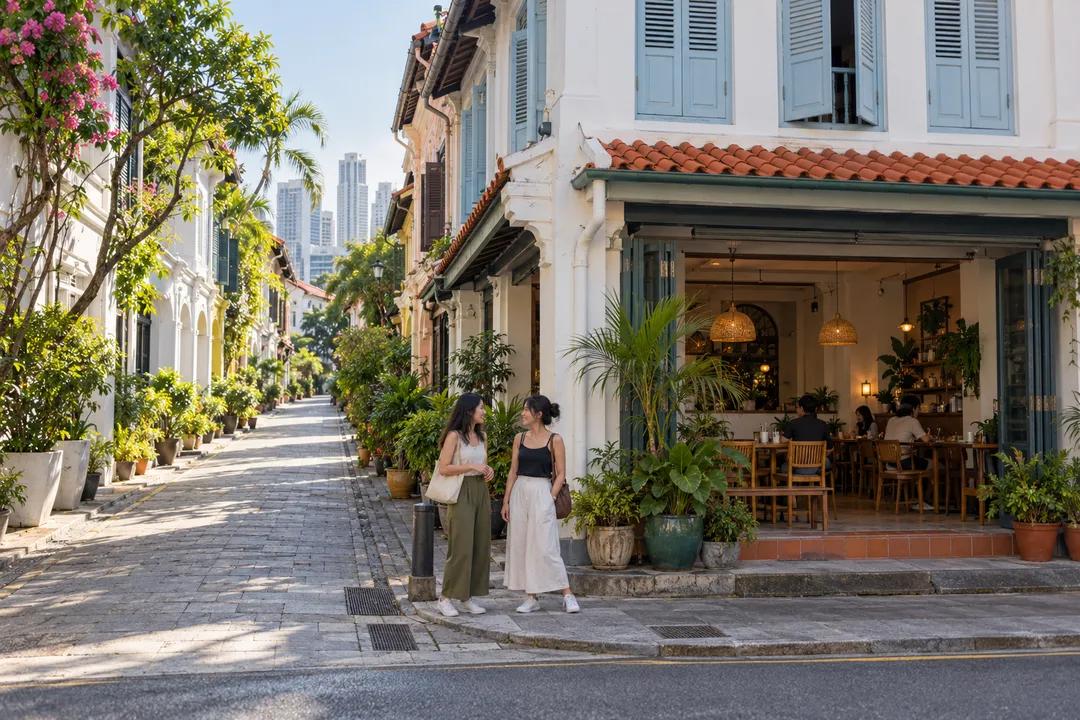
Singapore Neighborhood Itinerary Builder: Two Stops to Begin
Start a Singapore neighborhood visit with two contrasting stops. Shape a small outing around your interests, a comfortable connection, and a clear finish.
Your first afternoon in an unfamiliar Singapore neighborhood can become a collection of saved places without ever becoming a plan. A neighborhood itinerary builder gives that collection a useful question: which two experiences would make a satisfying introduction? Start with something you already enjoy, then add a different way to notice the area. In the Karpo APP, describe the kind of afternoon you want and ask for a small shortlist. The planning method below helps you turn suggestions into a deliberate two-stop outing, without treating every appealing recommendation as another obligation.
Give the visit a reason
Choose the feeling you want to bring home before choosing a destination. Perhaps you want an easy conversation over lunch followed by browsing, or a little architecture followed by somewhere to sit. Those pairings create different afternoons. Saying that you want to explore Singapore is a starting point, but saying you want to understand one neighborhood through food and everyday street life gives the request a clearer direction. Include one interest you would happily spend time on even if nothing else happened.
A useful first message could be: “I am visiting a Singapore neighborhood for the first time with my partner. We enjoy small shops and a relaxed meal. Suggest two complementary stops in one area, with a gentle connection between them.” This is an example of a request, rather than a promise about a particular returned itinerary. Add the district if you have already chosen it. If you have not, ask for a few areas to compare before narrowing the outing to individual places.
Decide which stop carries the afternoon
One stop should be the anchor: the experience that justifies making the trip. Give it the time and attention it needs. If lunch is the anchor, avoid placing a demanding activity immediately afterward. If browsing is the priority, do not squeeze it between two meals. The second stop should round out the visit. This distinction makes it easier to make a choice when two suggestions compete, because you know which part of the afternoon deserves protection and which part can move.
Consider a hypothetical lunch-and-browse visit. You might allow a generous lunch window and a shorter browsing period, with room between them to look around. Those are your planning allowances, not claims about service speed or walking conditions at a named venue. Ask for the second stop to offer a different experience from the first. Two dining rooms can be enjoyable, but a meal followed by a small cultural or shopping interest may tell you more about an area on a first visit.
Make the connection part of the choice
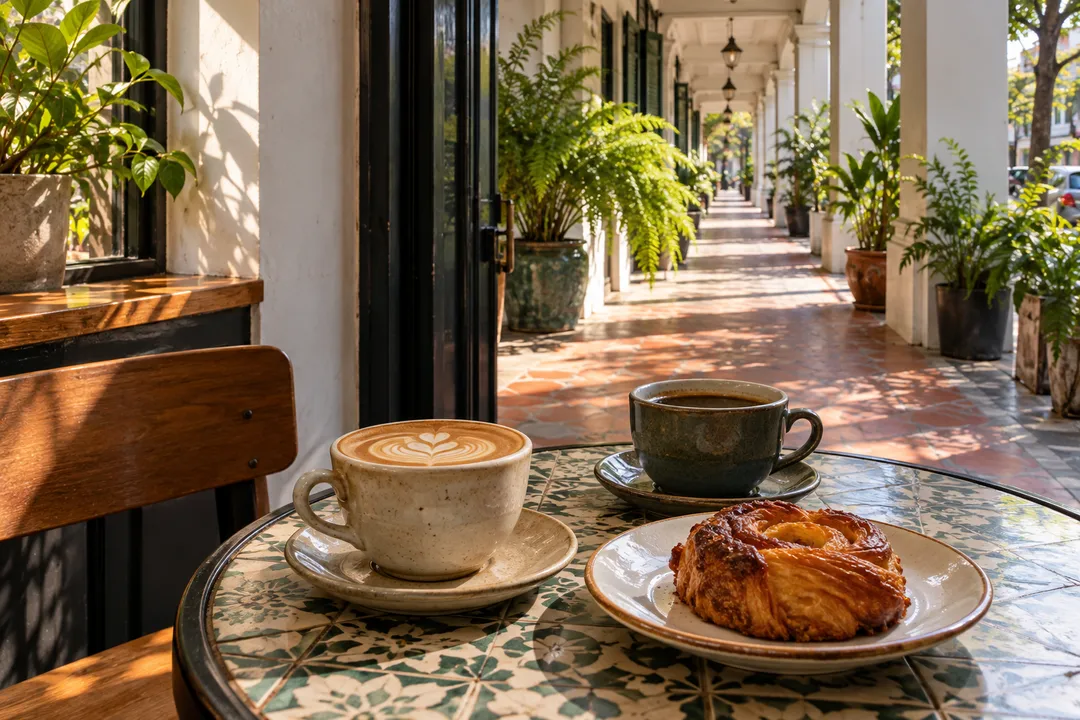
The space between destinations matters as much as the destinations themselves. A pair of places can look close on a city map while involving a crossing, an awkward approach, or more outdoor time than your group wants. Treat the connection as its own part of the outing. Ask what the proposed order means for your walking preference and your arrival point. Use route information for the actual journey, and distinguish an estimated connection from a timed personal experience.
When assessing a suggested pair, imagine carrying out the transition after the first stop rather than at the start of the day. You might be full after lunch, carrying a purchase, or ready for a seat. A connection that feels appealing when you are fresh can become the least enjoyable part later. Tell Karpo about those practical preferences in the same conversation as your interests. “Keep the browsing stop close to the meal” is more useful than adding another unrelated attraction because it has a good reputation.
Set boundaries that help you choose
A two-stop plan benefits from a few firm limits. State your available window, whether you want to remain in one district, and how much of the visit you want to spend walking. Explain your budget as a personal spending ceiling if you have one. That ceiling does not establish a restaurant price or an admission fee. It simply tells the planning conversation which choices would suit you. Keep any required dietary or access needs separate from softer preferences such as a nice view.
For example, you might say: “We have a free afternoon, want one meal and one browsing stop, and would rather skip a famous attraction than hurry. Please explain the tradeoff behind each pairing.” Read the explanations before focusing on the names. A helpful choice should match the purpose of your visit and the connection you requested. When several options all sound good, choose the one that satisfies your most important constraint instead of trying to combine every suggestion into a longer route.
Leave one small space unassigned
Do not turn the walk into a third appointment by filling every spare minute. Leave a modest stretch of time for a window display, a photograph, or a conversation that runs longer than expected. This is particularly useful on a first visit, when you do not yet know what will catch your attention. An unassigned interval gives you permission to notice the neighborhood beyond the two named stops. It also means that a slow meal does not automatically push the rest of the afternoon into a rush.
You can make that space explicit in your request: “Keep the plan to two main stops and leave some room between them for looking around.” If an optional idea appears, decide whether it serves a real purpose. A nearby place to sit could be useful as a fallback. A distant destination that requires a separate journey changes the character of the visit. Put that idea aside for another day, and let this outing remain small enough to understand and enjoy.
Practical notes for a first visit
Before leaving, settle the order, the meeting point, and the point at which the outing ends. Give your companion the same short version of the plan rather than a long history of rejected alternatives. For any named place you choose, base commitments on its own information and any booking confirmation you actually receive. A planning suggestion does not reserve a table, secure admission, or establish that seating is available. Keeping those distinctions clear lets the route stay useful without promising an outcome it cannot guarantee.
After the visit, identify what made the pair work. Was it the change of pace, the short connection, or the balance between a familiar interest and something new? That observation is valuable input for another conversation in the Karpo APP. Ask for a future neighborhood outing built around the part you enjoyed most. You now have a more precise preference than “somewhere interesting,” and a practical way to make the next first visit feel personal without making it crowded.
Ask Karpo for more information.
Keep reading
- Marina Bay Food Market Grazing Route After a Conference Day
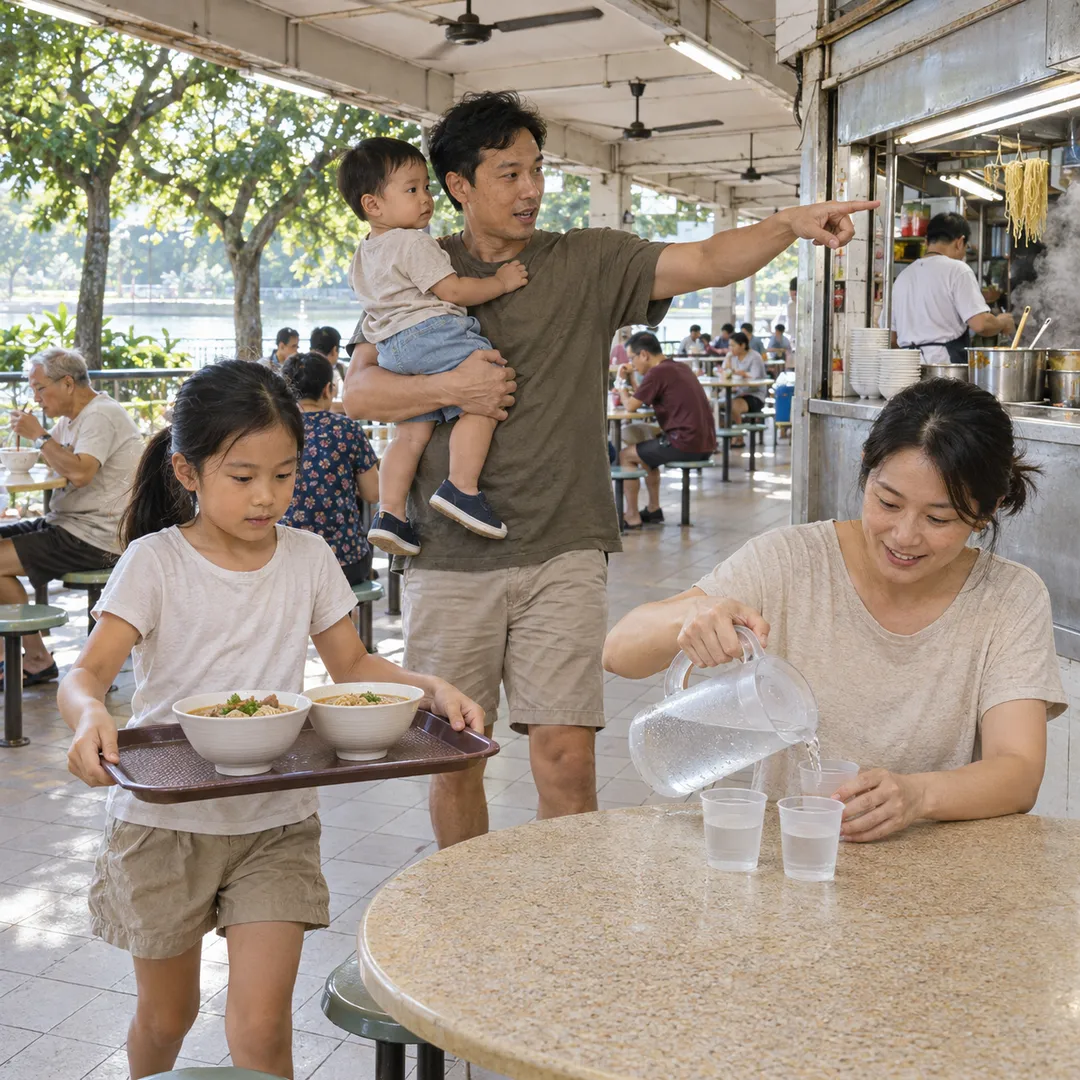 River Valley Food Market Grazing Route With Young Kids
 Serangoon Food Market Grazing Route for a Homecoming Weekend