 Chinatown New in Town Weekend Planner: Errands and Temples
Weekend Plans
Tiong Bahru Museum Late Night Finder: Sunset Art Strolls
Locate late museum walks around Tiong Bahru using Karpo APP to enjoy evening heritage trails, pre-war modernist architecture, and quiet neighborhood studios.
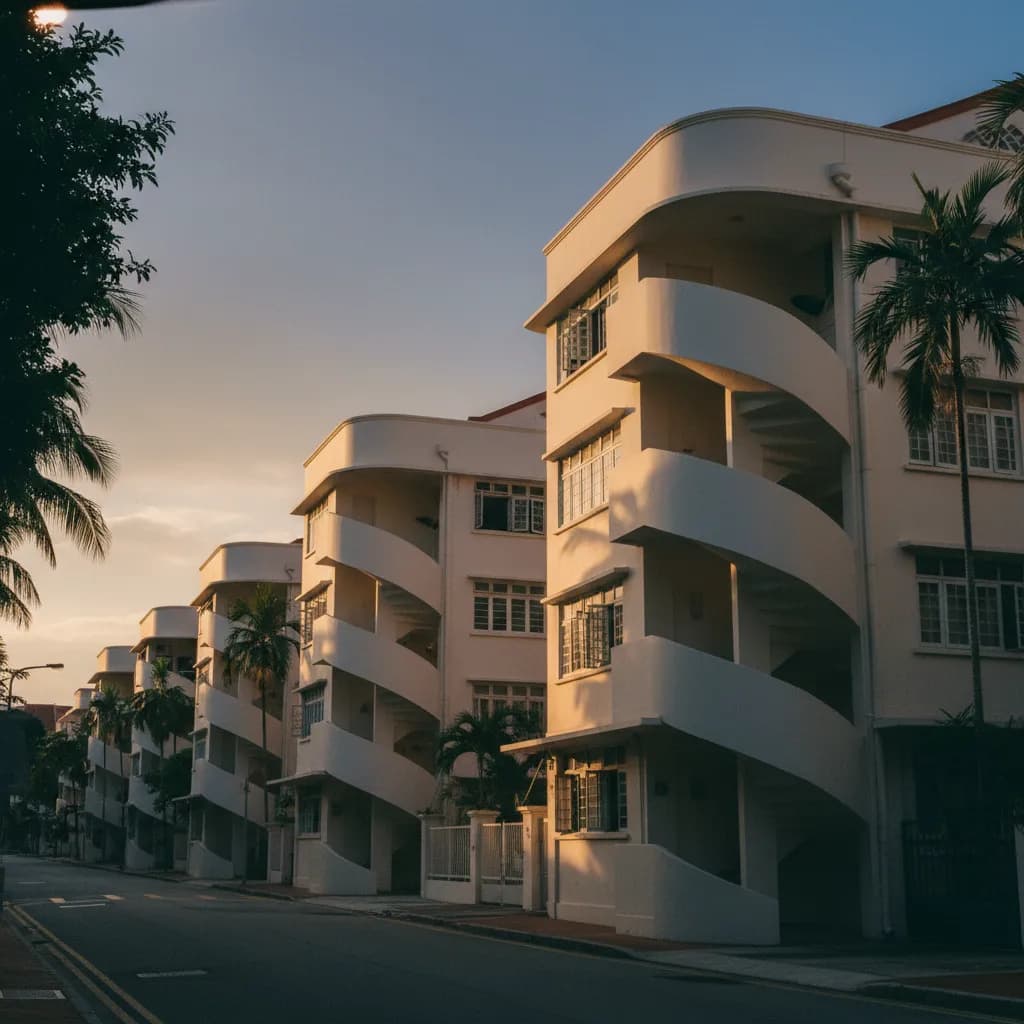
Tiong Bahru exudes an intimate architectural charm as twilight envelopes its curved modernist housing blocks through a museum late night finder perspective. Built predominantly during the nineteen-thirties by the Singapore Improvement Trust as public housing, this celebrated residential conservation quarter represents Southeast Asia's earliest planned civic estate. As afternoon cafe crowds disperse, the tranquil streets between Seng Poh Road and Moh Guan Terrace transform into a peaceful open-air architectural museum where curving masonry balconies, exterior spiral staircases, and heritage trail markers tell evocative stories of early twentieth-century urban reinvention.
Streamline Moderne Heritage and Outdoor Architectural Displays
Ambling through pre-war housing estates around Seng Poh Road, Guan Chuan Street, and Yong Siak Street highlights distinctive Streamline Moderne architectural elements inspired by aerodynamic ocean liners. Rounded street corner balconies, decorative horizontal louvers, and circular porthole windows stand out dramatically against evening skies. Informational heritage trail markers positioned at significant street intersections detail historical milestones, including the neighborhood's historic role as a public bomb shelter and civilian assembly ground during mid-century wartime crises.
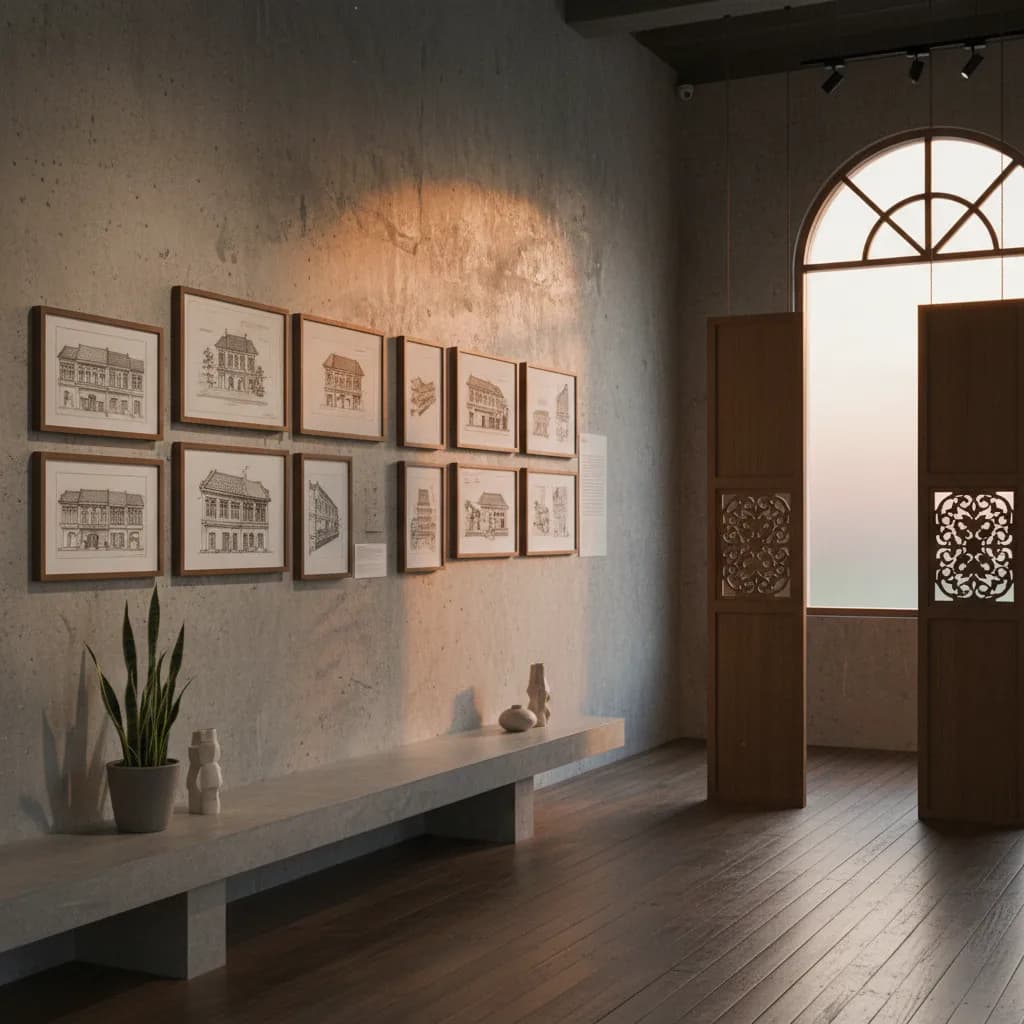
Appreciating community arts walls and local cultural showcases inside Tiong Bahru Community Centre reveals grassroots neighborhood archives, historic photographs, and resident oral histories. This civic gathering facility along Eu Chin Street frequently hosts localized photographic displays that document the district's transformation from grave-covered hills into iconic residential quarters. Visiting during the evening allows cultural strollers to explore these exhibition boards in tranquil quiet, absorbing local stories without interruption.
Lingering within quiet residential airwells and horseshoe-shaped courtyards allows visitors to absorb the district's tranquil evening rhythm away from busy metropolitan thoroughfares. Shaded by mature angsana and rain trees, these communal spaces feature stone benches where neighborhood elders gather for quiet conversations. The serene dialogue between lush tropical vegetation and clean whitewashed geometric facades offers an enriching visual experience for lovers of modernist civic design.
Golden Hour Transitions and Twilight Pacing
Planning an evening heritage walk between five-thirty and eight o'clock coincides perfectly with changing light values over white plaster curves. Arriving during this dusk window allows photographers and architecture admirers to observe long shadows accentuating curved balconies and geometric balustrades. Exterior public display areas and heritage markers remain fully legible and pleasant to examine before darkness descends over the tranquil residential blocks.
Selected weekend evenings introduce neighborhood art open-studios, independent design pop-ups, and localized history book presentations across Tiong Bahru's boutique spaces. Structuring your itinerary to include these informal cultural gatherings offers opportunities to engage with local authors, independent printmakers, and preservation enthusiasts. The pace remains deeply personal and contemplative, reflecting the neighborhood's cherished village-like communal atmosphere.
When dusk settles into tranquil darkness, ambient street fixtures illuminate curved cantilevered balconies and decorative porthole windows with soft warm halos. The gentle glow highlights textured plaster reliefs and vintage street name tiles embedded in shophouse pillars. This quiet visual transformation turns evening strolls through Tiong Bahru into an evocative meditation on twentieth-century architectural heritage.
Walkable Alleyways and Rail Transit Accessibility
Exploring between heritage landmarks across Tiong Bahru is wonderfully pedestrian-friendly thanks to calm interior residential walkways, rear service alleys, and pedestrianized garden lanes. Walking from Eng Hoon Street through Moh Guan Terrace takes less than ten minutes along quiet shaded pavements. Low vehicular speeds and well-lit residential alleys create safe, comfortable walking conditions for independent cultural explorers throughout the evening.
Transit connectivity is outstanding via Havelock MRT station along the Thomson-East Coast line, with northern exits placing strollers directly beside the historic conservation precinct. Modern underground station tunnels provide fully sheltered access that bypasses major surface arterial traffic along Outram Road. The established Tiong Bahru MRT station on the East-West line provides a convenient western alternative, ensuring direct rail journeys from any point across the island.
Continuing south along Kim Pong Road guides strollers toward the edge of Bukit Merah and the preserved pre-war community clinic buildings along Outram Road. Historical trail boards erected along the path highlight early public health initiatives, community markets, and cooperative societies that fostered neighborhood resilience across decades. This continuous pedestrian corridor allows travelers to weave together architectural discovery, civic history, and relaxed evening exercise under gentle tropical twilight.
Residential Respect and Night Walking Etiquette
Respecting residential tranquility is essential when exploring Tiong Bahru, which remains an active residential conservation district where multi-generational families reside. Visitors are asked to keep voices low when walking past ground-floor louvered windows and refrain from shining mobile lights into private living rooms. While photography of exterior architectural curves from public sidewalks is welcomed, entering private stairwells and residential courtyards marked for residents is strictly off-limits.
Keeping personal belongings compact and lightweight allows effortless movement through narrow residential lanes and spiral exterior staircases. A simple canvas shoulder bag easily accommodates walking necessities without brushing against historic wooden banisters or apartment entrances. Wearing soft-soled walking shoes ensures quiet footsteps on paved walkways, preserving the neighborhood's restful evening calm.
Neighborhood Refreshment and Digital Route Tools
Completing an evening of architectural appreciation invites quiet relaxation in the neighborhood's celebrated heritage cafe quarter along Yong Siak Street and Eng Hoon Street. Converted ground-floor premises host artisanal bakeries, quiet bookshops, and serene tea rooms where cultural strollers can reflect on their architectural sightings. Resting beside floor-to-ceiling glass fronts while perusing architectural guides offers an idyllic ending to an evening of design exploration.
Longstanding bakery counters and heritage beverage houses along Yong Siak Street offer comforting regional refreshments, including traditional pandan chiffon cakes and freshly brewed iced local tea. These family-run establishments have anchored the community for decades, providing authentic flavors that complement the neighborhood's historic charm. Pausing for warm pastries amidst retro mosaic flooring grounds the evening in Singapore's culinary history.
Navigating a rewarding evening architectural walk across Tiong Bahru is made effortless with the Karpo APP discovery companion. The platform brings together verified community heritage notes, curated architectural trails, and transit maps into an intuitive digital resource. Travelers can uncover unique Streamline Moderne landmarks, monitor pedestrian walking distances, and plan an inspiring cultural stroll tailored to their aesthetic interests.
Ask Karpo for more information.
Keep reading
- Chinatown New in Town Weekend Planner: Errands and Temples
 Kampong Glam New in Town Weekend Planner: Mosque to Murtabak
 Holland Village New in Town Weekend Planner: Meet People