 Kovan Hainanese Curry Rice Lunch Picker: Heartland Plates
Restaurants
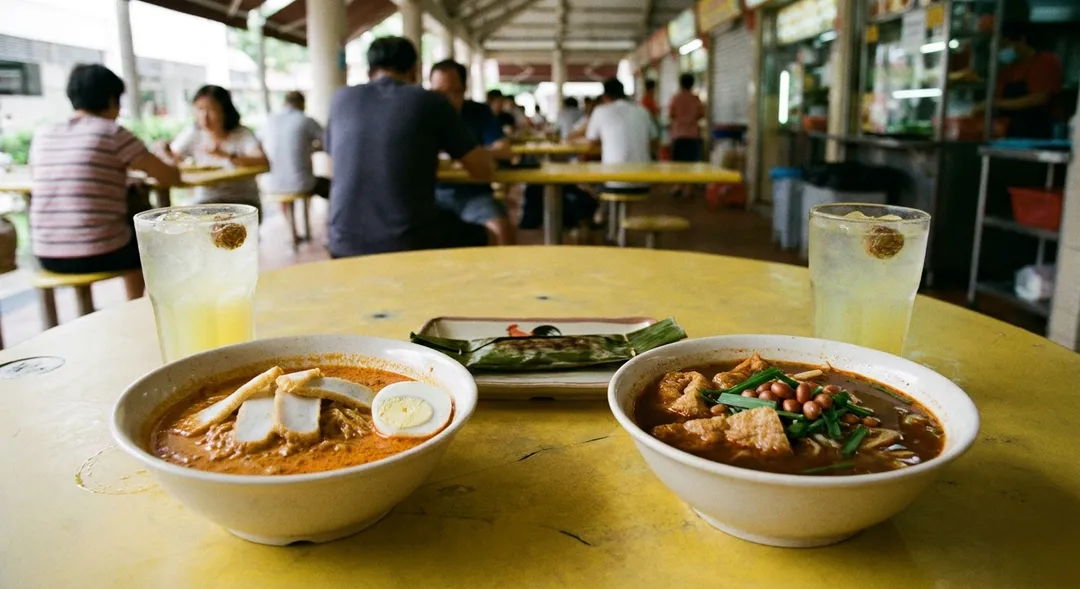
Bedok Mee Siam Breakfast Picker: East Side Hawker Bowls
Compare Bedok mee siam breakfast stalls, from interchange coconut-creamy bowls to Bedok North prawn-stock tamarind broths. Pick your post-run breakfast.
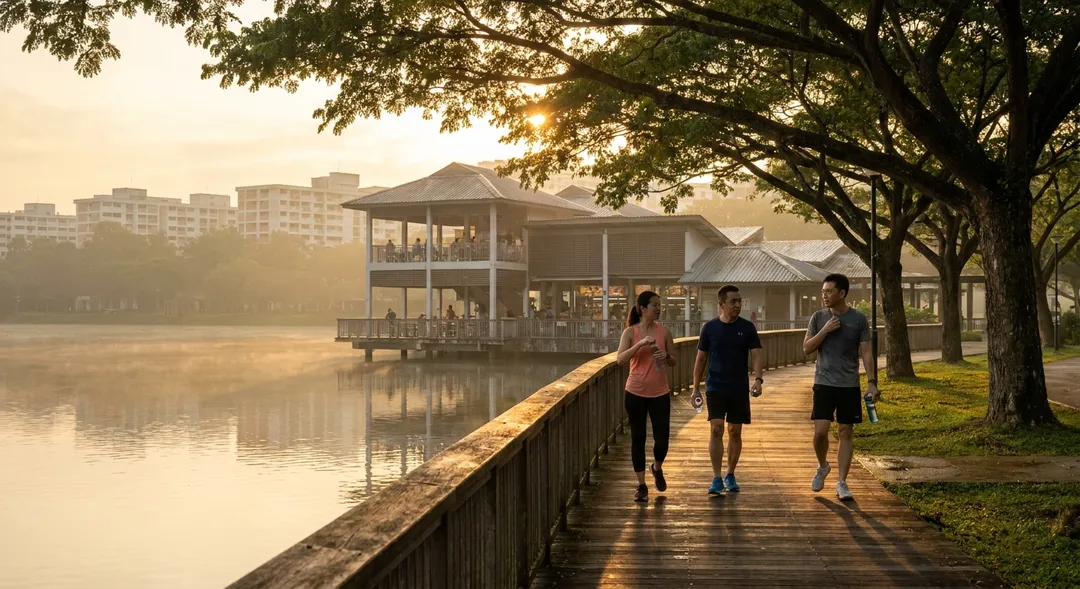
Bedok treats breakfast like an endurance sport, drawing coastal cyclists off the East Coast Park connector and distance runners down from Bedok Reservoir while the morning air still carries a cool marine breeze. When four marathon training partners and their visiting cousin from Kuching wrapped up a dawn tempo loop around the reservoir boardwalk, they used a mee siam breakfast picker strategy to refuel without splitting up the group. Across Bedok's high-energy town hub and its quieter northern heartland blocks, morning rice vermicelli divides into two passionate camps: the contemporary interchange stalls that enrich their tamarind broth with a splash of coconut cream or laksa-style spice oil, and the old-school Bedok North wet-market stalls that brew a sharp, clear-edged prawn-shell and asam jawa stock with zero dairy or coconut. Knowing which pavilion matches your post-workout appetite saves you from wandering hungry through crowded aisles.
Interchange Coconut-Rich Fusion Bowls vs. Bedok North Prawn-Stock Classics
Inside the breezy, high-roofed Bedok Interchange Hawker Centre right beside the transit hub, morning noodle stalls cater to a fast-moving crowd that loves bold, layered textures. Several popular counters here ladle out a silkier, sunset-amber gravy where freshly pressed santan softens the sharp fermented bean bite, and a few even offer a half-and-half pour that marries tangy mee siam kuah with aromatic laksa gravy in a single bowl. The Kuching cousin immediately gravitated toward this richer interchange style, topping the vermicelli with thick slices of bouncy fried fish cake and a charred banana-leaf mackerel otah from the neighboring grill stall.
Ten minutes north among the low-rise residential blocks of Bedok North, neighborhood market stalls keep faith with a brisker, lighter morning tradition. Here, hawkers simmer crushed prawn heads, dried anchovies, and toasted belacan with tamarind pulp until the broth turns a bright, translucent russet that wakes up tired legs after a humid run. Because there is no coconut milk weighing down the soup, the herbal fragrance of polygonum laksa leaves, garlic chives, and freshly squeezed lime pops cleanly on the tongue. Runners who want rapid hydration and a clean carbohydrate boost without feeling sluggish for the rest of the morning consistently pick these northern heartland counters, especially when the morning breeze sweeps through the open gable corridors.
Evaluating Vermicelli Thickness, Tau Pok Crunch, and Sambal Heat
A quick look into the glass display cabinet at any Bedok noodle booth reveals how the kitchen handles texture under heavy morning volume. Look for stalls that use medium-fine rice vermicelli tossed lightly in shallot oil after blanching so the strands stay springy and separate in the colander. Some East Side hawkers also let regulars mix yellow Hokkien wheat noodles into the bee hoon—a hearty combination that holds onto thicker coconut-tamarind gravies remarkably well. If you spot a tray of handmade yong tau foo items or crispy fried bean curd skin sitting beside the stockpot, adding a piece of stuffed tau pok or fried wanton gives the bowl an extra savoury crunch that contrasts beautifully with the soft rice noodles.
The chili paste in Bedok deserves special respect before you stir it in blindly. Stalls around the central interchange often fry their sambal with extra dried shrimp and palm sugar, creating a glossy, jammy condiment that adds sweetness alongside heat. Up in Bedok North, however, several veteran cooks prepare a fiery, coarse-ground sambal belacan brightened with lime juice that can overwhelm the broth if mixed all at once. Always test a tiny dab on the tip of your chopsticks with a cube of fried tofu puff first, and skip any stall where the gravy pot sits lukewarm without a gentle simmer ring around the edge.
Post-Run Hydration Pairings, Seating Strategy, and Side Bites
Navigating Bedok's morning rush with a group of four or five requires a smart seating routine. At the central interchange pavilion, the outermost rows overlooking the town square trees catch the best cross-breeze and offer wider gangways for stashing running packs or folding helmets. Up at the Bedok North blocks, aim for the corner tables near the open courtyard between the wet market and cooked-food section, where ceiling fans keep the steam moving away from your face. Bring small change or have your mobile payment screen ready before reaching the front of the queue, as top stalls ladle and plate three bowls a minute during peak breakfast hours.
Instead of heavy milk coffee right after a run, East Side regulars pair their tangy vermicelli with bright, electrolyte-friendly cold drinks from the fruit and cane juice stalls. A tall mug of freshly pressed sugarcane juice with lemon or an icy glass of calamansi sour plum—limau asam boi—cuts right through the fermented bean paste and restores salt levels in seconds. If your group still has room for a shared table snack, pick up a paper bag of flaky spiral curry puffs or a plate of steamed chwee kueh topped with savory preserved radish from the next aisle to pass around while cooling down.
Connecting Bedok Reservoir Boardwalks, Heartland Greenways, and Karpo APP
Once the bowls are cleared, Bedok's green corridors make it easy to turn breakfast into a relaxed morning excursion. From the Bedok North pavilions, follow the shaded park connector north toward Bedok Reservoir Park, where floating timber decks, gravel waterside trails, and breezy viewing jetties circle the calm water. If you ate near the central interchange, stroll through Bedok Town Square and along the tree-lined greenway headed south toward Siglap Canal, passing neighborhood bakeries, traditional medicine halls, and tropical fruit stalls stacked with thorny durians and red rambutans.
On Sunday mornings when cycling pelotons and family breakfast crowds fill every table at the main interchange hub, avoid waiting in the centre aisle. Walk five minutes east toward the smaller neighborhood coffee shops and market blocks along New Upper Changi Road, where open-air corner stalls ladle out steaming tamarind bee hoon with minimal queues and plenty of shaded outdoor stools. You can also open the Karpo APP to compare nearby East Side hawker centres, check which morning noodle stalls suit group seating or solo quick bites, and plan an effortless continuation toward East Coast Park or Changi Village.
Ask Karpo for more information.
Keep reading
- Kovan Hainanese Curry Rice Lunch Picker: Heartland Plates
 Tampines Mee Rebus Breakfast Picker: Round Market Bowls
 Jurong West Mee Rebus Breakfast Picker: Boon Lay Bowls