 Kovan Hainanese Curry Rice Lunch Picker: Heartland Plates
Restaurants
Ang Mo Kio Mee Siam Breakfast Picker: Heartland Bowls
Explore Ang Mo Kio mee siam breakfast stalls, from numbered avenue Teochew-Chinese broths to pandan-leaf dry parcels. Pick your morning hawker stop.
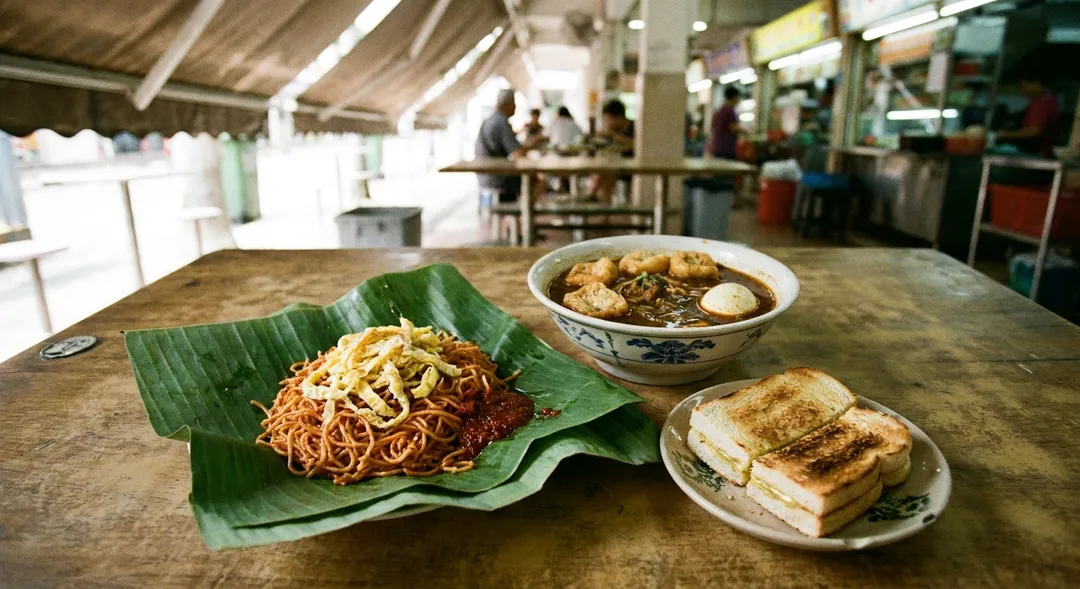
Ang Mo Kio organizes its morning appetite along a grid of numbered avenues and brick-trimmed wet markets where neighborhood life hums long before commuter trains fill up. When three polytechnic design classmates and a retired uncle who has lived near Town Garden West for decades met for an early bird-watching and sketching walk, they turned their morning route into a practical mee siam breakfast picker across the estate's hawker centres. Unlike coastal or heritage districts that lean heavily into one culinary lineage, Ang Mo Kio's heartland markets showcase a fascinating side-by-side contrast: Teochew- and Hainanese-run Chinese breakfast stalls that ladle out a clean, fermented-soybean and dried-shrimp tamarind broth alongside ekonomis bee hoon, versus traditional Malay and Peranakan counters famous for fragrant pandan-wrapped dry mee siam bungkus parcels and thick, rempah-rich bowls. Picking the right avenue market depends on whether you want a sit-down porcelain bowl with kaya toast or a portable banana-and-pandan packet for the park benches.
Numbered Avenue Teochew-Style Bowls vs. Central Hub Pandan-Wrapped Parcels
Tucked inside the residential market blocks along the numbered avenues flanking the town centre, veteran Chinese hawker stalls treat mee siam as a lively morning companion to laksa and lor mee. Their gravy relies on a lighter hand with chili paste and a generous scoop of golden crushed taucheo soybeans, yielding a savoury, amber-tinted broth with a brisk citrus snap rather than a heavy spice burn. As the retired uncle pointed out while claiming a round stone table near the open air-well, regulars love ordering these avenue bowls because the stallholders gladly top the vermicelli with crispy handmade fish cake slices, braised egg halves, or even a crunchy spring roll from the adjacent breakfast tray.
Walk ten minutes toward the bustling Ang Mo Kio Central pedestrian mall and the markets bordering the town gardens, and you encounter stalls where pyramids of pandan-and-banana-leaf packets sit stacked in bamboo baskets alongside steaming vats of kuah. Unwrapping one of these warm mee siam bungkus parcels reveals vermicelli wok-tossed in deep crimson rempah, crowned with ribbons of thin egg crepe, julienned cucumber, and sweet-spicy sambal that has absorbed the grassy perfume of the leaves. The polytechnic students grabbed both a sit-down gravy bowl and two leaf-wrapped parcels to compare textures, noting how the steamed leaf lock keeps the dry-fried strands remarkably moist and springy.
Spotting Fresh Bean Sprout Crunch, Taucheo Whole Beans, and Egg Garnishes
Because Ang Mo Kio's half-dozen neighborhood markets compete fiercely for loyal morning regulars, small preparation details immediately separate standout stalls from average counters. Watch how the cook handles the bean sprouts—taugeh—when assembling a bowl. At the most attentive booths, raw or barely blanched silver-tailed sprouts are tucked underneath the hot rice vermicelli right before the boiling tamarind stock hits the bowl, preserving a crisp, juicy snap that plays against the soft bee hoon. You should also see whole or coarsely mashed salted soybeans glistening alongside tiny dried shrimp bits in the ladle rather than a uniform, cornstarch-thickened orange sauce.
Look closely at the egg preparation and tofu puffs as well. While standard stalls slice a plain hard-boiled egg in half, several beloved Ang Mo Kio breakfast counters crown their dry and wet plates with lacy golden ribbons of pan-fried telur dadar omelet or let diners swap in a soy-braised egg whose dark yolk enriches the tangy kuah. The fried tau pok cubes should look airy and honeycomb-centered so they drink up the sour-sweet broth without collapsing into mush. Skip any corner stall where pre-packed leaf parcels feel cold to the touch or where the lime halves on the condiment tray have dried out under the fan.
Kopi Gu You Rituals, Tray-Sharing Strategy, and Morning Market Timing
In a classic heartland hawker centre, the secret to an effortless group breakfast is dividing the queue duties across adjacent rows. While one person orders the mee siam and specifies how much sambal to place on the rim, another can step over to the traditional toast and coffee booth for a round of kopi gu you—hot black coffee crowned with a pat of salted butter that melts into a velvety golden cap. That rich, gently salted butter note pairs astonishingly well with the sharp asam jawa acidity of tamarind vermicelli, smoothing the chili heat between spoonfuls while you dip soft-boiled eggs with dark soy and white pepper.
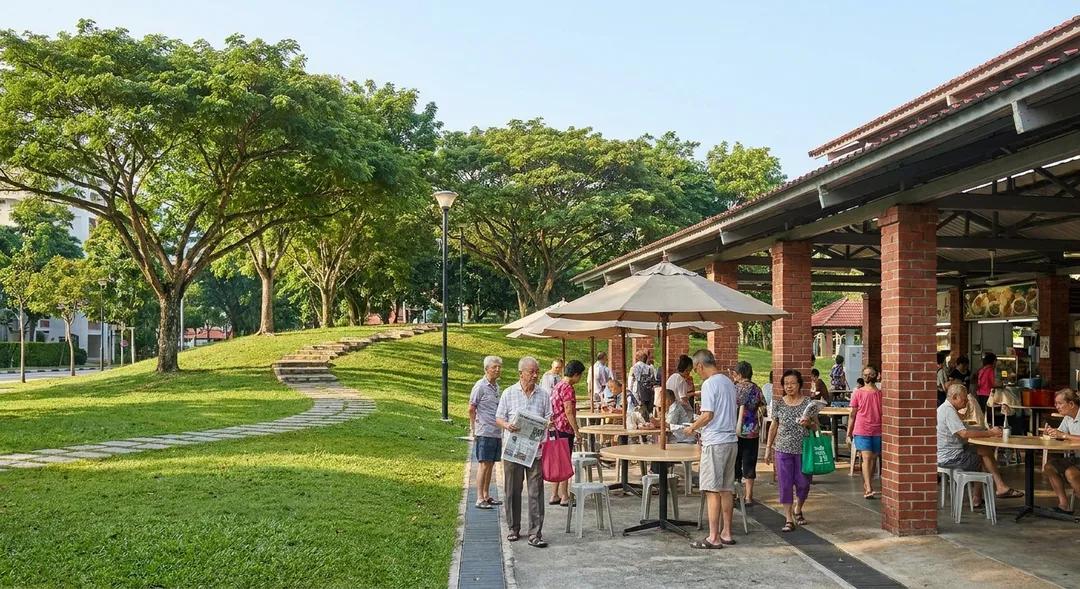
If you prefer a lighter morning drink before climbing the park hill paths, ask the drink uncle for warm homemade barley water with candied winter melon or a tall glass of fresh soy milk with zero syrup. Keep an eye on the clock when visiting the numbered avenue markets: the liveliest atmosphere hits right after the wet-market produce shoppers finish their vegetable rounds, when neighborhood retirees gather over newspapers and birdsong drifts in from the surrounding courtyard trees. Always return your trays to the designated racks along the pillar bays so incoming families can rotate quickly into shaded seats.
Walking Town Garden West, Bishan-Ang Mo Kio Waterways, and Karpo APP
Ang Mo Kio is one of the best estates in Singapore for walking off a spice-bright breakfast through lush, undulating parkland. Directly across from the central avenue blocks, stone steps wind up through Ang Mo Kio Town Garden West, where shady rain trees, lotus ponds, and a hilltop viewing plaza overlook the surrounding heartland skyline. For a longer flat stroll, follow the pedestrian greenway south into Bishan-Ang Mo Kio Park, where a naturalized meandering river channel replaces concrete drains with grassy banks, stepping-stone crossings, and regular purple heron sightings along the water's edge.
Should you arrive at your chosen avenue market on a weekend morning only to find the main noodle stall shuttered for a rest day or backed up twenty deep, Ang Mo Kio's dense layout makes Plan B painless. Simply stroll five minutes across the town-centre footbridge to the neighboring avenue's cooked-food centre, where another cluster of veteran breakfast stalls ladles out steaming tamarind bee hoon under breezy high roofs. You can also open the Karpo APP to compare nearby heartland markets across Ang Mo Kio and Bishan, filter for morning noodle stalls or shaded kopitiam seating, and chart a scenic walking loop along the park connectors.
Ask Karpo for more information.
Keep reading
- Kovan Hainanese Curry Rice Lunch Picker: Heartland Plates
 Tampines Mee Rebus Breakfast Picker: Round Market Bowls
 Jurong West Mee Rebus Breakfast Picker: Boon Lay Bowls