 Sentosa Christmas Light Up Walk Planner for Young Families
Free Things to Do
Singapore Local Event Finder: Match Your Mood Tonight
Describe the Singapore atmosphere you want, from quiet observation to easy conversation. Turn a vague mood into an event brief with practical limits.
“Something mellow, but not boring” can be a perfectly sensible starting point for an evening in Singapore. It describes what you want more clearly than selecting a broad entertainment category. A local event finder is easier to use when you turn that feeling into a few observable preferences: whether you want to talk, move around, sit quietly, or take part. In the Karpo APP, start the conversation with your mood, then give it enough practical context to guide a choice.
Turn a mood into a scene
Picture the moment you would enjoy after arriving. You might be listening without needing to introduce yourself, moving between things at your own pace, or speaking with a small number of people. Those situations have different demands even if all three appear under arts or culture. Describe the scene rather than relying entirely on a label such as relaxed. A lively workshop can feel relaxed to someone who likes participation and exhausting to someone who wants to observe.
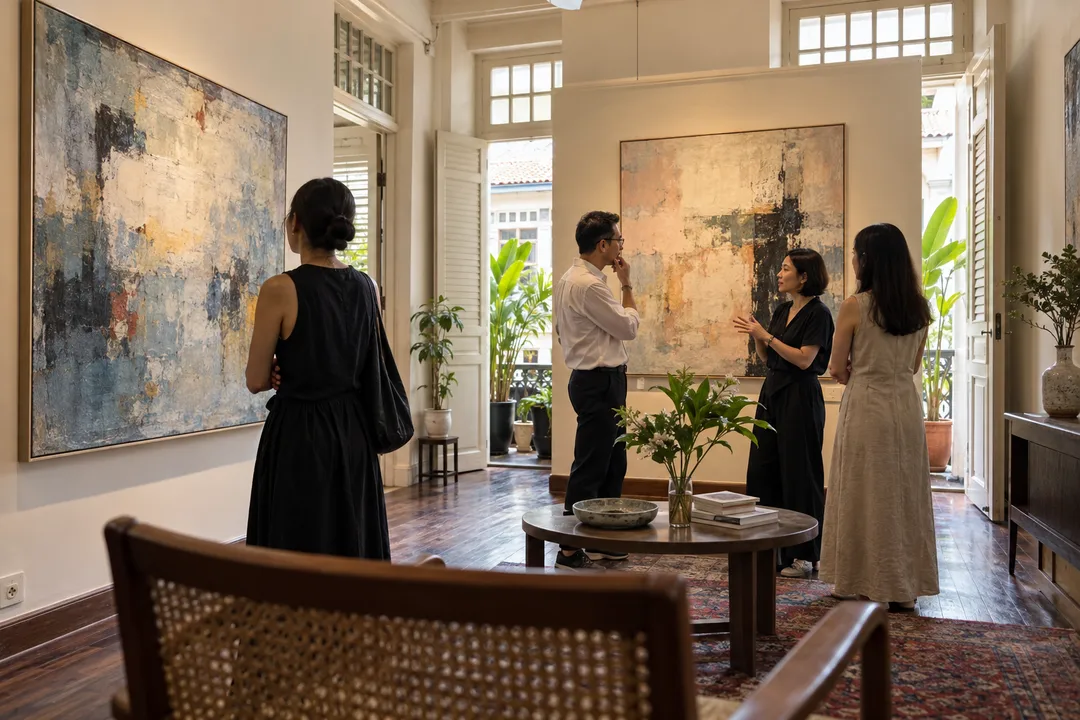
A useful request could be: “I want a low-key Singapore evening with something interesting to look at. I would like space to wander, little pressure to join a group, and a conversation-friendly atmosphere.” This does not assume a particular exhibition exists tonight. It establishes what a suitable suggestion would need to offer. Add the date and your preferred area so an appealing atmosphere does not distract from whether the activity belongs in the evening you are planning.
Distinguish quiet from solitary
Quiet describes sound and stimulation, while solitary describes company. You may want a calm experience with a friend, or a busy setting where nobody expects you to socialize. Tell the conversation which combination feels right. A request for somewhere peaceful can otherwise miss your desire to be around other people. Equally, asking for a social activity does not explain whether you enjoy a structured introduction, casual conversation, or simply sharing a room with an audience.
Try describing the social effort you are willing to spend. You could say you are comfortable speaking to one person but do not want a full evening of introductions. Or you might prefer a performance with a defined beginning and ending, followed by time to talk with your companion. These are useful differences to draw before comparing event names. They focus attention on how you would spend your time inside the experience rather than how impressive its promotional description sounds.
Compare participation with observation
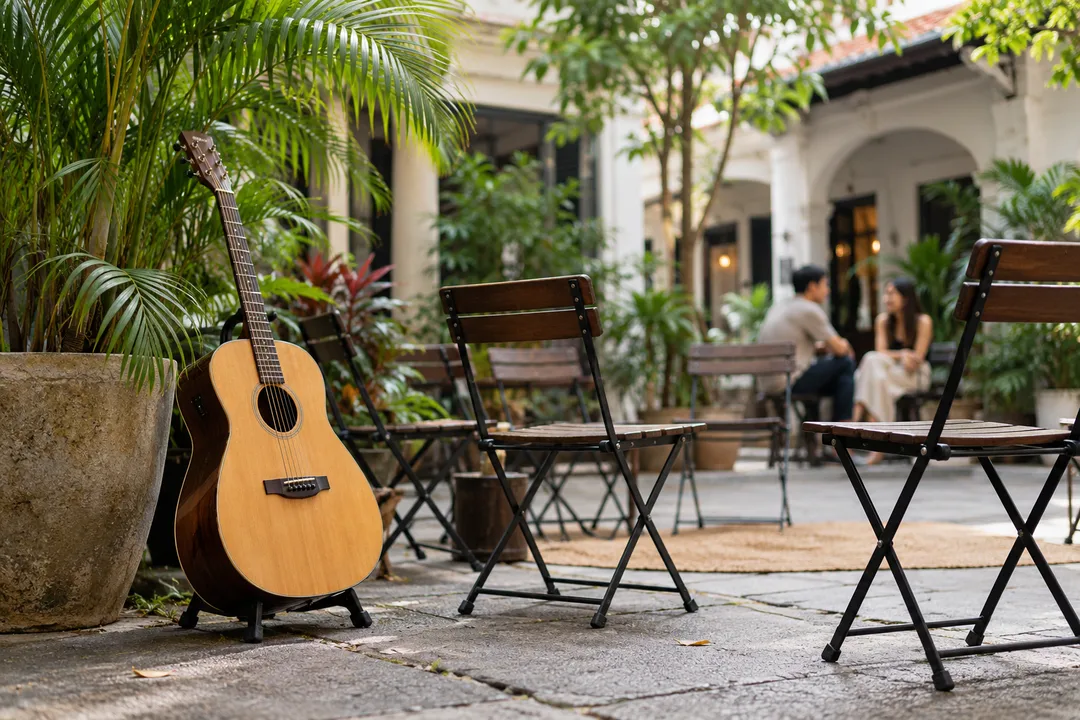
A hands-on activity gives you a task, while an audience experience gives you something to attend to. Neither is inherently easier. Instructions, shared materials, and a fixed sequence can make participation appealing when you dislike unstructured mingling. Watching can suit a tired evening, provided the duration and setting feel comfortable. Ask for these two approaches to be compared against your mood, rather than treating every creative activity as interchangeable with every performance or display.
You can phrase the comparison as a question: “Would a short participatory activity or an experience I can simply observe fit this brief better?” Then ask for the reason behind any named suggestion. A helpful explanation should connect the proposed format to something you actually said, such as wanting a little focus without much conversation. If the reply merely repeats the words charming or immersive, you still lack a meaningful account of how the experience matches your preferences.
Put an upper limit on intensity
Sometimes the easiest way to explain a vibe is to describe what would spoil it. That could be amplified music, competitive participation, a long seated session, or repeated introductions. Give one or two exclusions rather than an elaborate personality profile. These exclusions make your request more usable when an event category contains very different formats. An evening advertised as creative could involve anything from silent looking to a fast-paced group task, with very different demands on your attention.
Set the same limit for your companion if you are choosing together. One person might tolerate bustle but dislike forced participation, while the other enjoys a structured task but needs somewhere to sit. Describe both needs without averaging them into a vague middle ground. You could ask for ideas that permit observation as well as participation, leaving each person some choice. Any specific claim about that flexibility belongs in the event's own description, rather than being inferred from a welcoming photograph.
Let the first reply sharpen your language
You may discover what you want by noticing what you dislike in the initial ideas. Perhaps the suggested setting looks lovely, but the program sounds too formal. Say that: “Keep the intimate scale, but remove the dressy atmosphere.” Or perhaps the activity appeals while the social element feels demanding. Asking for a similar focus with less interaction is more informative than requesting another list without explanation. Your reaction becomes a more precise description of the evening you are trying to find.
Karpo's public introduction emphasizes starting with your mood and using conversation around going out. That supports treating the exchange as a way to articulate a preference. It does not establish the actual sound level of an event, an attendance figure, or how another guest will behave. Read mood language as interpretation, and separate it from concrete organizer information. A recommendation can fit your stated interests while still leaving personal questions about comfort for you to decide.
Add logistics after the atmosphere is clear
Once you have described the experience, introduce your available time and travel tolerance. A mood-led search still needs an arrival plan. If you only have a short window, a distant candidate can lose its appeal even when its format sounds ideal. Give a convenient starting landmark and ask for options that make sense from there. This is a request to consider your journey, rather than a claim that a displayed travel estimate guarantees your actual arrival time.
Budget deserves similarly clear language. Ask for activities without an admission charge if that is your boundary, or state an upper limit as your own spending preference. Do not confuse an atmospheric recommendation with a complete price quotation. If a named event involves a purchase, its organizer's terms determine the transaction. The relaxed feeling you want should extend to the decision itself: you should understand what you are choosing before paying for it or committing someone else's evening.
Practical notes for an atmosphere-led request
Build your message from a feeling, a behavior, and a limit. “Curious, happy to listen, no group introductions” communicates more than a string of flattering adjectives. Add Singapore, the intended day, and the area where you would like to begin. Ask for two contrasting ideas if comparison helps, but keep the contrast specific. You might compare watching with making, or a shared audience with casual conversation, rather than comparing unrelated experiences on a vague scale of popularity.
Before selecting, explain why the leading option suits you in your own words. If you can only repeat its promotional language, return to the behavior you wanted at the beginning. Would you spend the visit in a way you enjoy? Would the level of interaction feel comfortable? Use those answers to make a choice or refine the request. Open the Karpo APP with that clearer picture, and let your desired atmosphere shape the conversation from its first sentence.
Ask Karpo for more information.
Keep reading
- Sentosa Christmas Light Up Walk Planner for Young Families
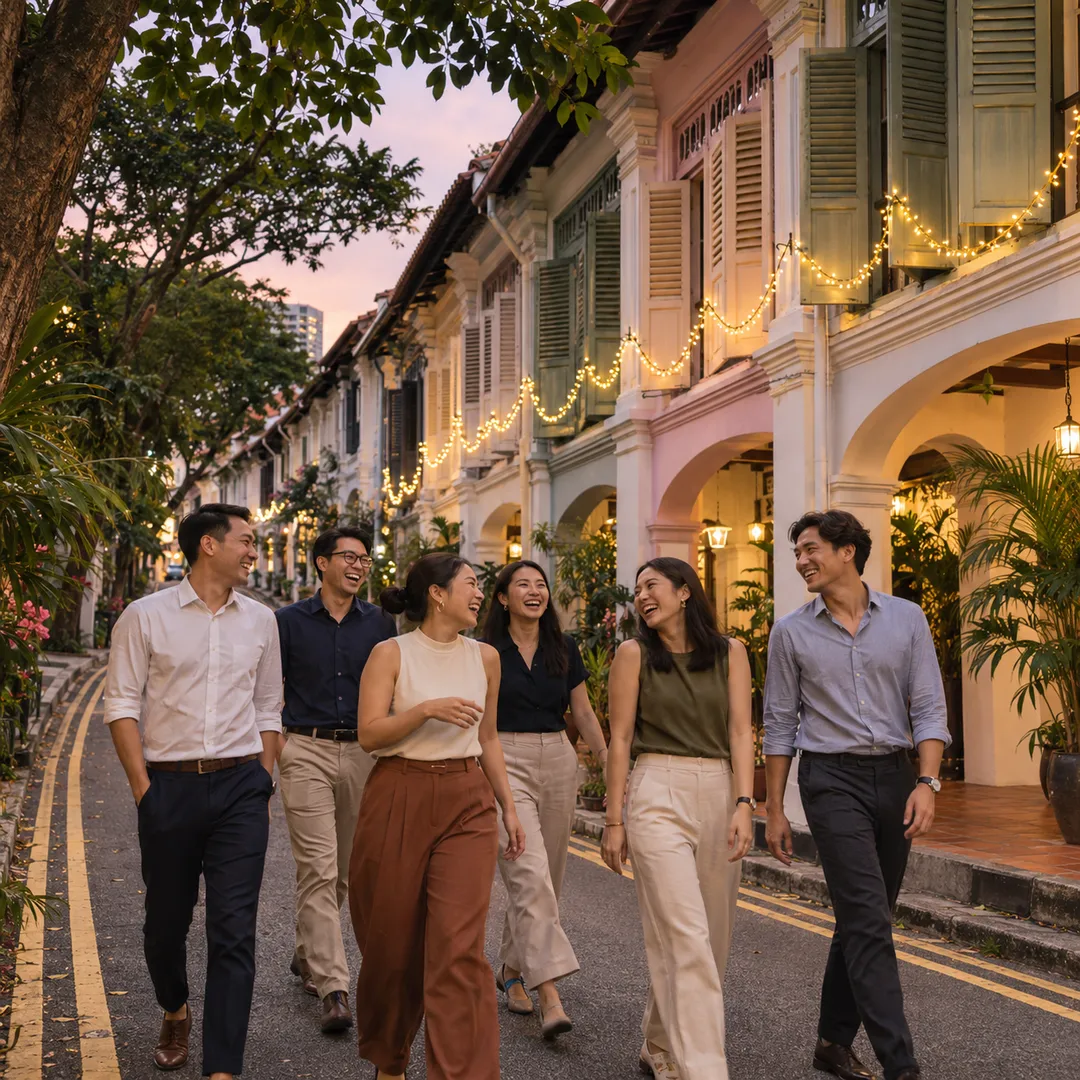 Tanjong Pagar Christmas Light Up Walk Planner for Teams
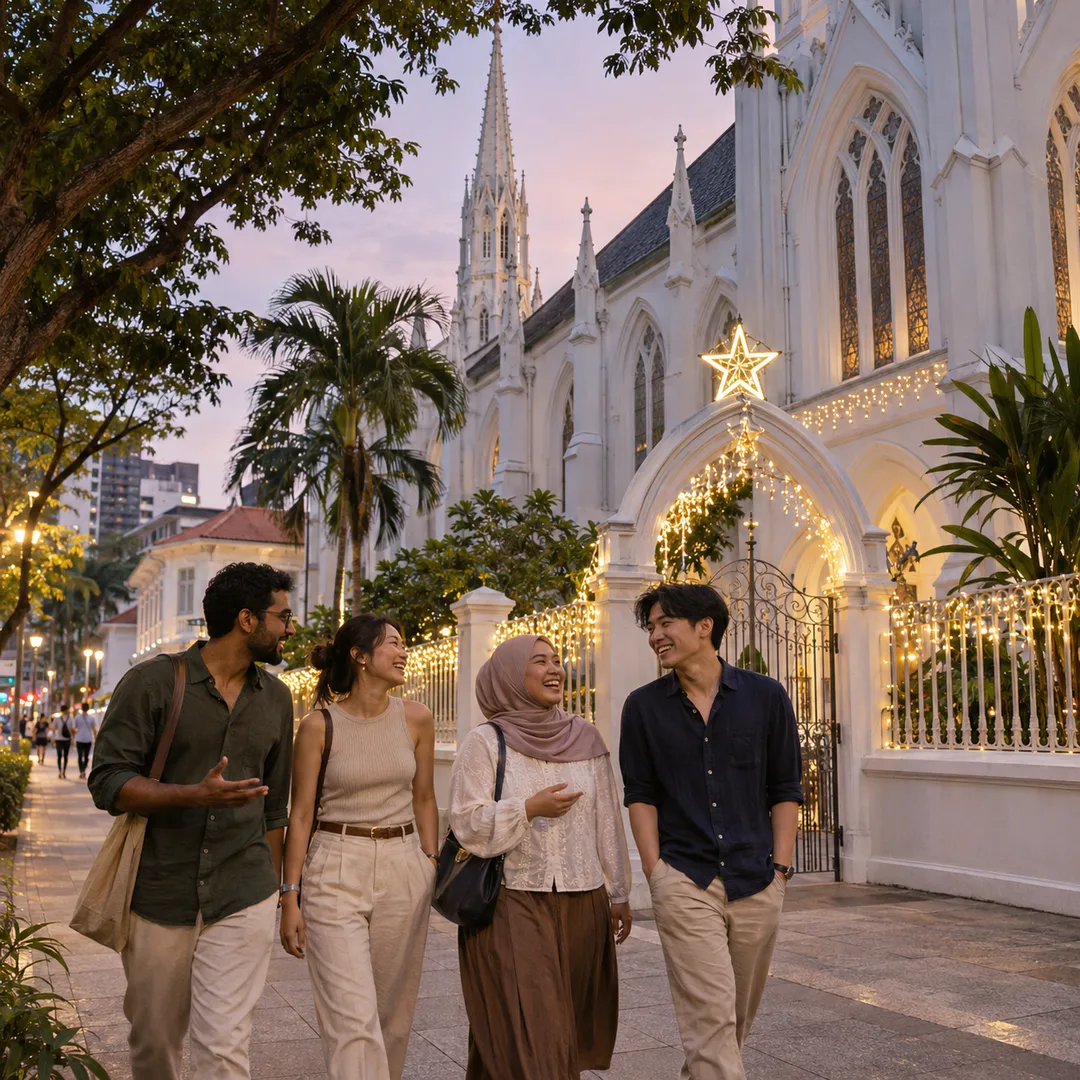 Bugis Christmas Light Up Walk Planner for Interfaith Friends