 Sentosa Christmas Light Up Walk Planner for Young Families
Free Things to Do

Singapore Local Event Finder: Fill Your Free Evening
Shape a Singapore evening around your energy, time and budget. Ask for a small event shortlist, compare the tradeoffs, and choose one manageable plan.
An unexpectedly empty evening in Singapore can disappear into the search for something to do. You open a calendar, find an interesting poster, and then discover the timing does not fit. A local event finder becomes more useful when the request starts with the evening you actually have: your starting area, your energy, your spending limit, and the time you want to be home. Bring that brief to the Karpo APP and ask for a small, manageable shortlist.
Say whether free means time or money
A free evening can mean an unoccupied diary or an outing with no admission charge. Say which meaning applies before asking for suggestions. If both matter, write both: you have a few hours available and want an activity without a ticket cost. This distinction keeps a promising paid performance from being mistaken for a budget match. It also leaves room for a simple outing when there is no suitable scheduled event in the information returned.
For example, your opening request could read: “I have tonight available in Singapore, starting from Tiong Bahru. Suggest up to three low-effort event ideas. I want no admission charge, and I want to finish early enough for a relaxed trip home.” Those are your preferences, rather than claims about an event taking place. Replace tonight with the exact date when the plan is for another day, and add a departure time if your evening starts late.
Give the evening one firm boundary
Choose the constraint that would make you reject an otherwise appealing suggestion. Perhaps you have already spent the day travelling and will only consider a nearby outing. Perhaps standing for a long session would be tiring, or dinner has already used most of your budget. Put that boundary near the beginning of the message. A clear exclusion gives you a better way to evaluate replies than a broad request for whatever is popular across the whole city.
Keep the rest flexible at first. You might enjoy art, conversation, or a short performance, provided the trip feels easy. Asking for every possible preference at once can hide the important one. A practical brief might prioritize a seated experience and treat the category as optional. If you receive an interesting idea that misses the seating requirement, explain that mismatch directly in the next message instead of accepting it because the description sounds attractive.
Request a shortlist you can actually compare

Three candidates are a useful request when you have little patience for browsing. Ask for a different reason to consider each one, rather than several versions of the same activity. Your comparison might include a quiet choice, something more sociable, and an option with a shorter visit. The number is a decision aid you choose, not a promise about how many relevant events are available. A shorter reply can be more useful when the evidence is limited.
For each named candidate, look for an identifiable event, the applicable date, and a clear distinction between the activity and its venue. A venue can be worth visiting without hosting the advertised program on your chosen evening. If a reply offers an evergreen place rather than a dated event, treat it as a different kind of outing. You can still prefer that option, but make the choice knowingly rather than assuming a general recommendation is a scheduled performance.
Keep discovery separate from committing
Karpo presents itself as an AI sidekick for going out, with conversational examples built around mood and schedule. Use that approach to explain what would make tonight worthwhile. A recommendation is a starting point for a decision. A ticket, registration, or organizer acceptance is a separate step, established by the relevant confirmation. Do not treat a suggested event as a held place, or a sample itinerary as evidence that an organizer has admitted your party.
When a candidate depends on a ticket, read the organizer's event information and purchase terms as part of making that commitment. The details that matter include the specific session, entry conditions, and what the transaction actually includes. For an event without a ticket, a named program and date still matter. This is especially relevant when an attractive image or a general venue description offers more atmosphere than information about the evening you are trying to arrange.
Edit the weakest part of the reply
You do not need to restart the conversation if two suggestions feel too demanding. Describe the problem in ordinary language: “The first idea sounds interesting, but I want less walking. Keep the calm atmosphere and suggest a simpler alternative.” That response preserves the part of your brief that worked. It also identifies a concrete reason for rejecting a candidate. “Anything else?” provides much less direction and can lead you back into an unfocused list.
Another useful edit concerns the size of the evening. If dinner and an event create too much movement, ask for one main activity. If the reply feels too empty, ask whether a short nearby walk would make sense afterward. Frame those additions as possibilities, with your original finish time intact. A successful free evening does not need multiple stops, and a pleasant activity does not become a better fit merely because another stop can be attached to it.
Leave a comfortable way to end
Choose your stopping point before adding optional extras. This could be the end of a short session, a personal departure time, or the moment your remaining energy runs low. Your return journey belongs inside the available time rather than outside it. If you are considering an outdoor activity, give the conversation a sheltered alternative as a preference. You can ask for that alternative without claiming a forecast, a cancellation, or a guaranteed indoor place.
It helps to name what would count as enough: seeing one interesting thing, having a brief conversation, or spending an hour away from your usual routine. That small definition prevents the shortlist from turning into a contest for the most ambitious evening. Once one candidate fits the boundary and has the information needed for its entry process, stop expanding the search. More options can make an ordinary good choice feel unfinished even when it already meets the brief.
Practical notes for your first request
Open the Karpo APP with a plain account of the evening: Singapore, the date, a useful starting landmark, your available window, and the boundary you care about most. A precise home address is unnecessary for explaining the general outing you want. Add whether your budget concerns admission alone or the whole evening. Then ask for a small set of ideas with reasons that speak to those details. You are supplying the shape of the decision before choosing an activity.
Keep your final selection simple enough to describe in one sentence: one event or outing, one arrival plan, and one ending. If none of the suggestions suits you, revise the most important constraint or choose a modest unscheduled outing instead. The aim is to use your open evening well, without converting every spare hour into an obligation. Start with the time and energy you really have, and let those limits determine which idea deserves your attention.
Ask Karpo for more information.
Keep reading
- Sentosa Christmas Light Up Walk Planner for Young Families
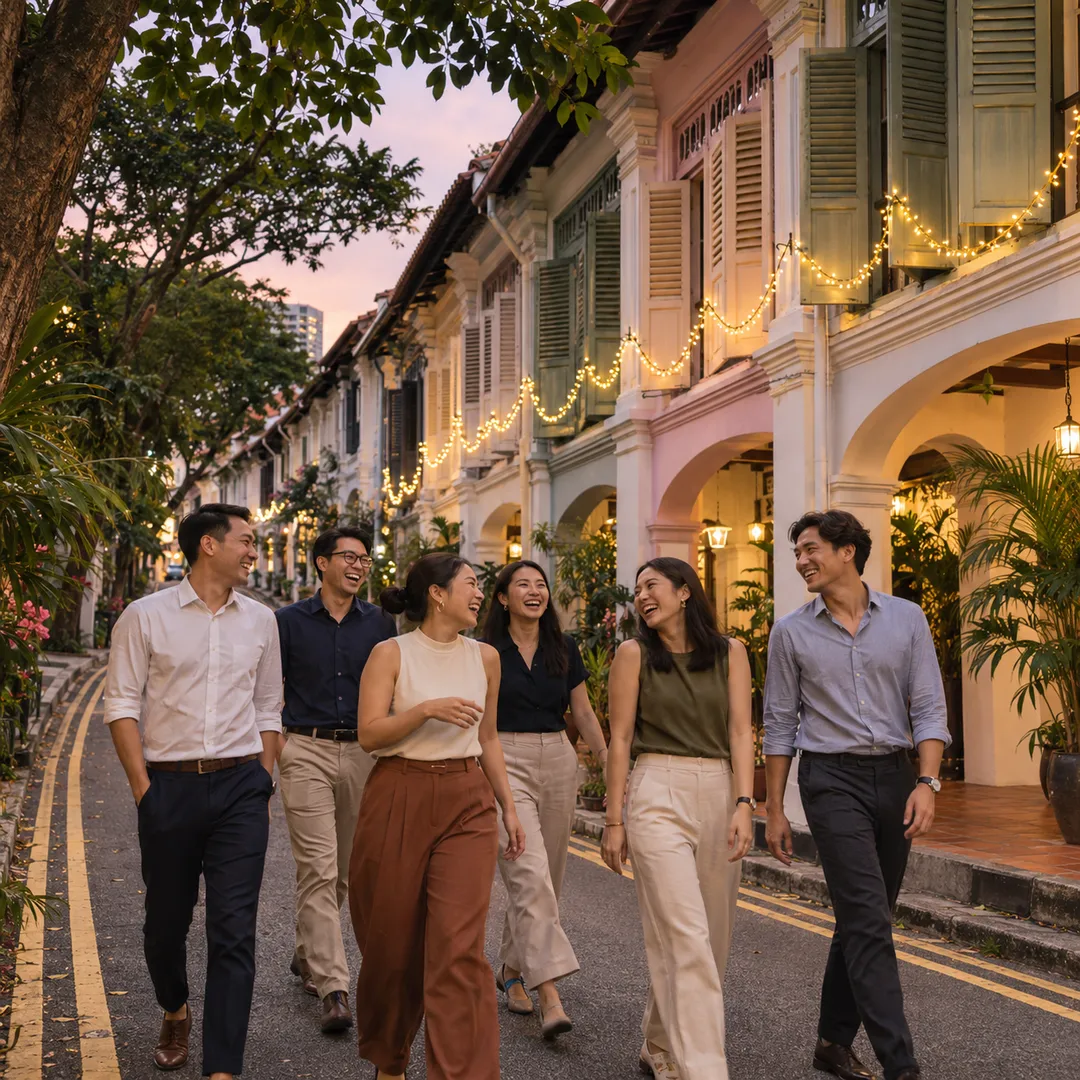 Tanjong Pagar Christmas Light Up Walk Planner for Teams
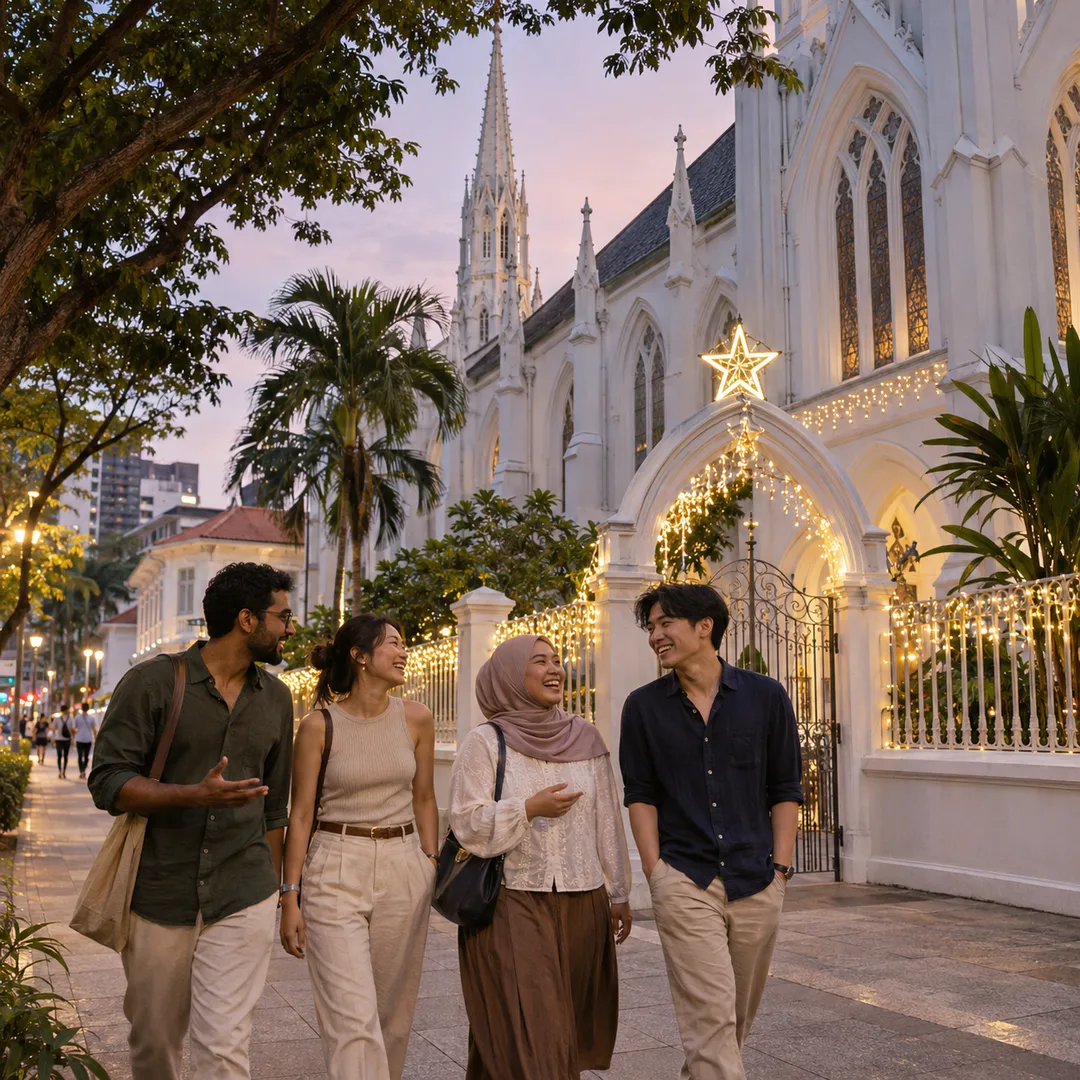 Bugis Christmas Light Up Walk Planner for Interfaith Friends