 Sentosa Christmas Light Up Walk Planner for Young Families
Free Things to Do
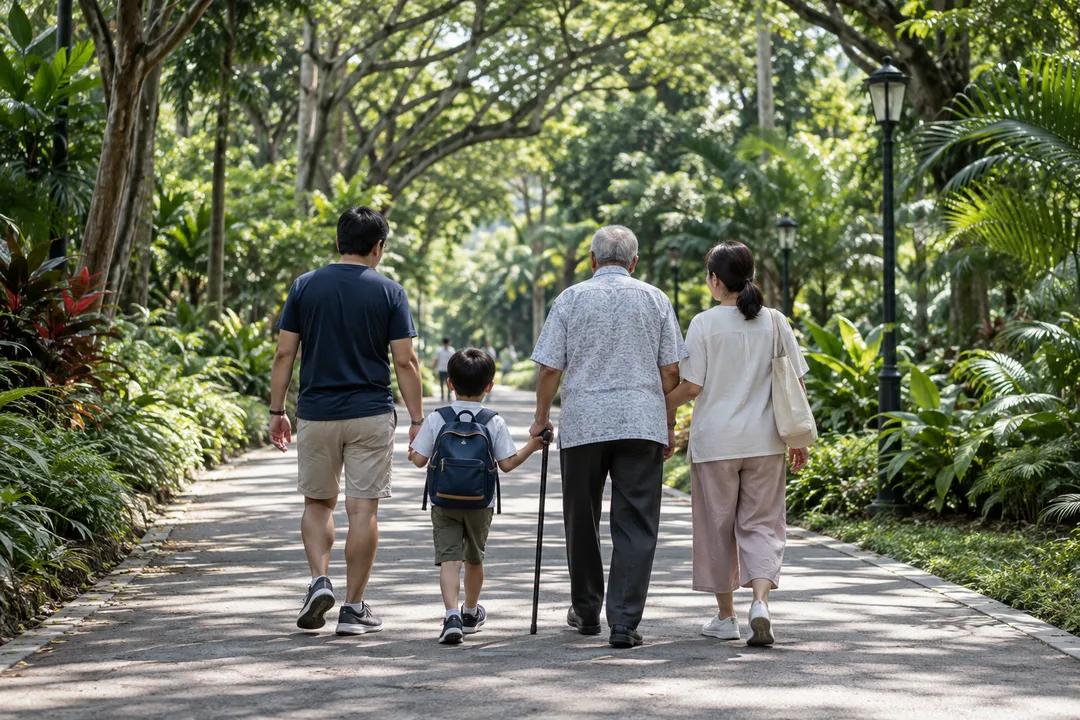
Singapore Local Event Finder: Bring All Ages Together
Build a Singapore family event brief around children's interests, older relatives' comfort and a sensible pace. Make the needs of every guest visible.
Planning an event for a child, an older relative, and the adults in between starts with different questions from planning a night with friends. The interesting part of an activity matters, but so do the places to pause and the freedom to leave. For a Singapore family, a local event finder request should make those needs visible from the beginning. Use the Karpo APP to describe the people coming and the kind of shared experience you hope to arrange.
Give every generation a place in the brief
Begin with the composition of the party rather than a generic family label. A preschool child and a teenager have different attention spans and interests. An older guest might want a chair without needing a specialist program. Describe the relevant needs in everyday terms, without turning the message into a medical history. The useful detail is what would make the visit comfortable: shorter standing periods, room for a stroller, or an activity that does not depend on reading long instructions.
An opening message could say: “We are looking for a Singapore event for two adults, a curious eight-year-old, and a grandparent who prefers regular sitting breaks. We want one shared activity on Saturday afternoon, with an easy stopping point.” These are hypothetical family details you can replace with your own. Include the actual calendar date alongside Saturday when that matters. A weekday label by itself does not identify the session your family intends to attend.
Agree on the non-negotiable needs first
Ask each adult for one condition that would decide the outing. One person may care most about a short journey, while another knows the child needs something to do with their hands. An older relative may want to participate fully rather than wait on the sidelines. Put the firm conditions together before listing attractive extras. This helps you notice when an idea suits the most enthusiastic family member while leaving someone else with a long, uncomfortable afternoon.
Separate a requirement from a preference. Step-free access can be essential, while a craft theme can be optional. A seated break might be necessary even when the exact activity is flexible. Your request should preserve that difference. Do not allow an appealing description to silently downgrade a requirement. If there is no sufficiently clear information about a necessary feature, leave that candidate out of the decision rather than filling the gap with assumptions based on the event's cheerful tone.
Ask what the child would actually do

A family-friendly description says little about the sequence of the visit. Ask whether an idea involves listening, watching, making, exploring, or waiting for a turn. Those actions help you imagine the child's experience alongside the adults' experience. A long demonstration can appeal to someone who loves the subject and still be a poor match for a child who needs movement. Conversely, a simple structured task may give several generations something concrete to enjoy together without complicated explanations.
Use interests as starting points without demanding an exact theme. A child who likes building might enjoy manipulating materials, following a sequence, or seeing how something works. An adult who enjoys stories might prefer a shared performance. Ask for suggestions that connect those interests through a common action. This gives you a reason to compare candidates beyond whether the promotional material includes children. It also keeps the visit focused on participation that your actual party would find worthwhile.
Build pauses into the shape of the outing
Describe the pace you want before asking for a sequence of activities. A single event with a proper rest afterward can be a better family plan than a chain of unrelated stops. If your group needs food before the activity, put that into the available window. If a break is essential during the visit, the relevant facility or program information needs to support it. An attractive itinerary does not establish that seating or re-entry is available at a named event.
Imagine the transitions as well as the main activity. Gathering a family, using a restroom, moving between entrances, and finding one another afterward all take attention. You do not need to assign a precise number of minutes to every action, but leave breathing room between commitments. Ask for one primary activity with an optional extra only if everyone still feels comfortable. That structure allows the older guest and the child to enjoy the day without being made responsible for keeping up.
Make entry rules part of choosing
Age suitability is different from age eligibility. An organizer may set minimum ages, require accompanying adults, or issue tickets for different participant roles. Treat those as concrete conditions, distinct from whether the family likes the subject. When you have a named candidate, use its actual event details to decide how each person would enter and participate. A general recommendation cannot establish that an adult companion is included in a child's booking or that a grandparent can join every activity.
The same distinction applies to accessibility. Saying that you want a step-free visit is a request, rather than proof that a particular program provides one. Keep essential requirements explicit when comparing the reply. Avoid replacing the family's own judgment with a broad label such as suitable for everyone. The people making the outing know which details matter most. The conversation can help organize the question, while the event information supplies the conditions attached to the specific experience you choose.
Give the family a graceful early exit
Decide how the visit could end if someone becomes tired. Some formats have a natural pause, while others depend on staying for the full sequence. Ask for that difference to be considered in the ideas you discuss. A fixed performance can still work well if the duration suits the whole group. The important point is to choose deliberately, instead of discovering halfway through that the plan gives the least comfortable person no sensible way to stop.
Agree on who handles the return journey and where the family will gather after the event. You can keep that coordination outside the recommendation itself, but it belongs in the plan you actually follow. If you split into smaller groups, choose whether that supports the day's purpose or undermines it. Sometimes the right compromise is an activity everyone can share briefly, followed by separate optional time, rather than requiring every generation to enjoy every part in the same way.
Practical notes for a mixed-age request
Include your group size, relevant ages, chosen date, starting area, and one clear comfort requirement when you open the Karpo APP. Ask for a brief explanation of how each suggested format would work for the child and the older guest. Specify a no-admission-cost preference if that is important, without assuming every family activity is free. A request for help planning the afternoon is separate from any ticket purchase or registration that a named organizer requires.
Bring the reply back to the family as a simple choice rather than another long list. Explain the main activity, the expected effort, and why it gives everyone something to enjoy. Invite objections about comfort before committing. The strongest plan is one the family can describe and understand together. Start with the needs that are easiest to overlook, and use the search to find a shared afternoon that feels considerate from arrival through the journey home.
Ask Karpo for more information.
Keep reading
- Sentosa Christmas Light Up Walk Planner for Young Families
 Tanjong Pagar Christmas Light Up Walk Planner for Teams
 Bugis Christmas Light Up Walk Planner for Interfaith Friends