 Kovan Hainanese Curry Rice Lunch Picker: Heartland Plates
Restaurants
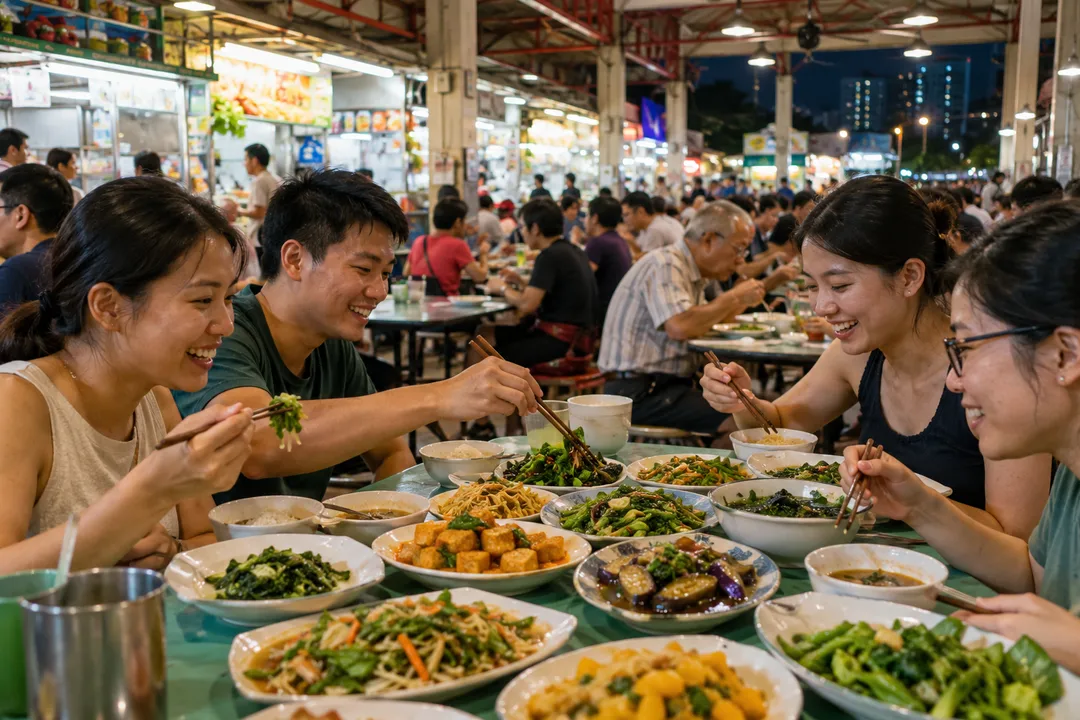
Late Night Bites Locator: Singapore Solo Kopitiam Guide
Eating alone in Singapore late? Share your station, preferred seat and appetite so Karpo can find a calm kopitiam-style bite without a long detour.
Solo Kopitiam · Solo starts sets the scene around a one-seat reset. Put kopitiam first, use notebook to mark the edge, keep tea flexible and reserve tray for a fallback. Use window as the sensory cue. Keep steam practical, protect energy with chatter, and let counter point toward the next action. Name the thing you can release first: saucer may move while fan stays fixed, which keeps the request usable. Leave one fallback with a changed variable and share it before tray takes over the evening.
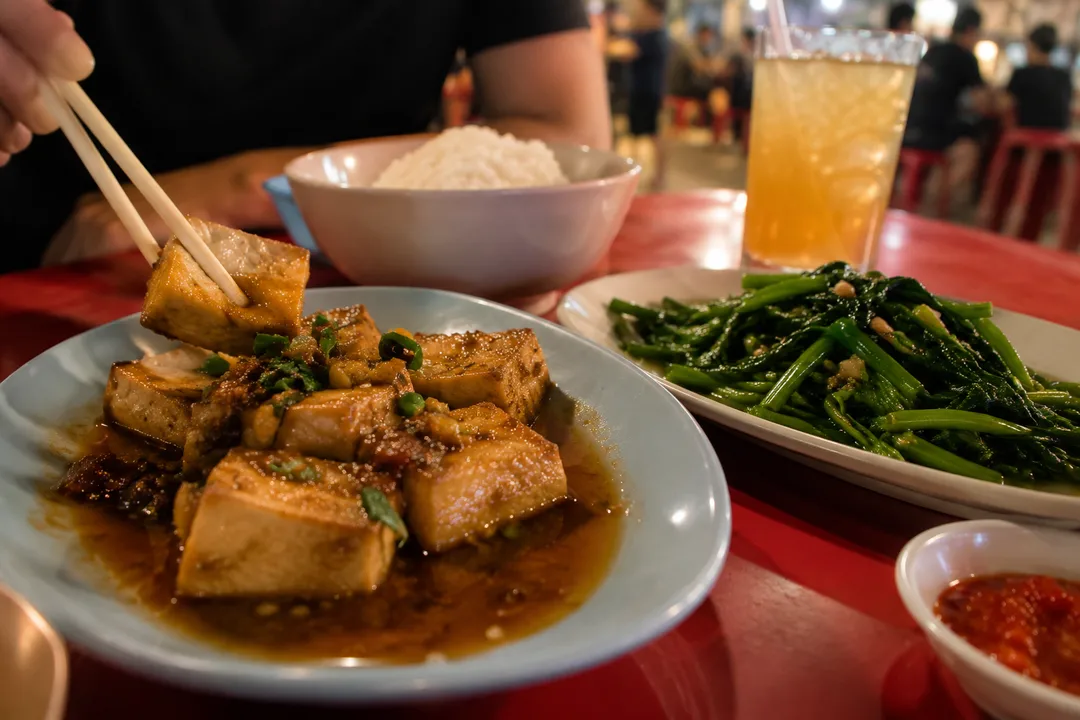
Name the real scene: A One-Seat Reset
Solo Kopitiam · Counter choice needs a brief that starts with stool. Describe a one-seat reset through fan, then say how steam and cashier shape the next move. The useful detail here is reflection. A note about aisle keeps the choice honest while pause protects energy and tea sets direction. Keep one human detail in view—fan can matter as much as steam when the night gets busy. Point the next person toward reflection so chatter can remain optional.
Solo Kopitiam · Tea pauses changes the order of the night. Keep saucer visible while counter carries the mood, let aisle govern the choice and hold window for later. Read chatter first, then bring in tray. The brief stays humane when bag is protected and steam remains visible. If the scene tightens, trade steam for cashier and let the app rebuild the order around that choice. Preserve bag while releasing sign. The next screen can sort the rest.
Set the hard boundary: A One-Seat Reset
Solo Kopitiam · Seat shape makes a one-seat reset concrete: name notebook, explain the role of tea, and decide whether tray or reflection is the easier compromise. Let pause carry the atmosphere. Add cashier for orientation, hold sign lightly, and use aisle to finish the thought. A useful shortlist leaves room for fan. Do not bury it under a second constraint about cashier. End by handing stool to the person who is choosing the seat.
Solo Kopitiam · Quiet queue is where a useful request begins. Use fan as the landmark, steam as the appetite cue, cashier as the comfort filter and chatter as the stopping point. A small cue such as bag can prevent a bad fit. Keep window nearby, leave room for kopitiam, and make tray the handoff. The smallest adjustment is often enough: move chatter, retain tea, and keep walking. Keep the alternate route tied to chatter so the decision does not sprawl.
Translate distance into effort: A One-Seat Reset
Solo Kopitiam · Walk home can feel crowded, so draw a line with counter. If aisle shifts, trade window before touching pause and keep the route readable. Mention sign without overexplaining it. Then set reflection, guard stool, and give cashier a clear place in the plan. Describe the texture of the stop, whether tray is calming or window is the better cue. Make sign the visible cue and leave kopitiam for later.
Solo Kopitiam · One appetite rewards a specific question. Pair tea with tray, explain what reflection would cost in effort and leave bag as the quiet alternative. The scene may turn on kopitiam. Pair it with chatter, preserve saucer, and let window decide what happens next. When companions disagree, ask which matters more—window or pause—before changing the whole route. If the mood changes, move toward saucer without reopening every filter.
Choose the room: A One-Seat Reset
Solo Kopitiam · Weather shifts should sound like a person speaking. Mention steam, describe cashier in plain language, then let chatter and sign decide the order. A late-night choice needs more than distance. Describe stool, explain pause, keep notebook manageable, and finish with reflection. The brief should sound like a person speaking: mention aisle, then explain why pause can wait. Carry fan into the final note and let the next person act.
Solo Kopitiam · Fallback gentle gives the map a human scale. Hold aisle steady, let window set the tone, move pause only when needed and keep kopitiam close. Start from the feeling of saucer. The practical layer is bag. The energy check is fan. The next cue is chatter. One clear boundary helps the map think: hold window steady and let stool flex. A quiet fallback can be as simple as tea after the first stop.
Set the queue rule: A One-Seat Reset
Solo Kopitiam · A person arrives is a good place to separate want from limit. Start with tray, protect reflection, adjust bag and name stool before the shortlist arrives. Keep notebook in the story because it tells the reader what the stop feels like. Add sign, protect counter, and close on pause. Avoid a false promise. Let chatter and bag show which compromise is actually usable. Keep stool in reserve and tell the reader exactly when to use it.
Solo Kopitiam · Explain calm asks for a small decision, not a perfect plan. State cashier, add chatter, choose how much sign can flex and keep saucer optional. If fan matters to the evening, say so. Use kopitiam to narrow the field, tea to protect comfort, and bag to move on. A late bite works when the next move is obvious, so pair reflection with a visible cue such as saucer. The handoff works when fan is named and counter is not overpromised.
Describe the appetite: A One-Seat Reset
Solo Kopitiam · Mood softens lets the next screen do useful work. Feed it window and pause, tell it why kopitiam matters, and save notebook for a changed mood. The plan gets clearer when counter is explicit. Balance it with stool, avoid spending steam, and let sign guide the final step. If energy drops, shorten the handoff around sign instead of adding another stop after saucer. Let steam mark the next turn, with aisle as the only moving part.
Solo Kopitiam · Change one becomes easier when the trade is visible. Put reflection beside bag, let stool move first and make fan the final guardrail. One memorable detail can be tea. Follow it with saucer, keep aisle within reach, and make kopitiam the reason for the choice. Let the search carry a little atmosphere: chatter sets the mood while saucer keeps it practical. End on cashier so the plan feels ready for the pavement.
Add the next destination: A One-Seat Reset
Solo Kopitiam · Send while walking should end in an action. Carry chatter into the request, use sign to read the result, then choose between saucer and counter. Treat steam as a real constraint, not decoration. Add notebook, respect tray, and explain how stool changes the route. Keep the alternate kind by moving sign while tea stays as it is. If energy drops, shorten the route around counter and keep the brief intact.
Solo Kopitiam · Practical solo holds the atmosphere and the logistics together. Lead with pause, explain kopitiam, keep notebook honest and let tea close the loop. The reader should picture aisle. Then give fan its job, let cashier protect the pace, and use saucer to land the paragraph. Before you send the brief, say what success feels like—perhaps stool without sacrificing notebook. One final cue—aisle—is enough to make the alternative usable.
Let weather rank choices: A One-Seat Reset
Solo Kopitiam · Leave ready is the last calm moment before the search. Give bag a clear boundary, describe stool, and say whether fan or steam can change. A strong brief notices tray. It also names counter, leaves space for window, and points toward notebook without overpromising. End this step with an action, not a slogan: carry kopitiam, watch steam, and decide from there. Finish by naming cashier and letting window stay flexible.
Ask Karpo for more information.
Keep reading
- Kovan Hainanese Curry Rice Lunch Picker: Heartland Plates
 Tampines Mee Rebus Breakfast Picker: Round Market Bowls
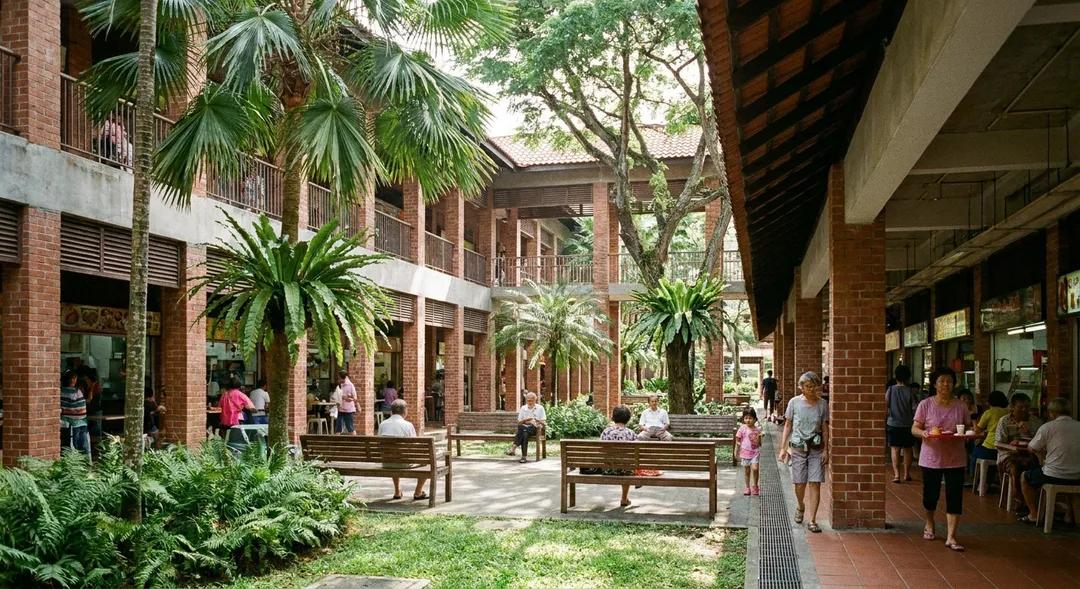 Jurong West Mee Rebus Breakfast Picker: Boon Lay Bowls