 Katong Indoor Swimming Pool Lane: East Coast Lap Swim
Sports Social
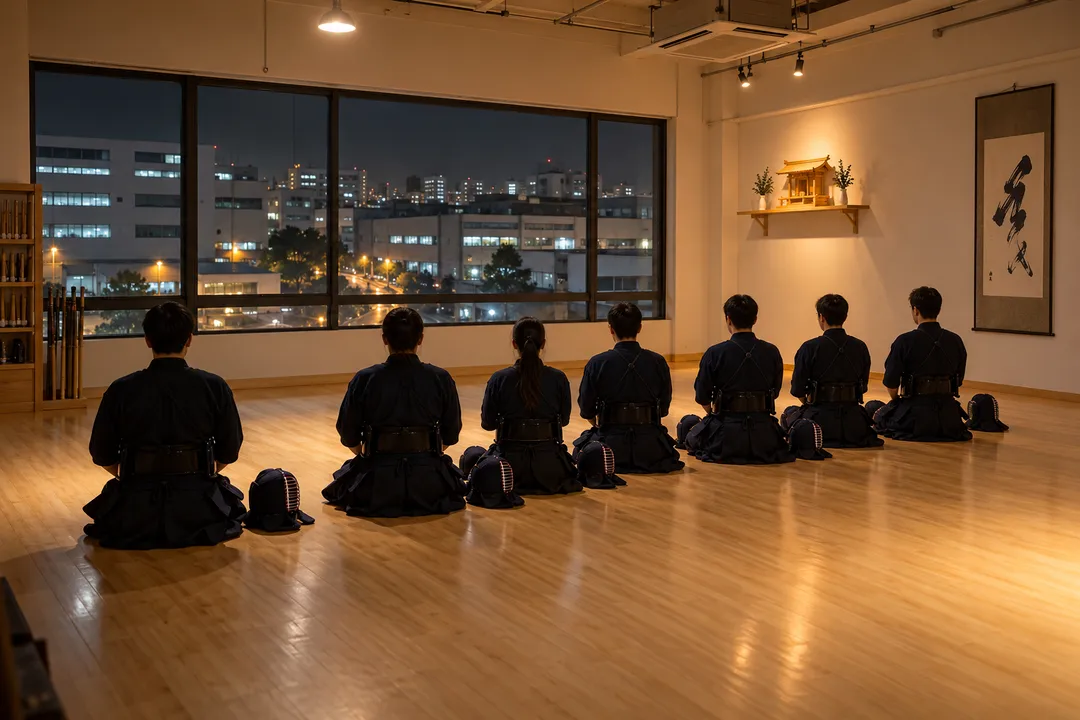
Seishinkan Kendo Dojo, Ubi: S$20 Keiko Six Days a Week
Seishinkan Kendo Dojo at 62 Ubi Rd 1, #07-19 trains six days a week and takes S$20 drop-ins. Beginners join a six-month course capped at ten people.
Seishinkan Kendo Dojo trains on the seventh floor of an industrial building at 62 Ubi Rd 1, #07-19, Singapore 408734, an eight-minute walk from Tai Seng MRT, and it keeps the mats busy six days a week. Regular keiko runs Monday to Thursday evenings plus weekend mornings, only Friday is dark, and a visiting kendoka can pay S$20 for a single session. For anyone searching kendo dojo near me from the east side of the island, that schedule is the main draw.
A Private Dojo Built by a Group of Friends
The dojo's own history page is candid about how it started: a bunch of friends wanted somewhere of their own to train, so they took a unit and fitted it out as a homely dojo. Head instructor Oliver Ng opened Seishinkan in 2022, the same year he was graded 5th Dan. The name 誠心館 means a dojo with a sincere heart, and the club says it chose it as a reminder to treat people sincerely on and off the floor.
Four years on, the club counts more than 50 members. That growth matters to a newcomer, because a small private dojo lives or dies by how many regulars show up on a wet Tuesday. Here the regular sessions are attended by a mix of working adults who come straight from the office in Paya Lebar or the CBD and seasoned kendoka who have competed abroad. The atmosphere is closer to a neighbourhood club than a commercial gym.
Who Leads Keiko on the Floor
Oliver Ng started kendo at 17 at Nanyang Polytechnic in 2008 and went on to represent Singapore overseas. His listed record includes the men's team title at the 2013 ASEAN Kendo Tournament in Penang, the men's individual title at the 2016 ASEAN event in Bangkok, a top-eight team finish and a Best Fighting Spirit award at the 2024 World Kendo Championships in Milan, and a top-16 individual result at the inaugural Asia Oceania Kendo Championships in Tokyo in 2026.
One detail sets him apart from most instructors in the region: his 3rd, 4th and 5th Dan gradings were all taken in nito, the two-sword style that only a small fraction of kendoka ever practise. Beginners will not be handed a second shinai on day one, but the influence shows in how much attention he pays to footwork and distance. He also attended the Kitamoto foreign leaders seminar in Saitama in 2016, a course aimed at people who teach kendo outside Japan.
The Six-Month Beginner Course and What It Costs
Complete beginners do not slot straight into regular keiko. Seishinkan runs a six-month beginner course that costs S$250 per month regardless of how many classes you attend, and each intake is capped at ten people. The current intake, August 2026 to January 2027, meets on Wednesdays from 6:30 pm to 7:45 pm, Saturdays from 9 am to 10:30 am and Sundays from 1 pm to 2:30 pm, so most people can make at least two sessions a week.
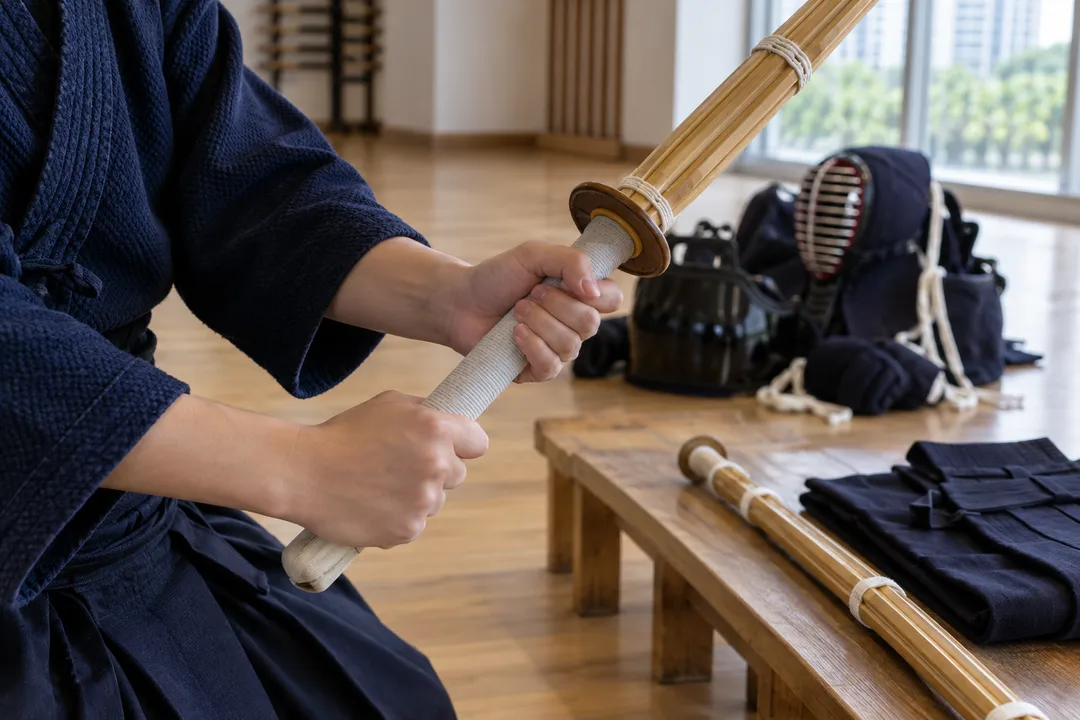
The course starts from ground zero: how to hold the shinai, how to step in suri-ashi, how to bow in and out, and how to cut men, kote and do without the armour. By the end of the six months the plan is to put every student into the uniform and bogu so they can graduate into the main group. Registration for each round is through a Google form linked from the dojo's news post, and the minimum age on the homepage is ten.
Membership, Drop-Ins and Equipment
Once you are in armour, the most popular plan is the S$180 monthly membership, which covers unlimited sessions across the whole weekly timetable, access to the members' video archive and space to leave your bogu at the dojo. That last perk is worth more than it sounds in Singapore, where carrying a damp armour bag across two MRT lines after a Wednesday night session is nobody's idea of fun.
The S$20 per-session rate is aimed at visitors: kendoka from other clubs, people in town for work, and overseas guests, all of whom the dojo explicitly welcomes. Places depend on class size, so it is a good idea to message ahead rather than turning up unannounced with a full bag. Seishinkan also sells equipment and rents it out, which helps beginners who are not ready to spend on a set of bogu before they know they will stick with it.
How a Regular Evening Session Runs
Regular keiko runs Monday, Tuesday and Thursday from 7:30 pm to 9 pm, Wednesday from 7:45 pm to 9:15 pm straight after the beginners finish, and Saturday and Sunday from 10:30 am to 12:30 pm. Friday is the one rest day. The weekend sessions are two hours, so they are the best slot for visitors who want plenty of jigeiko, the free sparring that makes up the back half of a typical practice.
Every session begins and ends with a formal bow, and the dojo says it expects proper basic etiquette alongside hard training. In practice that means arriving early enough to change, lining up by grade, and keeping your shinai checked for splinters. Kiai is loud here: the club's own description of kendo talks about shouting your heart out, and a seventh-floor unit carries the sound.
When to Go and Where Else to Train
For a first visit, a Saturday is the easy choice: you can watch the 9 am beginners and then stay for the 10:30 am regular session. Skip Friday entirely, since there is no training. If you want to start in armour sooner than six months allow, Seishinkan is not the place to rush things, and the course length is fixed.
If the Ubi intake is full, Joushinkan Kendo Dojo at Tiong Bahru Community Centre runs a Saturday beginners class from 5 pm to 7 pm and welcomes visiting kendoka. It suits people living in the west or around Outram better than a trip out to Tai Seng. Singapore Kendo Club, the governing body founded in 1972, also runs short beginner classes taught in English.
Around Tai Seng and Ubi Before or After Keiko
Tai Seng is an industrial estate rather than a shopping street, so plan food around the MRT. The Circle Line runs two stops from Tai Seng through MacPherson to Paya Lebar, where Paya Lebar Quarter has a mall and plenty of quick dinners before an evening session.
After a weekend practice, a short ride on to Paya Lebar puts you near Geylang Serai Market, where the hawker centre upstairs is a good place to refuel after two hours in armour. On weekday evenings the walk back from 62 Ubi Rd 1 to Tai Seng MRT is quiet and well lit along the main road, which is useful if you finish at 9:15 pm and want to be home quickly.
Practical Notes
Address: Seishinkan Kendo Dojo, 62 Ubi Rd 1, #07-19, Singapore 408734, about eight minutes on foot from Tai Seng MRT. Contact is by email at seishinkansg@gmail.com or through the enquiry form on seishinkansg.com; the dojo does not publish a phone number. Regular training: Mon, Tue and Thu 7:30 pm to 9 pm, Wed 7:45 pm to 9:15 pm, Sat and Sun 10:30 am to 12:30 pm, closed Fri.
Fees from the official site: S$180 per month for unlimited sessions, S$20 per session for visitors, and S$250 per month for the six-month beginner course. Minimum age is ten. The unit is also available for hourly or long-term rental by other dance and martial arts groups, so the evening timetable above is the one that belongs to the kendo club.
Ask Karpo for more information.
Keep reading
- Katong Indoor Swimming Pool Lane: East Coast Lap Swim
 Chinatown Indoor Swimming Pool Lane: Singapore Lap Guide
 Telok Ayer Indoor Swimming Pool Lane: Singapore CBD Lap Swim