 Kovan Hainanese Curry Rice Lunch Picker: Heartland Plates
Restaurants
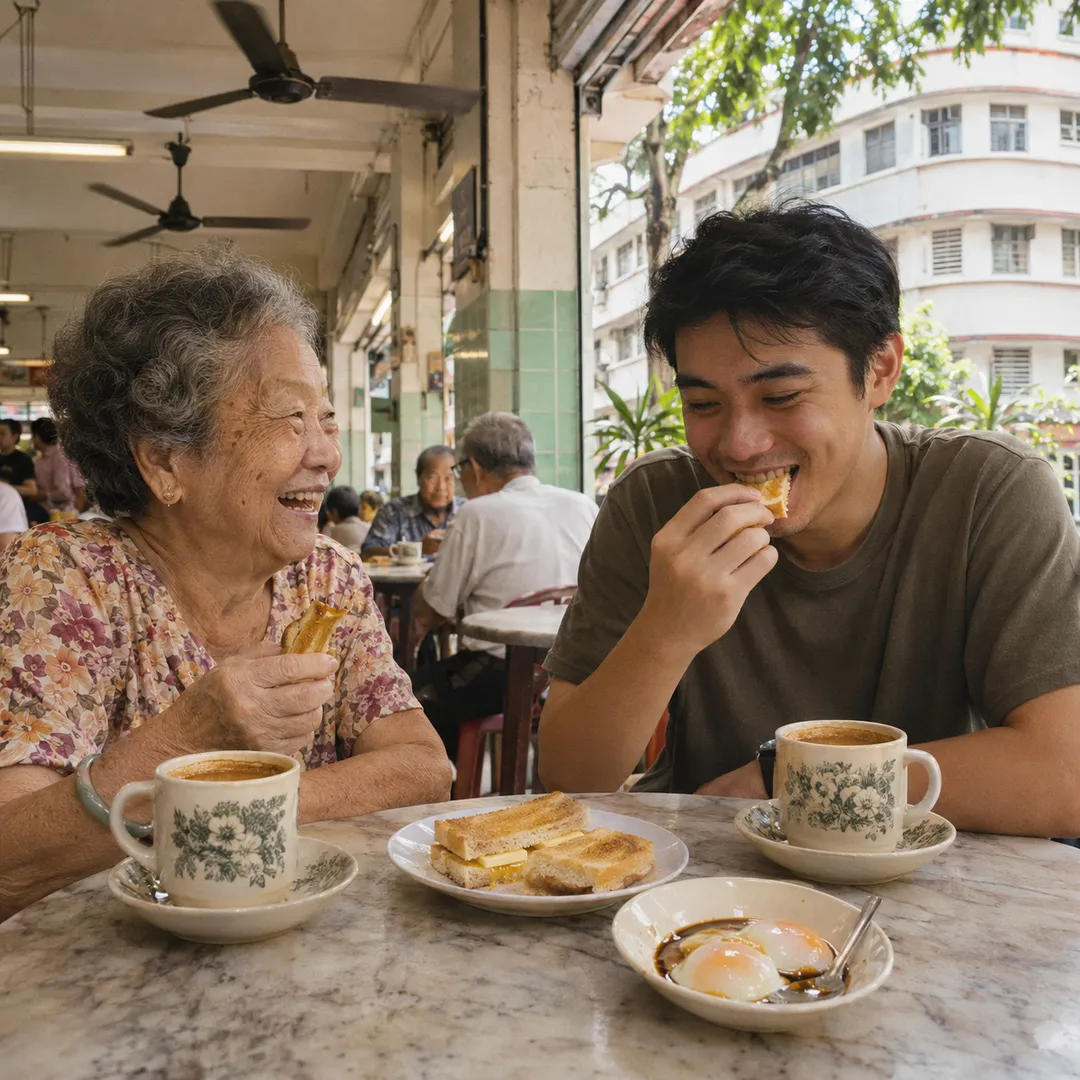
Tiong Bahru Kaya Toast Breakfast Picker With a Grandparent
Take a grandparent who grew up in Tiong Bahru for kaya toast and soft-boiled eggs, then walk the curved Art Deco blocks while they tell you how it used to be.
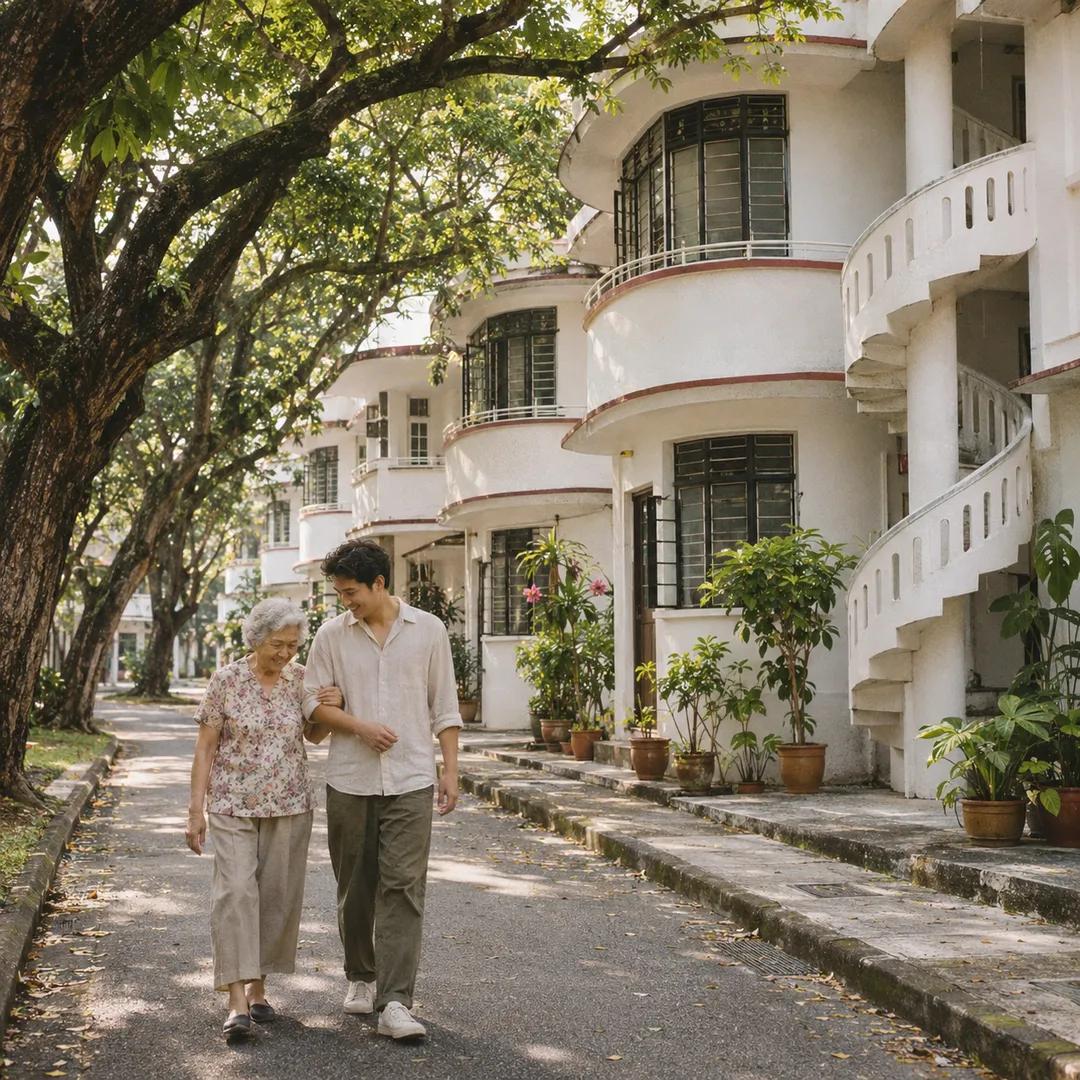
Tiong Bahru is one of the few places in Singapore where a breakfast can double as a family history lesson. The low, rounded blocks with their spiral staircases and porthole windows were home to many families long before the estate filled with bakeries and bookshops. If you have a grandparent who lived here, or who simply remembers the old coffee shops of their youth, a kaya toast breakfast is the easiest way to get them talking. This picker is for grandchildren who want a slow Sunday morning together, at the old pace.
Why Kaya Toast Opens Up Old Memories
Ask an older Singaporean about breakfast when they were young and the answer often arrives with detail: the smell of bread toasting over charcoal, the clink of a spoon against a thick cup, the coffee man pouring from a height. Kaya toast sits at the centre of those memories. It was cheap, quick and shared, and in many families it was the meal that fathers ate before work and children ate before school.
Sitting down to the same plate with a grandparent today puts those memories within reach. You do not need a list of questions. Order the toast, crack the eggs, and wait. Somewhere between the first bite and the second cup, the stories tend to come out by themselves: who lived on which floor, which neighbour kept birds, where the old market stood, and how the streets felt before the cafes arrived.
Who This Sunday Morning Suits
This picker is written for grandchildren in their twenties and thirties who want more time with an older relative, but who find that big family dinners leave little room for real conversation. A breakfast for two or three people is quieter and more personal. It also suits grandparents who wake early, tire in the afternoon heat, and feel most like themselves before the day gets busy and loud.
It works for relatives visiting from overseas too. If a great-aunt flew in from Malaysia or Australia and once lived nearby, a morning in Tiong Bahru gives her a chance to see what has changed and what has stayed the same. Keep the group small, plan for a seat with a backrest if you can find one, and leave the afternoon free so nobody feels rushed through the walk.
Choosing a Coffee Shop With the Right Pace
Tiong Bahru now has two breakfast moods. One is the newer cafe scene, with sourdough, flat whites and queues of young people taking photos. The other is the older kopitiam rhythm, where uncles read the papers, the toast comes on a small plate and nobody hurries you. For a grandparent, the second mood is usually the right one. Look for a place with ceiling fans, marble or formica tables and a steady stream of regulars.
The hawker centre in the middle of the estate is another good option, especially if your grandparent likes to wander between stalls and see what everyone else is eating. It is noisier, but older visitors often enjoy that sound. Avoid the busiest window of late morning on weekends. Arriving early means easier seats, a cooler walk and the chance to watch the estate wake up slowly around you.
Ordering the Classic Set the Old Way
The classic kopitiam breakfast is simple: toast spread with kaya, the sweet jam made from coconut milk, eggs, sugar and often pandan, with a thick slice of cold butter pressed inside. Beside it come two soft-boiled eggs, barely set, which you season with dark soy sauce and white pepper and stir together in the saucer. Then you dip the toast into the eggs. Let your grandparent show you how they do it, because every family has its own way.
For drinks, older regulars order in a shorthand that is worth learning. Kopi comes with condensed milk and sugar by default, kopi-c uses evaporated milk, kopi-o is black with sugar, and kosong means no sugar at all. Siew dai is less sweet and ga dai is sweeter. Teh follows the same pattern with tea. Asking your grandparent to order for both of you is a small gesture they usually enjoy.
Questions That Start the Best Stories
The easiest prompts are sensory. Ask what breakfast smelled like when they were a child, or what the coffee man shouted when he took orders. Ask whether they ate at home or downstairs, and who paid. Ask which floor they lived on, how they climbed the spiral stairs with shopping bags, and what the neighbours did on festival days. Small, concrete questions work better than broad ones about the past.
If you want to keep the stories, ask before recording. Some grandparents love the idea of a voice memo for the family, while others prefer to talk freely without one. A paper sketchpad works well too. You can draw a rough map of the estate together on the back of a page, marking where they lived, where they played and where the old shops were. These maps often become treasured keepsakes.
The Slow Walk Through the Art Deco Blocks
After breakfast, walk the estate at your grandparent's pace. The early public housing blocks here are known for their streamlined curves, rounded balconies, flat roofs and external staircases, and they look best in morning light. Walk under the rain trees along the quieter streets, pause at the corners where the buildings curve, and let your grandparent point out details that a younger visitor would never notice, like an old window shape or a changed shopfront.
Near the edge of the estate is a small temple dedicated to the Monkey God, which many older residents remember from festival processions. A short walk further takes you to Tiong Bahru Park, where there are shaded benches and open lawns for a rest. Plan the route in short loops rather than one long walk. Sit down often, carry water, and turn back as soon as anyone starts to feel the heat.
Practical Notes for a Comfortable Morning
Choose shoes with a good grip, because some older pavements here are uneven and the stairways can be slippery after rain. An umbrella does double duty against sun and showers, and a small folding fan is welcome indoors on still mornings. If your grandparent uses a walking stick or a wheelchair, look at the route ahead of time and favour the flatter streets, where kerbs are lower and there is more shade.
Keep the breakfast light if anyone has dietary concerns, since kaya is sweet and the eggs are only lightly cooked. Many coffee shops can toast plain bread with just butter, or leave the sugar out of the drinks. When you want to plan the next morning out together, the Karpo APP can help you find other kaya toast spots in the neighbourhoods your family once called home, so the stories can keep coming.
Ask Karpo for more information.
Keep reading
- Kovan Hainanese Curry Rice Lunch Picker: Heartland Plates
 Tampines Mee Rebus Breakfast Picker: Round Market Bowls
 Jurong West Mee Rebus Breakfast Picker: Boon Lay Bowls