 Kovan Hainanese Curry Rice Lunch Picker: Heartland Plates
Restaurants
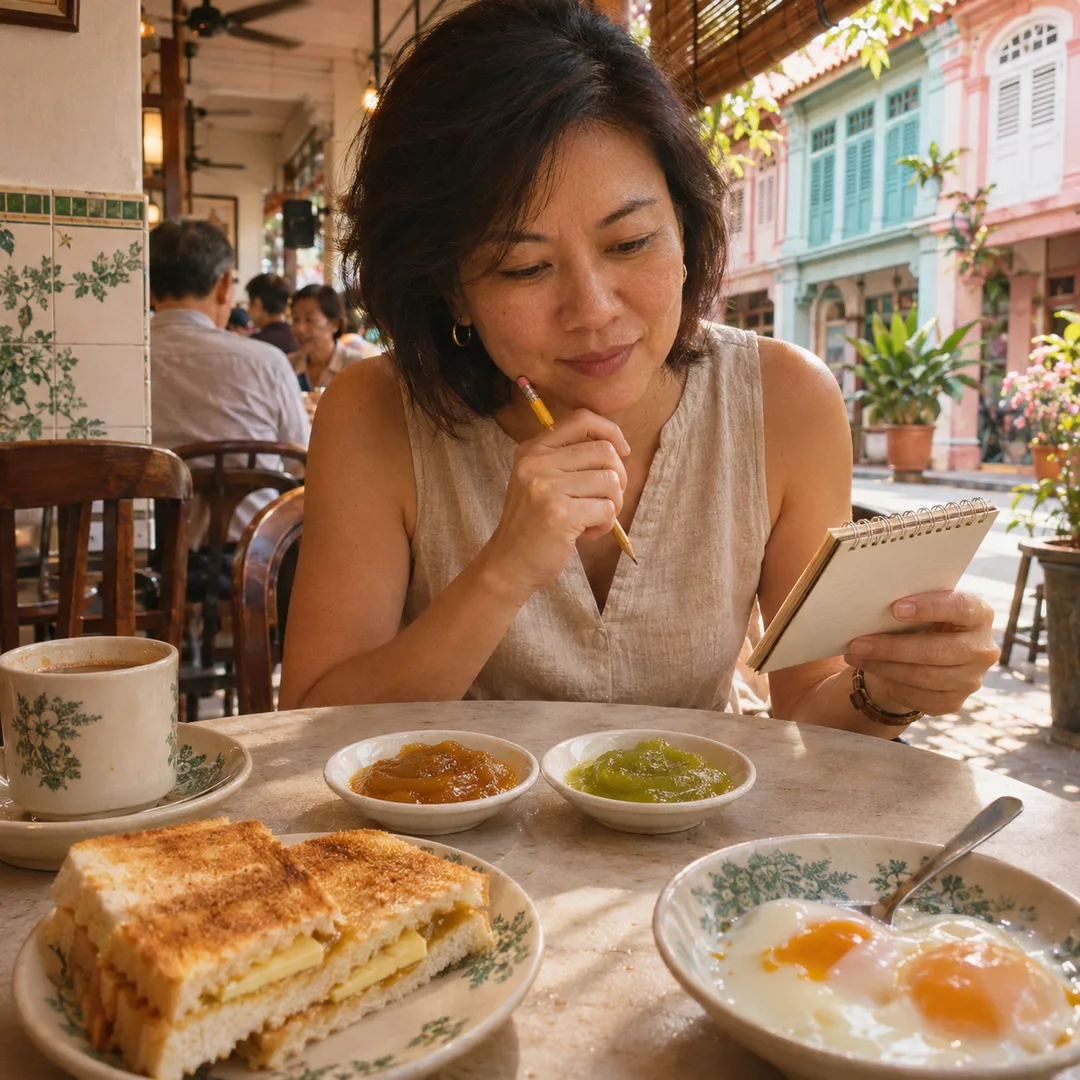
Katong Kaya Toast Breakfast Picker for a Home Cook's Tasting
Learning to make kaya at home? Taste brown and green kaya side by side over a Katong breakfast, take notes on texture and sweetness, then walk the shophouses.
Katong has long been tied to Peranakan home cooking, and kaya is one of the jams that many Peranakan and Hainanese families once made in their own kitchens. If you are planning to cook kaya yourself, the best research is a breakfast spent tasting it the way Singaporeans have eaten it for generations. This picker is for home cooks, baking hobbyists and anyone who has stood over a pot of coconut custard wondering why theirs does not taste like the one they remember.
Why Tasting Comes Before Cooking
Kaya looks simple on paper: coconut milk, eggs, sugar and usually pandan, cooked slowly until thick. In practice, small choices change everything. The ratio of yolks to whites, how dark the sugar is cooked, how long the pot stays on the heat and how much pandan goes in all shape the final jam. Without a clear target in your mind, it is hard to know which of these to adjust.
Tasting several versions in one morning gives you that target. You start to notice which kaya is silky and which is slightly grainy, which tastes of caramel and which tastes of fresh leaves, which is thin enough to soak into the bread and which sits on top like a spread. Those observations are worth more than any recipe card, because they tell you what you are actually aiming for.
Who Will Enjoy This Morning
This picker suits home cooks who want to recreate a family recipe, bakers who plan to fill buns or cakes with kaya, and newcomers to Singapore who fell for the jam and want to make it in their own kitchen. It also works well for a pair of friends who cook together and enjoy comparing notes, since two palates catch more than one.
If an older relative used to make kaya, invite them. They will notice things you miss, like whether the texture reminds them of the version cooked over a double boiler at home, or whether the sweetness is closer to what they grew up with. Even if they no longer cook, their memory of the taste can guide your own attempts better than any instructions found online. Wear comfortable shoes too, because a good tasting morning involves plenty of walking between stops along the quieter side streets.
Brown Kaya, Green Kaya and What Sets Them Apart
Many coffee shops serve a brown kaya, often linked with Hainanese coffee shop traditions, where sugar is caramelised before or during cooking. It tends to taste deeper, with notes of toffee and a richer colour. Green kaya, often associated with Nyonya kitchens, leans on fresh pandan juice for its colour and aroma, and usually tastes lighter, more floral and sometimes a little less sweet.
Neither one is more correct. Families defend their version fiercely, and part of the fun is deciding which camp you belong to. Some places serve a blend, or let you choose. When you order, ask which style they use. Most staff are happy to explain, and you will often hear a little story about the person who first made it, which helps you understand the choices behind the taste.
How to Run a Simple Tasting
Order a basic set of kaya toast, butter and soft-boiled eggs at each stop, and ask for a small extra spoonful of kaya on the side if the place is happy to provide it. Taste the jam alone first, then on the toast, then with the butter. Each step shows you something different. On its own you notice sweetness and texture, while with butter you notice how well it balances fat and salt.
Keep notes simple and consistent. A short line for colour, texture, sweetness, coconut strength and pandan aroma is enough. Score each from one to five, and write one word that sums up the overall feeling, such as custardy, jammy, smoky or fresh. Drink a sip of plain water or kopi-o kosong between tastes so the sugar does not blur your judgement by the second stop.
Pairing Toast Styles and Drinks
The bread matters as much as the jam. Some places toast thin slices until crisp and serve them like crackers, while others use thick, fluffy slices, steamed buns or soft bread toasted only on the outside. Note how each kaya behaves on each style. A thinner kaya may soak into crisp toast nicely but slide off a steamed bun, while a thick custard sits beautifully on soft bread.
Drinks change the picture too. Sweet kopi with condensed milk can drown a delicate pandan kaya, while black coffee or plain tea lets it shine. If you want to taste properly, choose a less sweet drink, such as kopi siew dai or teh-c kosong. You can always order a sweeter cup at the end, once your notes are done and you simply want to enjoy breakfast.
Walking the Peranakan Shophouse Streets
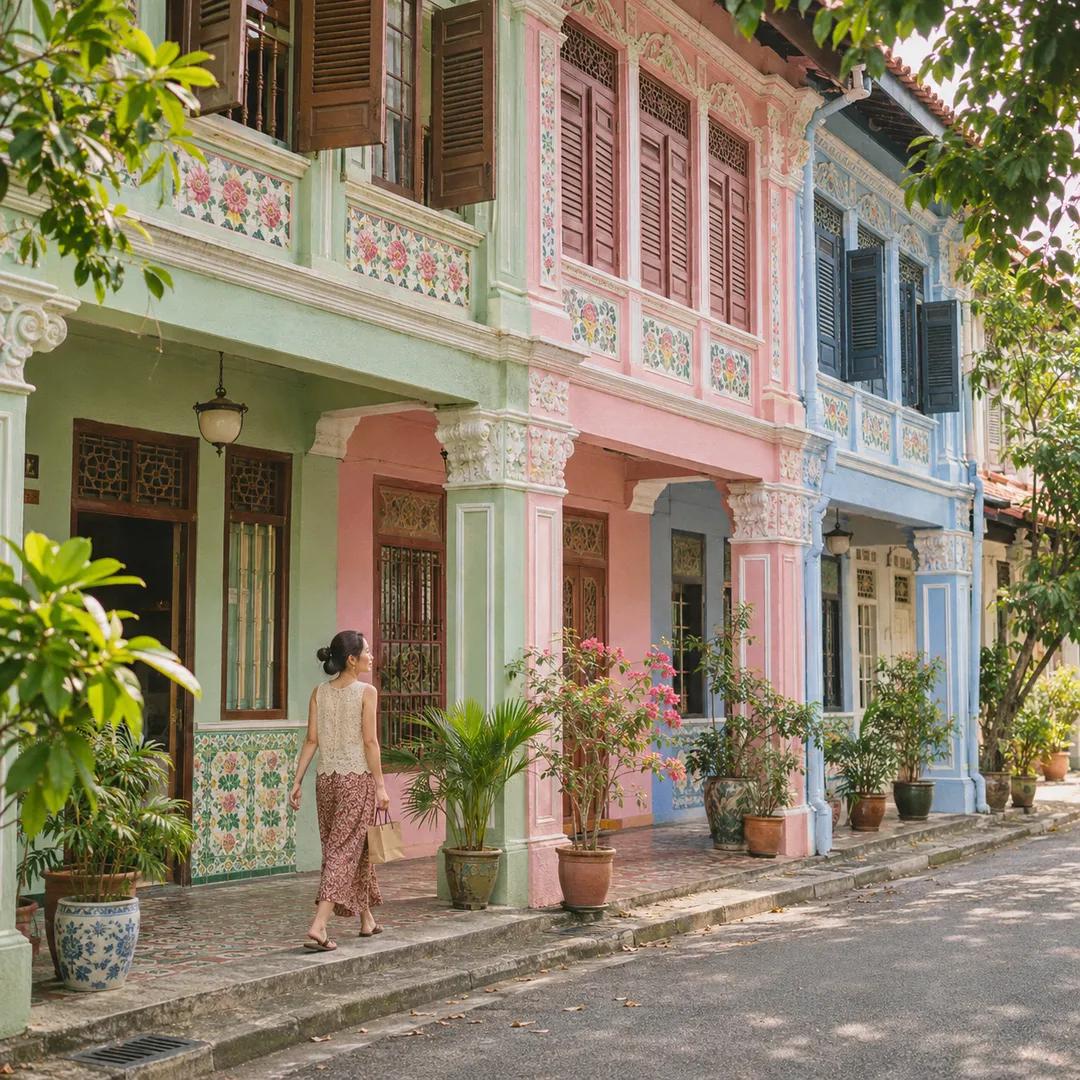
Between tastings, walk off the toast. The streets around Katong and Joo Chiat are lined with restored Peranakan shophouses decorated with pastel paint, ceramic tiles and carved details, and the residential stretches near Koon Seng Road are especially photogenic. Walking slowly gives your palate a rest and gives you time to think about what you have just eaten.
Look out for the small shops selling Peranakan kitchenware, kueh and pandan leaves, which are useful if you are buying ingredients for your own batch. Shopkeepers in the area are often happy to talk about cooking, and a polite question about kaya may lead to a family tip you would never find written down. Finish the walk with something savoury, since a morning of sweet jam leaves most people craving salt.
Taking Your Notes Back to the Kitchen
When you get home, pick the version you liked most and write down what made it work. If it was the dark caramel note, plan to cook your sugar further. If it was the silky texture, focus on gentle heat and constant stirring. If it was the fresh pandan aroma, use more leaves or blend fresh juice into the coconut milk. Change one thing at a time between batches so you know what made the difference.
Kaya keeps best in the fridge and should be eaten within a short time, since it contains eggs. Make small batches while you are experimenting. When you want to taste a few more versions to compare against your own, the Karpo APP can help you find kaya toast spots across Katong and nearby neighbourhoods, so each research morning brings you one step closer to the jar you remember.
Ask Karpo for more information.
Keep reading
- Kovan Hainanese Curry Rice Lunch Picker: Heartland Plates
 Tampines Mee Rebus Breakfast Picker: Round Market Bowls
 Jurong West Mee Rebus Breakfast Picker: Boon Lay Bowls