 Chinatown New in Town Weekend Planner: Errands and Temples
Weekend Plans
Tiong Bahru Indoor Craft Workshop Finder in Singapore
Locate serene ceramic and pottery studios across historic art deco estates in Tiong Bahru using this focused indoor craft workshop finder for Singapore.
Tiong Bahru offers one of Singapore's most atmospheric enclaves for hands-on making, where streamlined art deco residential blocks shelter quiet independent pottery ateliers and artisan creative spaces. Utilizing a curated indoor craft workshop finder allows curious makers to navigate past bustling weekend bakery lines and step directly into sunlit creative workshops. Within these air-conditioned sanctuaries, spinning pottery wheels, cool moist stoneware clay, and rhythmic hand-shaping rituals transform a casual weekend morning into a deeply grounding tactile retreat away from tropical midday heat.

Art Deco Enclaves and Clay Studio Sanctuaries
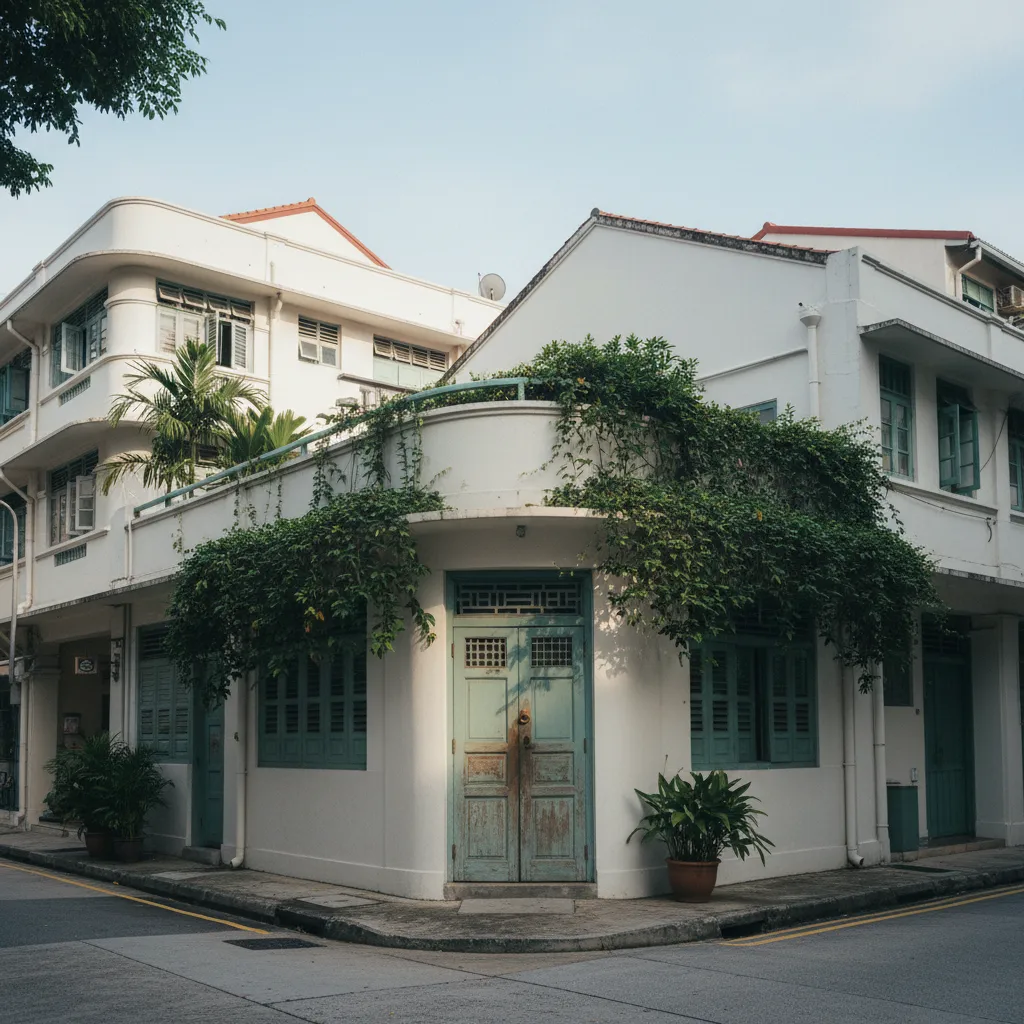
Stepping off the shaded pavements into a Tiong Bahru pottery atelier reveals high ceilings, polished concrete floors, and wide wooden worktables dusted with fine white kaolin powder. The historic Singapore Improvement Trust architecture, distinguished by curved exterior balconies and internal courtyards, provides natural acoustic dampening that shields artisans from street traffic hum. Sunlight filters through vintage louvered window frames, illuminating rows of freshly trimmed bisque vessels drying evenly on open slatted timber shelving units.
Working with stoneware in this historic neighborhood reconnects participants with the fundamental pleasure of physical craft. Instructors introduce basic centering techniques, emphasizing steady posture, anchored forearms, and gradual thumb pressure to open rotating mounds of wet clay. The physical sensation of cool slip gliding between palms creates an immediate meditative focus, allowing first-time makers to discard daily digital distractions as smooth ceramic walls rise from the wheel head.
Wheel Throwing Rhythms and Studio Etiquette
Studio etiquette across Singapore craft spaces emphasizes respect for shared materials and mindful pacing throughout the session. Makers slip into heavy cotton canvas aprons, secure loose hair, and rinse hands in designated settling water traps rather than standard plumbing sinks to prevent pipe sedimentation. Instructors guide learners through the delicate balance of rotational wheel speed and gentle rib tool shaping, demonstrating how small adjustments in fingertip angle can stabilize a wavering clay rim.
Patience proves essential when tackling the wheel for the first time, as rushing the upward pull inevitably creates uneven wall thickness or structural collapse. Experienced workshop leaders encourage embracing unexpected asymmetries, teaching novices how to salvage an off-center cylinder by transforming it into a rustic sake cup, textured matcha bowl, or pinched bud vase. Each minor wobble becomes part of the piece's unique personal narrative.
Exploring Ceramic Hand Building Techniques
Beyond electric throwing wheels, hand-building tables offer a slower, highly contemplative alternative that requires minimal mechanical coordination. Participants wedge grogged clay slabs using heavy rolling guides, learning how canvas fabric textures can be pressed into soft surfaces to impart subtle organic patterns. Hand-building allows artisans to construct organic asymmetrical vessels, geometric planter boxes, and sculptural incense holders that defy the circular geometry of the wheel.
Coiling techniques form the foundation for sturdy vessel construction, requiring uniform rolling of clay coils between outstretched fingers before smoothing joint lines with wooden modeling tools. Joining separate components mandates meticulous scoring with cross-hatching needles and generous application of liquid clay slip to prevent shrinkage cracks during drying. The tactile satisfaction of pinching, smoothing, and aligning structural seams creates a deeply restorative sense of creative accomplishment.
Glazing Palettes and Post Workshop Maturation
Once greenware pieces are completed, makers select their desired decorative finishes from comprehensive studio glaze test tiles displayed on magnetic wall boards. Tiong Bahru ateliers frequently specialize in understated mineral palettes, including powdery celadon greens, speckled iron reduction whites, matte charcoal, and earthy oatmeal glazes that complement natural interior aesthetics. Students apply wax resist barriers to vessel foot rings to ensure pieces do not fuse to kiln shelves during high-temperature firings.
Because ceramics require gradual moisture evaporation followed by initial bisque firing and secondary glaze firing at over twelve hundred degrees Celsius, finished creations cannot be taken home immediately. Studios typically schedule drying and firing cycles spanning three to four weeks, notifying participants when their vitreous, food-safe pieces are ready for collection. This built-in maturation period adds an enjoyable sense of anticipation to the entire craft experience.
Five Foot Way Strolls and Cafe Pauses
Stepping out from a hands-on morning session leaves participants pleasantly grounded, with chalky clay traces lingering under fingernails and an appetite for leisurely neighborhood exploration. The sheltered five-foot ways along Yong Siak Street and Moh Guan Terrace invite unhurried walks under shaded masonry overhangs. Taking time to stroll past heritage tiled shophouse pillars and lush residential potted gardens provides a relaxing sensory cool-down after intensive creative focus.
Pairing a workshop with a quiet corner seat at a neighborhood specialty cafe allows makers to review workshop notes and sketch future project concepts. Sipping a chilled flat white or iced botanical cold brew amidst Tiong Bahru's low-slung streetscape lets creative inspiration settle naturally into memory. The neighborhood's unique residential rhythm encourages lingering over conversation about glaze chemistry, wheel speeds, and upcoming studio courses.
Weekend Timing and Studio Arrival Protocol
Securing preferred workshop slots requires planning ahead, as boutique neighborhood studios deliberately restrict class cohorts to four or six students to ensure personalized instructor attention. Midweek afternoon sessions provide the most tranquil environment for deep concentration, whereas Saturday and Sunday morning slots fill weeks in advance with couples, solo hobbyists, and visiting design enthusiasts. Early arrivals are advised to reach the studio ten minutes before commencement to select aprons and settle into assigned workstations.
Dressing appropriately maximizes comfort throughout multi-hour tactile sessions. Practical makers opt for breathable natural cotton apparel, flat rubber-soled footwear that facilitates wheel pedal control, and trimmed fingernails that will not gouge delicate clay rims during shaping. Leaving rings, bracelets, and watches safely stowed in provided studio lockers prevents treasured personal items from getting encrusted with clay slip or polishing slurry.
Transit Directions and Craft Walk Planning
Reaching Tiong Bahru's studio enclave is exceptionally convenient via Singapore's comprehensive public transit network. Tiong Bahru MRT station on the East West Line and Havelock MRT station on the Thomson East Coast Line both sit within a pleasant seven-minute stroll of the main conservation estate perimeter. Regular public bus services along Zion Road and Outram Road provide direct links from downtown hotel corridors and civic landmarks.
Navigating between creative spaces, hidden residential courtyards, and artisanal supply counters becomes seamless when consulting the Karpo APP. The mobile platform helps you discover alternative walking loops, pinpoint sheltered pedestrian connectors during tropical rain showers, and locate tranquil rest benches across Singapore's vibrant heritage districts. Planning your weekend making itinerary ensures every minute spent in the neighborhood feels purposeful and creatively rewarding.
Ask Karpo for more information.
Keep reading
- Chinatown New in Town Weekend Planner: Errands and Temples
 Kampong Glam New in Town Weekend Planner: Mosque to Murtabak
 Holland Village New in Town Weekend Planner: Meet People