 Chinatown New in Town Weekend Planner: Errands and Temples
Weekend Plans
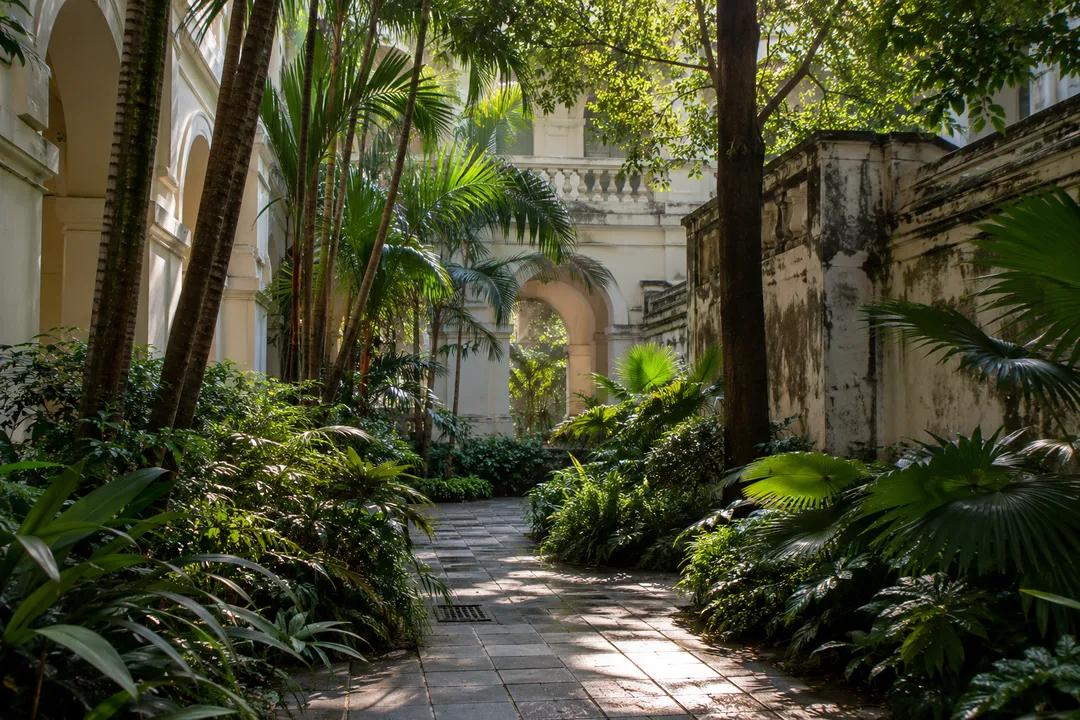
Singapore Hidden Courtyard Garden: Museum Courtyard Layers
Asian Civilisations Museum opens onto planted edges and tiled shade in Singapore. Use this courtyard guide to pair museum rooms with slower outdoor observation.
Asian Civilisations Museum makes a strong starting point for a hidden courtyard garden day in Singapore: the museum’s historic setting opens onto planted edges, tiled paths and shaded transitions. This guide treats the courtyard as a visual bridge between collections and the river district, with prompts for noticing proportion, humidity and the small details that make an enclosed garden feel discovered. A useful way to keep the visit personal is to choose one quiet question before entering: where does the garden feel most enclosed, and where does it open toward the city? Carry that question through the galleries, then return outside with a changed answer. The exercise keeps the courtyard connected to the museum rather than treating it as a decorative pause. It also leaves room for weather, conversation and an unplanned detail to redirect the route.
Opening frame
Start with the threshold
A closer look
Do not rush from the street into the galleries. Give the first courtyard threshold a minute of attention. The change in light is useful: bright pavement outside, filtered green within, then the lower glow of an interior room. That progression is part of the visit. Stand where you can see a wall line, a plant mass and a doorway at once. The layered view helps you understand how the museum’s architecture guides movement without needing signs to tell you where to look.
A practical rhythm
Treat the garden as a gallery
What to notice
A planted court can be read like a display case. The paving supplies a grid, the foliage adds irregular shapes and the walls provide a steady colour field. Move slowly enough to notice what repeats. A leaf may echo a carved motif; A shadow may turn an ordinary railing into a temporary pattern. You do not need to identify an object or plant for the comparison to work. The pleasure comes from allowing the indoor collection and outdoor planting to sharpen one another.
A gentle route
Choose one material at a time
Shared etiquette
Museum visits become calmer when you narrow the brief. Pick stone first, then wood, then leaf. Find one example of each in the courtyard and one inside the museum. Compare temperature, sheen and the way light sits on the surface. This turns a general garden stop into an active observation exercise. It also gives children or first-time visitors a clear game that does not rely on reading every label. The hidden courtyard garden becomes a place to practice attention, not another room to hurry through.
A visual prompt
Let water and shade set the pace
Keep it comfortable
Singapore’s heat changes how an enclosed garden feels from minute to minute. Shade is not just a comfort; It is part of the design. Notice where the air seems still and where a breeze moves across the path. If a water edge or damp tile catches light, use it as a quiet reset before returning indoors. Keep your route short enough that the shift remains pleasant. The best museum-garden sequence alternates focused looking with a few unstructured breaths.
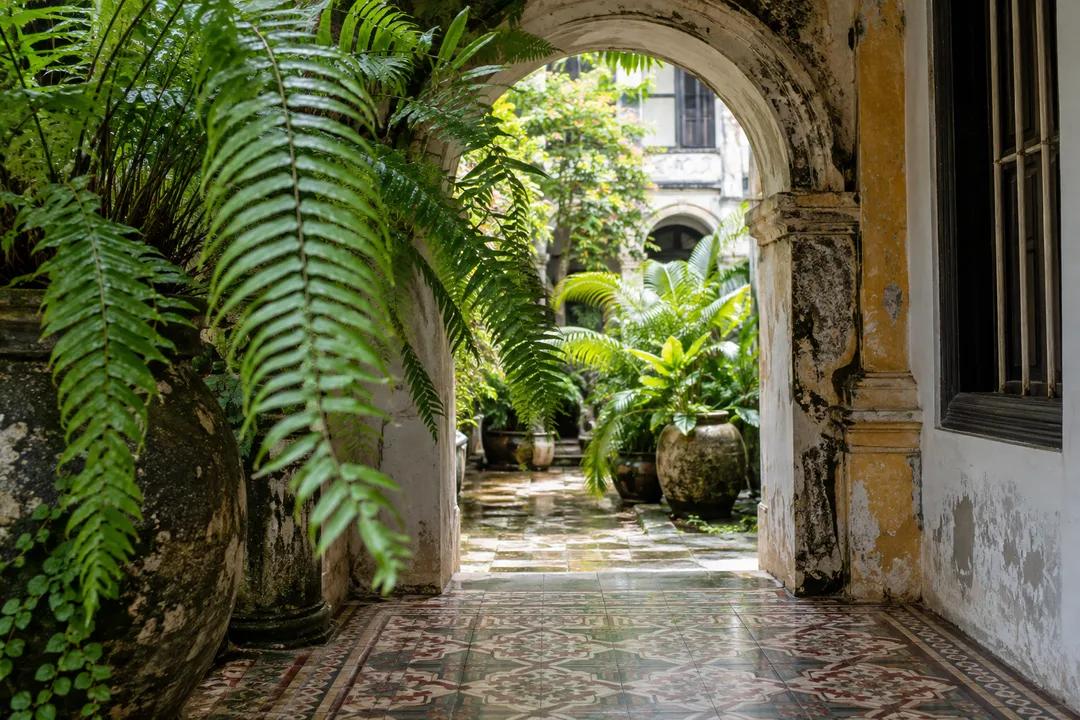
Freshly generated images interpret museum courtyard textures and do not document this site.
Practical notes
Build a river-side continuation
One memory to keep
When you leave the museum, keep the same visual language. Follow the river edge and look for repetitions of arch, railing and planted border. An open promenade will feel different from the court, but the contrast makes the enclosure more legible in memory. Choose a route with one deliberate turn rather than many detours. If the sun becomes intense, return to shade and resume the material game. A garden guide should make the city easier to read, not fill every minute.
Next step
Visit with different kinds of company
A slower family format
Families can make the museum courtyard feel legible by giving each person a different layer. One person follows shadows, another follows edges and a third listens for changes in sound. Meet at a clear threshold and trade observations before entering the next gallery. The exercise keeps the group together without forcing everyone to like the same object. It also works for mixed ages because the prompts are sensory rather than academic. Remind children that plants and old surfaces are subjects to observe, not props to rearrange. The courtyard remains calm when curiosity is expressed through questions and sketches instead of handling.
A return loop between rooms
If the museum’s collection feels dense, build a return loop: one gallery, one courtyard pause, then another gallery. Each outdoor return should have a different task. On the first, notice temperature; On the second, compare a hard line with a leaf curve; On the third, listen for the people moving around you. These small resets prevent visual fatigue and make the building feel connected to its planted edges. They also give a solo visitor a natural reason to pause without needing to find a seat. The hidden courtyard garden becomes a hinge in the day, not a detour from the museum.
What not to over-plan
Avoid assigning every courtyard moment a conclusion. Some views will be blocked by a group, a maintenance task or ordinary movement. Let the incomplete view stand. A glimpse through a doorway can be enough to establish the relationship between garden and building. If the weather shifts, change the question rather than forcing the original plan. For example, replace a colour study with a sound study when rain darkens the paving. Flexibility protects the quality that drew you outside: a sense of discovery that cannot be manufactured by a checklist.
A final pair of details
Before leaving, select one detail that belongs to the museum and one that belongs only to the garden. The first might be a carved edge or a framed threshold; The second might be a damp tile, a leaf shadow or the sound of water. Put them side by side in your notes. The pairing gives the day a quiet conclusion and helps you remember that a hidden courtyard garden is not an isolated attraction. It is a conversation between a cultural institution and the climate around it.
A note on movement
Use the courtyard to notice how your body changes pace. A bright corridor may make you walk quickly; Planted shade encourages a softer step. Name that change before moving on. It is an honest way to describe a museum garden without inventing a story about who built each bed or how often it is maintained. The observation also helps when you plan another visit: you can choose a place that offers the kind of movement you want, whether that is a compact pause or a longer loop.
A final observation
A second pass can focus on sound. Listen for footsteps changing from open paving to covered stone, then notice how the planted edge softens the difference. Keep the observation simple and let it support the next gallery choice.
Ask Karpo for more information.
Keep reading
- Chinatown New in Town Weekend Planner: Errands and Temples
 Kampong Glam New in Town Weekend Planner: Mosque to Murtabak
 Holland Village New in Town Weekend Planner: Meet People