 Kovan Hainanese Curry Rice Lunch Picker: Heartland Plates
Restaurants
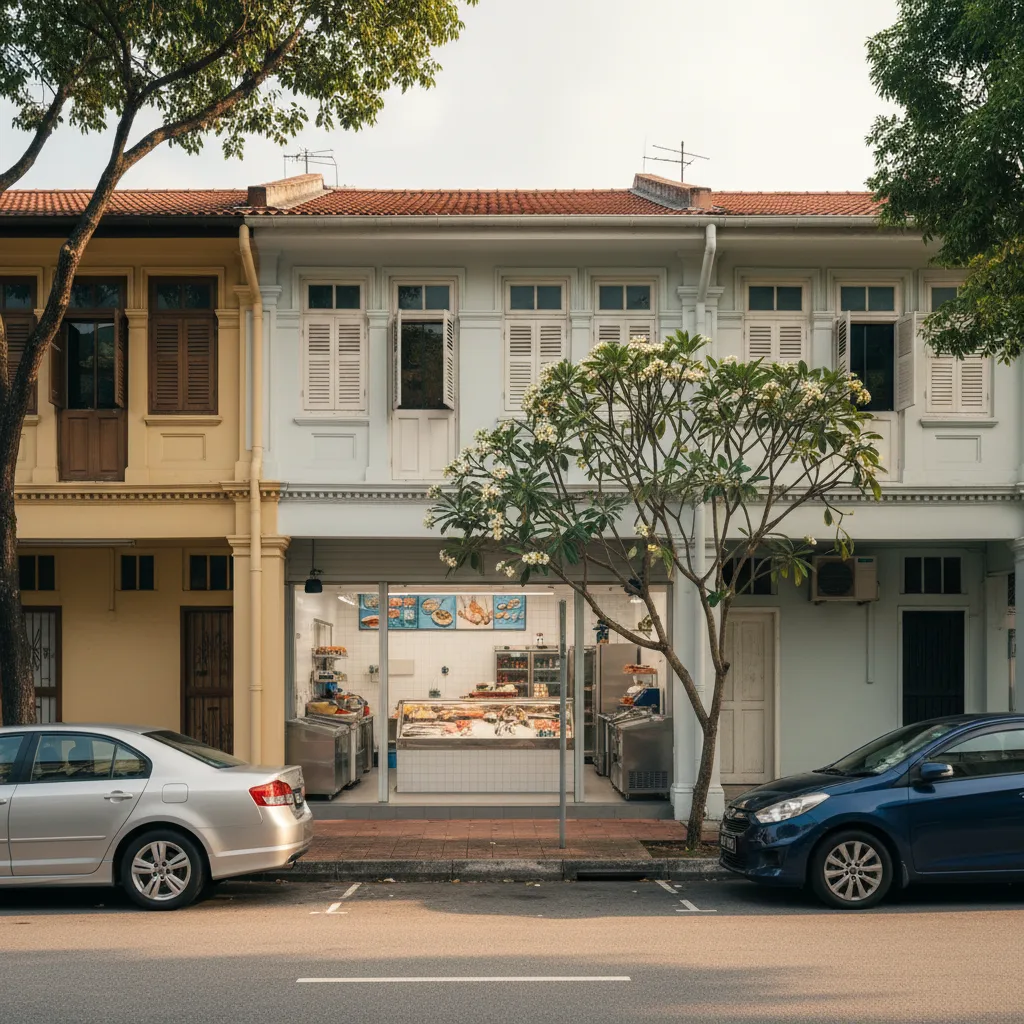
Serangoon Fishmonger Dish The Fish: Six Days, Numbered Cuts
Dish The Fish sells fresh fish at 15-8 Jalan Riang, Serangoon, Monday to Saturday 11 am to 6:30 pm. Pick a numbered cut, from steak to fillet, before you pay.
Dish The Fish is shut on Sundays, so the shophouse at 15-8 Jalan Riang, Singapore 358987, is a Monday to Saturday stop. It trades from 11 am to 6:30 pm on those six days. It calls itself a new age seafood retail concept store, and the counter runs on a numbered cutting system: steak cut is number 1, fillet number 2, child cut number 3 and slices number 6, so you say how you want your fish before it is weighed.
From Jurong Fishery Port to a Serangoon Shophouse
The founders are Jeffrey Tan and Angeline. Jeffrey told Malay Mail in July 2016 that he grew up in Jurong Fishery Port and had started Dish The Fish the previous September, back when it was a fishmonger stall at Beo Crescent Market. The shop now trades from a shophouse on Jalan Riang in Serangoon, swapping the wet market for a cool, bright room where the fish sits in chillers rather than on a wet slab.
That port background shapes the shop. Jeffrey grew up around wholesalers, and the store's pitch is to bring that trade knowledge to home cooks who never set foot in a fishery port at 3 am. The house language is about sustainability and wild fish, and many product names carry the word sustainable, from white pomfret to rock grouper and black cod. The press wall backs this up: the shop lists a Michelin Guide mention from February 2018 and a place among the Spirit of Enterprise Awards honourees in 2019.
Wild Salmon Flown in From Canada
Salmon is where Dish The Fish tries hardest to be different. Instead of farmed Atlantic salmon, the headline salmon here is wild fish that the shop says is air-flown directly from Canadian fishermen, with the keta caught off the north coast of British Columbia. A 500g wild fresh keta salmon fillet is S$43.90, and a 200g pack of cold-smoked wild keta is S$24.90. The richer wild king salmon fillet, about 500g, is S$76.90, but it is sold by season only.
Here is the honest call: if you only cook salmon in a teriyaki glaze or a curry, skip the king salmon even when it is in season. The sauce hides the difference, and the lean, mild keta at nearly half the price will do. Save the fatty, buttery king for a simple pan-roast with salt and a squeeze of lime, eaten with the skin crisp and the centre barely set, where you can actually taste why it costs more.
Pomfret, Threadfin and Black Cod for Home Cooking
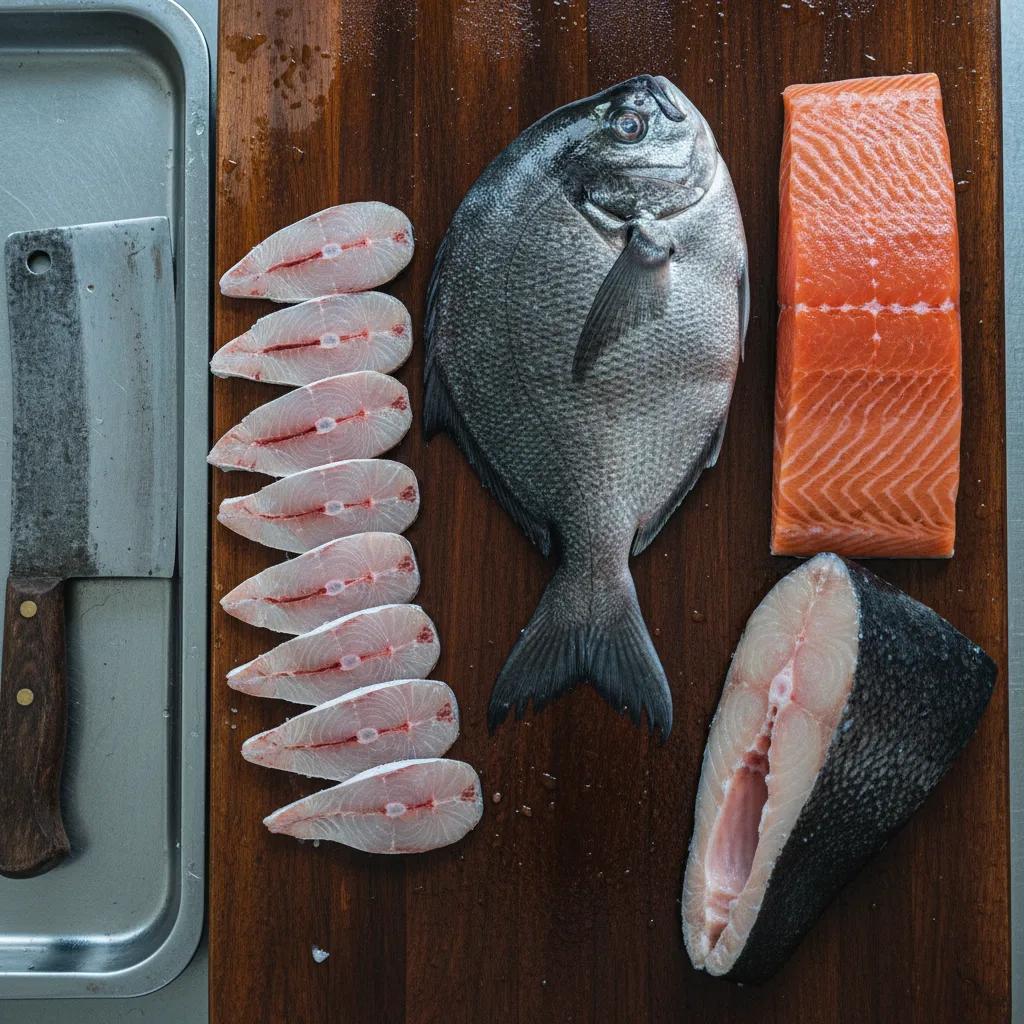
The local favourites are well covered. A wild black pomfret of about 350g is S$8.90, a cheap fish that steams or fries beautifully with a simple soy and ginger finish. A wild white pomfret of about 400g is S$23.90, the classic Teochew steamed fish for a family dinner. Four-finger threadfin slices, a 400g pack, are S$33.90, the go-to for fish porridge and for children because of the soft, flaky flesh.
For a bigger table, a Chinese pomfret of about 450g is S$26.90, and the jumbo version of about 1.1kg is S$96.90, the sort of fish that anchors a reunion dinner. A whole rock grouper of about 3kg, descaled and gutted, is also S$96.90. Black cod, the fish behind miso-glazed gindara in Japanese restaurants, comes in a 170g fillet for S$20.90, enough for one person after a night in miso and mirin.
Choosing Your Cut at the Counter
The numbered cuts take the guesswork out of ordering. Steak cut, number 1, gives thick cross-sections on the bone that suit assam gravy and fish curry. Fillet, number 2, is boneless and is the safest choice for children and for pan frying. Child cut, number 3, means small, tidy pieces for little eaters, number 4 keeps the fish whole for steaming, and slices, number 6, are thin pieces for porridge, soup or a quick stir-fry.
Tell the fishmonger what dish you are making rather than just naming a cut. A teochew steam wants the pomfret whole and scored, while a fish soup wants threadfin slices cut thin enough to cook in a minute in boiling stock. Ordering this way means the fish is ready for the pan the moment you get home, which is half the reason to come to a specialist fishmonger rather than a supermarket chiller.
Beating the 6:30 pm Close
Because the shop closes at 6:30 pm, working people need to plan. A Saturday morning visit at 11 am is the most relaxed time, before lunch and while the counter is fully stocked. Weekday visits right after opening also work well. Arriving at 6:15 pm on a weekday is a gamble, as there is little time left to have a whole fish scaled and cut before the shutters come down.
If the hours never fit, there is a strong plan B. The shop offers free islandwide delivery for orders above S$99, and it advertises night delivery slots between 6 pm and 10 pm, which suits households where nobody is home in the day. Ordering online also lets you pick the cut number in advance, so the fish arrives ready to cook on the same evening.
Getting There and the Serangoon Neighbourhood
The shop's own directions say to alight at Serangoon MRT or Lorong Chuan MRT, both on the Circle Line, with Serangoon also on the North East Line. Drivers get an easier time than at a mall, because the shop points to ample street parking along Jalan Riang and Wolskel Road. The lane is lined with landed homes and low shophouses, quiet even on a Saturday.
Pair the trip with lunch in Serangoon Gardens, the old estate known for its circus of food stalls at Chomp Chomp, which comes alive in the evening, and its bakeries and cafés by day. Shop for fish last so it stays cold, and bring a cooler bag if you plan to linger. Families often turn it into a Saturday routine: fish shopping, lunch nearby, then home to cook dinner.
Practical Notes
The address is 15-8 Jalan Riang, Singapore 358987. Opening hours are Monday to Saturday from 11 am to 6:30 pm, with Sunday closed. Delivery is free across the island above S$99, with evening slots from 6 pm to 10 pm. Prices here, such as S$8.90 for the black pomfret and S$43.90 for the 500g keta fillet, come from the shop's online list.
Weights on whole fish are approximate, so the final price can shift a little once the fish is weighed and cut. Ask for the head and bones if you plan to make stock, since a pomfret or grouper frame makes a fine soup base. And if you are new to wild salmon, start with the keta, cook it gently, and work up to the king once you know how much you like the deeper flavour.
Ask Karpo for more information.
Keep reading
- Kovan Hainanese Curry Rice Lunch Picker: Heartland Plates
 Tampines Mee Rebus Breakfast Picker: Round Market Bowls
 Jurong West Mee Rebus Breakfast Picker: Boon Lay Bowls