 Kovan Hainanese Curry Rice Lunch Picker: Heartland Plates
Restaurants

Toa Payoh Fish Soup Lunch Picker: Heartland Lorong Bowls
Walk-in heartland hawker stalls in Toa Payoh serve Teochew fish soup with no bookings needed. Compare fish-head taro bowls, egg floss, and Town Park walks.
Taking my parents for a weekday midday meal across the numbered lorongs of Toa Payoh always reveals how differently Singapore's oldest satellite town treats a bowl of fish soup compared with downtown office arcades. Using a fish soup lunch picker in Toa Payoh means choosing between upstairs neighbourhood market centres tucked behind HDB void decks and the bustling pedestrian mall near the bus interchange, where stalls still garnish their broth with nests of lacy deep-fried egg floss and slow-simmered yam chunks. Retirees carrying morning newspapers, polyclinic visitors, and HDB Hub office teams share round tables under giant industrial fans, trading tips on which lorong stall has the sweetest snakehead belly and the cleanest white-pepper stock. When you match the right lorong food centre to your family's walking pace, a simple midday soup becomes an unhurried heartland outing.
Navigating Toa Payoh's Numbered Lorong Food Centres vs Central Mall Kopitiams
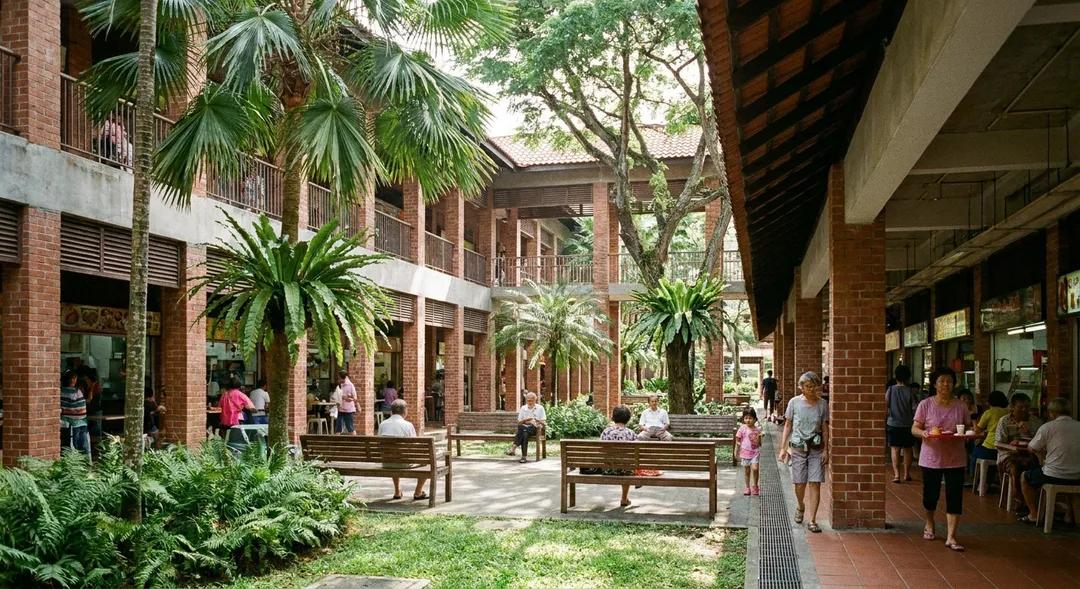
Toa Payoh's circular town road links half a dozen distinct neighbourhood hawker centres, each serving its own cluster of residential blocks with a slightly different culinary personality. The upper-deck hawker halls around the eastern and northern lorongs sit directly above neighbourhood wet markets, drawing veteran Teochew and Hokkien cooks who start simmering pork bones, old ginger, and roasted sole frames before sunrise. Because their customer base consists of long-time residents who eat from the same stall three times a week, portion sizes of sliced Batang and snakehead are generous and the broth avoids heavy MSG shortcuts.
Closer to the central pedestrian mall and HDB Hub, ground-floor kopitiams and air-conditioned food courts cater to folks running errands at the bank branches or stepping out from office towers. If you are accompanying an elderly relative who prefers step-free access straight from the bus interchange or MRT concourse, the central promenade stalls save a walk in the sun, whereas a short stroll out to the quieter lorong decks rewards you with wider aisle spacing and noticeably cooler cross-breezes.
Crispy Egg Floss, Braised Taro Chunks, and Snakehead Slices: Heartland Ordering Secrets
What sets a classic Toa Payoh heartland bowl apart from a quick downtown lunch is the texture of its traditional garnishes. Look for stalls keeping a stainless-steel colander piled high with dan si—fine ribbons of beaten egg drizzled into hot oil until they puff into a golden, savoury mesh. Placed on top of a clear sliced-fish soup right before the tray leaves the counter, the crispy egg floss acts like a sponge, soaking up the aromatic ti poh broth while lending a nutty richness without needing evaporated milk.
When ordering for three generations at the same table, mix and match the textures across three bowls so everyone gets their preferred bite. Order a gentle snakehead—known locally as Toman—or Batang rice porridge for grandparents or anyone recovering from a cold, since snakehead flesh stays firm and gelatinous while rice grains soften into the savoury bone stock. Pair that with a fried-fish head or belly bee hoon soup containing soft, powdery chunks of braised yam that thicken the broth naturally, plus a side saucer of blanched baby kai lan drizzled with fragrant shallot oil and light soy sauce.

Step-Free Seating and Midday Timing Across the Void Decks
Heartland lunch hours start earlier than central business district schedules because retired residents and shift workers gather for an early lunch as soon as morning market stalls begin hosing down their floors. Arriving around the late-morning transition lets you claim a round six-seater table near the lift landing or outer railing without competing against the noon rush from nearby schools and hub offices. If someone in your group uses a walking stick or pushes a shopping trolley, check the lift lobby at the end of the market block rather than climbing the central concrete stairs.
At the stall counter, let the cook know immediately if you are dining in for multiple people so all bowls can be arranged safely on two balanced plastic trays with non-slip mats. Heartland stallholders appreciate direct, traditional ordering shorthand: state the fish cut, specify thick bee hoon, ee fu noodles, or white rice, and mention clearly whether you want bitter gourd, extra lettuce, or no milk. Keep a small saucer of cut red chillies in light soy sauce per person rather than pouring spicy chilli directly into the shared soup.
What to Skip in Toa Payoh and How to Pivot Between Lorongs
Skip ordering deep-fried fish head pieces if you only have twenty minutes before an appointment; working around the collar bones and gelatinous cheek cartilage with chopsticks is a slow, tactile pleasure meant for a relaxed lunch, whereas boneless sliced Batang or threadfin lets you finish cleanly on a tight schedule. You should also skip stalls where pre-blanched fish slices sit stacked on warm plates beside the stove rather than resting on ice, as room-temperature fish loses its sweet juice and turns chalky the moment it hits hot stock.
Because Toa Payoh's hawker centres sit within short bus hops or shaded void-deck walks of one another, you never need to settle for a stalled queue or a closed shutter. When a famous lorong stall has a twenty-person line snaking past the kopi counter, walk five minutes through the shaded HDB void decks to the next neighbourhood market centre or cross toward the breezy kopitiams ringing the central town square. Opening the Karpo APP helps you spot alternative Teochew porridge stalls, traditional herbal soup counters, and shaded seating pockets across Toa Payoh in moments.
Digesting Your Meal by the Vintage Dragon Playground and Toa Payoh Town Park
A warm bowl of ginger-laced fish soup pairs naturally with a gentle heritage walk through Singapore's quintessential heartland landscape. From the central lorongs, follow the covered linkways east toward the famous vintage sand-pit Dragon Playground, where the terrazzo-tiled spine and steel body loops stand as an enduring symbol of late-twentieth-century public housing design. Even a ten-minute pause on the shaded benches around the adjacent HDB flats gives visitors a vivid sense of everyday neighbourhood rhythm.
For a greener loop before heading home, cross the pedestrian overpass into Toa Payoh Town Park, where weeping willows, stone footbridges, and a tranquil landscaped pond offer cool shade during the warmest part of the afternoon. You can watch terrapins sunning near the water's edge, climb the spiral steps of the observation tower surroundings, rest under the wooden gazebos, and then step into a traditional neighbourhood bakery along the town centre promenade for pandan chiffon cake or check the Karpo APP for nearby heartland dessert stalls and kopitiam tea stops.
Ask Karpo for more information.
Keep reading
- Kovan Hainanese Curry Rice Lunch Picker: Heartland Plates
 Tampines Mee Rebus Breakfast Picker: Round Market Bowls
 Jurong West Mee Rebus Breakfast Picker: Boon Lay Bowls