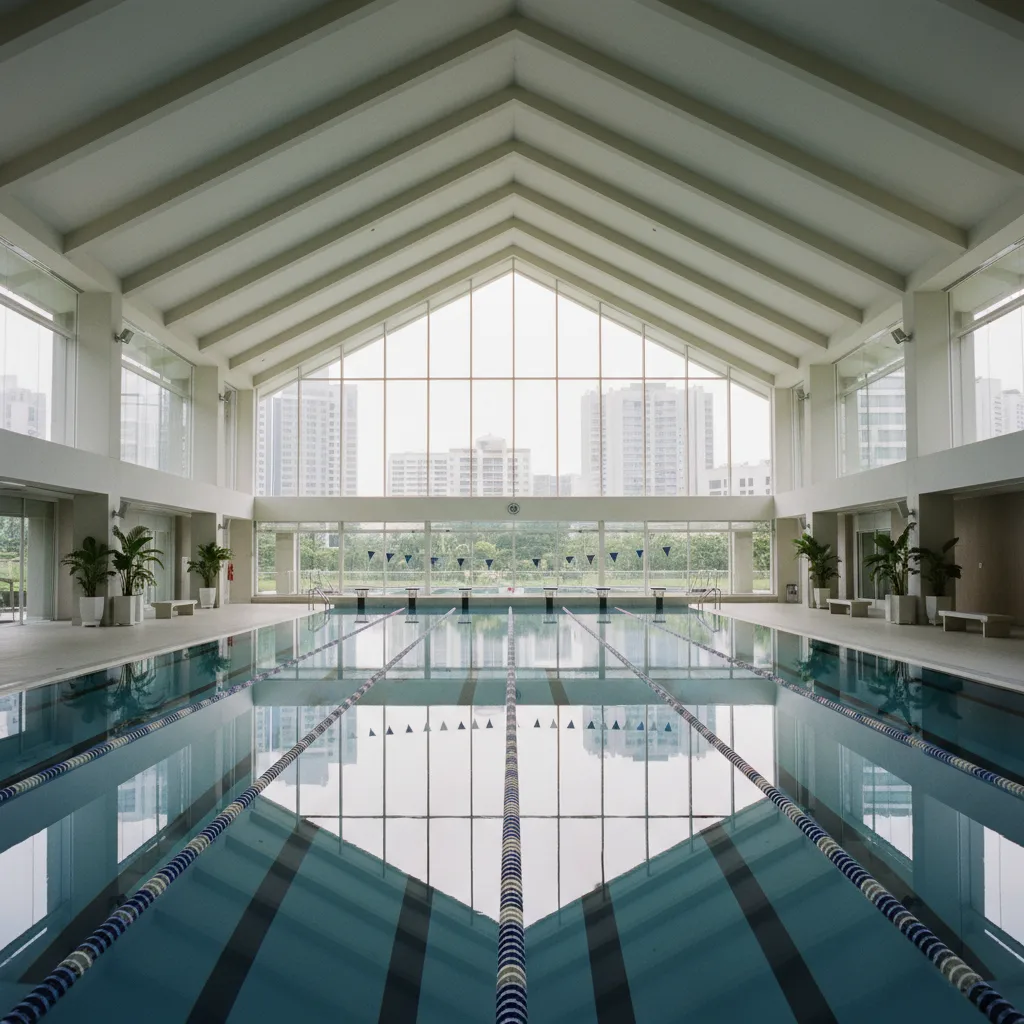
 Katong Indoor Swimming Pool Lane: East Coast Lap Swim
Sports Social

Asgard Fencing Club: Tagore Lane Sabre Training for Adults
Asgard at 9 Tagore Lane focuses on sabre for recreational and competitive fencers. Evening weekday hours and a 2014 track record make it easy to start.
Asgard Fencing Club is a sabre-focused fencing club at 9 Tagore Lane, #03-11, 9@Tagore, Singapore 787472. Its official site describes classes for recreational and competitive fencers aged 7 and up, while the home page lists training from 3pm to 9pm Tuesday through Friday, 9am to 6:30pm Saturday, and 2pm to 6pm Sunday. That combination makes Asgard a strong choice for someone who wants a specialist club with a clear evening rhythm.
The Sabre-First Identity
Asgard is not trying to be everything to everyone. The club calls itself a premier sabre fencing club and frames its work around homegrown talent and international success. Sabre is the weapon of rapid decisions: attacks can arrive high, low, or into the right of way, and the pace makes hesitation visible. A newcomer does not need to be fast on day one, but they do need to accept that the coach will ask for quick recovery after every action.
The club’s sabre identity gives the room a particular energy. Footwork is crisp, warm-ups are purposeful, and a simple drill can become a lesson in distance within seconds. Watch for the moment a beginner stops chasing the opponent’s blade and starts controlling the space in front of the body. That shift is more important than a flashy hit. Sabre rewards attention, and Asgard’s training language keeps returning to that point.
When To Go
The official home page lists Tuesday through Friday from 3pm to 9pm, Saturday from 9am to 6:30pm, and Sunday from 2pm to 6pm. Those hours give different visitors different entry points. A student can come after school, an office worker can train in the evening, and a family can use a weekend block without turning the day into a marathon. The practical move is to choose a slot that leaves enough time for changing and a calm warm-up.
Evening fencing has its own texture. The first part of a session may contain younger athletes, while later hours can feel more adult and competition-oriented. Do not judge the club from a single quiet interval between classes. The room is designed for repeated coaching, so its busiest moments are usually transitions: equipment comes out, pistes clear, and a new group begins. Stand back, listen for the start instruction, and let the floor reorganise before joining.
A Serious Club Without The Ceremony
Asgard’s history page says the club began in 2014 and has produced results from under-10 competitions through world championships. That background explains the club’s serious tone, but the official description also includes recreational fencers. The result is a useful middle ground: you can enter for fitness and still train in a place where technique is treated as a craft. The serious part is not a dress code; it is the willingness to repeat a movement until it becomes reliable.
Head Coach David Chan’s statement on the home page places winning inside a larger sporting journey of frustration, elation, and self-discovery. That is a helpful way to read the room. A bout may finish with a lost point, yet the coach may be pleased because the fencer recovered correctly or held distance for the first time. Beginners should listen for that feedback. It tells you what the club values when the scoreboard is not the whole story.
The First Lesson
A first sabre lesson usually begins with the body rather than the weapon. Expect stance, balance, advance-and-retreat footwork, and a demonstration of how the blade hand works with the legs. The point is to create a stable platform before speed arrives. If you lunge too far, the coach may shorten the movement; if you stand too upright, the correction may feel tiny. Those small changes are exactly where fencing begins to make sense.
Bring sportswear that lets the knees bend freely and shoes that grip an indoor floor. Specialist kit can wait until your training pattern is clear. Keep the mask on the bench when not in use, carry the sabre safely, and never enter the piste until the instructor says the exercise has started. Other fencers are likely to be moving quickly, so the room works best when everyone respects the same boundaries. Good etiquette makes fast sport feel controlled.
People You Will Meet
The official site speaks to children from age 7 upward, recreational fencers, and athletes working toward competitive results. That means a session may include a focused teenager polishing a cut, a parent watching from the edge, and an adult who has discovered that sabre is a better stress reset than a treadmill. None of those people needs the same lesson. The common thread is that each person is expected to stay engaged with the exercise in front of them.
A sabre club also attracts people who like measurable progress. They notice whether the front foot lands quietly, whether the arm reaches before the body, and whether the recovery returns to a usable guard. If that sounds overly technical, try one session before deciding. The details become satisfying once you see how one centimetre changes the distance. Asgard’s appeal is less about theatrical swordplay and more about making decisions under pressure without losing form.
Tagore Lane After Training
The 9@Tagore address places Asgard in a commercial area, so plan a simple arrival and departure rather than expecting a leisure district around the door. Leave time to navigate the building, change, and store a bag. After class, a short walk around the Tagore Lane industrial streets can help your breathing settle. It is a useful contrast to the piste: broad loading areas, workshop fronts, and traffic replace the narrow distance between two fencers.
Keep the post-training meal uncomplicated. Sabre practice can leave the shoulders and calves awake long after the last salute, so water and a balanced meal are more useful than a heroic late-night feast. If you are bringing a friend, invite them to watch the warm-up and the footwork lesson rather than only the bouts. They will understand the sport faster when they see how much control happens before the blades meet.
Practical Notes
Use asgardfencing.com for the club’s programme, training philosophy, history, and published hours. Fencing Singapore’s affiliated-club directory lists Asgard Fencing Club at 9 Tagore Lane, #03-11, 9@Tagore, Singapore 787472. The official home page identifies the club as sabre-focused and says it welcomes recreational and competitive fencers aged 7 and up. Those details are enough to choose the club’s fit without inventing a drop-in price or pretending every session has the same format.
The short answer is that Asgard works best for a visitor who wants sabre specifically, evening availability, and a club culture that takes progression seriously. It is not the pick for someone who wants to sample all three weapons in one visit. Go ready to repeat footwork, accept precise corrections, and let the speed come later. The memorable moment is often not the first hit; it is the first time a beginner sees an attack coming and responds without freezing.

Ask Karpo for more information.
Keep reading
- Katong Indoor Swimming Pool Lane: East Coast Lap Swim
 Chinatown Indoor Swimming Pool Lane: Singapore Lap Guide
 Telok Ayer Indoor Swimming Pool Lane: Singapore CBD Lap Swim