 Chinatown New in Town Weekend Planner: Errands and Temples
Weekend Plans
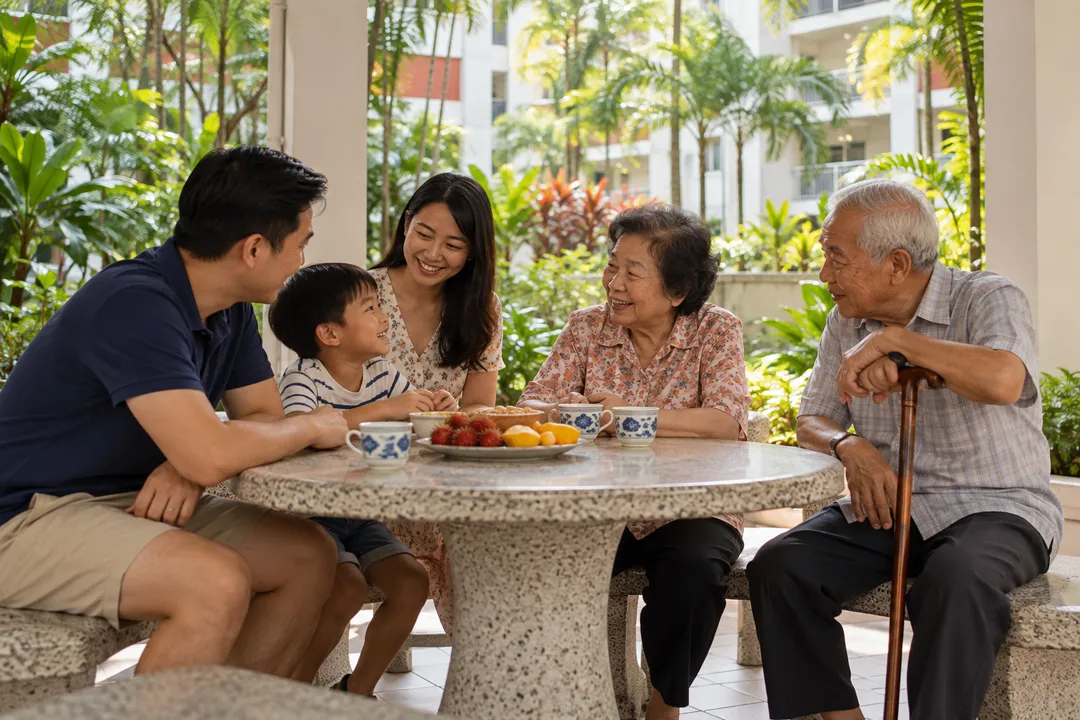
Singapore Family Outing Planner: Three Ages, Less Travel
Bring grandparents, parents and children into the same plan by choosing a comfortable shared base and making extra travel a deliberate choice.
A day with grandparents, parents and children can become a transport puzzle before it becomes a family memory. Different walking speeds, lunch preferences and energy levels make every extra move consequential. For a Singapore family outing planner request, start by reducing the number of times the whole group must relocate. Choose one shared base, make the comfortable option visible and let any extra activity branch from there without making anyone feel left behind.
Ask each generation what makes the day comfortable
Begin with a short conversation before you search. Ask the older adults whether they prefer sitting for longer, walking in small stretches or avoiding particular kinds of terrain. Ask the children what would make the outing interesting. Adults organising the day should also name their priorities, especially if they are balancing hosting, transport and food. A plan becomes easier to discuss when these needs are stated plainly instead of being interpreted on someone else's behalf.
Avoid using age as a substitute for asking. A grandparent may want an active afternoon, while a younger adult may need frequent seated breaks. Describe the actual preferences: short walks, a quiet lunch, space for a stroller or a departure that avoids a late return. Offer choices without demanding health details. Someone can say that they need a chair with a backrest without turning the family discussion into an explanation of their medical history.
Describe the meeting and the departure separately
Groups often focus on where to meet and leave the ending vague. Work out whether everyone will arrive together or from different parts of Singapore. Then establish whether the same arrangement makes sense for going home. One household might need to leave sooner, while another wants to continue. A shared activity is easier to enjoy when people know they can depart at the right moment without disrupting everyone else's afternoon.
Put the meeting arrangement into your request in Karpo APP: “Help us shape a Singapore outing for three generations. We want one main area, a seated meal and short optional walks. Some relatives will arrive separately, and two people may leave after lunch. Please suggest a manageable structure around our meeting neighbourhood.” Add interests and your budget categories. Keep personal addresses and private travel details out when a public meeting area explains the task adequately.
Give the outing a shared base
The base is the place or activity that everyone has agreed to share. It could be a meal, a gentle browsing visit or another suitable experience chosen after looking at actual options. Its job is to give the group a dependable centre. Ask why a proposed base fits the family's needs, including where people can sit and how departure would work. An attractive neighbourhood description does not establish those practical details for a particular venue.

Keep the common activity substantial enough to feel like the outing. If lunch is the only time everyone can comfortably participate, treat lunch as the main event and make the rest optional. Nobody should have to complete an extra excursion to feel they attended properly. That approach also makes a shorter visit easier for relatives who want to join the family but have limited energy or another commitment later in the day.
Count every relocation the organiser must manage
Write down the moves in the proposed plan, including the small ones. Getting from a drop-off point to an entrance, finding a different floor and crossing to another building all involve more than drawing a line on a map. Consider how the slowest comfortable walking pace affects each move. If one transition has several uncertain steps, ask for a simpler arrangement before adding another attraction to the list.
Compare plans by how much coordinated movement they require. A single-area afternoon with an optional walk can be easier to manage than a sequence of individually appealing destinations. Explain which transfers your family is happy to make and which ones would cause friction. This does not require declaring one transport mode universally better. The useful choice depends on the group's own circumstances, the eventual destination and how people intend to arrive.
Build branches without creating two separate outings
A branch lets some relatives do a little more while others pause. Keep it short, close to the shared base and easy to explain. Agree who is going, where the groups will meet again and what happens if someone decides to return early. Adults supervising children need a clear arrangement too. A spontaneous detour stops feeling relaxed when nobody knows which person has taken responsibility for the younger members of the family.
Ask the people staying at the base what they would enjoy doing there. Do not describe them as waiting for everyone else to finish the real outing. They might prefer a longer conversation or a quiet drink, provided the selected place genuinely supports that choice. If the proposed branch makes the seated group feel stranded, remove it. Shared time should remain the centre of the day even when people choose different amounts of activity.
Make the meal easier to agree on
Before comparing restaurants or food stops, ask about dietary needs, preferred meal timing and the level of noise people enjoy. Keep requirements separate from wishes. A food allergy needs a different response from someone hoping for a particular cuisine. State the requirements in the planning conversation, and use reliable information about the eventual provider for any factual claims about ingredients or accommodations. A general recommendation is not an assurance about a kitchen's handling practices.
Also decide how the family wants to pay. One organiser may be treating everyone, or households may prefer to cover their own orders. Settling that privately before the outing reduces awkward discussion at the table. If the total spending limit matters, say how many people it covers and whether transport is included. You can ask for ideas within that limit without treating an unquoted estimate as a restaurant's actual price.
Send a plan relatives can understand at a glance
Once the family has chosen a direction, write a short message with the meeting area, shared activity, expected finish and optional branch. Include the practical reason you chose it, such as keeping walks short or allowing an early departure. Use the communication method your relatives already prefer. Do not assume they will install a new application, read a lengthy itinerary or discover an updated plan hidden in an old discussion.
When you open Karpo APP, bring the group's stated needs and ask for a compact proposal that you can discuss together. Revise the part that creates the most unnecessary movement. A multigenerational outing succeeds when each person can participate with dignity and the organiser can spend time with the family. One comfortable shared experience, with clear ways to join and leave, can be enough to make the afternoon feel generous.
Ask Karpo for more information.
Keep reading
- Chinatown New in Town Weekend Planner: Errands and Temples
 Kampong Glam New in Town Weekend Planner: Mosque to Murtabak
 Holland Village New in Town Weekend Planner: Meet People