 Chinatown New in Town Weekend Planner: Errands and Temples
Weekend Plans
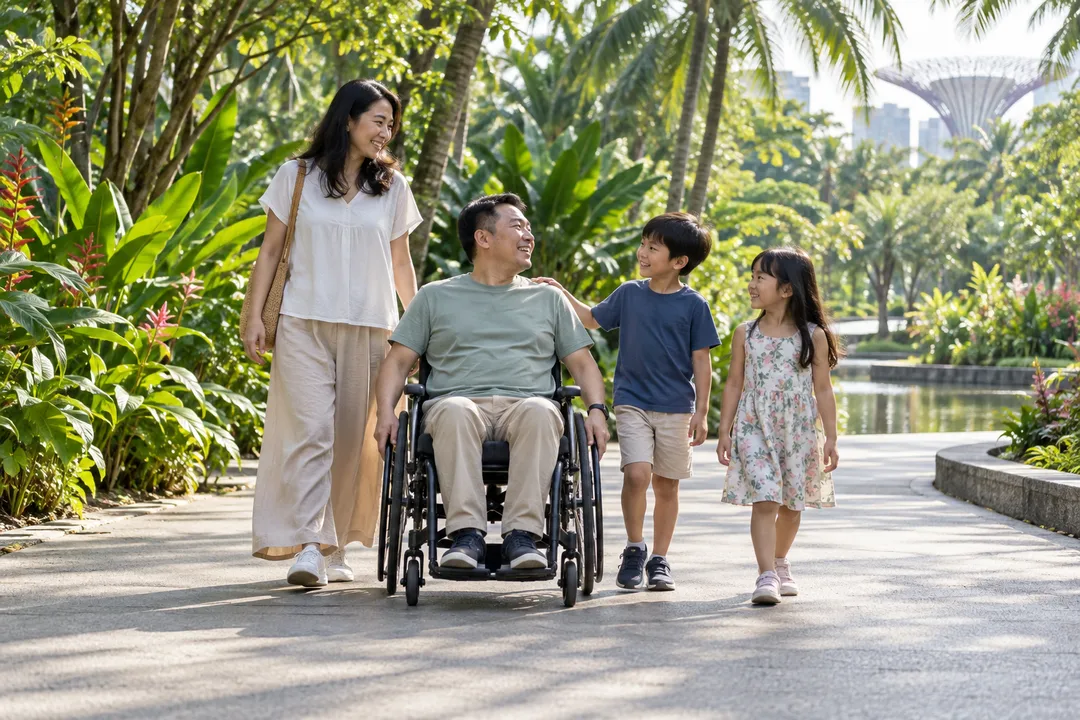
Singapore Family Outing Planner: Ask for Step Free Ideas
State the access details your family actually needs, from a continuous step-free approach to a suitable place to pause, before choosing an outing.
Searching for an accessible Singapore family outing can produce reassuring labels without answering the questions that matter to your group. A step-free entrance says little about the rest of the journey, the place to sit or whether everyone can take part together. Use a family outing planner conversation to describe those details explicitly. Begin with the person's own preferences, ask for ideas that fit them and keep the full route in view as you compare possibilities.
What does step free need to mean for our family?
Start with the journey the person actually intends to make. Someone using a wheelchair may need a continuous route from arrival to the activity, while a person with limited stamina may mainly need short walking sections and regular seating. A stroller creates another set of considerations. These needs can overlap, but they are not interchangeable. Let the person concerned explain what is useful rather than translating their requirements into a generic accessibility label.
Write the practical needs in everyday language. Examples include no stairs between arrival and the main activity, room to remain in a wheelchair at the table, or a place to sit during a wait. Avoid including a medical explanation unless the person wants to share it. The planning task concerns the conditions that support participation. Clear descriptions of those conditions are more helpful than broad assumptions about what a diagnosis or mobility aid might imply.
What should I put in the first message?
Try this in Karpo APP: “Help us find ideas for a Singapore family outing. One adult uses a wheelchair and wants to stay with the group throughout. We need a continuous step-free route, a seated break and one main activity suitable for our children's ages. Start with a small shortlist around our chosen area, and identify any access details that are not established.” Add your actual starting neighbourhood and the person's stated preferences.
Phrase the request as help with discovery and comparison. A proposed place remains a candidate until its relevant arrangements have supporting information. Ask which features make each suggestion worth considering, then look for the specific gaps that would affect your choice. A friendly description or an attractive photograph does not demonstrate that an entire route works for your family. Keep unsupported details unresolved rather than filling them in with a reassuring guess.
Which parts of the route deserve separate attention?
Break the outing into stages: arrival, approach, entrance, movement inside, the activity itself, a rest stop and departure. This makes it easier to see where a promising option may fail. A suitable entrance does not establish that every floor or activity space can be reached. Equally, a suitable room does not tell you whether the approach from your intended arrival point involves a difficult surface or a long detour.
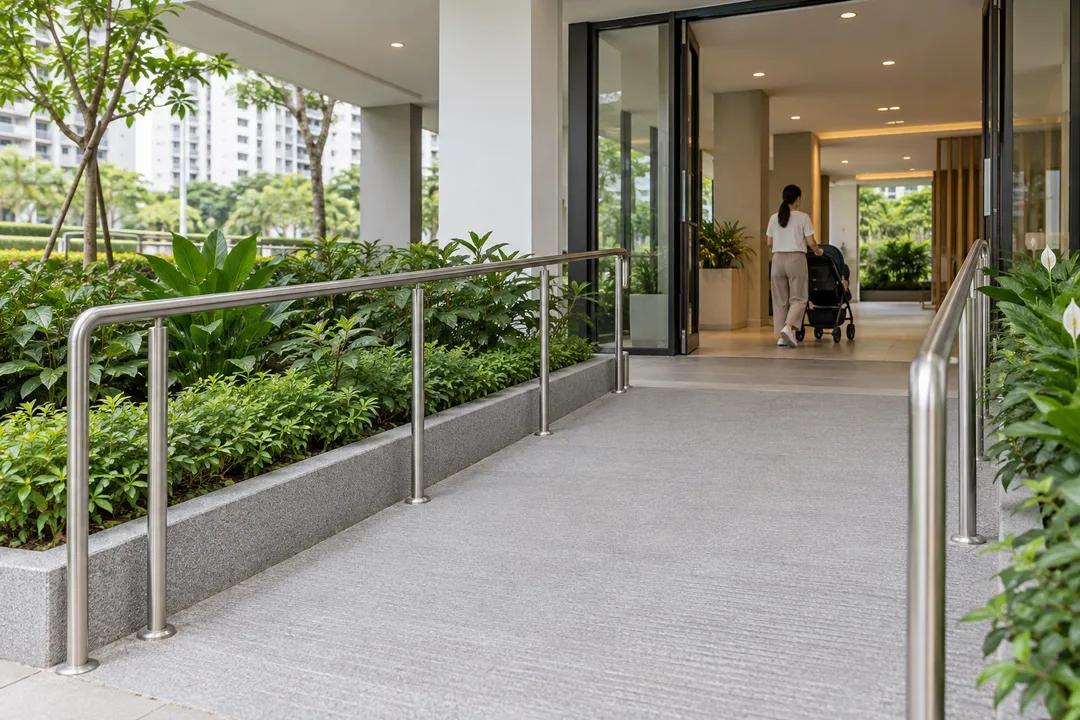
Consider the return while comparing the arrival. The family may leave from a different exit or need to reach a different pickup point. Keep both directions in the discussion. Where lifts or other facilities are essential, information about their existence is separate from their operating condition at a particular moment. Do not turn a general listing into a promise of uninterrupted access. Keep a simpler alternative in mind when the route depends on a single facility.
How do we compare two promising places fairly?
Use the same requirements for both candidates. Put essential conditions first, followed by preferences such as scenery, food or the kind of activity. An option that lacks evidence for a necessary feature belongs in a different position from one that merely offers a less exciting menu. That distinction prevents the family's enthusiasm for a destination from quietly overriding the access conditions the person has said they need.
You can write a simple note for each option: what is established, what is unresolved and what would make you reject it. Keep the wording precise. “The entrance is described as step free” is narrower than “the whole venue is accessible.” If the available information only supports the first statement, preserve that limit in the comparison. Ask for a different candidate when an essential requirement remains unanswered, rather than treating uncertainty as an assurance.
How can children and adults enjoy the same activity?
Ask whether the proposed experience lets the family participate together. A place may allow someone to enter but put the central activity out of their reach. Think about viewing positions, how long people need to stand and whether a seated participant can contribute meaningfully. The useful question is what each person would actually do during the visit. Being present at the edge of an activity is different from sharing it.
Invite the person with access needs to choose what sounds enjoyable. They should not have to accept the quietest or least ambitious option by default. Children can contribute their interests too, with the same care for the conditions that make group participation possible. If you consider a brief split, make it a choice everyone welcomes. Do not build a family outing around repeatedly separating someone from the experience the others came to enjoy.
Where should breaks sit in the plan?
Place a rest opportunity before the point where the group expects to need it. Describe the kind of break that would work, such as a seated pause together rather than standing at a counter. If a suitable toilet is essential, include that as its own requirement and seek information about the particular facilities. A general “family friendly” description does not establish an accessible toilet, its layout or its location within the venue.
Keep the proposed day compact enough that choosing to finish does not trigger another complicated journey. One meaningful activity with a comfortable pause can be a satisfying outing. The return should remain part of the plan even when the children want to add something. Adults can explain that leaving while everyone is comfortable helps preserve the shared experience. There is no obligation to turn an accessible first stop into a longer itinerary.
What should we decide before choosing a destination?
Agree on the essential access conditions with the person concerned, the amount of activity they want and the kind of support they welcome. Set a practical spending limit and decide how the group intends to travel. These are household choices, not promises an application can make for you. Keep a record of relevant information in a form the family can use, without expecting everyone to navigate a long planning conversation during the outing.
Open Karpo APP with those requirements when you want help finding a direction and comparing ideas. Revise suggestions around the specific condition that matters, rather than repeatedly asking for something “more accessible.” The aim is an outing where each person has a meaningful role and the journey receives as much thought as the destination. Clear needs, precise questions and a manageable plan give your family a stronger basis for choosing together.
Ask Karpo for more information.
Keep reading
- Chinatown New in Town Weekend Planner: Errands and Temples
 Kampong Glam New in Town Weekend Planner: Mosque to Murtabak
 Holland Village New in Town Weekend Planner: Meet People