 Kovan Hainanese Curry Rice Lunch Picker: Heartland Plates
Restaurants
Bugis Dinner Spot Finder: Museum Nights and 3 Budget Routes
Bugis dinner fits any budget if you match the room to your evening: hawker plates near Albert Street, museum precinct dining, or desserts on Liang Seah Street.
Bugis is the neighbourhood where many Singapore evenings begin with something other than food. People come for a museum, a show, a temple visit or a shopping trip, and dinner has to fit around it. The good news is that Bugis and the Bras Basah area next door have food for almost every budget within a short walk, from hawker plates to polished dining rooms inside heritage buildings. A Bugis dinner spot finder plan starts with the timing of your evening and how much you want to spend.
An Arts Belt Between Temples and Malls
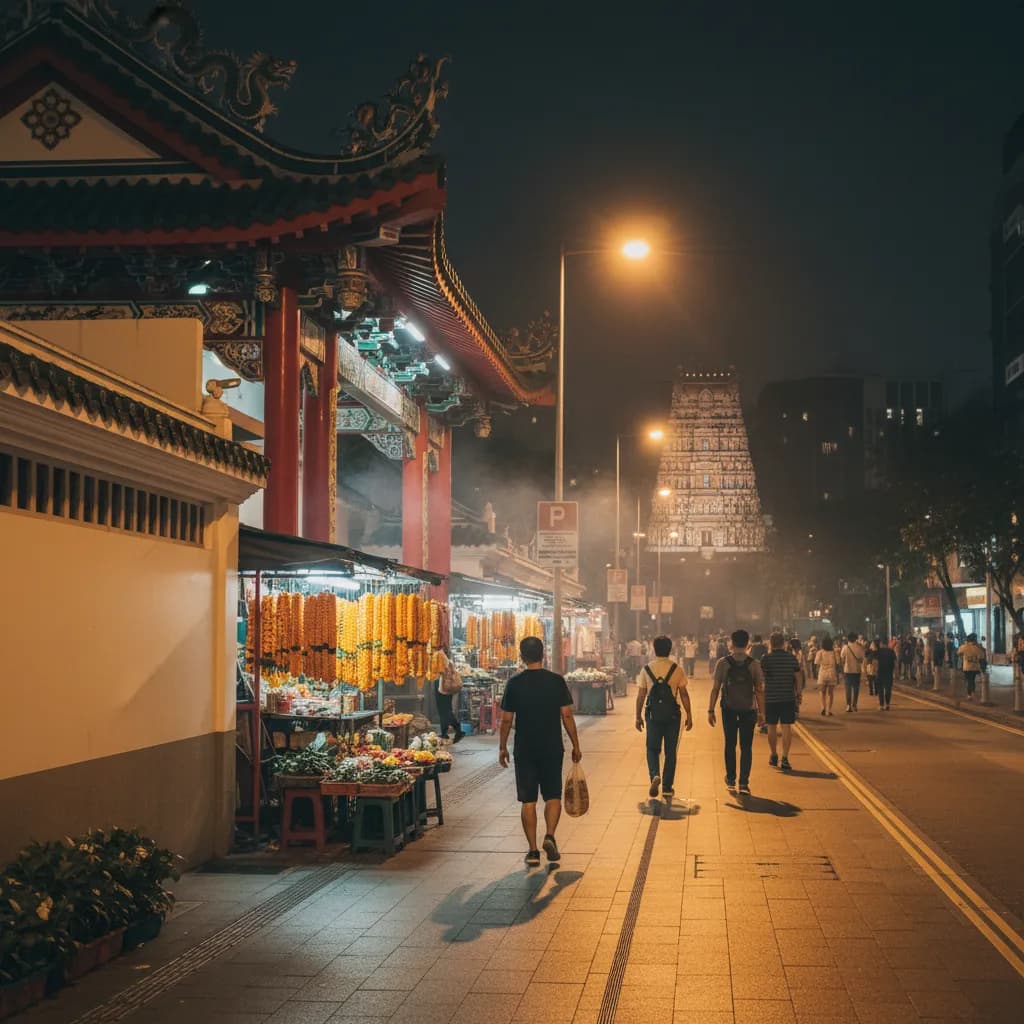
Waterloo Street is the spiritual centre of Bugis. Kwan Im Thong Hood Cho, a busy Buddhist temple dedicated to the goddess of mercy, sits on the pedestrian stretch, and the Sri Krishnan Temple stands right next to it. Worshippers from both communities often pray at each other's temples, and the street is full of flower sellers, fortune tellers and the smell of incense, especially in the early evening.
A few minutes away, the Bras Basah precinct holds a cluster of arts institutions and heritage buildings, including the National Museum of Singapore, the Peranakan Museum and several old schools and churches converted into galleries and arts spaces. Between them lie Bugis Street, the shopping malls around Bugis Junction and the food streets around Albert Street and Liang Seah Street. Dinner here is about stitching those pieces together.
Route One: A Budget Hawker Dinner
For a cheap and filling dinner, the hawker centres and coffee shops around Albert Street and Waterloo Street are the place to start. Albert Centre is a large neighbourhood food centre where office workers, students and families eat side by side. Look for classics such as chicken rice, wonton noodles, fried kway teow and fish soup, and do not skip the drinks stalls with sugarcane juice and herbal teas.
The best approach is the local one. Find a table, mark it with a tissue packet, and send one person to each stall so everything arrives at once. Popular stalls build queues quickly, and the longest line is often worth joining. Bring small notes or check whether a stall accepts card or digital payment, since some smaller stalls still prefer cash.
Vegetarians are well served in Bugis, partly because of the temples nearby. Several vegetarian stalls and small restaurants around Waterloo Street cook Buddhist-style dishes with mock meats, tofu and mushrooms, and Indian vegetarian thali and dosa are easy to find a short walk away towards Little India. If the group mixes meat eaters and vegetarians, a hawker centre is the simplest answer, since everyone can order from a different stall and still share one table.
Route Two: Dinner Around a Museum Visit
If your evening includes a gallery, plan dinner either just before or just after it, and stay in the Bras Basah area so you do not lose time travelling. Several heritage buildings in the precinct now hold restaurants and cafes, and dining under high ceilings in a former school or colonial building is part of the experience. These rooms are better for a calm, unhurried meal than a quick bite.
Museums sometimes hold late openings, light festivals or special events, and on those nights the restaurants nearby get much busier. If you are visiting during an event, look at the booking page for dinner earlier in the day. Otherwise, a walk-in table is often realistic, especially if you arrive at the start of the evening or once the pre-show crowd has left.
A good way to make the evening feel complete is to choose a museum that matches the meal. After the Peranakan Museum, a nyonya dinner continues the story of the galleries you have just walked through. After the National Museum, a walk down to the older food streets of Bugis connects the history on the walls with the city outside.
Route Three: Claypot Rice, Dim Sum and a Late Dessert
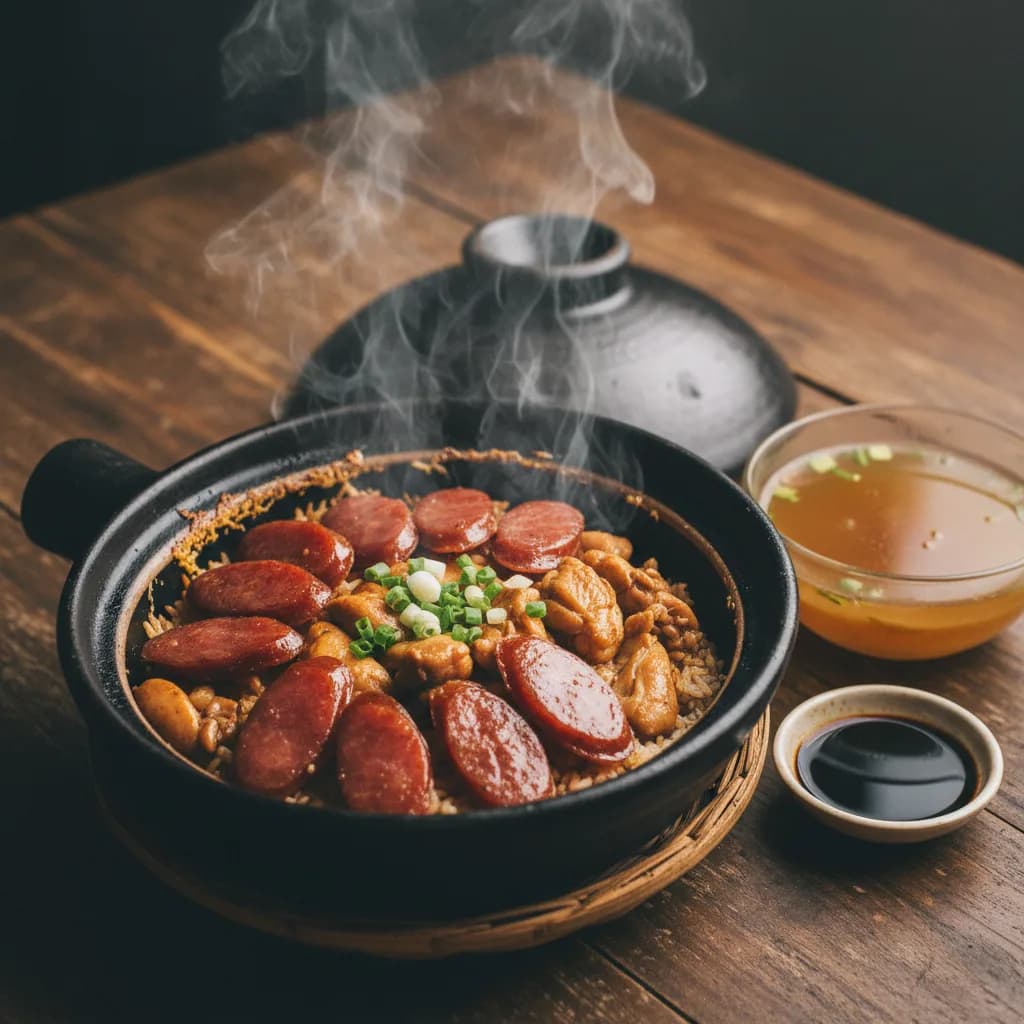
Some of the most loved cooking in Bugis comes from old-style Chinese kitchens. Claypot rice, cooked to order over charcoal or flame so that a crisp layer of rice forms at the bottom, takes time, which makes it a good choice when you are in no rush. Ask for dark sauce on the side and scrape the charred rice last. Late dim sum and Cantonese roast meats are also part of the local dinner rhythm.
Liang Seah Street, a short lane of shophouses nearby, is known for its dessert shops. Mango sago, durian pancakes, snow ice and herbal jelly are typical of the area, and these shops tend to stay busy well into the night. A popular plan is to eat a light dinner and then make dessert the main event, walking from table to table and sharing everything.
Fitting Dinner Around a Show or a Late Night
Bugis is close to several performance venues and to the Esplanade further along the bay, so many people need a pre-show dinner that will not run late. For these nights, choose places that serve quickly, such as hawker stalls, noodle shops or a dim sum restaurant where dishes arrive as soon as they are ready. Tell staff you have a show to catch so they can help you pace the meal.
For a late dinner after a show, the dessert shops of Liang Seah Street and the late-opening restaurants around Beach Road and North Bridge Road are the easiest bet. Bugis stays lively later than many other parts of the city, so it is a good choice for anyone who usually ends up eating after everyone else.
Building the Plan in Karpo APP
Karpo APP is useful for Bugis because the plan usually has more than one stop. Tell it what else you are doing that evening, whether it is a museum, a show or shopping, your budget and how many people are coming, and it helps you build a short list of dinner options that fit around it. You can also ask for a dessert stop or a walking route that links everything together.
Once you have the shortlist, share it with your group and decide together. Table requests go directly through each restaurant, but having two or three options ready means you are not wandering between malls with tired feet when everyone is already hungry.
Practical Notes for Bugis and Bras Basah
Bugis MRT station on the East West and Downtown Lines is the main entry point, with exits leading straight into the shopping area. Bras Basah station on the Circle Line serves the museum precinct, and Bencoolen and Rochor stations on the Downtown Line are also within walking distance. Buses run along Victoria Street, North Bridge Road and Bras Basah Road.
Waterloo Street is a place of worship as well as a pedestrian mall, so walk respectfully past the temples, especially during busy prayer times and festival days. The area can be very crowded on weekend evenings, particularly around Bugis Street and the malls. Carry an umbrella, use the covered walkways between buildings when it rains, and keep a little cash for smaller stalls.
Ask Karpo for more information.
Keep reading
- Kovan Hainanese Curry Rice Lunch Picker: Heartland Plates
 Tampines Mee Rebus Breakfast Picker: Round Market Bowls
 Jurong West Mee Rebus Breakfast Picker: Boon Lay Bowls