 Kovan Hainanese Curry Rice Lunch Picker: Heartland Plates
Restaurants
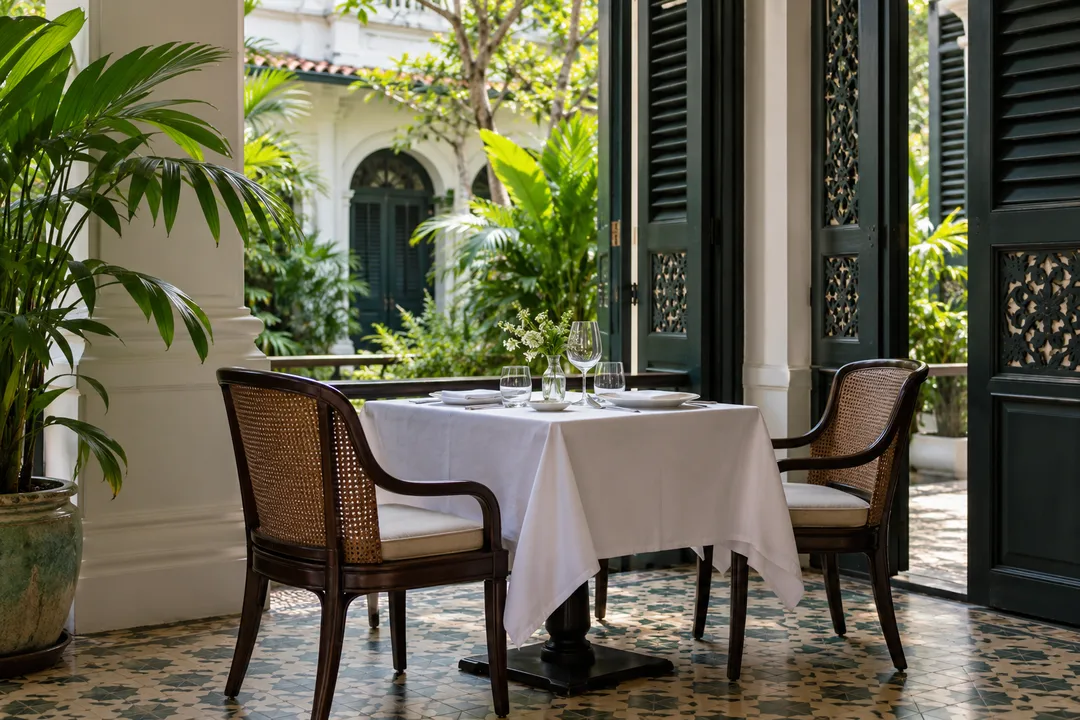
Singapore Dinner Shortlist Builder: Pick A Date That Fits
A Singapore date-night shortlist starts with how you want to spend time together. Define conversation, comfort and the pace of dinner before choosing.
Nice dinner can mean almost anything when you are planning a date. One person imagines a long conversation over a simple meal, while the other pictures a special occasion with several courses and a carefully chosen outfit. A dinner shortlist builder is useful before restaurant names enter the conversation: it turns that vague request into decisions the two of you can actually make. Open Karpo APP with a Singapore date-night brief shaped around your company, your comfort and the kind of evening you want to share.
What should feel different about this evening?
Start with the relationship between the meal and the occasion. A first date may need an easy conversation and a graceful endpoint. A birthday may call for a sense of ceremony. A regular evening together may simply deserve a setting where neither person feels rushed. Describe that purpose in a sentence. It gives you a useful way to reject an attractive suggestion that does not fit, without needing to argue that the restaurant itself is somehow a poor choice.
Avoid using expensive or romantic as shorthand for the entire brief. Expense does not tell you whether conversation will be comfortable, and romantic is a personal interpretation rather than a dependable category. Name the details you mean: a smaller table, a slower meal, a casual dress expectation or the ability to order separately. You may discover that the evening you want is quite simple. That is useful information, especially if the original request sounded more elaborate than either person intended.
How do you want the conversation to work?
Think about whether you want the meal to provide a subject of conversation or leave room for one. An unfamiliar sequence of dishes can be part of the attraction when both people enjoy that experience. A straightforward meal may suit a conversation that deserves more attention than the menu. Neither format is inherently better for a date. The fit depends on whether you want to explore food together, catch up properly or make room for a discussion that has been waiting all week.
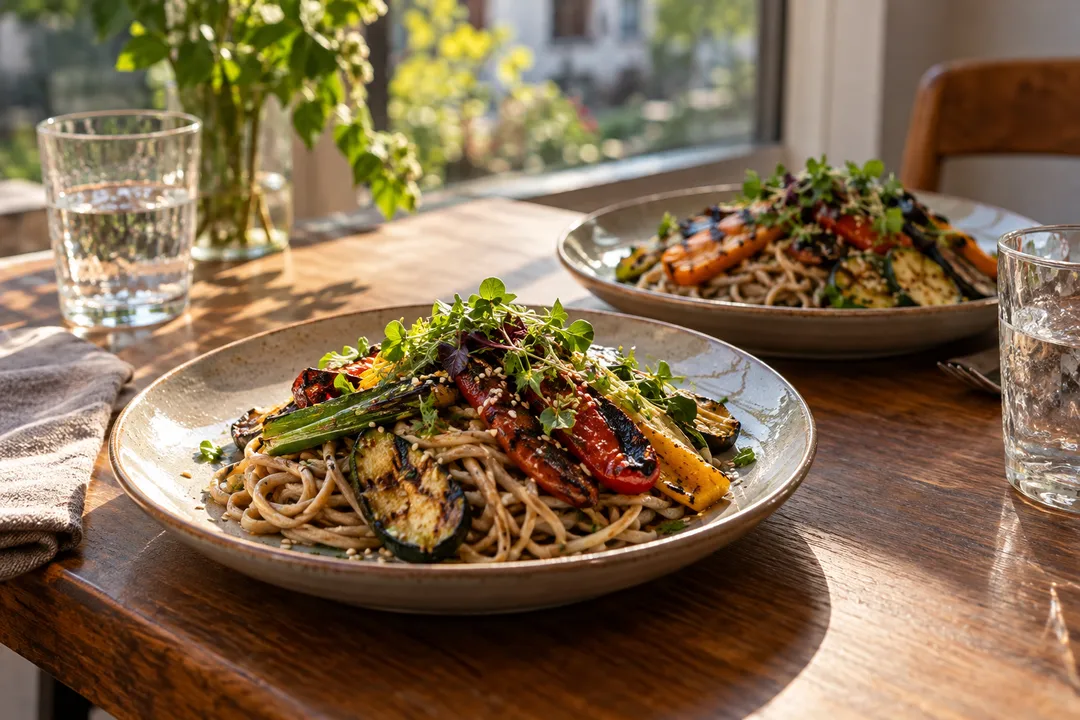
If one person dislikes sharing, include that preference without turning it into a verdict on their generosity. If one loves trying several dishes, discuss whether some sharing could still work. The shortlist should reflect a meal both people will enjoy. Photos of low lighting or closely spaced tables do not establish how loud a room will be on your visit. Treat atmosphere descriptions as clues, and avoid asserting guaranteed quiet, privacy or a particular table unless the restaurant has actually made that arrangement with you.
What makes the plan comfortable for both people?
Choose a broad Singapore area that feels convenient rather than asking one person to make an inconvenient journey as proof of enthusiasm. You might discuss somewhere around the Singapore River, Tiong Bahru or a location close to where you will already be. These are possible areas for a discovery request, not recommendations of unnamed venues. If the approach involves more walking than one person wants, or an outdoor setting would be uncomfortable, include that in the brief before selecting somewhere for its appearance.
Money also belongs in the conversation early. You can describe a comfortable level of spending without assigning an invented amount to a restaurant. Decide whether drinks, a celebration extra or another activity are part of the same allowance. When one person is treating the other, a clear private limit still helps the organiser choose. Generosity is easier to enjoy when the plan does not depend on an uncertain final bill or on someone feeling obliged to order less than they want.
What should you ask Karpo APP?
Try a sample prompt like this: We want a Singapore dinner date focused on conversation, preferably around Tiong Bahru or another area that suits both our journeys. We like individual mains and a relaxed setting rather than a formal tasting experience. Please help us explore a few choices and explain how each fits that kind of evening. Add the actual dietary and spending needs that matter to you. This is suggested conversation wording, not a demonstration of tested filters or a guarantee of specific results.
You can make the request more useful by saying what the date is not meant to include. Perhaps you want dinner to be the whole evening, or prefer to decide about another stop afterward. Perhaps a surprise restaurant would be welcome, but an unfamiliar meal format would not. These boundaries help you judge a suggestion on the terms you intended. They also prevent the organiser from quietly adding a complicated itinerary when the other person was hoping for something easy to accept.
How many choices should you show your date?
Two or three thoughtfully described candidates are usually enough for an initial conversation. Present a distinct reason for each: one may suit the preferred area, another the desired style of meal, and another a more celebratory mood. These are dimensions to investigate rather than claims about particular businesses. Avoid presenting a long ranking that makes your date feel they are reviewing your research. The purpose of sharing the shortlist is to learn what feels appealing to them, not secure approval for the amount of planning you did.
If you want to keep the restaurant a surprise, agree on the constraints while keeping the final name private. Ask about food needs, comfort with the level of formality and the intended length of the evening. Surprise works best inside boundaries both people understand. It should not conceal a payment expectation, access problem or meal format the other person would have declined. You can keep the delight of revealing a place without asking someone to surrender control over the parts that affect their comfort.
What happens after the meal?
A second stop can remain optional. If you both like the idea of a stroll, choose its direction after the restaurant location is settled and consider how much walking you actually want. Do not attach an unresearched route, exact distance or assumed opening time to a nearby attraction. The invitation can be as simple as leaving room to continue the conversation. Having permission to stop after dinner can make the evening feel more relaxed than a schedule with several obligations disguised as treats.
For an early date, consider the endpoint from both people's perspective. One person may need to travel home, start work early or leave time for something private. Agreeing on a rough shape does not make the evening unspontaneous. It removes the need for somebody to invent an excuse later. If the meal develops into a longer evening by mutual choice, that is a pleasant addition. The initial plan should already be complete enough to feel successful without it.
When is the shortlist ready to become a plan?
Choose once the two of you can explain why a candidate fits the occasion and any essential questions have been answered. Then handle the actual restaurant arrangement separately. Receiving a recommendation does not reserve a table, and sending a request to a venue does not establish acceptance. Communicate the arrangement you really have, including any relevant payment commitment. There is no need to describe the planning process at length. Your date needs a clear invitation and practical details they can comfortably act on.
Afterward, remember the parts that made being together enjoyable: the pace, the amount of attention the meal required or the ease of the journey. That is more useful for another evening than assuming the same restaurant is the answer forever. Bring those preferences into your next Karpo APP conversation. A Singapore dinner shortlist builder can help you turn a mood into a request, while the final choice comes from listening to the person who will share the table with you.
Ask Karpo for more information.
Keep reading
- Kovan Hainanese Curry Rice Lunch Picker: Heartland Plates
 Tampines Mee Rebus Breakfast Picker: Round Market Bowls
 Jurong West Mee Rebus Breakfast Picker: Boon Lay Bowls