 Kovan Hainanese Curry Rice Lunch Picker: Heartland Plates
Restaurants
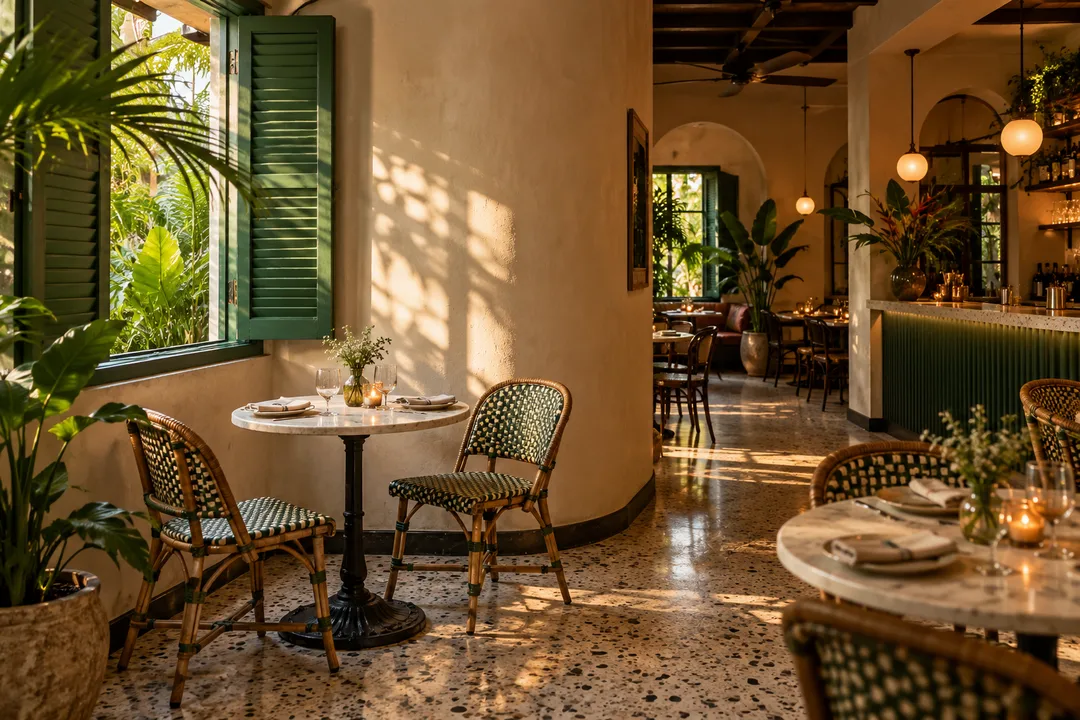
Tiong Bahru Dinner Reservation Finder: Choose Two Seats
Plan dinner for two in Tiong Bahru around the meal you want, with a short neighbourhood walk and clear booking choices instead of a packed itinerary.
A dinner in Tiong Bahru can be the centre of a date without becoming a tour of every attractive corner. Use a dinner reservation finder to decide what kind of meal belongs in your evening before collecting restaurant names. Karpo APP's public introduction invites you to begin with your mood, making a relaxed neighbourhood dinner a useful starting request. Explain the food, conversation, and amount of wandering you both want. Once an idea appeals, inspect the restaurant's own menu and reservation offer to turn that broad direction into an actual table for two.
Decide what earns a place in the evening
A design-minded date can easily become an exercise in collecting locations: a shop, a coffee stop, several photographs, dinner, and another drink. Decide which part you would still want if the others disappeared. If the answer is a meal together, protect that meal from the rest of the list. Leave enough space before the reservation to arrive without rushing through the neighbourhood. If exploring is the priority instead, choose a dinner format that can sit comfortably at the end. The order should follow your interests rather than a sequence that looks impressive on a map.
Describe the feeling without inventing a restaurant
Your first message could say: "Help me shape a dinner date in Tiong Bahru for two. We like thoughtful interiors but care more about being able to talk. Suggest food directions for separate ordering, with a little time to wander beforehand and no second booking afterwards." This describes a user task, not a claim that a certain room exists or has space. If you want a specific cuisine, say why it matters. Asking for a familiar dish can be more revealing than using broad labels such as stylish, authentic, or romantic without explaining what they mean to you.
An attractive room still needs the right meal
Keep the restaurant's visual appeal and the suitability of its menu as two separate questions. An interior photograph can explain why you noticed a place, but it cannot tell you whether both diners will enjoy ordering there. Read the actual dishes, how the menu is organised, and whether the reservation commits you to a particular format. If someone dislikes sharing, a menu built around communal plates may create more negotiation than pleasure. If you both want to explore unfamiliar food, leave enough room in the evening for questions rather than treating ordering as something to hurry through.
Use the district as a boundary
Tiong Bahru, Yong Siak Street, and the area around Tiong Bahru Market can help describe a search on a neighbourhood scale. They do not imply that every suggestion is next door to every other one. When a restaurant becomes a serious candidate, examine where it actually sits relative to your starting point. Choose one meeting location and one dinner destination. A shortlist scattered over several parts of Singapore may offer good food, but it does not fulfil a request for an evening spent largely in one district. Keep that boundary visible when comparing options.
Give the walk a stopping point
A pre-dinner wander works better when it has a simple end: arrive at the restaurant in time for the reservation. Let individual turns and pauses depend on what interests you instead of scripting a minute-by-minute route. Do not make the meal dependent on entering a shop or venue whose opening schedule you have not established. Looking at the surrounding streets can be enough. If the walk starts to feel rushed, shorten it. The table is the fixed commitment, while the streets before it are a flexible way to spend whatever time remains.
Translate taste into a manageable comparison
Limit the final comparison to a small number of meaningful differences. Perhaps one candidate is a food-focused occasion with a fixed menu, while another offers more freedom to choose individual dishes. A third might fit the area but require a less convenient arrival. Write down the reason each option would work for this date. Drop a candidate that has no clear advantage beyond a beautiful photograph. You are trying to choose an evening, not award a prize to a dining room. That distinction helps when both people like different things for equally sensible reasons.
Leave no dietary requirement inside an adjective
Phrases such as light food or healthy choices can conceal quite different requirements. Ask your companion what they mean before filtering the suggestions. Vegetarian eating, avoidance of a particular ingredient, and an allergy are not interchangeable requests. For an allergy or preparation concern, communicate directly with the restaurant through its stated channel. Do not infer safety from the name of a dish or a general product recommendation. A good date makes space for one person to explain an essential need without having to defend it once everyone is already seated and hungry.
Find the booking that matches the idea
Select two guests and your intended date when you move into the restaurant's reservation process. Read the dining offer associated with the time you choose, including whether the seating is a counter or a table and whether a specified menu applies. A free-text preference does not replace that selection. If an arrangement is essential, resolve it with the venue before committing. The dinner is reserved when the booking provider or restaurant accepts it, not when a planning answer recommends the place. Save that acceptance with the details you will use to arrive.
Discuss the commitment while it is still easy
The person entering a card or making a payment needs to understand the conditions attached to it. Read any cancellation deadline, payment description, and guest-count restrictions presented for the offer. Bring up a condition that changes your comfort level before completing the process. This need not turn dinner into an administrative project. A brief agreement now is usually enough to prevent a misunderstanding later. Your search budget remains a preference until matched against actual restaurant information, so do not present an example amount in a planning prompt as the price of this particular meal.
Avoid booking a second mood
Skip the automatic post-dinner reservation if neither person has asked for it. A date can end well at the restaurant door, continue with a short walk, or become a spontaneous conversation elsewhere. Booking another destination in advance creates a second clock that can crowd the first meal. If rain interrupts your neighbourhood plans, let dinner stand on its own. If the preferred table is unavailable, preserve the part that matters most: the district, the food, or the relaxed pace. Agree on that priority together before substituting a completely different experience just to keep the evening busy.
Practical Notes
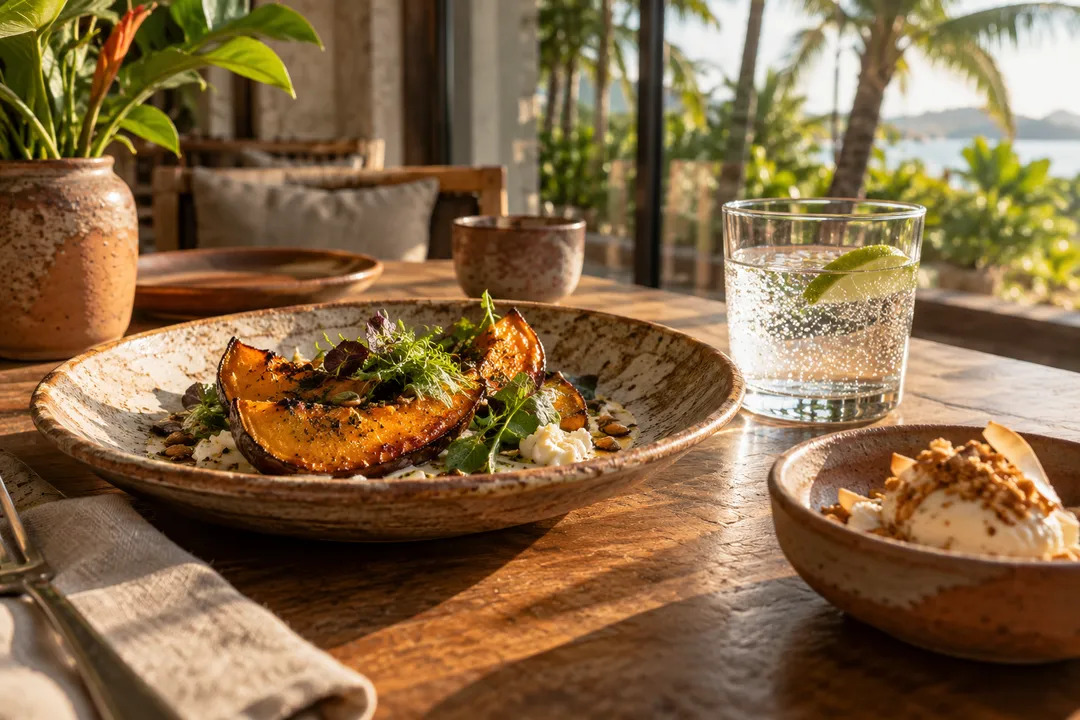
Keep your final plan small enough to read in one message: meeting point, chosen restaurant and location, date, booked time, and who holds the reservation. Add essential arrangements accepted by the venue rather than an unconfirmed wish list. Use Karpo APP to start with the mood you share, and rely on the restaurant's menu and booking terms for the specific dining commitment. No named business, opening schedule, price, or historical claim is asserted here. The accompanying AI-generated images illustrate a generic neighbourhood date and do not document a real Tiong Bahru restaurant or its available seats.
Ask Karpo for more information.
Keep reading
- Kovan Hainanese Curry Rice Lunch Picker: Heartland Plates
 Tampines Mee Rebus Breakfast Picker: Round Market Bowls
 Jurong West Mee Rebus Breakfast Picker: Boon Lay Bowls