 Kovan Hainanese Curry Rice Lunch Picker: Heartland Plates
Restaurants
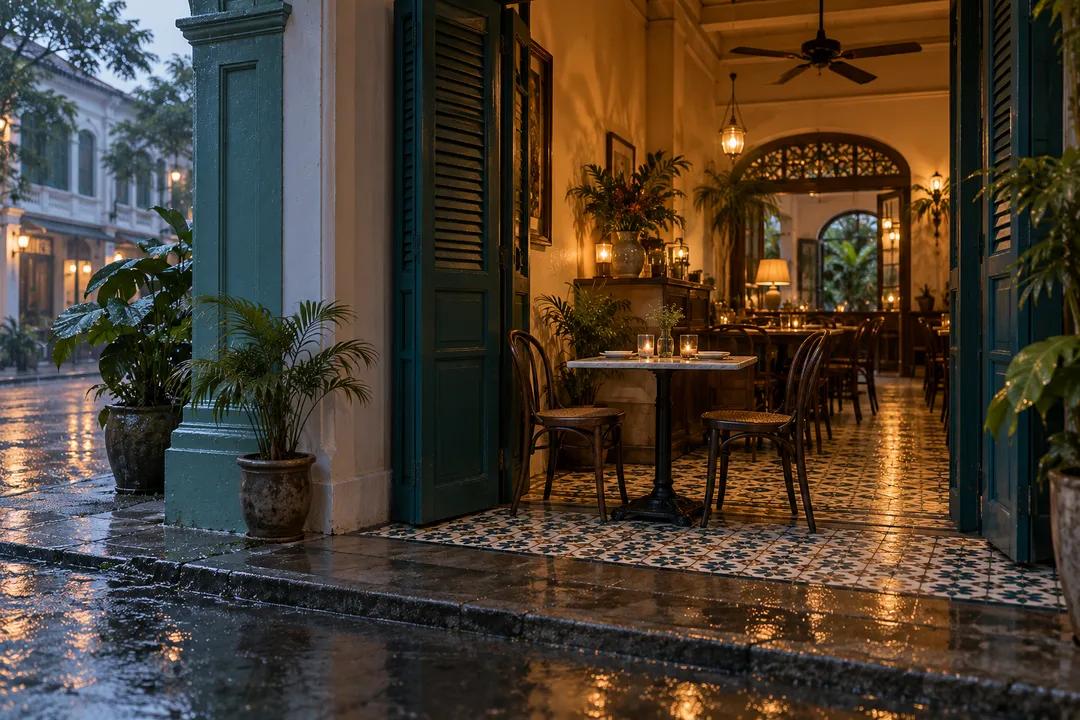
Joo Chiat Dinner Reservation Finder: Plan A Late Meal
Shape a late dinner in Joo Chiat by separating a bookable meal from a casual supper, then choose a menu and arrival that work for everyone joining.
A late meal in Joo Chiat is easier to arrange once everyone agrees whether they want a reserved dinner or a flexible supper. Those requests can lead to different service styles, menus, and commitments. Use a dinner reservation finder to organise that distinction rather than assuming every attractive food suggestion takes bookings. In Karpo APP, begin with the mood and your actual schedule, as its public planning introduction suggests. Explain how late the group can arrive and what kind of meal you need. Then use the venue's own information to decide how to proceed.
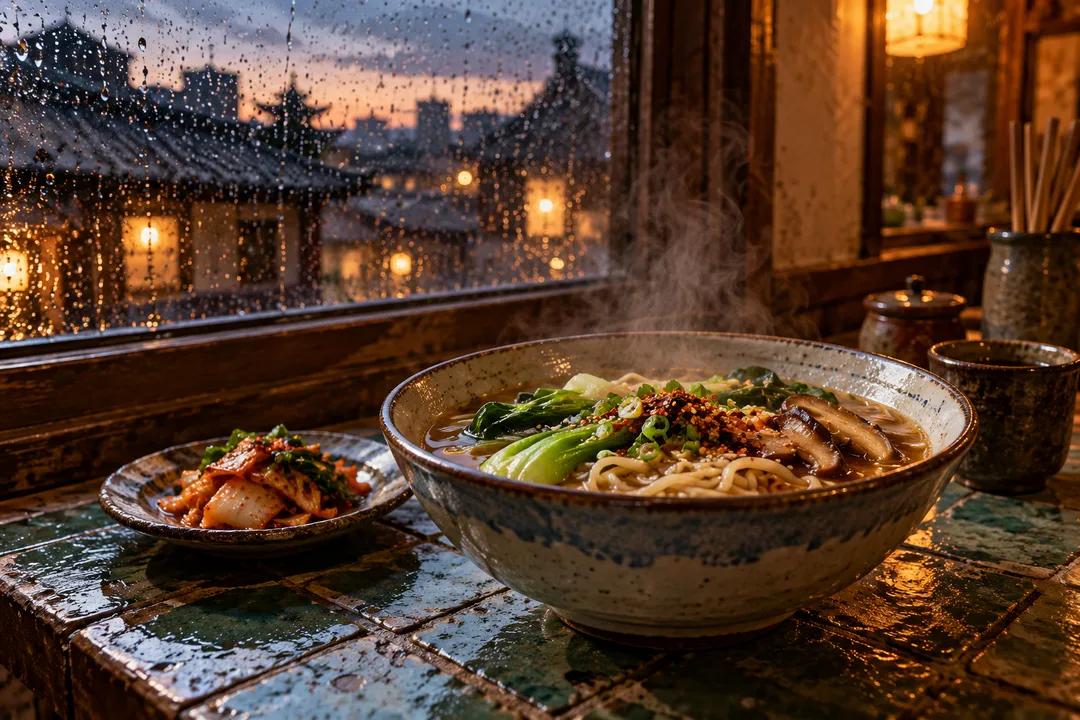
Define what late means for your party
Late is a relative word. Someone leaving work, somebody arriving from another district, and a guest who has already eaten may each imagine a different evening. Establish the intended date and a realistic arrival window before comparing food. Ask whether everyone needs a complete dinner or whether some people only want a small dish. The answer affects which format fits the gathering. Write down the time you mean instead of leaving late as a shared assumption. This is your planned arrival, not a claim that any particular restaurant will be serving at that hour.
A place that serves food may use a different system
Do not force every suggestion into the reservation format. Some food businesses offer scheduled table bookings, others invite walk-in dining, and others focus on collection or delivery. Establish the service that the candidate actually provides before planning around it. If the group requires the certainty of an accepted table, a casual suggestion with no booking channel does not meet that requirement. If everyone prefers a flexible supper, you may decide that a reservation is unnecessary. Either choice can work, provided the party knows what is arranged and what remains an on-arrival decision.
Send a prompt that explains the meal
For example: "Help us plan a late meal around Joo Chiat for three friends on Friday. Two need dinner and one wants a light snack. We want to stay in the neighbourhood, and we would prefer a table reservation if an appropriate venue offers one. Separate reservation ideas from casual supper suggestions." This tells the planning conversation where the uncertainty lies. Add specific dietary needs rather than assuming the area or a cuisine answers them. The example is a user request, not an assertion that the app has found a table or that any named business meets those conditions.
Let the dish determine the search only when it matters
If someone wants a particular dish, ask whether that desire is essential or simply a starting point. An insistence on one food can narrow the options considerably, especially when arrival is constrained. Consult the venue's own menu for what it actually offers. Do not treat a neighbourhood's culinary reputation as evidence that every restaurant serves the same dishes or operates the same way. If the food preference is flexible, prioritise the conditions that cannot change: the diners' needs, the intended arrival, and the style of meal you have agreed to share.
Distinguish kitchen service from being inside a venue
When selecting a late dinner, look for information about the actual dining service you want. A venue's general opening period does not necessarily establish when a specific menu can be ordered. The reservation offer, dining information, or a direct response from the restaurant should resolve that question for your chosen meal. If you cannot establish that the intended food is available at your arrival, choose a candidate whose offer is clear. Avoid turning a plan for dinner into a drinks-only visit because you relied on a broad opening description rather than the relevant service.
Treat dietary suitability as a specific question
Vegetarian preferences, an allergy, and a need for halal food ask different things of a restaurant. State the relevant requirement accurately. Do not infer certification from the type of cooking, the street, or the appearance of the menu. Use the venue's own published statement or contact route to address the requirement that matters to your party. If a diner needs a particular preparation arrangement, let them communicate it in the detail required. The goal is a meal everyone can participate in, not a shortlist that looks inclusive until someone has to order.
Decide how hungry people will order together
A supper gathering with mixed appetites may work better with individually chosen dishes than an extensive shared order. If you do share, agree how to handle food that only some people want. Nobody should feel obliged to pay for a large meal they did not expect. Read the menu format and any group conditions before reserving. A minimum spend or compulsory menu, if attached to the offer, belongs in the decision now. Keep any spending example in your request separate from the real prices you obtain from the venue's menu or booking page.
Give Joo Chiat a sensible boundary
Use Joo Chiat Road and the surrounding Katong area as reference points for your neighbourhood request, then examine where the chosen venue actually is. A broad district label can hide a longer walk than one diner expects. Decide whether you will meet at the restaurant or at a shared arrival point. For anyone coming from another part of Singapore, the destination should be the actual booked location rather than only a familiar road name. Keep an optional walk short enough that it does not delay the meal or become an unwanted second journey for hungry guests.
Do not let rain choose the reservation
If you want indoor seating or a short walk from arrival, say so during the search and select the relevant offer where one is provided. A comment requesting shelter does not replace an outdoor seating category you deliberately booked. Likewise, a photograph of a covered frontage does not establish the seating available to your party. Agree on an alternative arrival arrangement if the weather interrupts the walk. Skip the long scenic detour when people are waiting to eat. For this evening, reaching a suitable meal together is more useful than completing every planned turn through the neighbourhood.
Use one fallback before starting a new search
If the preferred dining option is unavailable, first decide whether to move the time or change the service style. Do not silently substitute a walk-in supper for the table reservation the group expected. Explain the trade-off and let everyone agree. A smaller meal on a different evening may preserve the purpose better than a distant alternative that consumes the night in travel. If you abandon an existing reservation, manage it through the original channel. Leaving a booking active while pursuing another meal creates a responsibility even if nobody in the party intends to use it.
Practical Notes
Share the chosen venue and exact location, the date and intended arrival, whether the meal is reserved, and who handles any changes. If it is a reservation, retain the acceptance and terms from the restaurant or provider. If it is a flexible supper, label it clearly so friends understand the plan. Karpo APP is the entry point for describing mood and schedule, while the venue establishes its own food and booking arrangements. All images here are AI-generated scenario illustrations. No specific Joo Chiat business, service schedule, price, certification, or available table is depicted or claimed.
Ask Karpo for more information.
Keep reading
- Kovan Hainanese Curry Rice Lunch Picker: Heartland Plates
 Tampines Mee Rebus Breakfast Picker: Round Market Bowls
 Jurong West Mee Rebus Breakfast Picker: Boon Lay Bowls