 Tampines Board Game Cafe Night Picker for School Holidays
Bars & Nights Out

Singapore Date Night Plan Builder for a First Date
A simple first meeting with a clear finish, an optional extension and room for either person to leave comfortably.
A first date is easier to accept when the invitation tells you what you are agreeing to. For a Singapore date night plan builder request, start with a small public meeting and an honest finish rather than an elaborate surprise. One conversation over a drink or a simple meal can be the whole date. A second stop is an invitation you can offer later, once both people know whether they want more time together.
What should the invitation promise?
Offer a specific type of meeting without promising a whole evening. “Would you like to meet for something to eat near the station after work?” leaves room for preferences while showing that you have thought beyond “sometime.” Add the length you have in mind and a proposed area. You are describing your availability, not setting a test of how interested the other person is. A short first meeting can be considerate even when you are both enthusiastic.
Avoid disguising several commitments as one casual invitation. A meal, a ticketed activity and a long journey afterward create three different decisions. Someone might be happy to meet you but unsure about the activity or the distance home. Let them accept the first part independently. That makes a yes more meaningful and reduces the need for either person to invent a reason to decline an unexpectedly complicated outing.
Compare a single stop with an optional extension
The single stop version has one central advantage: everyone knows when the agreed plan is complete. Choose an activity that allows conversation and a natural ending. A drink finished, a modest meal eaten or a shared snack can provide that boundary. Avoid building the meeting around a long tasting format if you are asking for something brief. The relevant distinction is the commitment you are making, rather than whether a setting looks impressive in a photograph.
An optional extension works differently. It preserves the first stop as a complete meeting and adds another possibility only by mutual choice. You might propose a short walk or somewhere for dessert after you have spent time together. Keep that suggestion nearby in the planning brief. An extension that needs a lengthy transfer becomes a new commitment with its own exit problem, especially if the second location suits only one person's journey home.
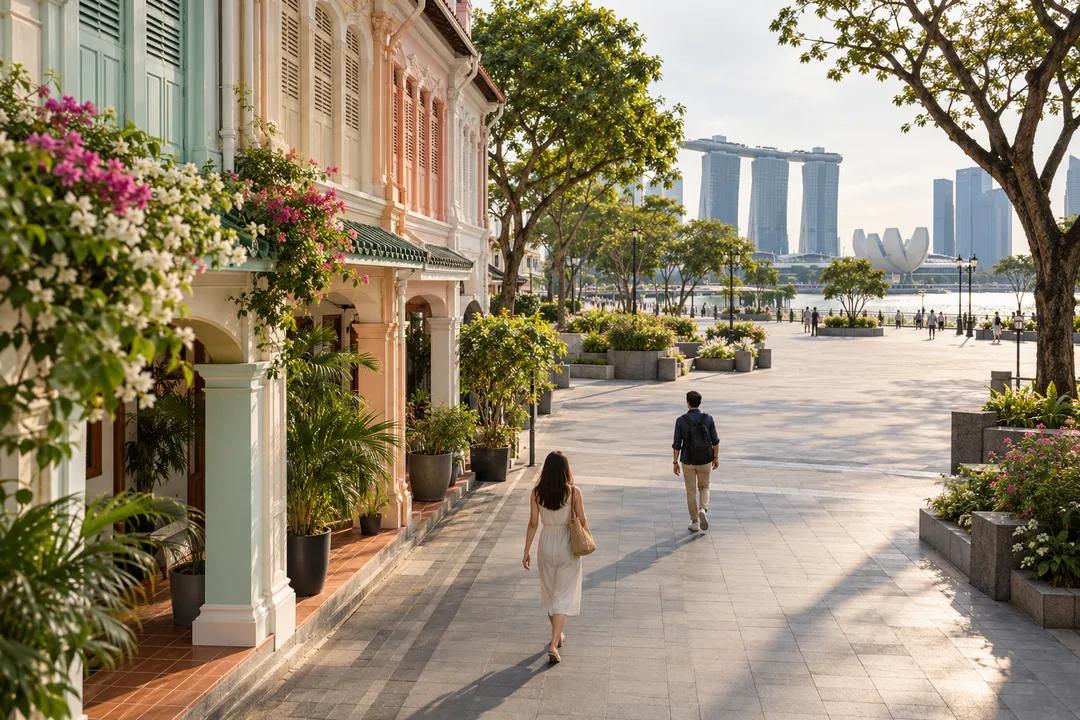
Ask for a shortlist that respects the finish
In Karpo APP, describe the date as a first meeting and explain why the ending matters. Try: “Help me think through a first date in Singapore near a mutually convenient MRT meeting area. We want a public place where we can talk, a simple initial commitment and an easy way to finish after the first stop. Suggest a possible extension separately. Neither of us wants alcohol to be expected.” This is a request for suitable ideas, not an announcement that any table is available.
Include the constraints that are awkward to repair on arrival. Seating needs, dietary requirements, tolerance for noise and a preference to avoid shared dishes can all shape the first choice. You do not need to reveal personal information about your date to get useful suggestions. Describe the requirement rather than its private explanation. “We need seated conversation with easy access” supplies a planning boundary without turning the brief into a biography.
Make arrival ordinary rather than theatrical
A first meeting already contains uncertainty, so keep the arrival message plain. Identify the agreed entrance or meeting point when you settle on the actual venue. Avoid “you'll see me somewhere inside” if there are several rooms or queues. Share enough information to find each other, and let each person arrange their own travel. The goal is to make the first five minutes feel like meeting another adult, rather than navigating a surprise.
If someone is delayed, reduce the plan before extending its finish. A late start can still be a pleasant shorter date. You can say, “Let's keep the original end time and just do the first stop.” That preserves the agreement and gives the delayed person a clear choice. It also keeps the person who arrived on time from feeling obliged to surrender the rest of their evening to rescue the schedule.
Use an exit point that does not require an excuse
State a finish time you actually intend to respect. “I can stay for about an hour” is useful when that is your real boundary. Avoid inventing another appointment to create an escape route. You are allowed to leave when the agreed meeting ends, even if there is no urgent task waiting at home. A date that depends on plausible excuses has made the ending harder than it needs to be.
Near the end, make the choice explicit without putting the other person on the spot. “I've enjoyed this. Would you like another stop, or shall we leave it here tonight?” allows two normal answers. Do not ask while already walking toward the next venue or after ordering for both of you. The optional part should remain optional in the way you present it, not merely in the wording of your original plan.
What if one person wants a grander first date?
Talk about the difference before buying anything. One person may read a full evening as generous, while the other sees a large commitment to a stranger. Neither interpretation needs to become a judgment about effort. Explain the benefit you want from a smaller start: easier conversation, a simpler journey or less pressure. You can be thoughtful through the choice of setting and the clarity of the invitation without adding more stops.
If the larger experience is essential to one person, propose it as a later date after the first meeting. That protects its appeal rather than attaching it to an uncertain beginning. It also prevents a ticket purchase from becoming an argument for staying longer. For any paid plan you do choose together, use the operator's own purchase process and understand the commitment attached to it. A suggested experience and a completed transaction are separate things.
Practical notes for a comfortable goodbye
Keep the final exchange as clear as the first invitation. Thank the other person for meeting, then make your own arrangements for getting home. You do not owe an immediate decision about another date at the doorway. Equally, do not imply another outing simply to soften a goodbye. The evening can end warmly with both people knowing that the original agreement has been honoured and neither needs to negotiate an extra stage.
Your finished brief should fit into a short message: public setting, shared area, initial duration, relevant needs and a separately described extension. Take that brief into Karpo APP when you want ideas that reflect your actual comfort level. Choose the first stop together and keep the rest undecided until the meeting itself gives you a reason to continue. A successful first date plan makes space for a connection, including the freedom to finish gracefully.
Ask Karpo for more information.
Keep reading
- Tampines Board Game Cafe Night Picker for School Holidays
 Dhoby Ghaut Board Game Cafe Night Picker for a Second Date
 Chinatown Board Game Cafe Night Picker for Three Generations