 Tampines Board Game Cafe Night Picker for School Holidays
Bars & Nights Out
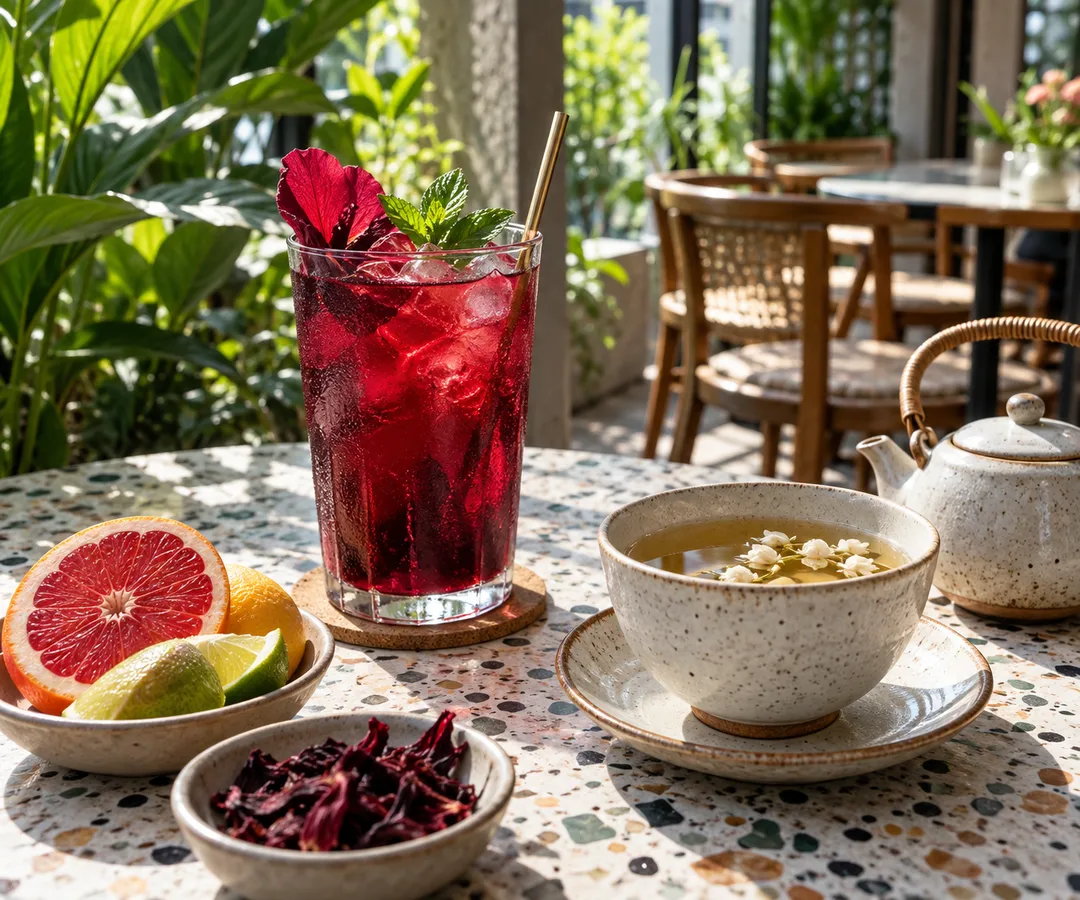
Singapore Date Night Plan Builder: Three Alcohol Free Stops
Design a meal, a shared experience and an optional landing without making alcohol the centre of the evening.
An alcohol free date can have several changes of scene without borrowing the structure of a bar crawl. Build the evening around three different pleasures: eating, sharing an experience and having somewhere comfortable to land. For a Singapore date night plan builder brief, make the absence of alcohol explicit at the start. Then decide which stops are essential and which can disappear when you would rather stay where you are.
Give the evening a positive centre
“Anywhere without drinking” removes an ingredient but does not describe a date. Start with what you want instead: an interesting meal, a playful task, a performance to watch or a relaxed conversation. One person may be avoiding alcohol while the other simply does not care about it. Agree on the experience you both want so the plan does not repeatedly ask someone to explain or defend their choice at each new stop.
Decide whether the setting itself matters. Some people are happy in a venue that serves alcohol as long as there are suitable alternatives. Others would prefer the whole environment to be unrelated to drinking. Those are different requests and should produce different shortlists. You can state either preference directly. There is no need to provide a medical, religious or personal explanation when a clear planning constraint already gives enough information.
Stage one is food with enough room to settle
Let the meal do the work of bringing you into the evening. A complicated ordering system or a rush to the next attraction can turn dinner into a transit task. Choose how much of the date you want to spend eating, and decide whether you want a full meal or something lighter. This matters when a later stop involves tasting food too. A dessert plan is less appealing if dinner leaves neither person interested in eating again.
Put dietary needs into the brief before asking for specific dishes. Alcohol avoidance and food requirements are separate constraints: a drink list does not tell you how a sauce or dessert is prepared. When ingredient information matters to your choice, take the dish question to the food provider. Keep your planning request focused on finding promising options rather than treating a conversational suggestion as an ingredient declaration from the kitchen.

Stage two should change what you do together
The middle stop earns its place by changing your interaction. After sitting across a table, you might prefer something side by side: a walk, a visual experience or an activity where the task gives you things to notice. These are possible formats, not a claim that any particular Singapore business offers them tonight. Choose the format first so you can judge later suggestions by the experience you wanted rather than by a striking photo.
Consider how much talking the activity permits. A performance creates a period of shared attention but limits conversation during it. A hands on session asks you to follow instructions and may have a fixed duration. An informal stroll allows more freedom but needs a comfortable route and a willing walking partner. Pick the kind of pause your meal needs. There is no requirement for the middle section to be the most expensive or elaborate part of the date.
Stage three is a landing, not another obligation
The final stop should make finishing easier. A place to sit with tea, a small dessert or a last stretch of conversation can provide a softer ending than an abrupt departure from an activity. Keep it optional when you discuss the plan. If the meal and middle experience already feel complete, stopping there is a successful version of the night. You have not failed to finish an itinerary simply because you enjoyed two stages enough.
Think beyond sweetness and caffeine when choosing that landing. One person may want something warm, while the other wants a cold drink and no more food. A late coffee might be unwelcome to someone planning an early morning. Tell your partner what you would actually enjoy at that point. An alcohol free ending deserves the same attention to preference as a wine selection would, without needing to imitate the ritual of another drink.
Build a request around the three roles
Use Karpo APP to ask for ideas around your mood and constraints. For example: “We want an alcohol free date in Singapore with a meal, one shared activity and an optional place to sit afterward. Please keep the stops in a compact area. We prefer settings where drinking is not the main attraction, modest walking and no need to dress formally. Explain what each stage adds, and keep the final stage easy to skip.” The example specifies a task without asserting a special three stop feature.
If a suggested sequence feels wrong, refine the role that failed. You might keep dinner and ask for a more playful middle section, or keep the activity while simplifying the food. Avoid restarting the whole search every time one detail changes. Explain the mismatch in terms of your experience: “We would be watching all evening and want something participatory” gives more direction than “Try something better.” A useful next request carries forward the decisions you have already made.
Keep the route from becoming the main event
Choose one area that works for both arrivals and departure. If you start by listing favourite places scattered across Singapore, the date can turn into several transfers joined by short visits. Instead, establish your travel tolerance and work outward from the main experience. The meal and landing should support that anchor. A less dramatic final stop nearby can be a stronger choice than a celebrated place that requires you to restart your journey.
Allow the route to contract. If dinner runs long because conversation is good, remove the optional stage before trying to rush through everything. If the activity has a purchased start time, treat that as the fixed commitment and simplify the meal around it. You and your partner decide which promise matters most. A flexible outline is only helpful when the smaller version still gives you something worth doing together, rather than feeling like a list of cancelled plans.
Practical notes for an evening you can actually choose
Separate estimated personal spending from any quoted venue price. You can tell Karpo how much you want to spend, but a budget in a prompt does not establish what an operator charges. For a paid experience, use its own purchase page and terms when you decide to commit. Likewise, a proposed sequence is a planning idea rather than proof of opening times, walk in entry or a reservation. Keep those distinctions clear when discussing the options together.
Before leaving, agree on the one activity you both anticipate and the part you are willing to drop. Bring those preferences into your Karpo APP request so the evening has a positive direction from the beginning. Food, curiosity and conversation are enough to make the sequence feel varied. The goal is not to demonstrate how many places you can visit without alcohol. It is to spend an evening that neither person has to adapt around drinking.
Ask Karpo for more information.
Keep reading
- Tampines Board Game Cafe Night Picker for School Holidays
 Dhoby Ghaut Board Game Cafe Night Picker for a Second Date
 Chinatown Board Game Cafe Night Picker for Three Generations